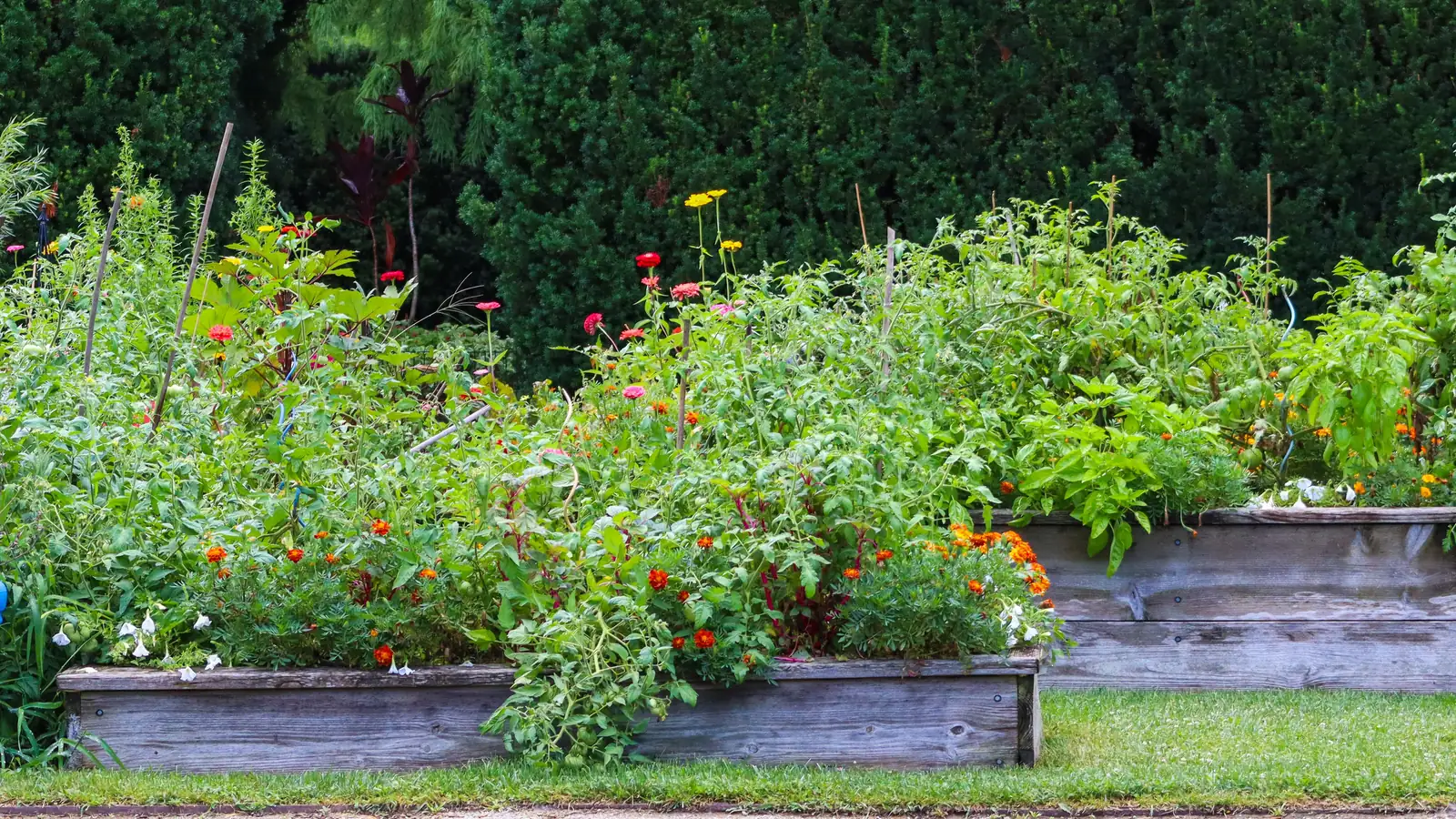
Cedar Raised Garden Beds: Choosing a Kit or Building With Boards
Cedar on the label says little about board thickness, corners or bracing. Choose kit or boards, plan the width around your reach and calculate how much soil it will take.
A soil test is cheaper than most of what is sold to fix soil. After that, the main choices are bed construction, how much soil it will take to fill, and whether composting at home is worth the space.
Cedar on the label says little about board thickness, corners or bracing. Choose kit or boards, plan the width around your reach and calculate how much soil it will take.
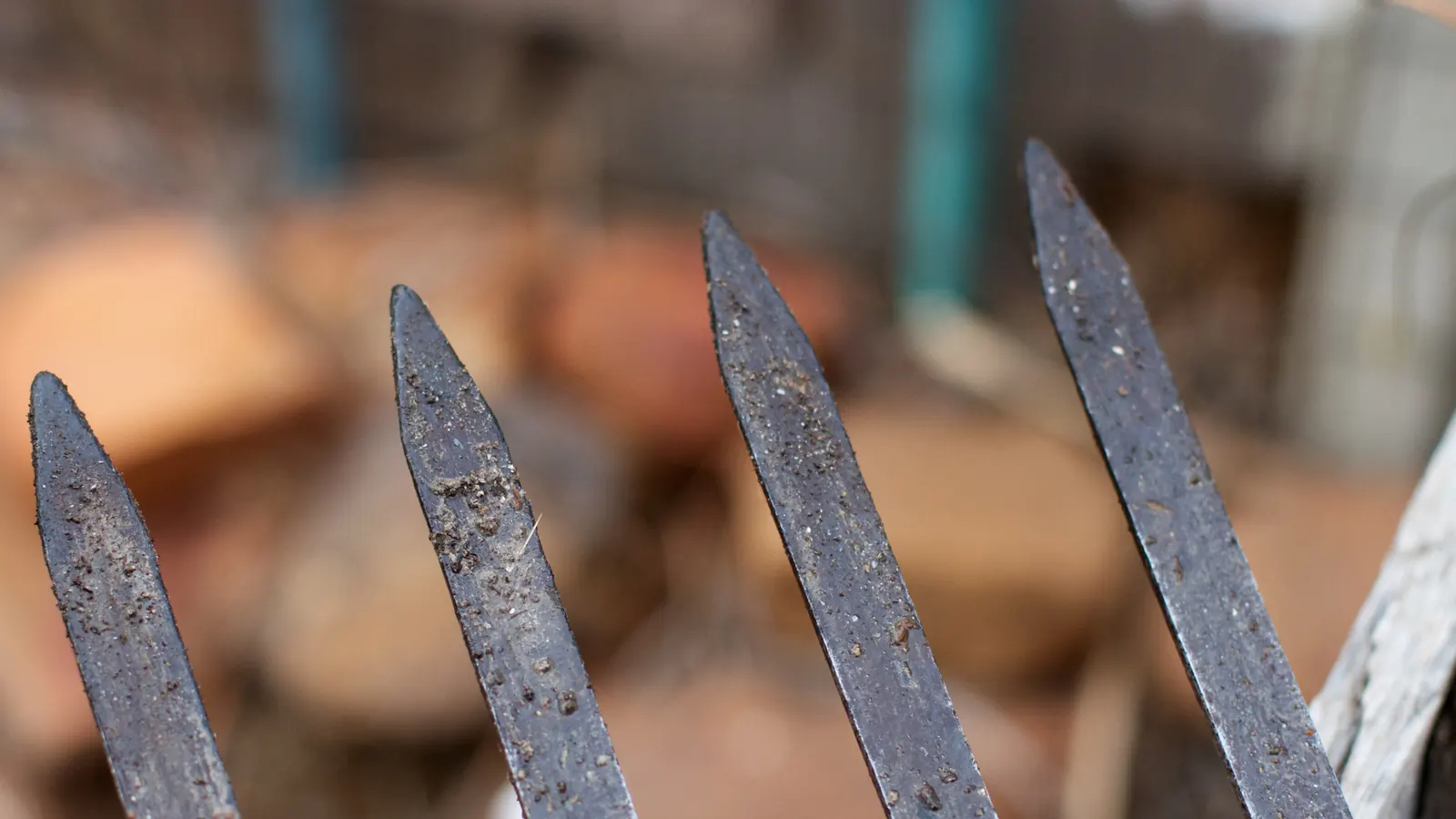
A digging fork loosens compacted soil without lifting every shovelful; a pitchfork moves loose material. Check the soil moisture, the head and the handle, and dig only where needed.
4-minute read
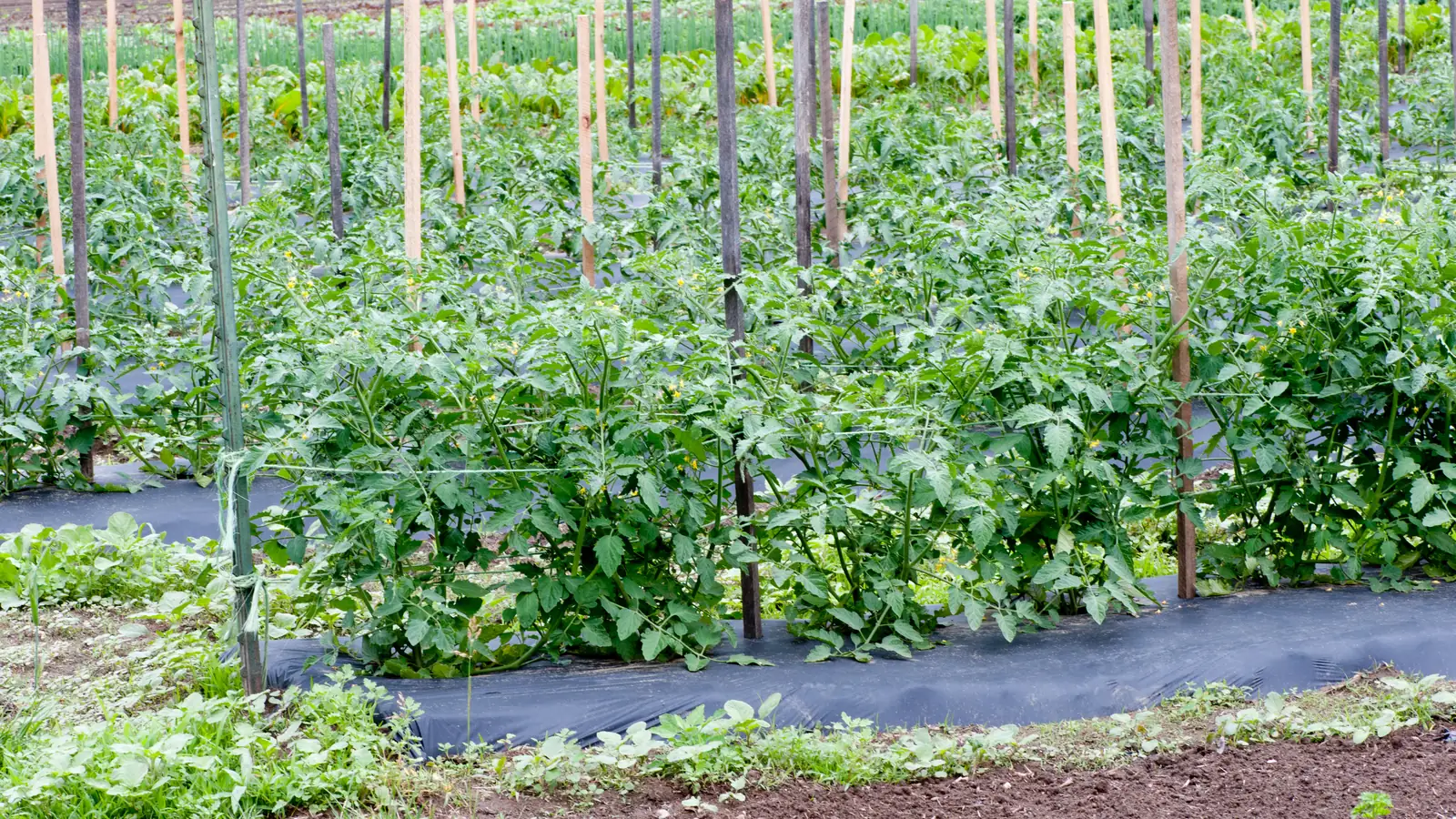
A single tall stem, a floppy clump and a row of tomatoes need different supports. Put them in before growth hides the job, and use ties that let stems grow.
4-minute read
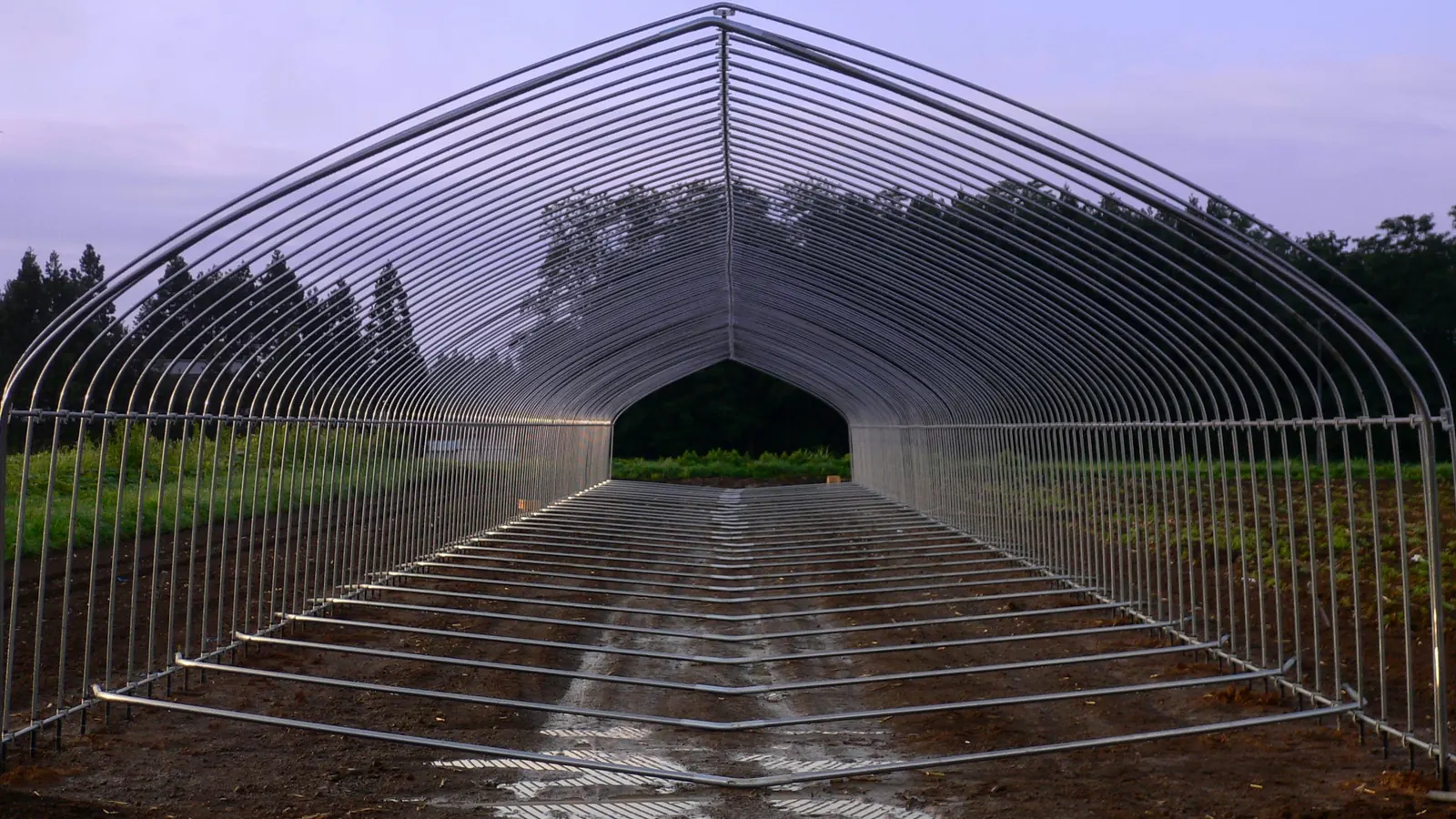
The pointed roof gives more headroom and sheds snow differently than a round hoop, but shape alone proves nothing about strength. Compare structure, ventilation and installation.
5-minute read
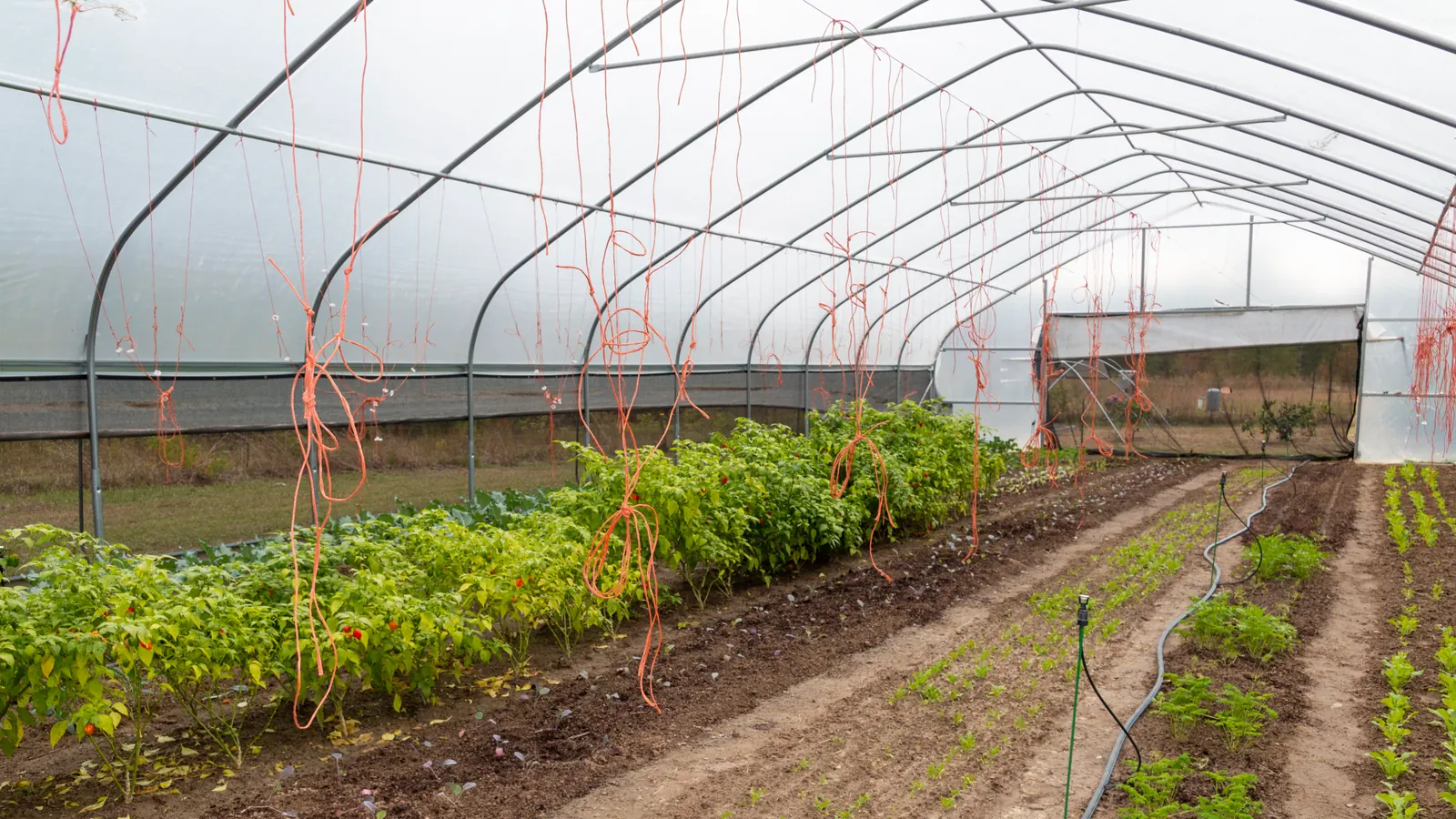
Aluminum or steel is only the start: the frame decides where doors, vents and braces go and how much headroom you get. Ask for structural details tied to the exact model.
8-minute read
We may earn a commission from links on this page, at no extra cost to you. How this works
Browse these approved retailers for products related to this topic. Check each store for current selection, availability and terms.
Botanical Interests
Opens Botanical Interests’s store (garden seeds).
Plant Addicts
Opens Plant Addicts’s store (plants, shrubs, planters and garden products).
Veikous
Opens Veikous’s raised garden beds collection, not a single product.
Wood, metal and composite raised beds.
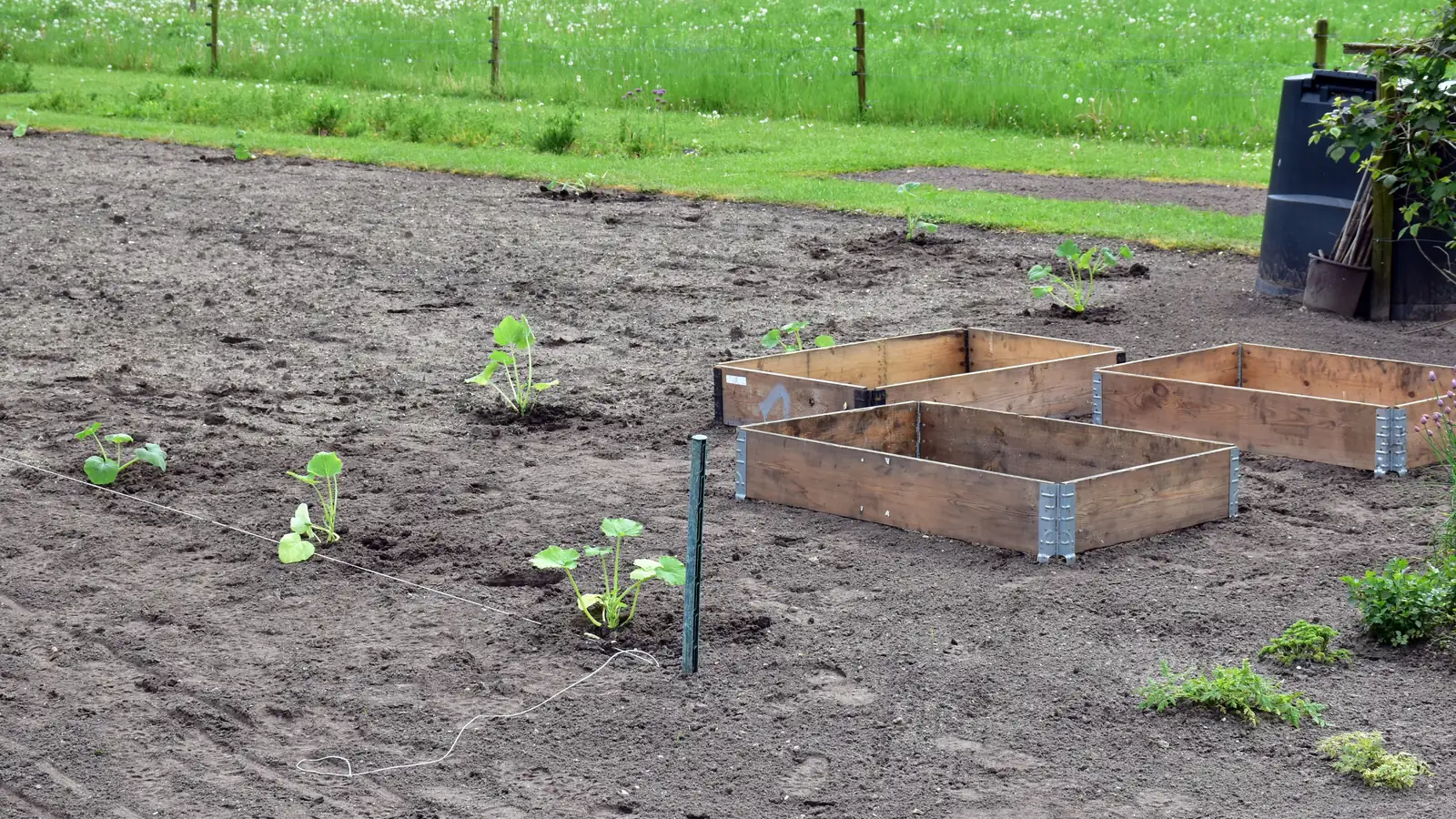
The simplest useful raised bed is an open-bottom wooden frame at ground level. Build one from a documented Extension plan, check the real lumber sizes and order fill from what you measured.
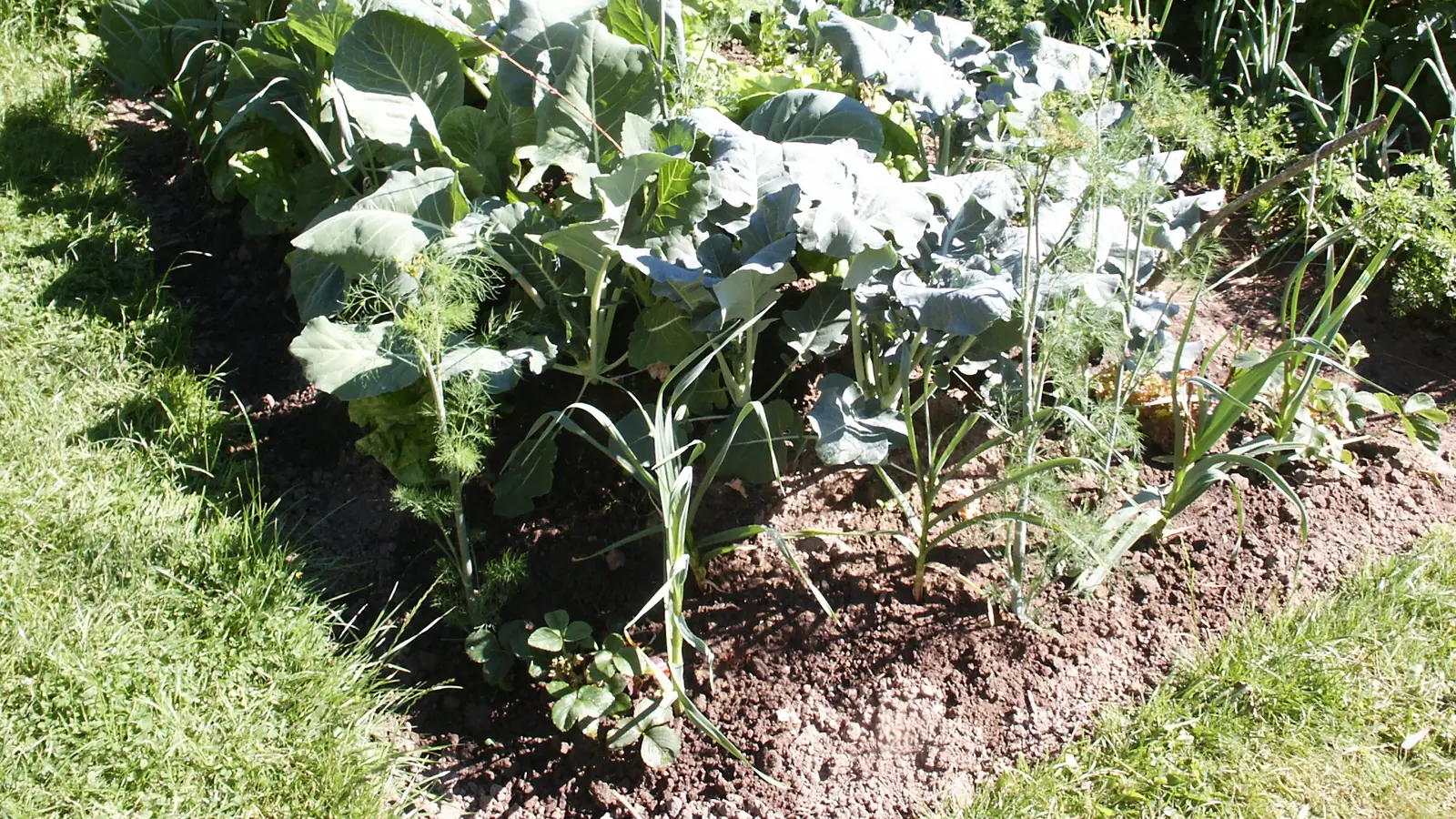
Hugelkultur buries logs and branches under soil to build a planting mound. What the research actually shows, which wood to use and why it is not a maintenance-free garden.
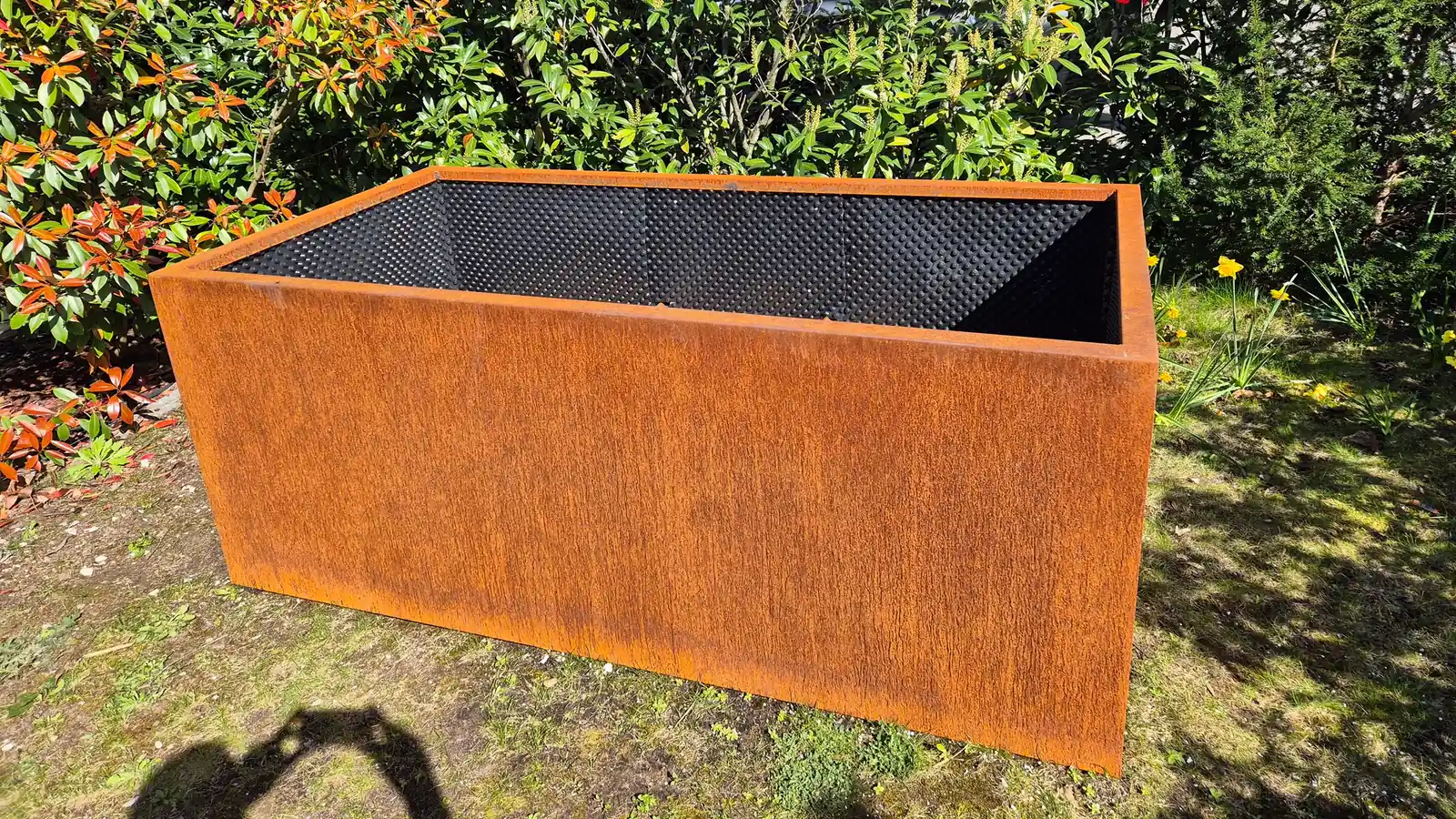
Metal beds give a vegetable garden clean lines without boards to replace. Find out what the panels and coating really are, how the walls are braced and how much soil it will take.
Potting mix, raised-bed soil, amendments and plant food.
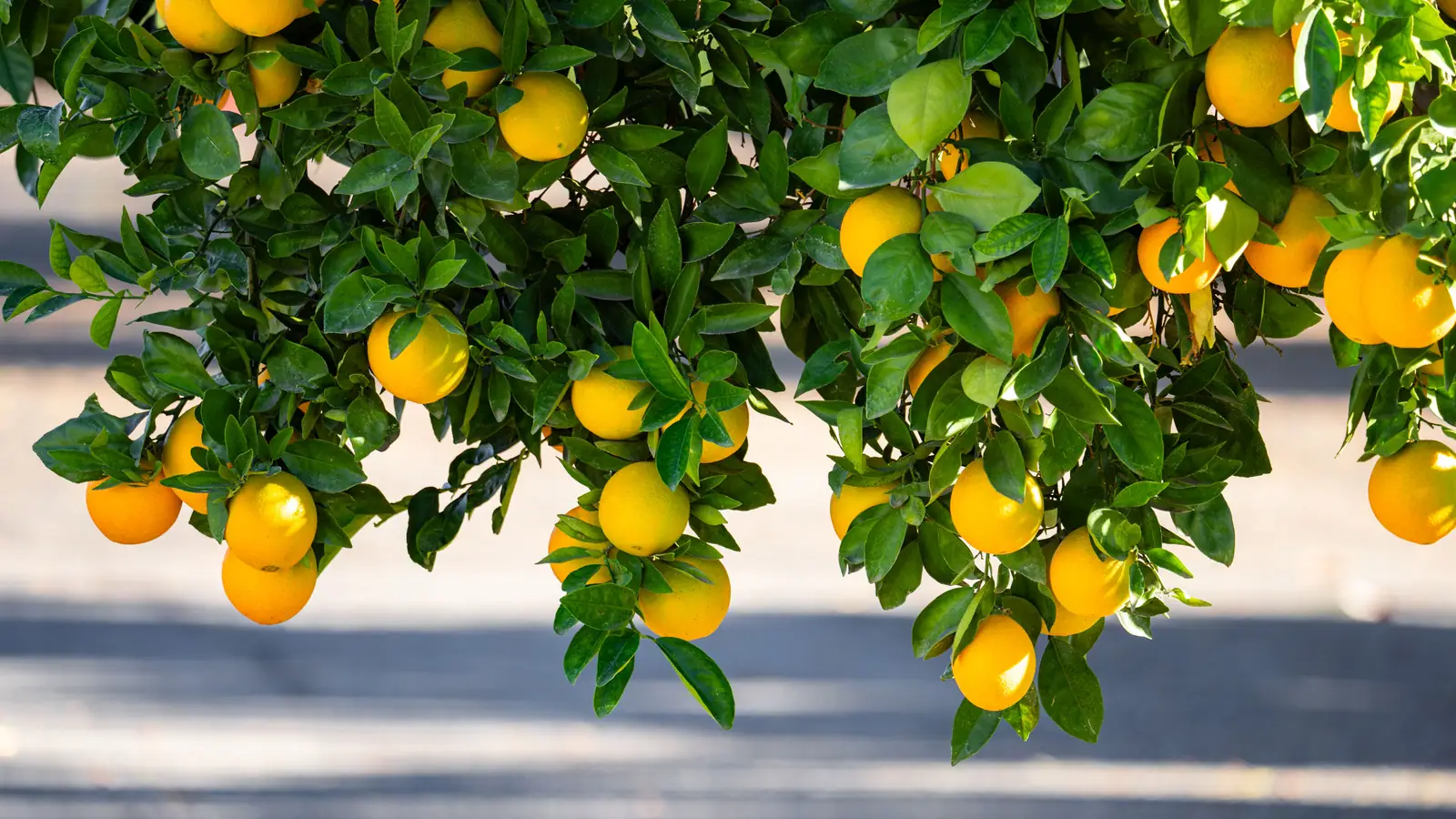
A bag labeled citrus does not tell you how much your tree needs. Read the three numbers, follow your regional schedule and turn the recommended nitrogen into a measured amount.
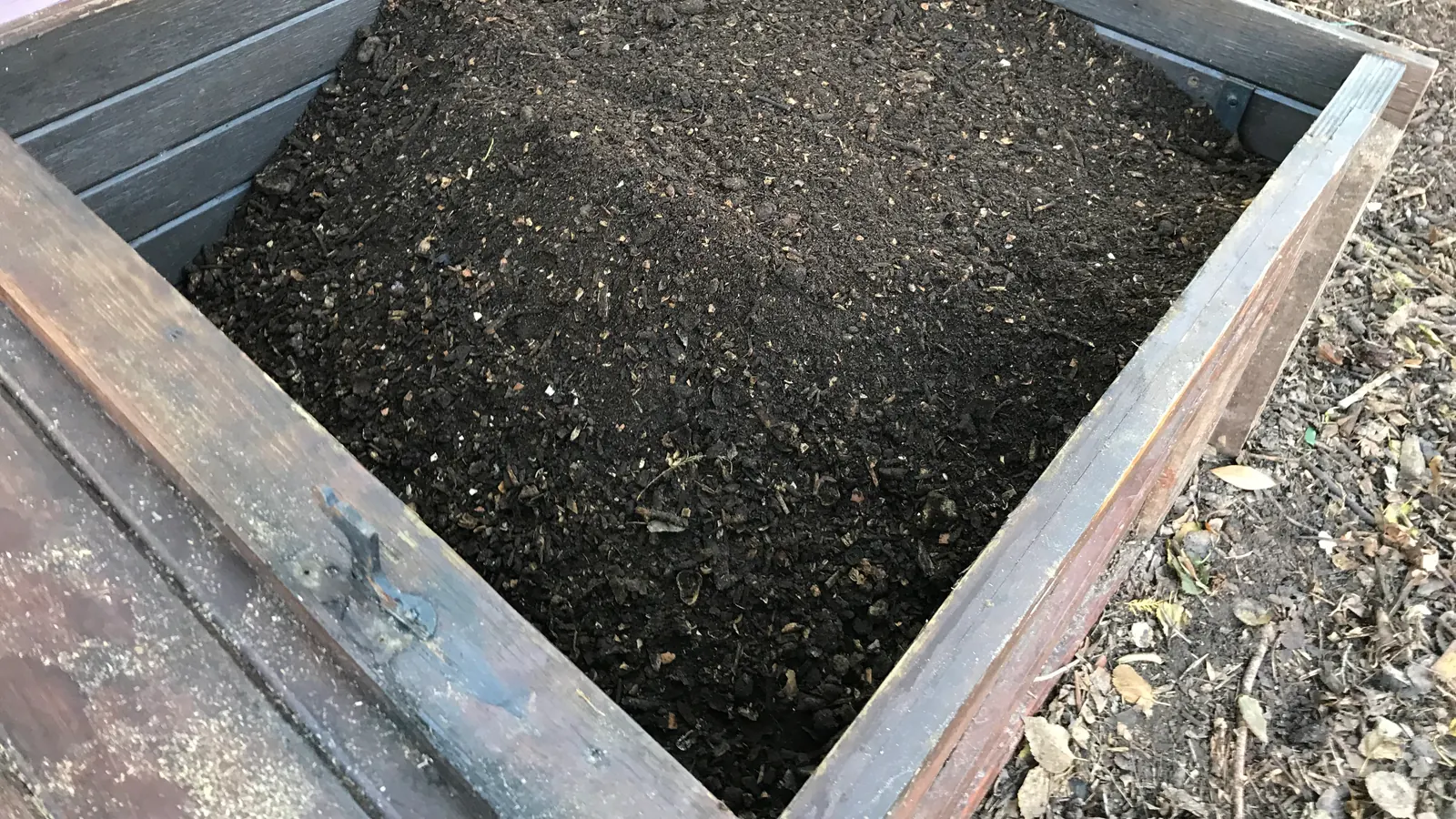
Compost improves soil; it is not soil. How it differs from topsoil and potting mix, how to judge finished material and how much to buy for the area you are covering.
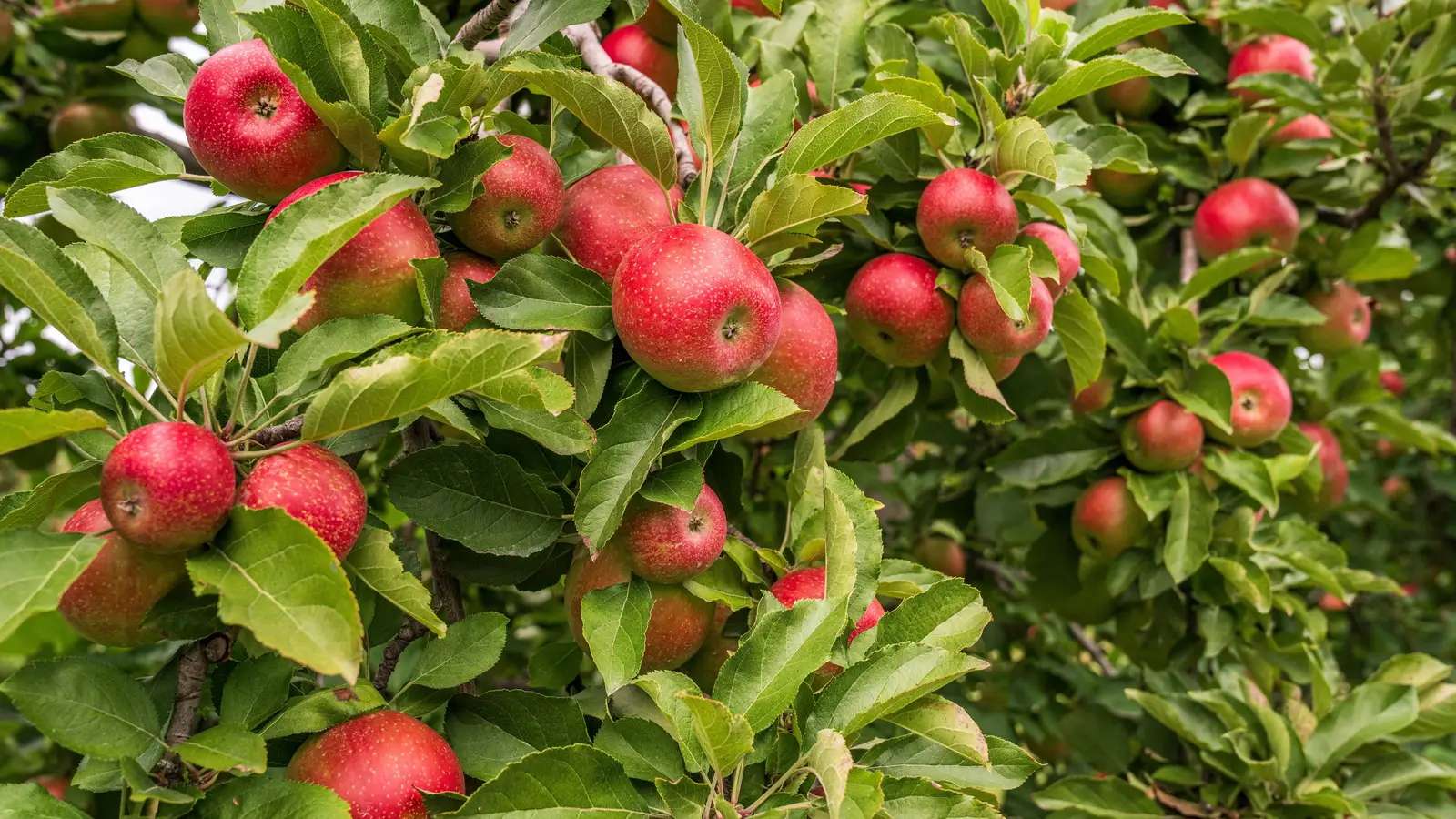
A bag with fruit on it does not say the nutrients suit your soil. Start with what the tree needs, read the numbers and treat apples, pears and stone fruit as separate decisions.
Compost bins, tumblers and worm farms.
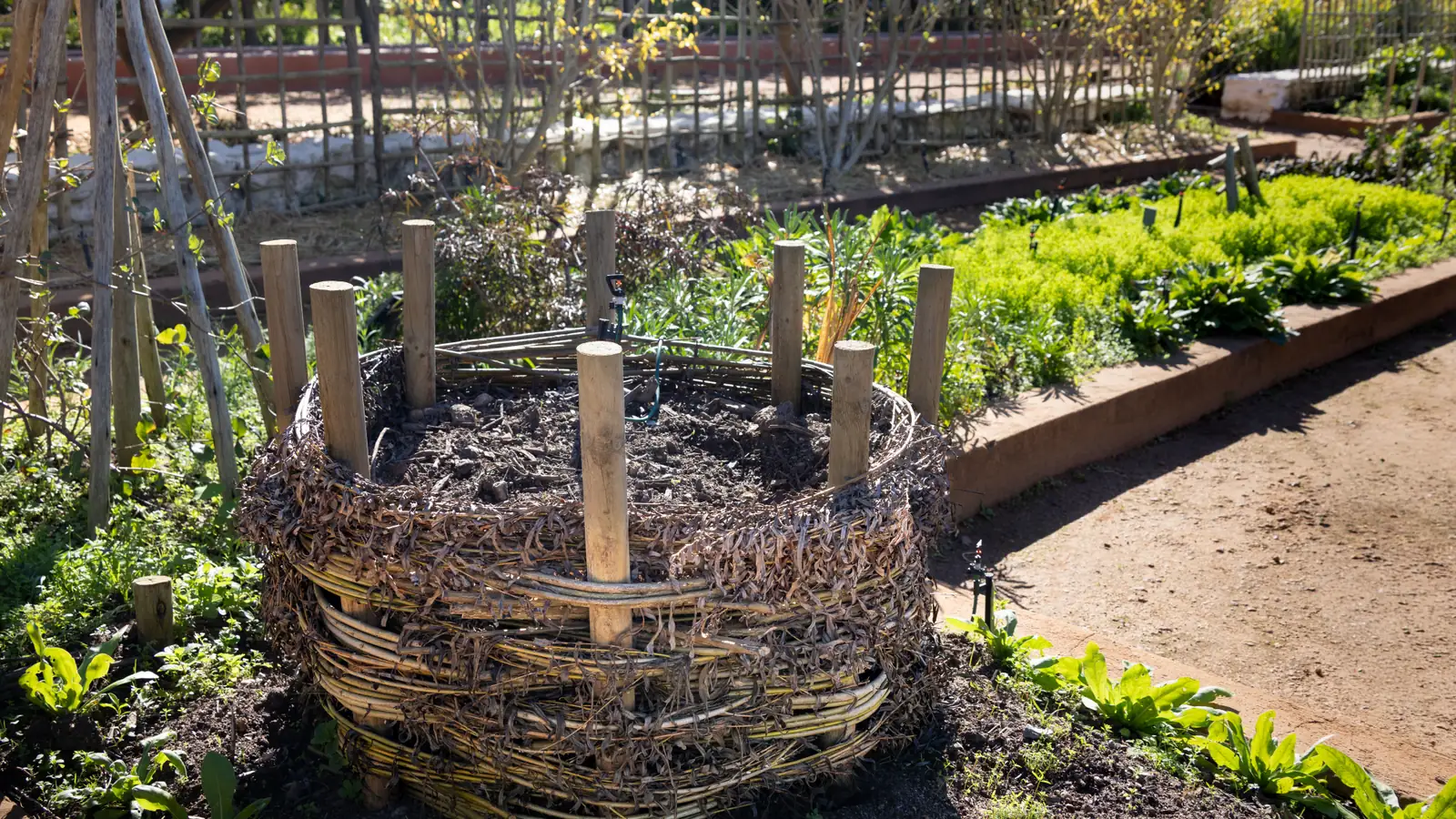
A small kitchen bucket and a big autumn leaf drop are different handling problems. Count what you will add, check the openings and pick a system you can empty easily.
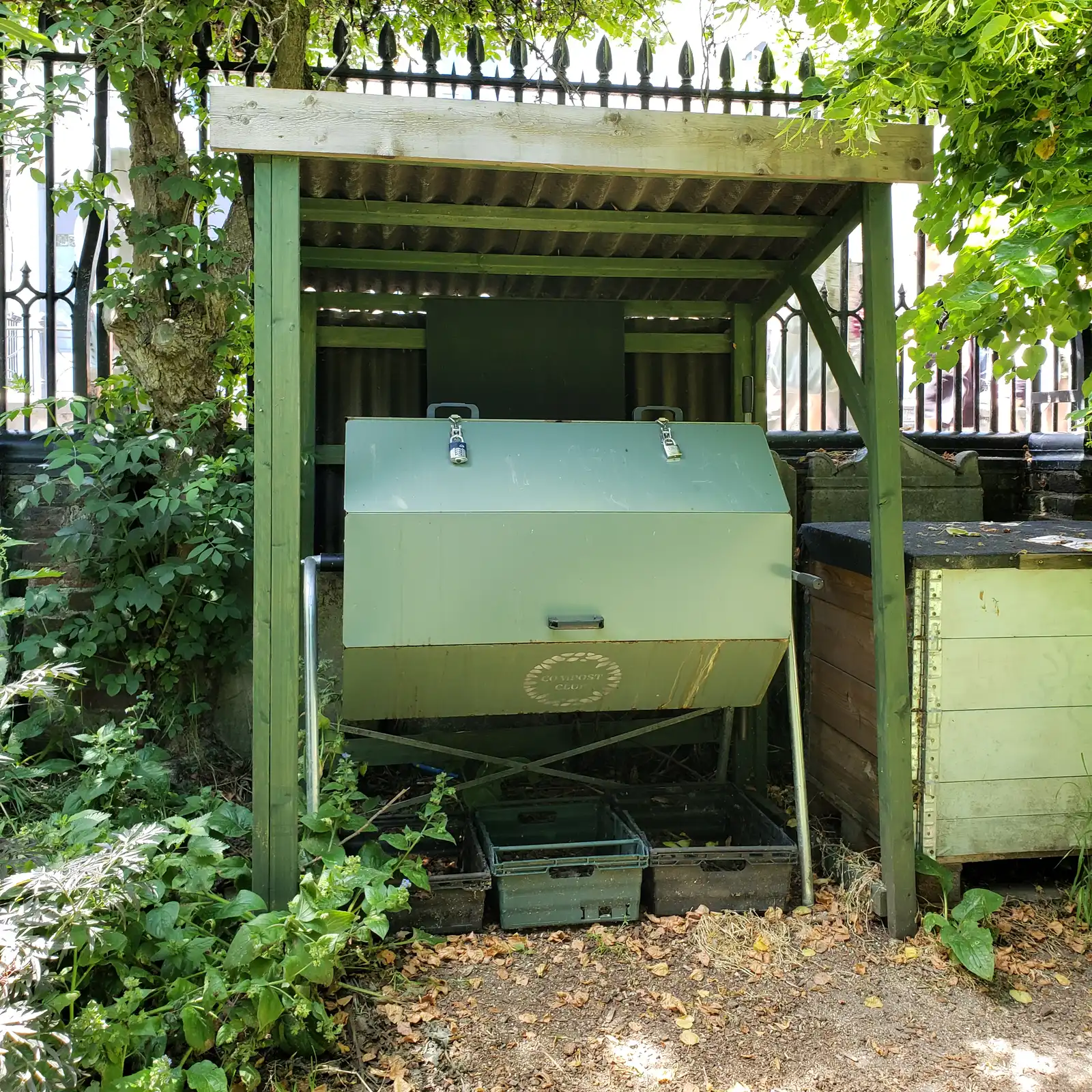
Ignore promised finishing times and follow one batch through the drum. Compare rotation, loading and unloading space, and whether one chamber or two suits how you add scraps.
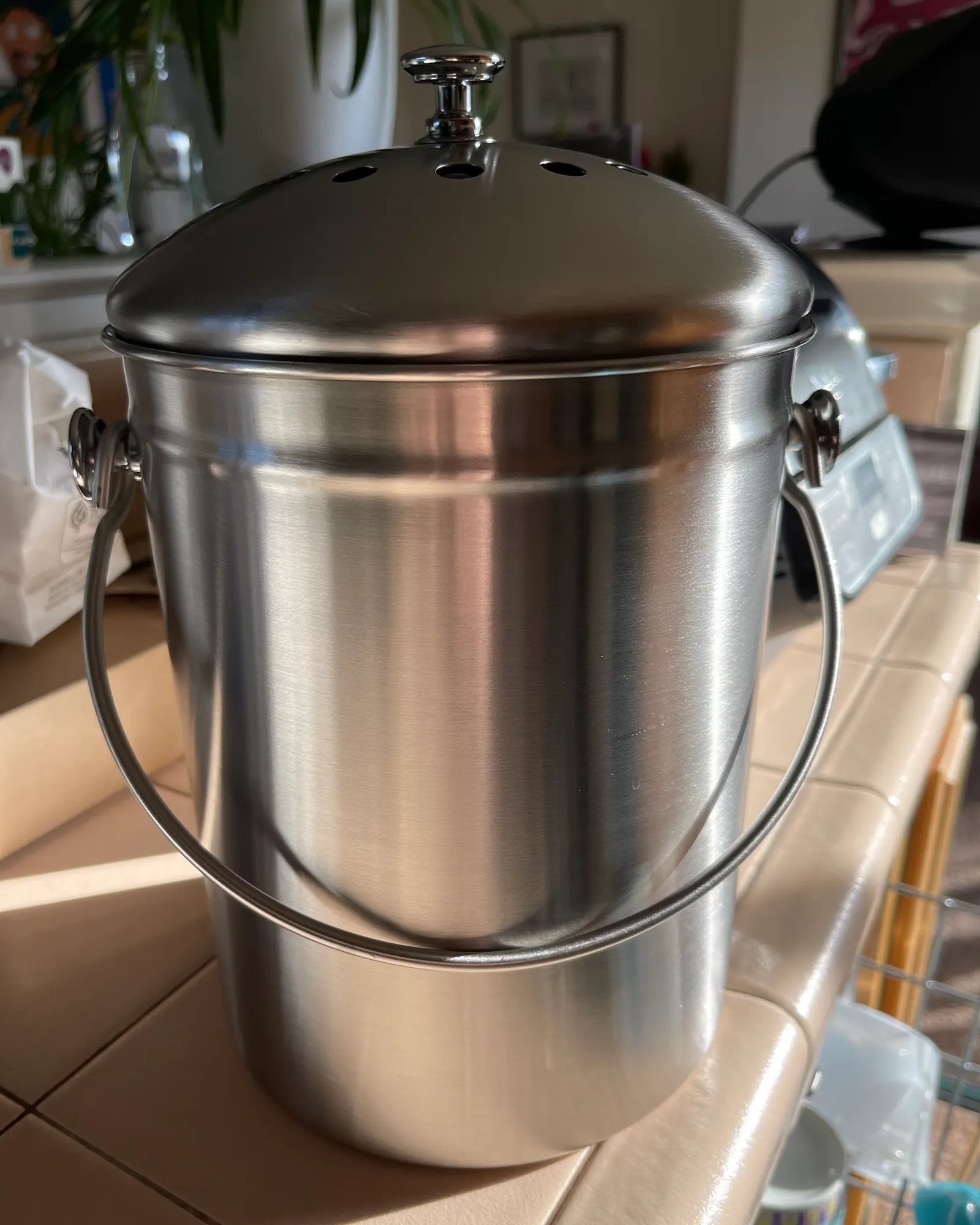
A countertop caddy collects scraps; an electric unit processes them and creates a second job. Decide where the contents will go before choosing either.
Outdoor pots, planters and window boxes.
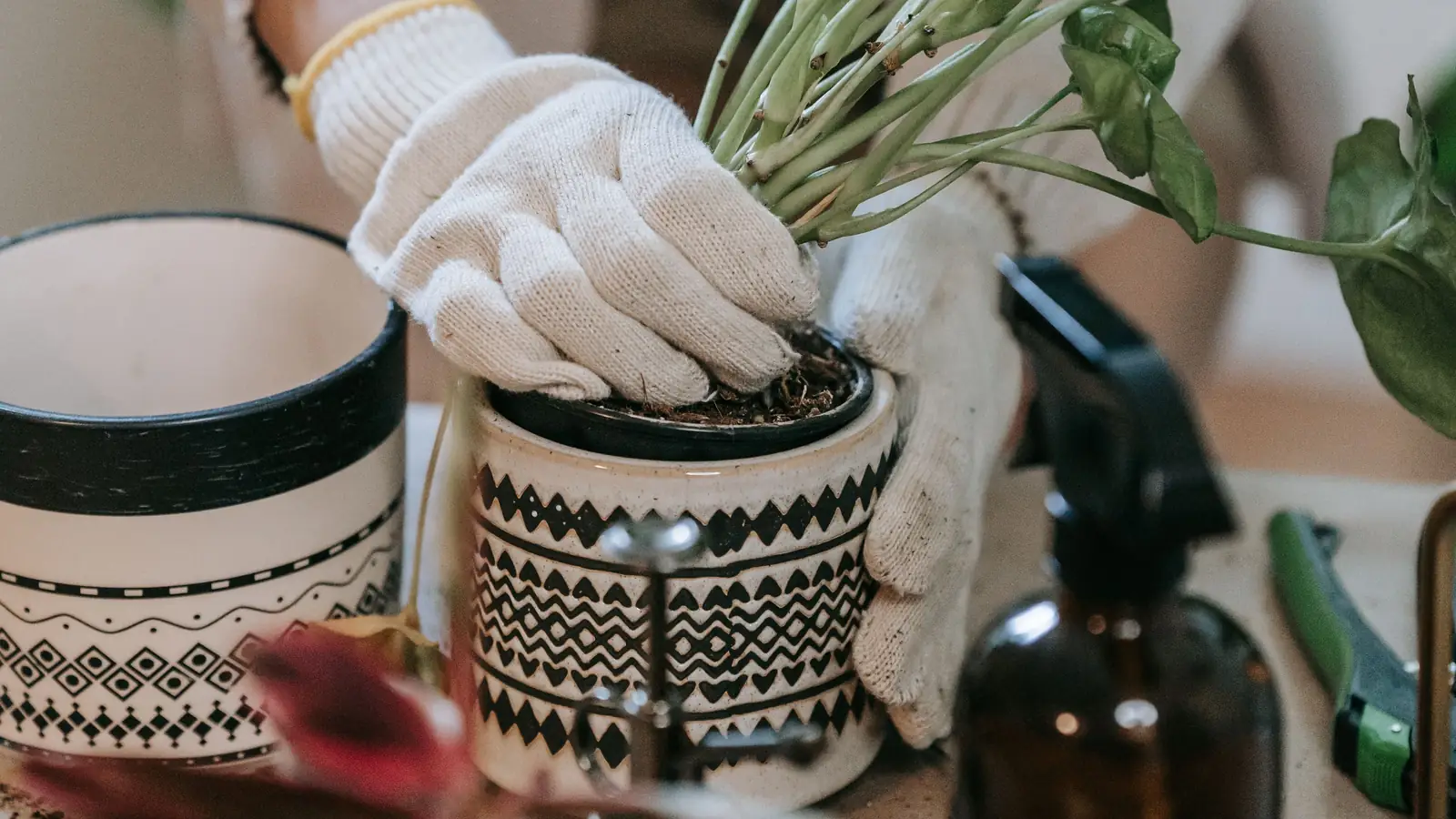
A beautiful glazed pot can be a better outer cover than a planting pot. Check drainage, the usable interior and winter care before you plant directly in it.
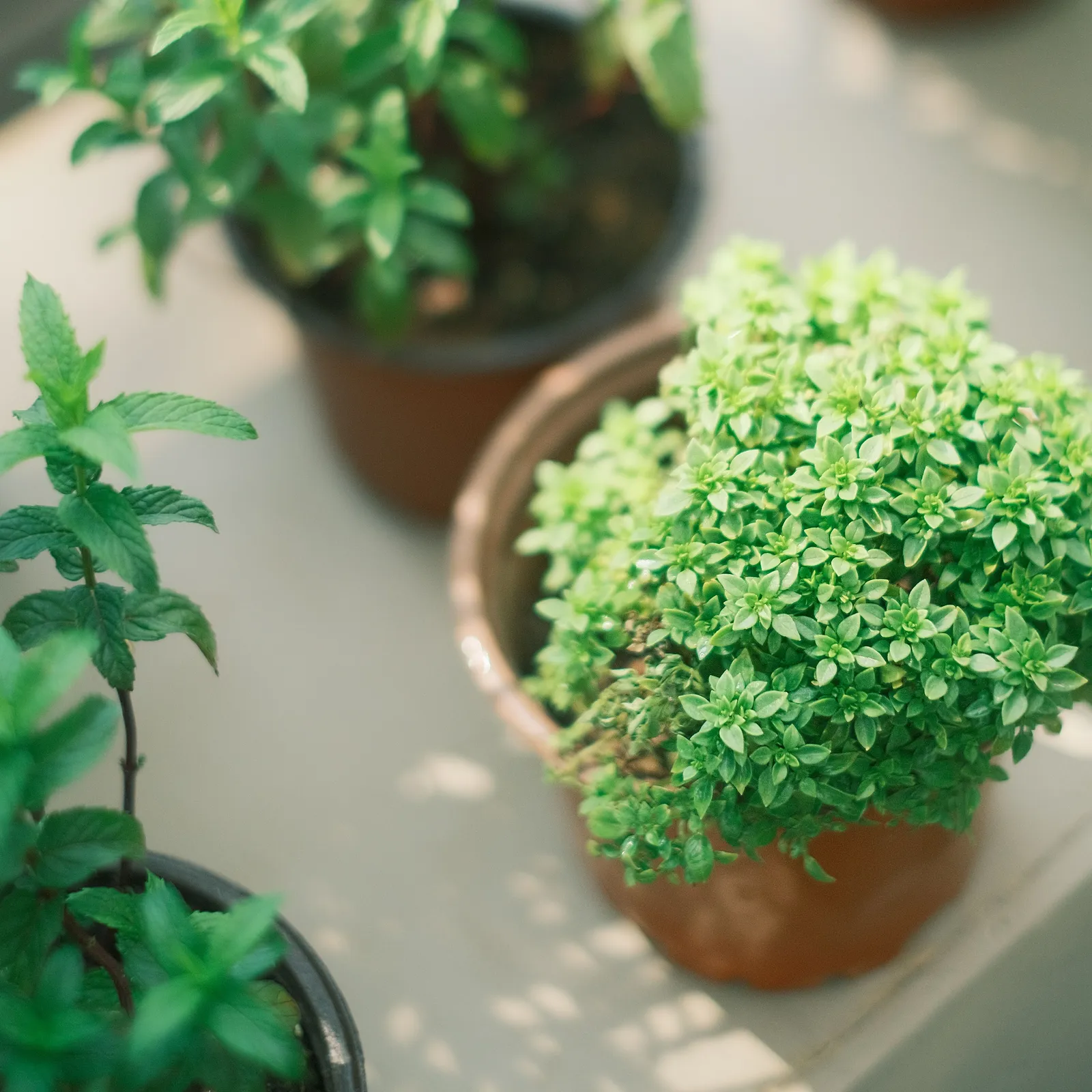
Start with a few crops you will really eat: basil by the kitchen, a trough of salad leaves, one compact tomato in a big pot. Then match pot, mix and watering to each.
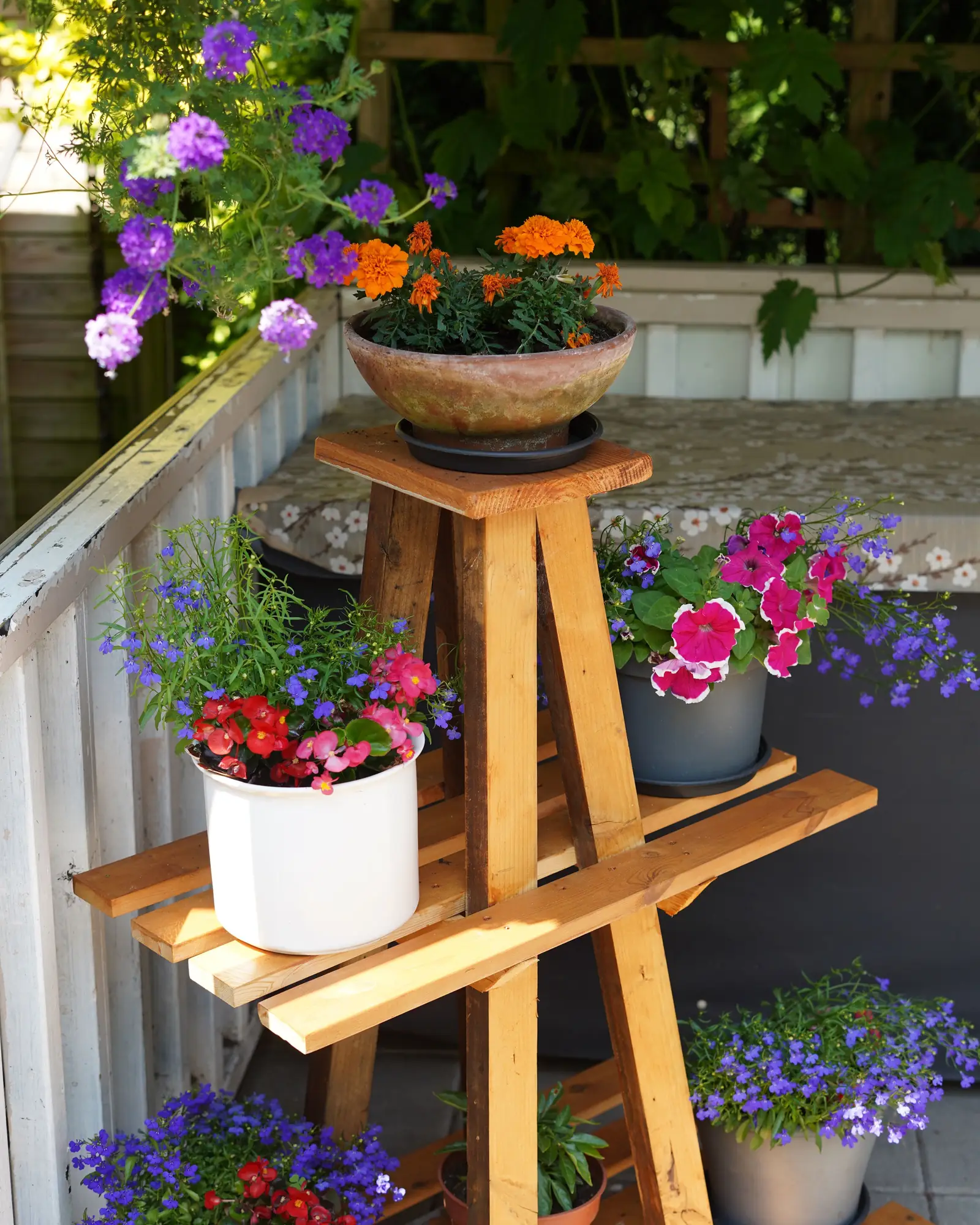
A plant stand starts with the pot it holds: rim, base, saucer and how you water. A small lap-joint project with real drawings, and the checks to make before applying a finish.
Perennials, shrubs and bulbs by mail order.
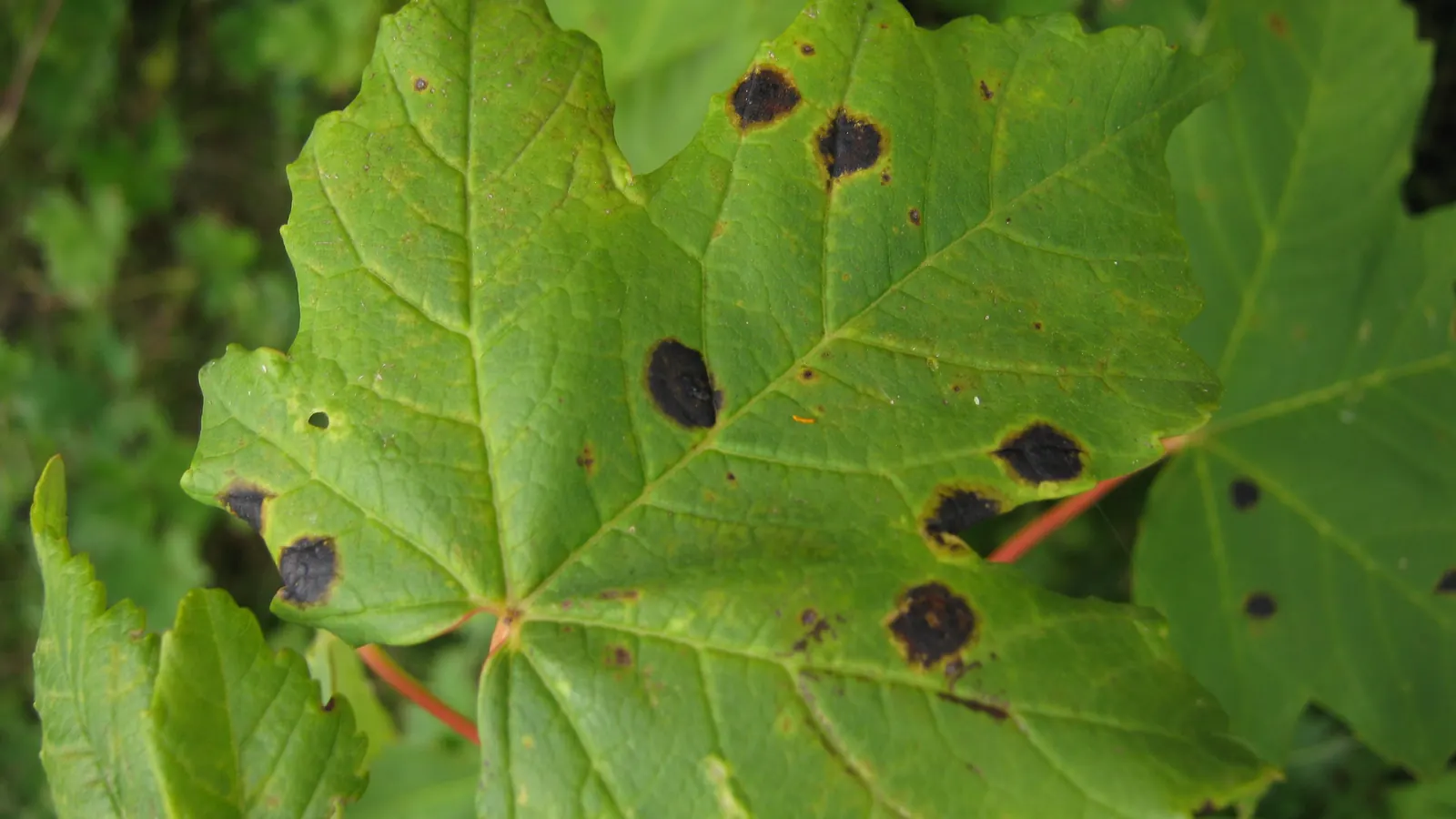
Raised tar-like black patches on maple leaves are often tar spot, usually cosmetic. How to tell it from look-alikes, what cleanup can do and when the tree needs a closer look.
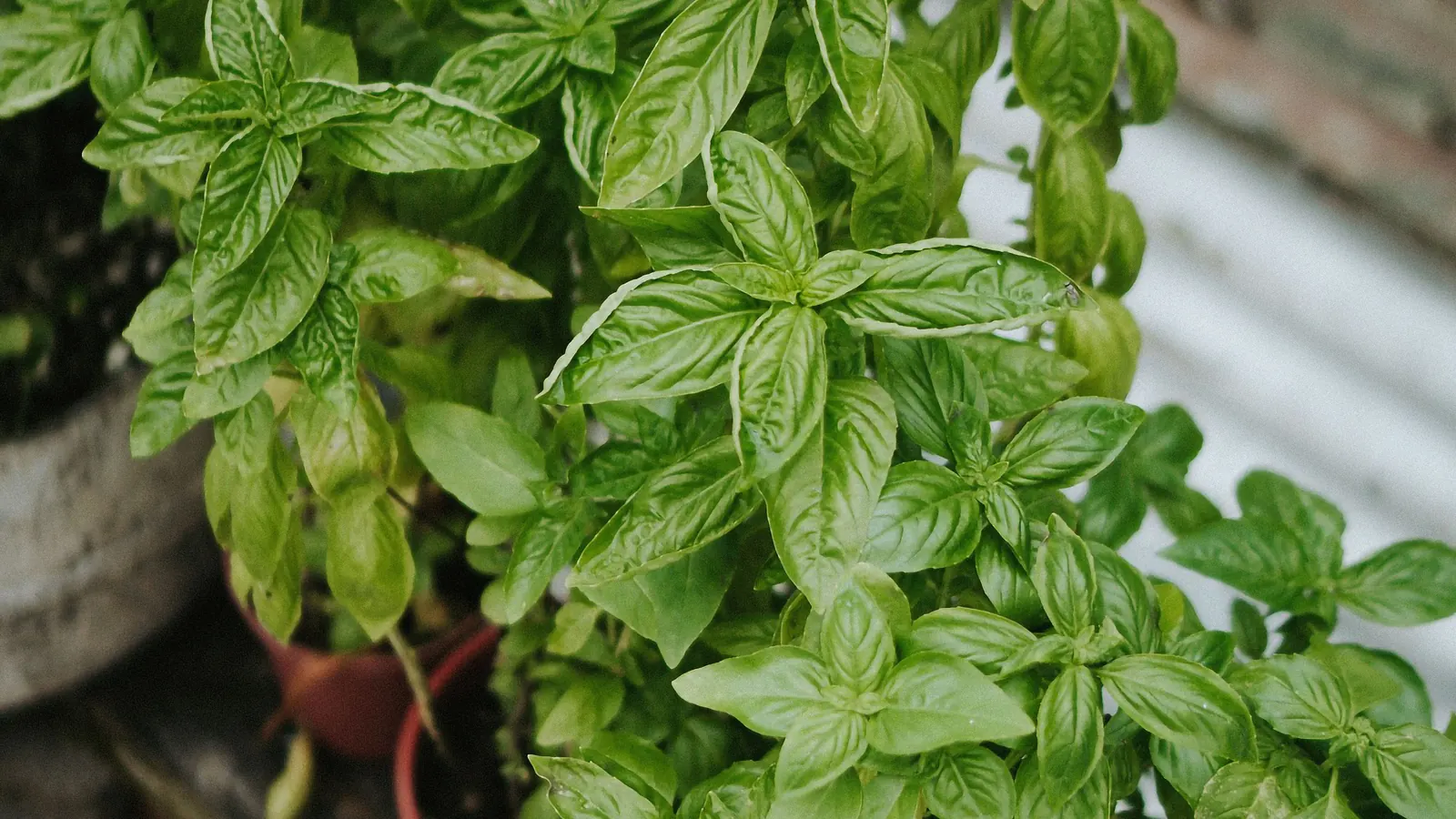
Start with the herbs you actually reach for in the kitchen. A few well-placed plants you harvest often beat a large collection that is hard to water.
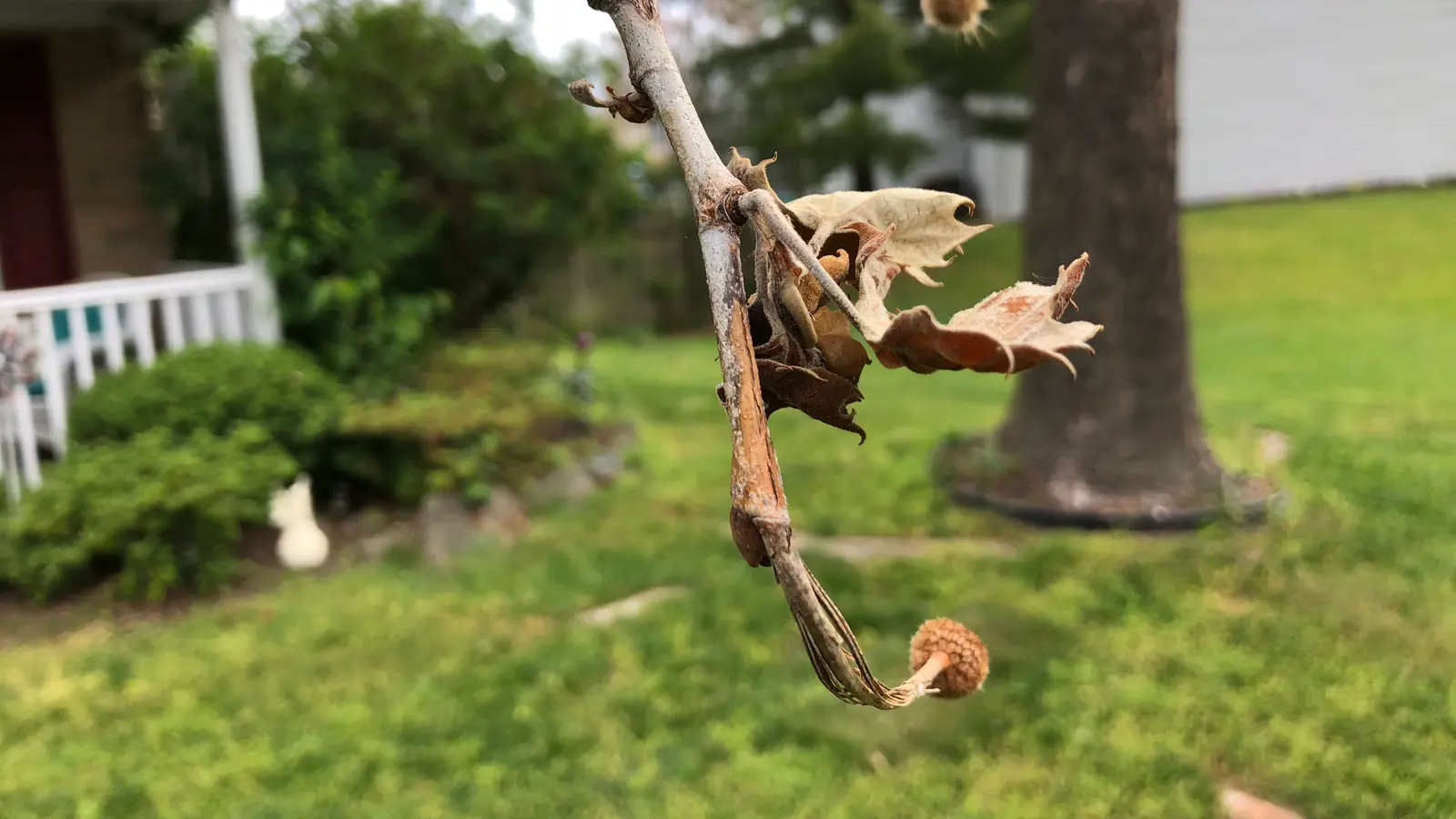
A sycamore that drops young leaves in a cool wet spring and one that scorches every late summer need different conversations. Note when symptoms appear, then gather evidence for a diagnosis.
Newest first. Showing 1 to 10.
Plants & Bulbs
Raised tar-like black patches on maple leaves are often tar spot, usually cosmetic. How to tell it from look-alikes, what cleanup can do and when the tree needs a closer look.
4-minute read
Raised Garden Beds
Cedar on the label says little about board thickness, corners or bracing. Choose kit or boards, plan the width around your reach and calculate how much soil it will take.
Buying guide6-minute read
Planters & Containers
A beautiful glazed pot can be a better outer cover than a planting pot. Check drainage, the usable interior and winter care before you plant directly in it.
5-minute read
Soil & Fertilizer
A bag labeled citrus does not tell you how much your tree needs. Read the three numbers, follow your regional schedule and turn the recommended nitrogen into a measured amount.
4-minute read
Composting
A small kitchen bucket and a big autumn leaf drop are different handling problems. Count what you will add, check the openings and pick a system you can empty easily.
4-minute read
Soil & Fertilizer
Compost improves soil; it is not soil. How it differs from topsoil and potting mix, how to judge finished material and how much to buy for the area you are covering.
5-minute read
Composting
Ignore promised finishing times and follow one batch through the drum. Compare rotation, loading and unloading space, and whether one chamber or two suits how you add scraps.
4-minute read
Growing & Soil
Start with a few crops you will really eat: basil by the kitchen, a trough of salad leaves, one compact tomato in a big pot. Then match pot, mix and watering to each.
6-minute read
Composting
A countertop caddy collects scraps; an electric unit processes them and creates a second job. Decide where the contents will go before choosing either.
4-minute read
Composting
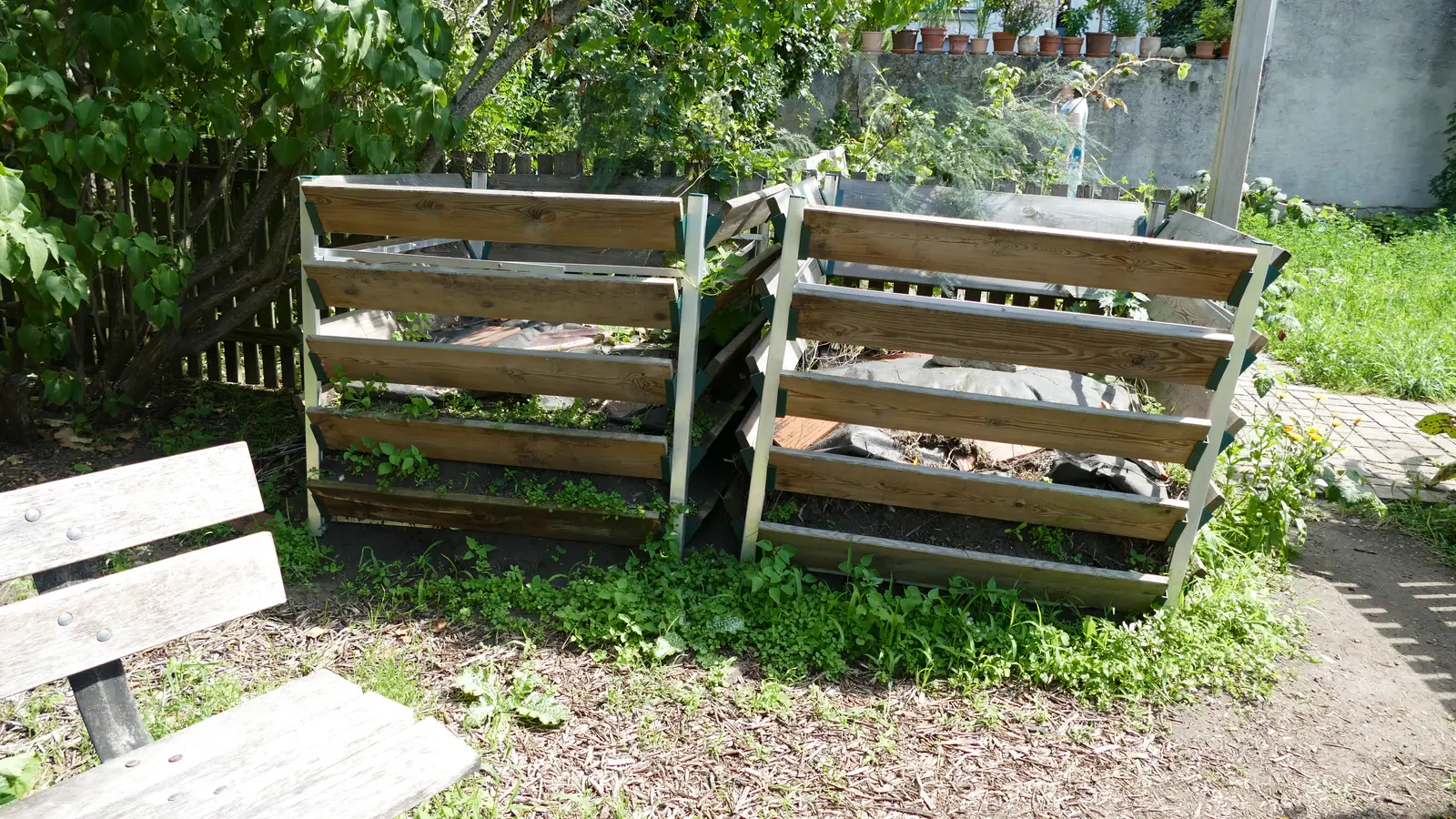
For a first yard-waste bin, a simple wire cylinder does the job. When regular large batches justify a wooden bay system, and why food scraps need a separate pest decision.
5-minute read