Compost Bins: Choose a System for Loading, Turning and Emptying
A small kitchen bucket and a big autumn leaf drop are different handling problems. Count what you will add, check the openings and pick a system you can empty easily.
By GardenHelmPublished 4-minute readMore in Composting
In this guide
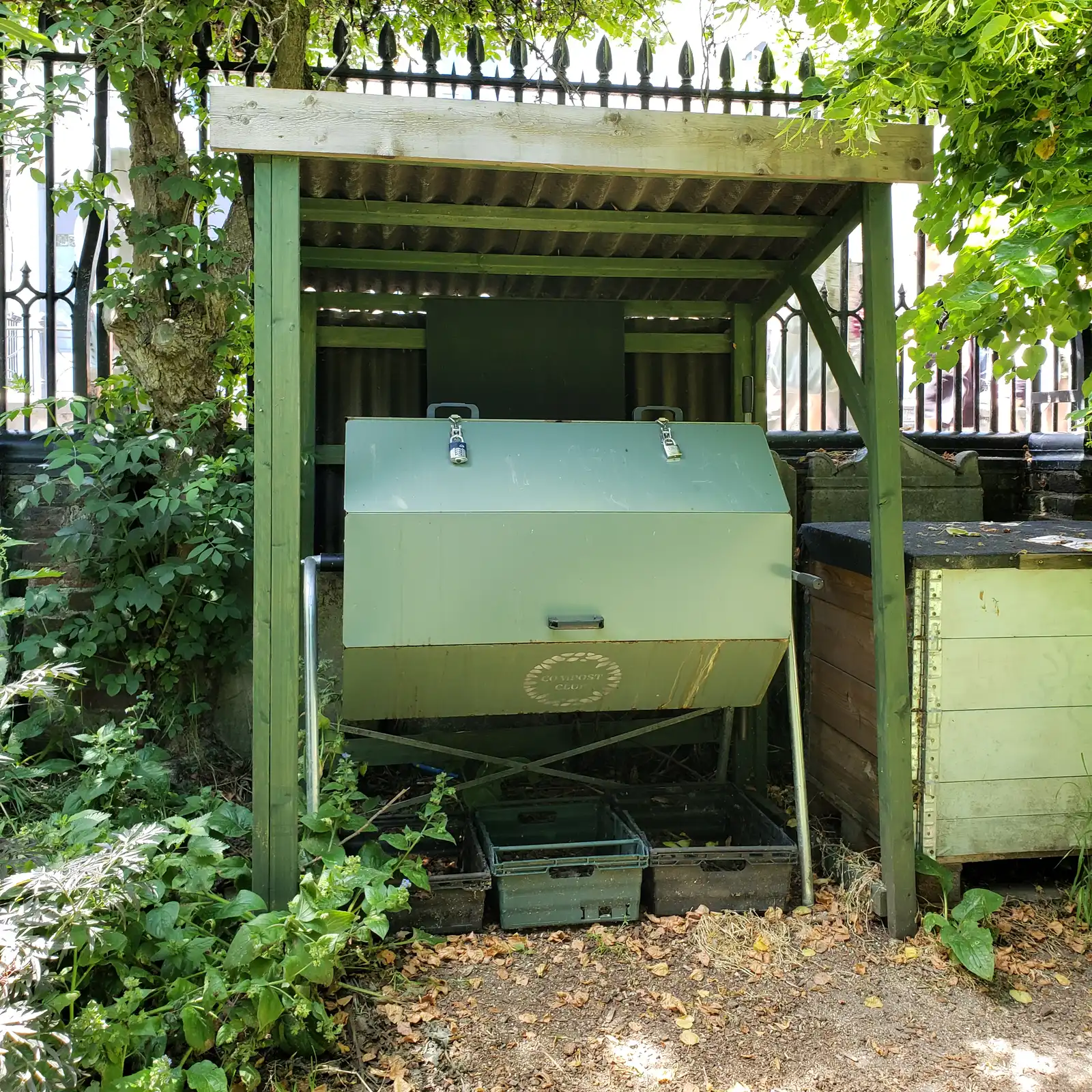
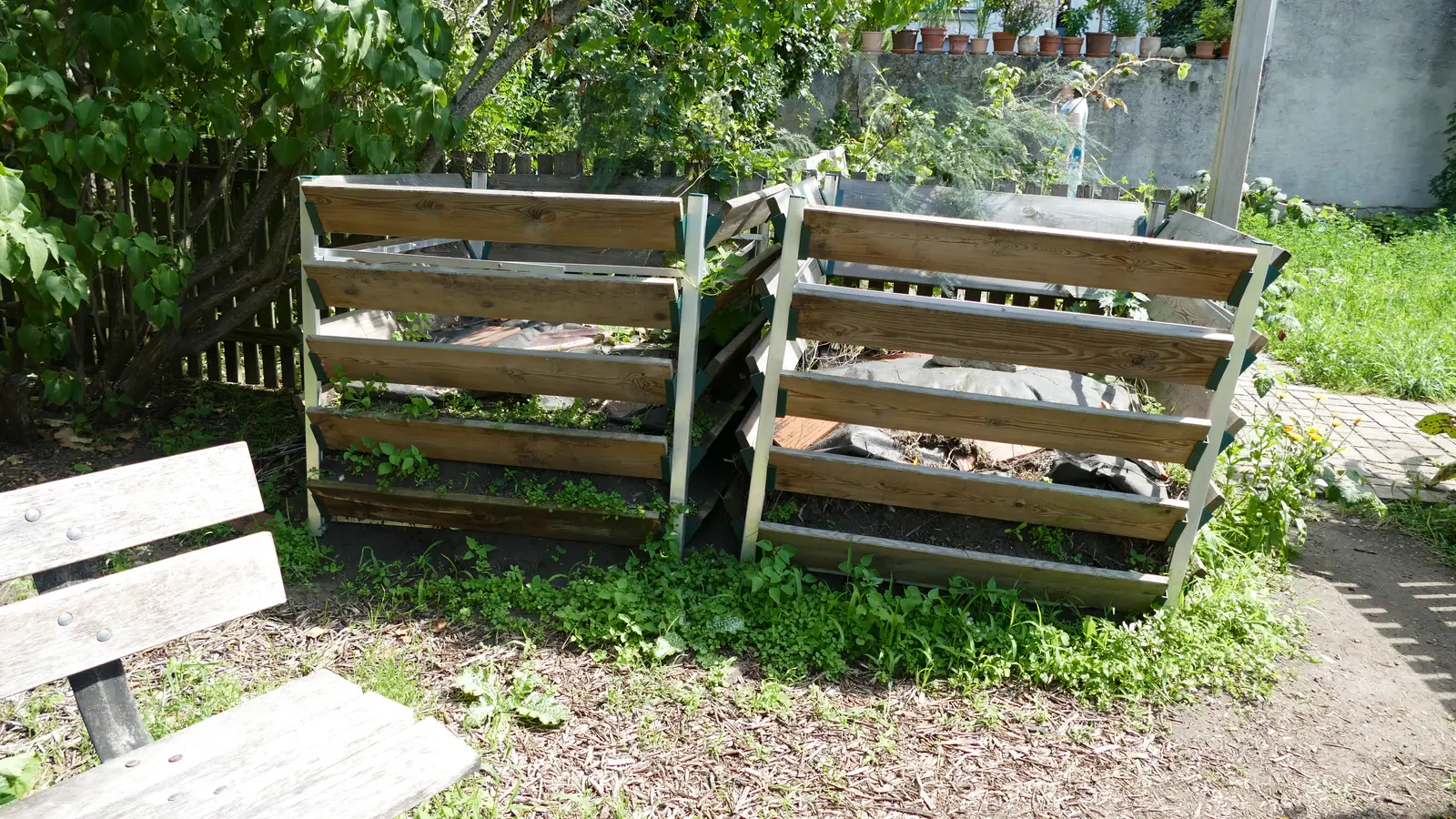
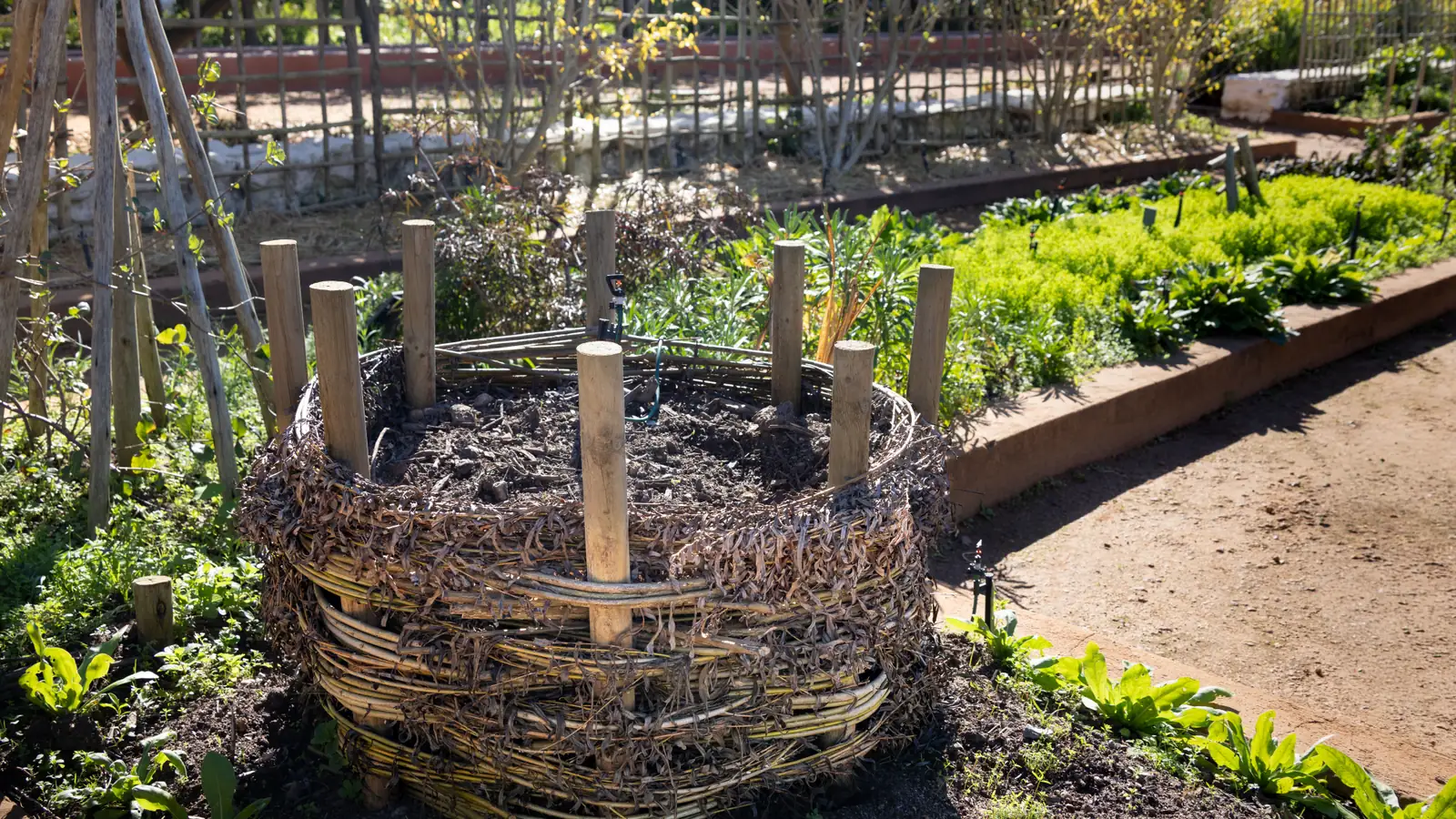
Most households do well with one of three setups. A single enclosed bin suits kitchen scraps plus a modest amount of garden waste. Two or three open bays suit gardens with lots of leaves and trimmings. A tumbler suits people who want a contained, off-the-ground option and do not mind cranking it. Before you compare models, picture the whole cycle: where scraps go in, how you will mix them, and how you will get finished compost out at the bottom. Check the emptying step most carefully.
The main systems
| System | Best for | The handling question |
|---|---|---|
| Enclosed stationary bin | Kitchen scraps and moderate garden waste | Can you reach in to mix and empty it through the actual hatch? |
| Open or slatted bay | Big leaf loads and garden trimmings | Is there room to work a fork in front of it? |
| Two or three bays | Keeping new material separate from finishing compost | Can you move material from one bay to the next? |
| Tumbler | Contained composting off the ground | Can you turn it when full and unload it easily? |
| Worm bin | Kitchen scraps in a small space | Can you keep up with its specific feeding and moisture needs? |
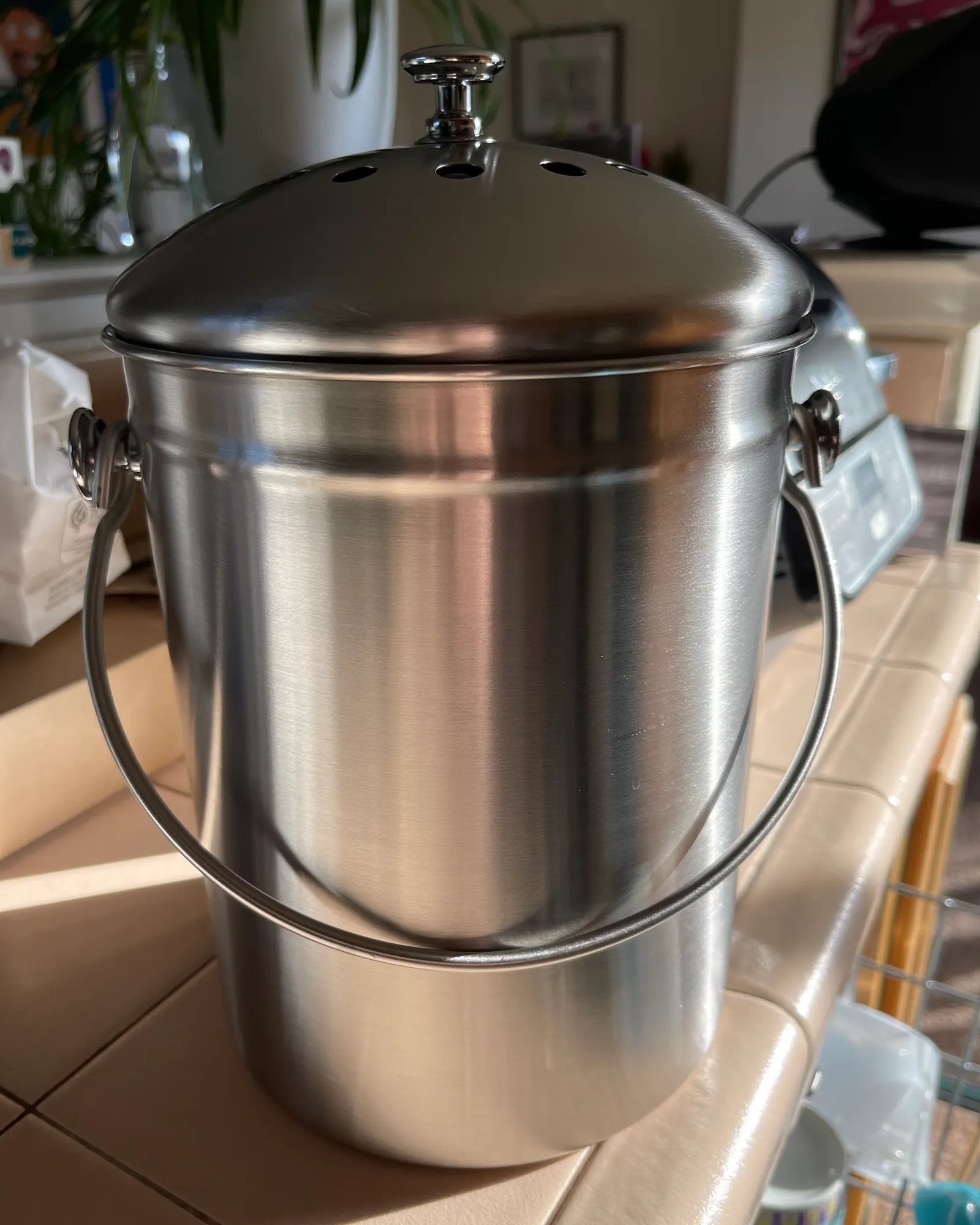
A countertop pail is a collection step. It does not make compost by itself.
Count what you will add
Watch a normal week of kitchen scraps, then think about the garden separately. A bin that handles everyday scraps can be overwhelmed by one weekend of fall leaves. Many gardeners keep a bag or pile of dry leaves beside the bin to cover each load of scraps, so leave space for that too.
The EPA’s home composting guidance explains that decomposition needs air, moisture and the right mix of “browns” (dry leaves, straw, shredded paper) and “greens” (food scraps, fresh clippings). The bin just holds the pile; you still manage it. Use EPA’s list of what belongs in a backyard pile rather than your city’s curbside program rules, which may accept things a home bin should not.
Size matters for heat. A pile needs some bulk before it warms up, and extension services commonly cite around 3 feet on each side as a practical minimum for a hot pile. Smaller bins still compost, just more slowly.
Openings matter more than gallons
A top opening should take the bucket you actually carry. A bottom hatch should be big enough to get a shovel in and finished compost out. A product photo with the hatch open does not prove a full-size shovel fits, so check the opening dimensions.
If the bin lifts off the pile to empty it, you need room to set the shell down beside it. If it has removable panels, think about how you handle them when the bin is full. Two bins with the same stated capacity can be very different to empty.
Continuous or batch
You can keep adding to one pile and dig finished compost from the bottom, or you can fill one batch, stop and let it finish while starting another. The second way needs somewhere for new scraps to go: a second bin, a second bay or a two-chamber tumbler.
With bays, sketch how you will fork material from one to the next and check there is room to stand in front of them. A two-chamber tumbler splits its volume in half; each side is a small batch, not one big drum.
Pick a site you will walk to in January
Choose a spot you can reach in any weather with a bucket in hand, not just the place that looks tidiest from the house. Leave room to open the lid, use a fork and get at the hatch, and allow for plants growing in around it.
Most stationary bins sit directly on soil, which lets worms and moisture move in; follow your bin’s instructions. Do not put a filled bin on a deck or balcony based on its empty weight.
Keeping animals out
Lids, mesh floors and closed sides help, but no feature keeps out every animal. EPA’s guidance covers reducing rodent access and leaving out materials that attract pests, such as meat, dairy and oily food. A tight lid on a bin full of the wrong things will still draw attention. Check that the lid and latch are easy to use with one hand while holding a bucket, in the spot where the bin will stand.
Before you buy
Check what is included: a base, a stand or an extra chamber in the photo may cost extra. See whether hinges, latches and other replacement parts are sold, and how the bin comes apart for cleaning. We have not tested bins or timed how fast they make compost, so compare price and warranty only once you are comparing the same complete setup. For the process inside the bin and specialized systems such as worm bins, see the composting category.
Written from manufacturer and retailer information and general garden practice. GardenHelm has not physically tested the products discussed here. How we choose products