Compost Bins: Choose a System for Loading, Turning and Emptying
A small kitchen bucket and a big autumn leaf drop are different handling problems. Count what you will add, check the openings and pick a system you can empty easily.
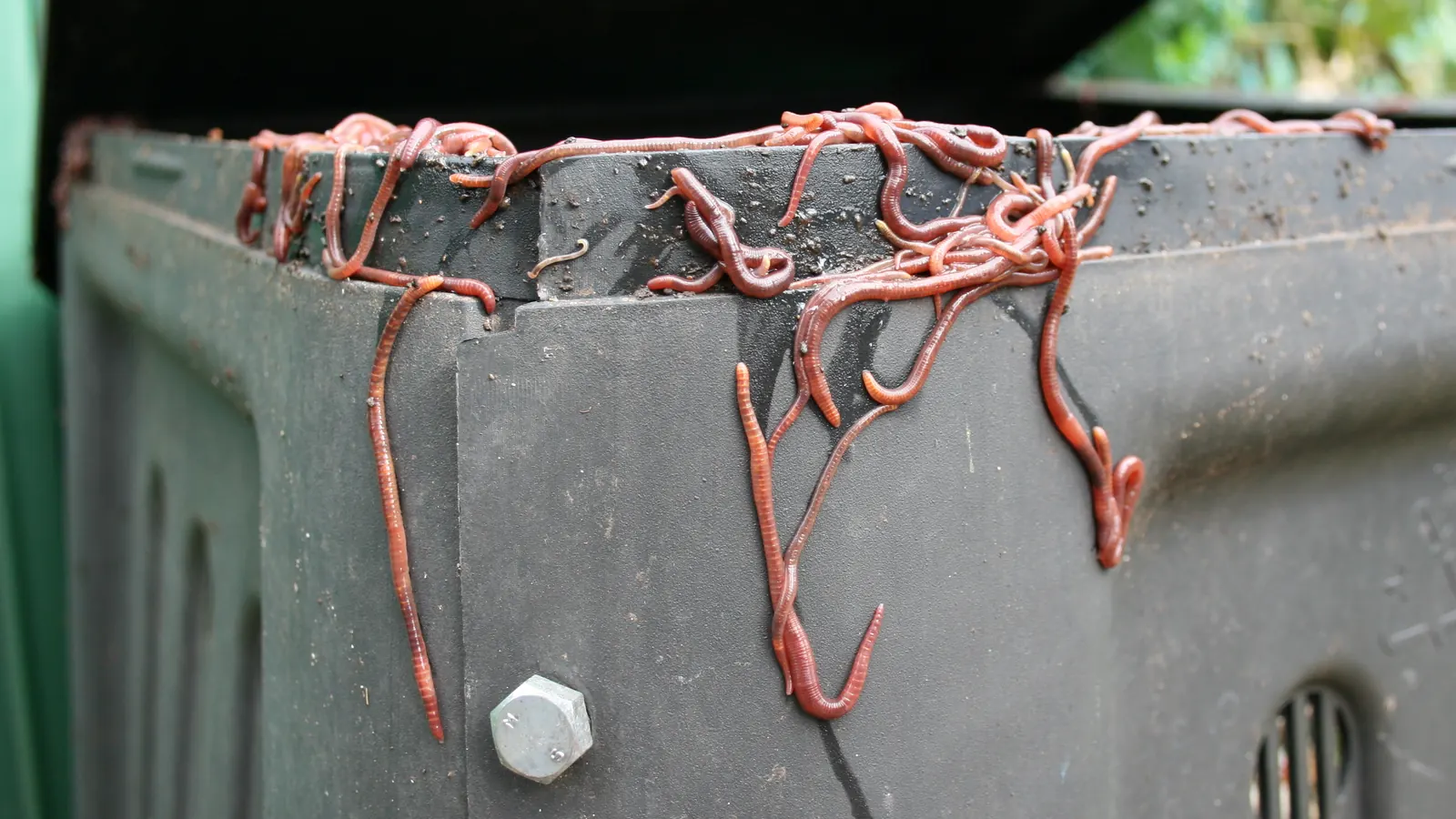
Open bins handle the most material but need space; tumblers are quicker to turn and suit small yards; worm farms handle kitchen scraps well and can live in a garage.
A small kitchen bucket and a big autumn leaf drop are different handling problems. Count what you will add, check the openings and pick a system you can empty easily.
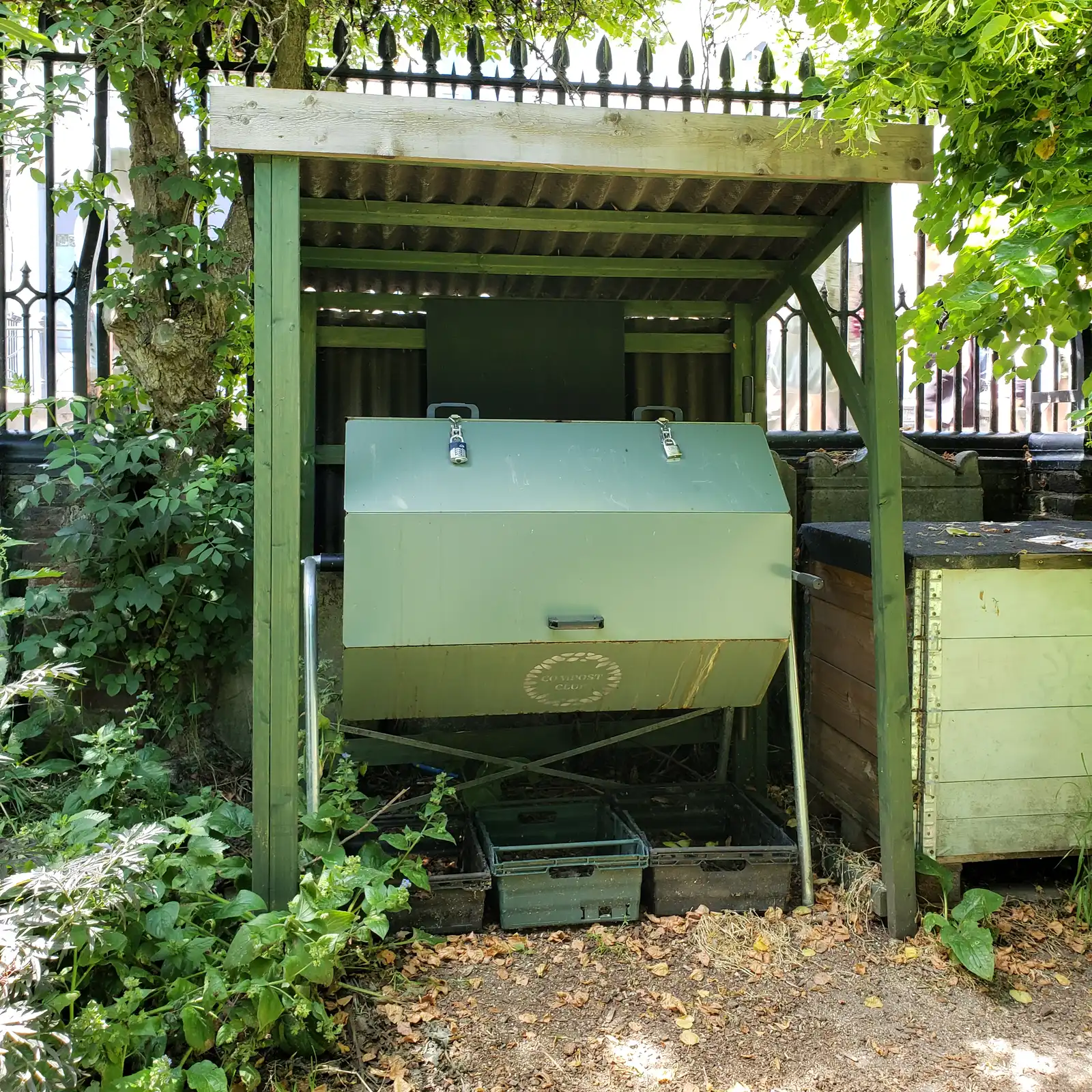
Ignore promised finishing times and follow one batch through the drum. Compare rotation, loading and unloading space, and whether one chamber or two suits how you add scraps.
4-minute read
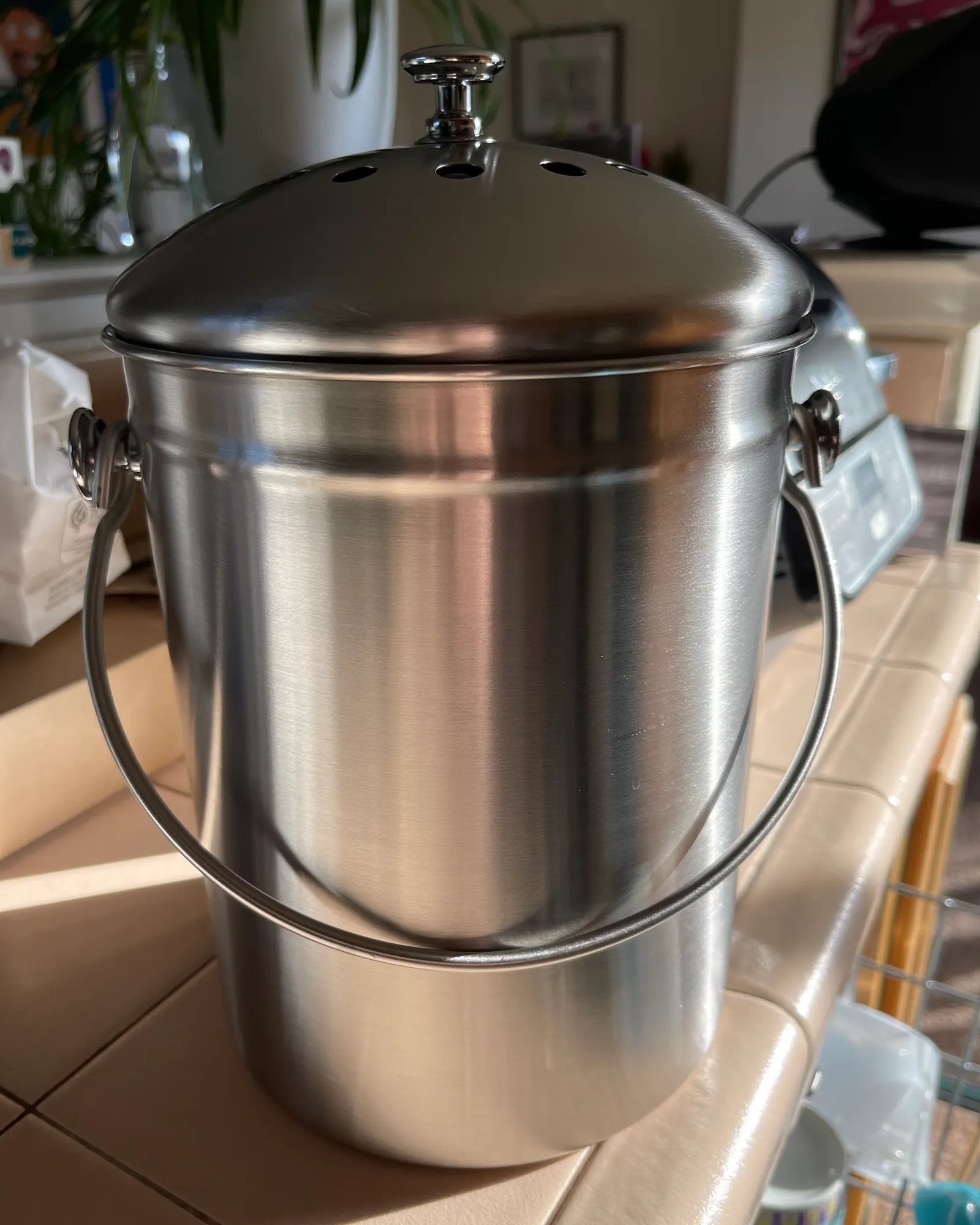
A countertop caddy collects scraps; an electric unit processes them and creates a second job. Decide where the contents will go before choosing either.
4-minute read
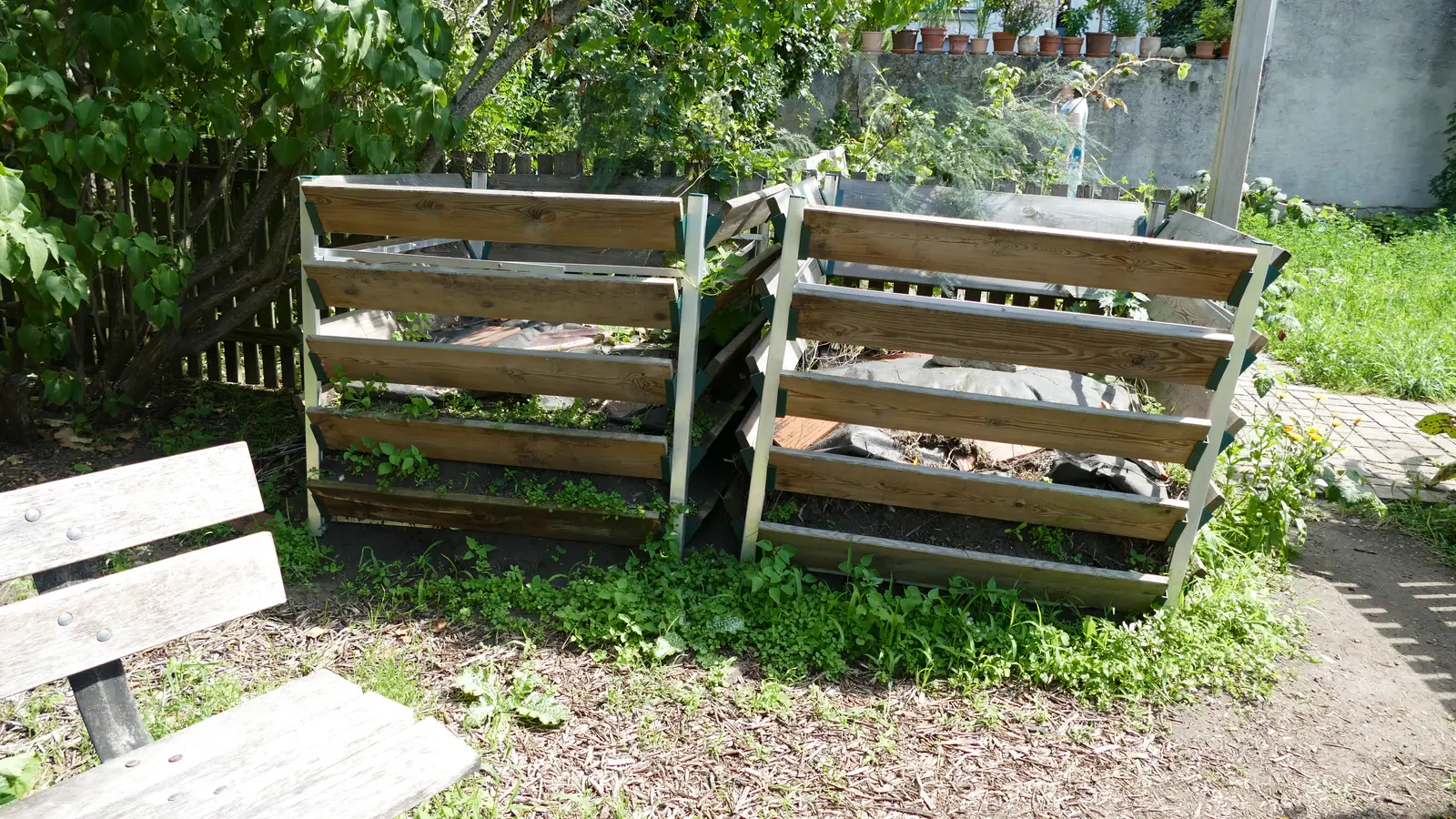
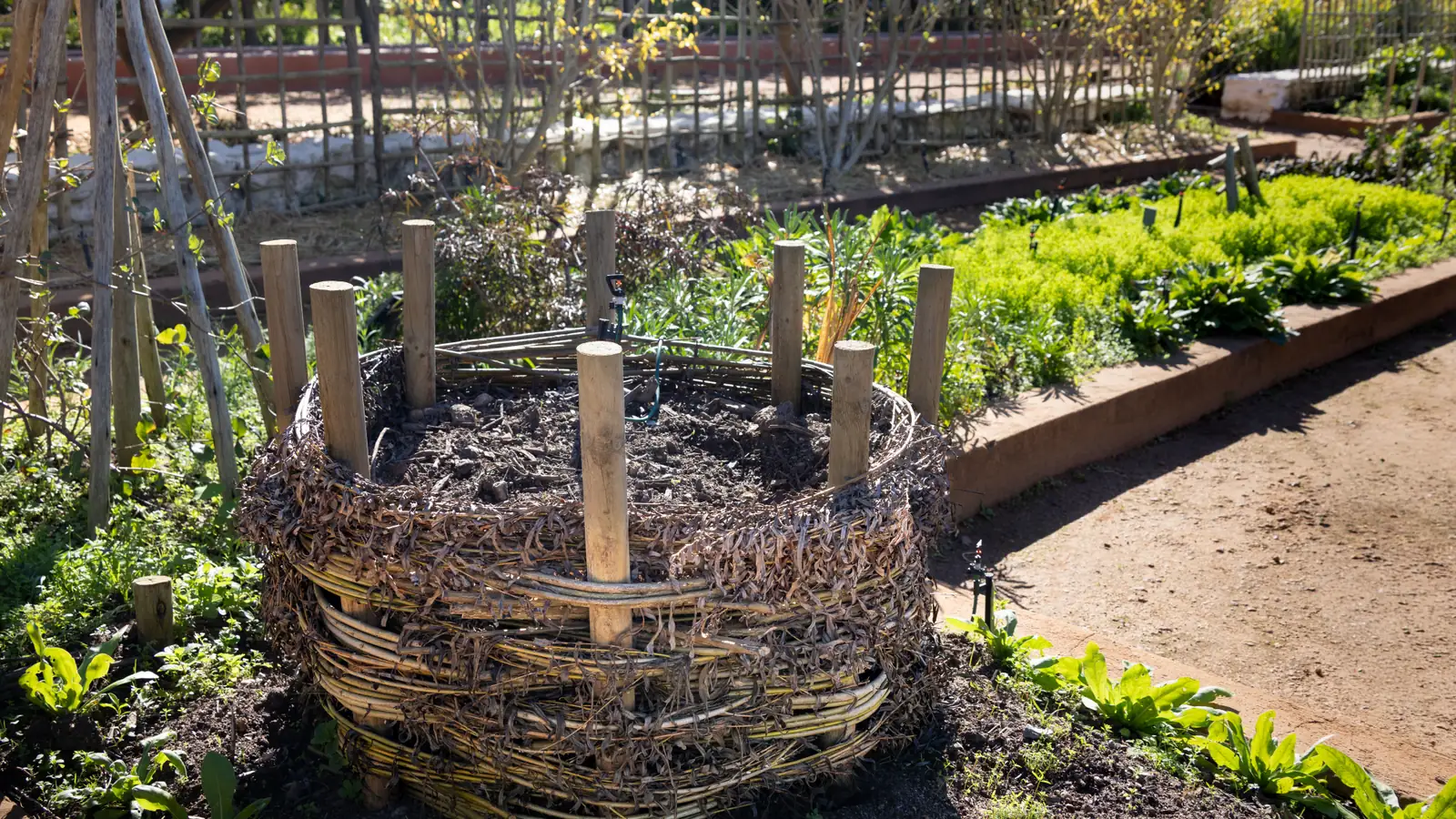
For a first yard-waste bin, a simple wire cylinder does the job. When regular large batches justify a wooden bay system, and why food scraps need a separate pest decision.
5-minute read
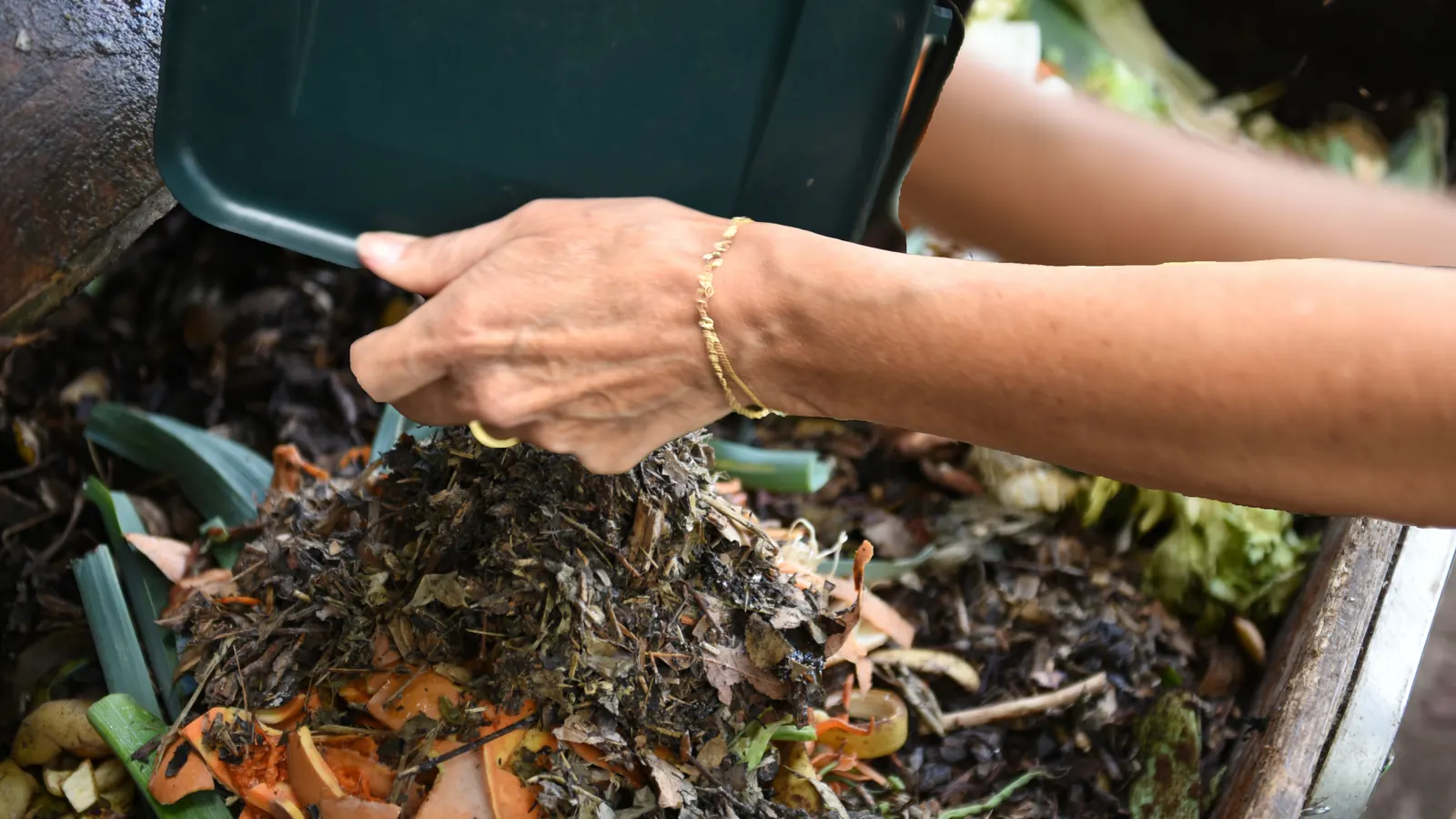
Keep dry leaves next to the bin, mix them with fruit and vegetable scraps, keep it damp and airy, then let a batch finish. A first backyard system you can manage week to week.
6-minute read
A worm bin fits where a backyard pile cannot, but it is a small living system that needs steady care. Set up the bin and bedding, feed only what disappears and harvest without losing the worms.
6-minute read