Citrus Tree Fertilizer: NPK Ratios, How Much and When to Apply
A bag labeled citrus does not tell you how much your tree needs. Read the three numbers, follow your regional schedule and turn the recommended nitrogen into a measured amount.
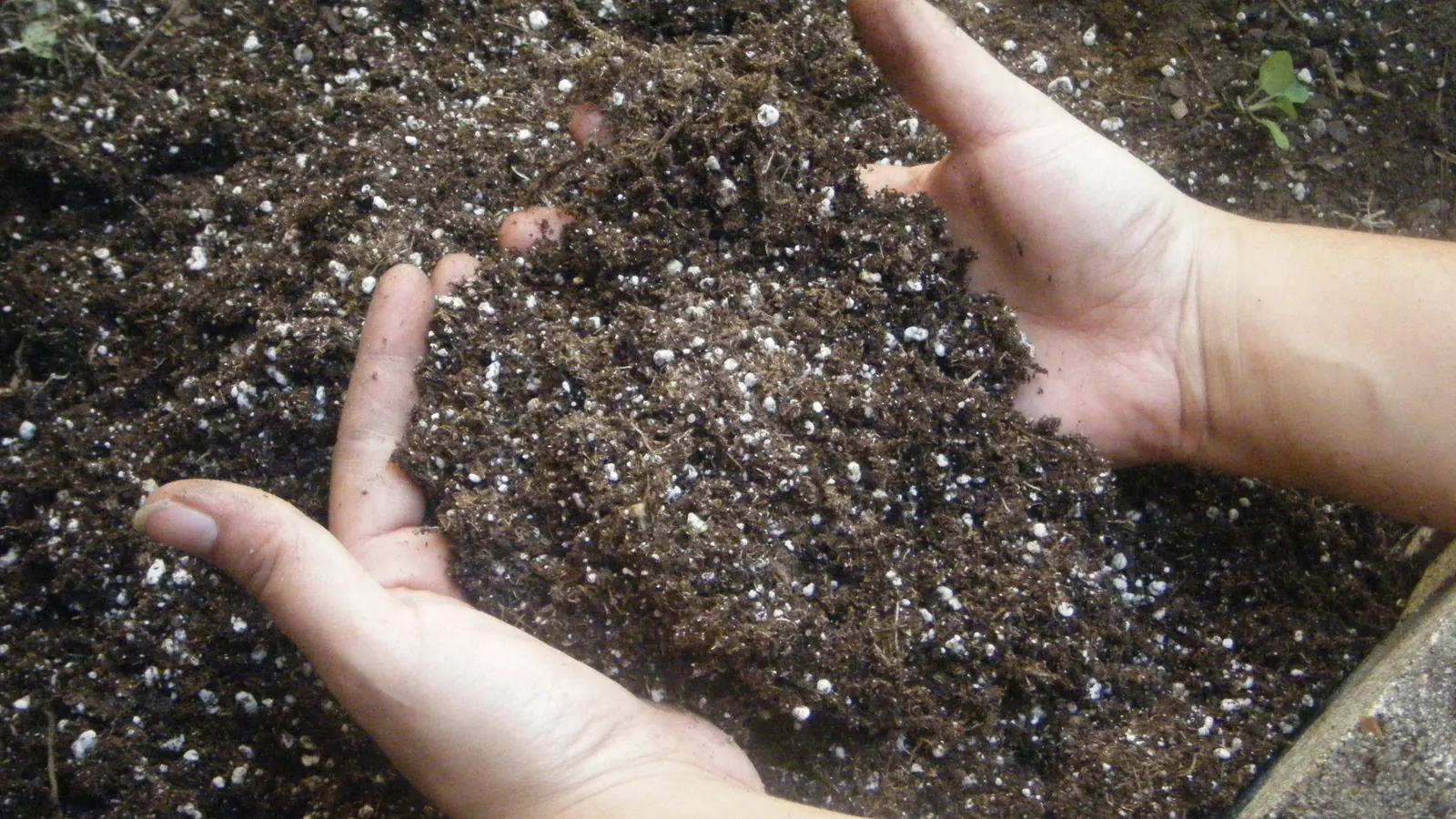
Potting mix is made for containers and drains too fast for beds. Raised-bed blends and compost improve beds; fertilizer fills a measured gap, ideally one a soil test has identified.
A bag labeled citrus does not tell you how much your tree needs. Read the three numbers, follow your regional schedule and turn the recommended nitrogen into a measured amount.
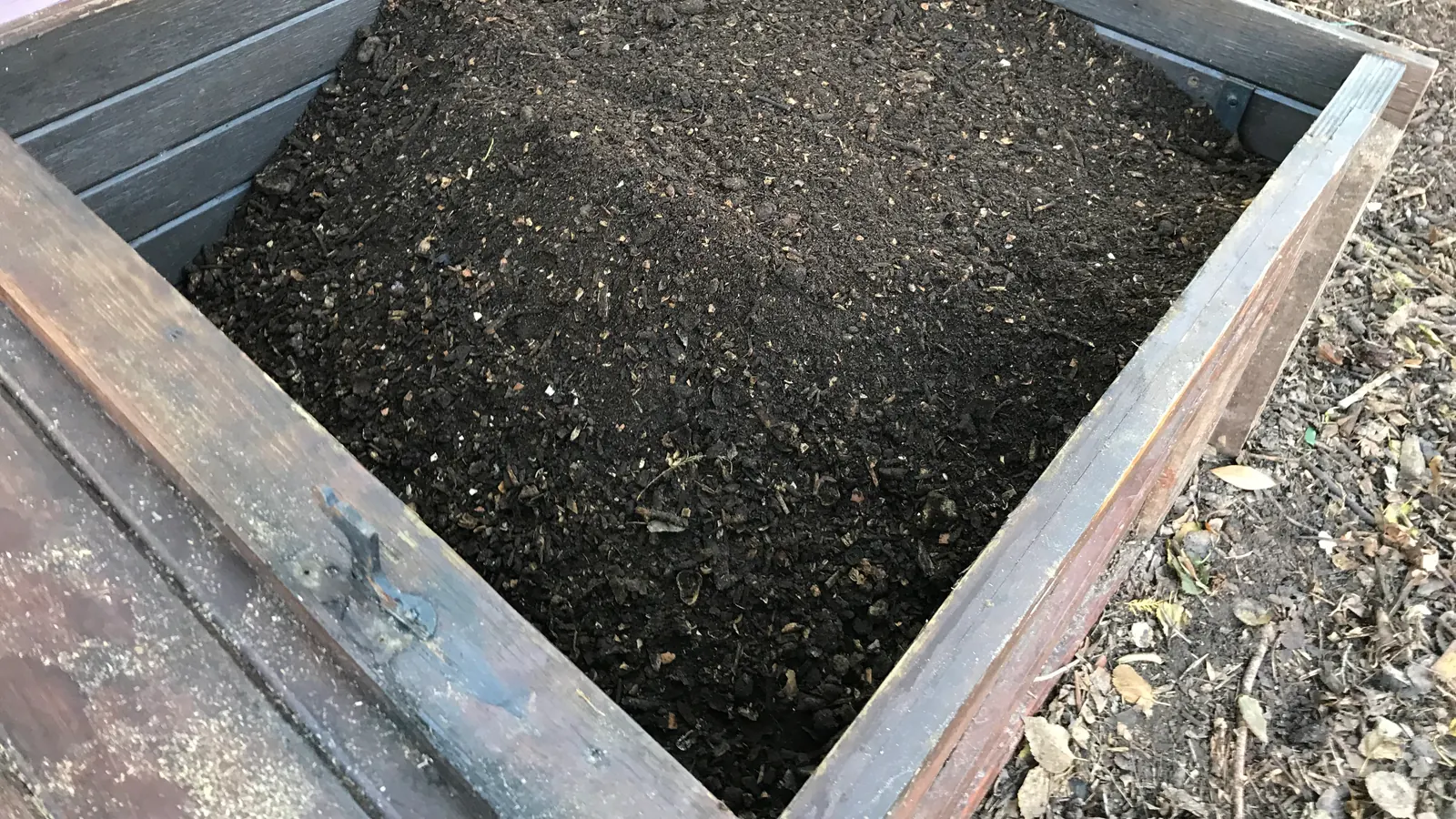
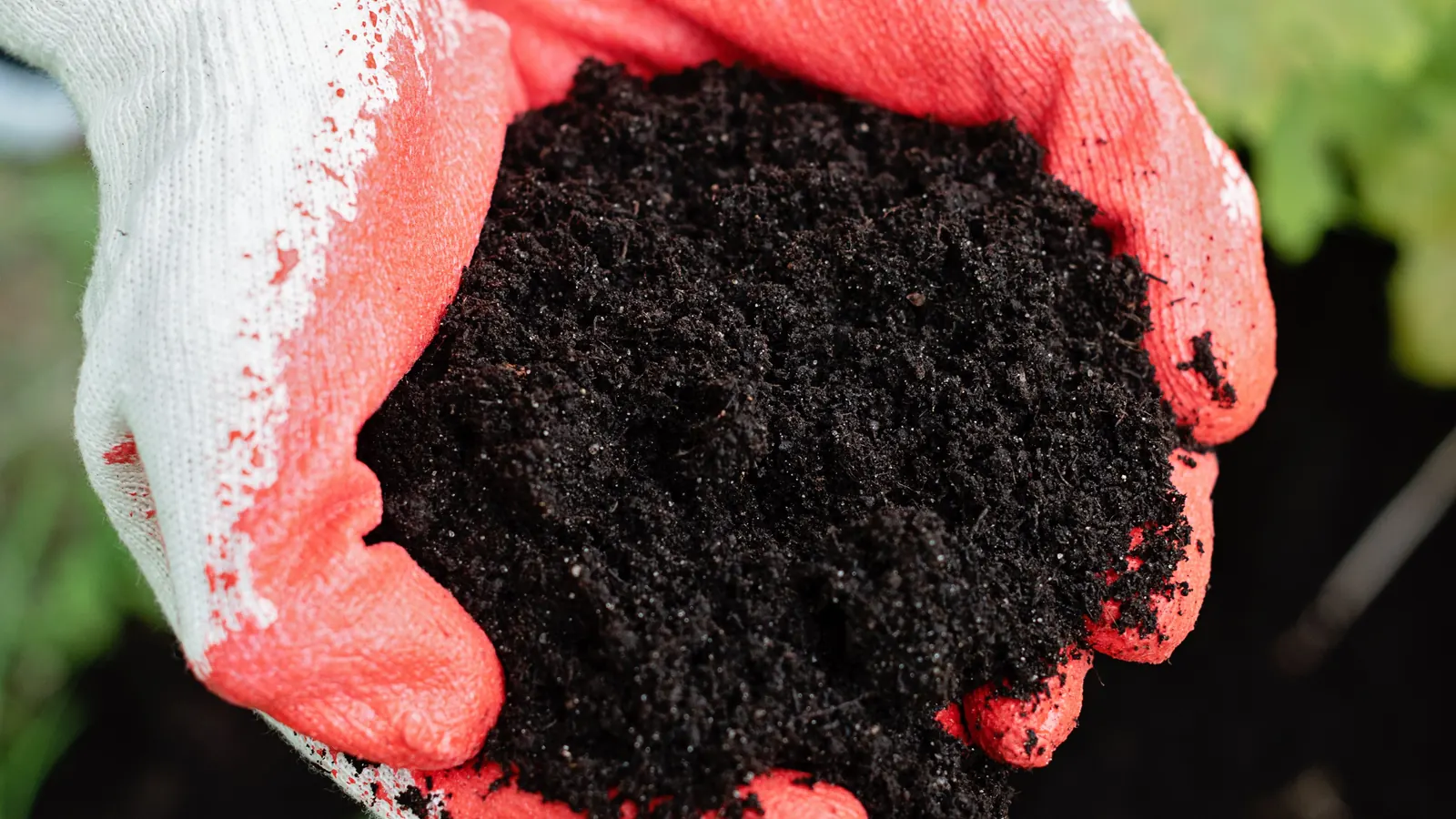
Compost improves soil; it is not soil. How it differs from topsoil and potting mix, how to judge finished material and how much to buy for the area you are covering.
5-minute read
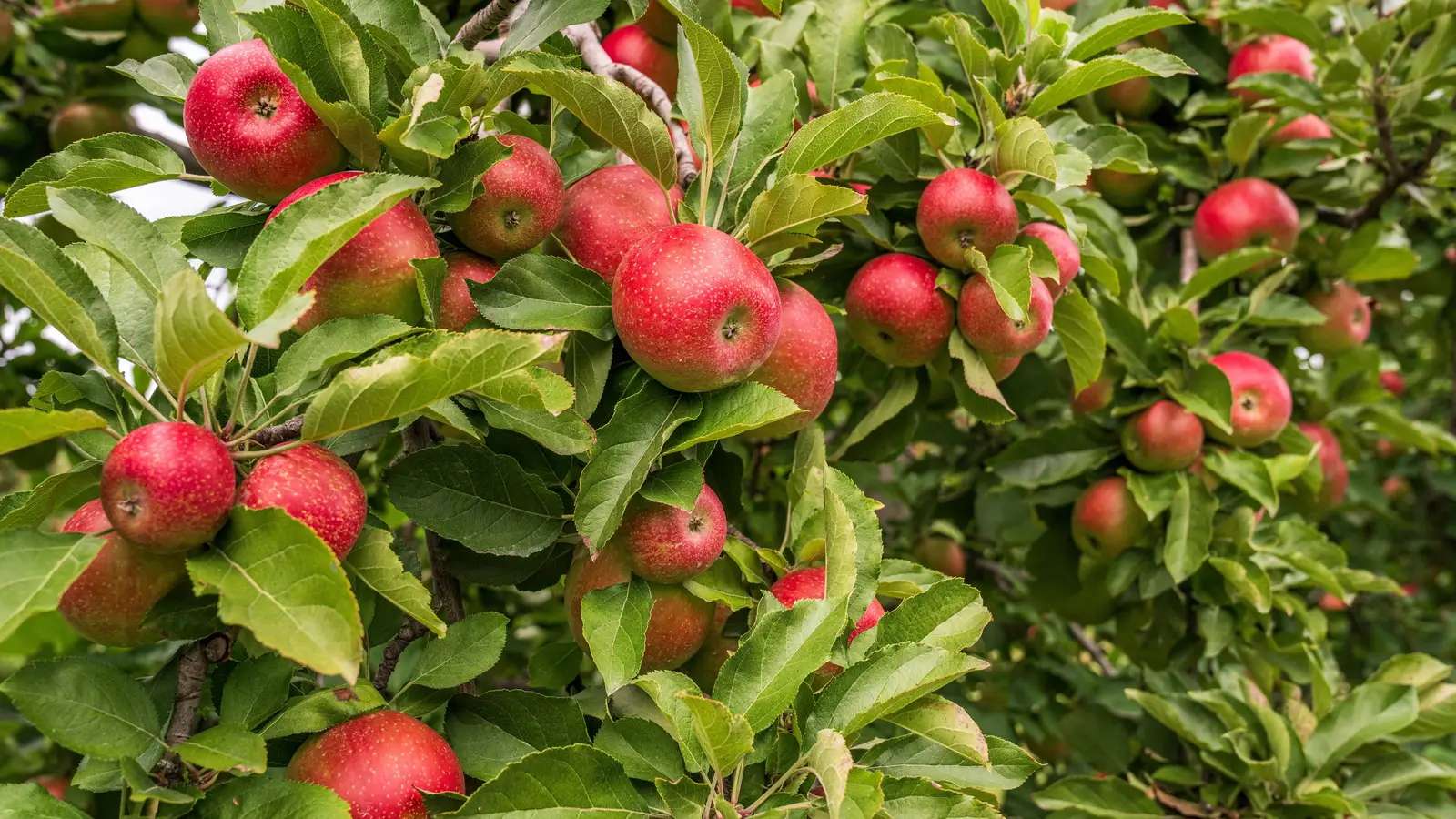
A bag with fruit on it does not say the nutrients suit your soil. Start with what the tree needs, read the numbers and treat apples, pears and stone fruit as separate decisions.
7-minute read
You do not need a timber frame, a truckload of soil or a different flower in every gap. Start with a border you can water and weed, clear what is growing there and plant for the site.
5-minute read
A practical plan for thin grass: identify the lawn type, check soil and shade, improve mowing and watering, and repair bare areas at the right season.
6-minute read
Liquid iron can green up a lawn that cannot get enough usable iron. It will not fix bare patches. Find the cause of yellowing first, then choose foliar or soil treatment and avoid stains.
5-minute read
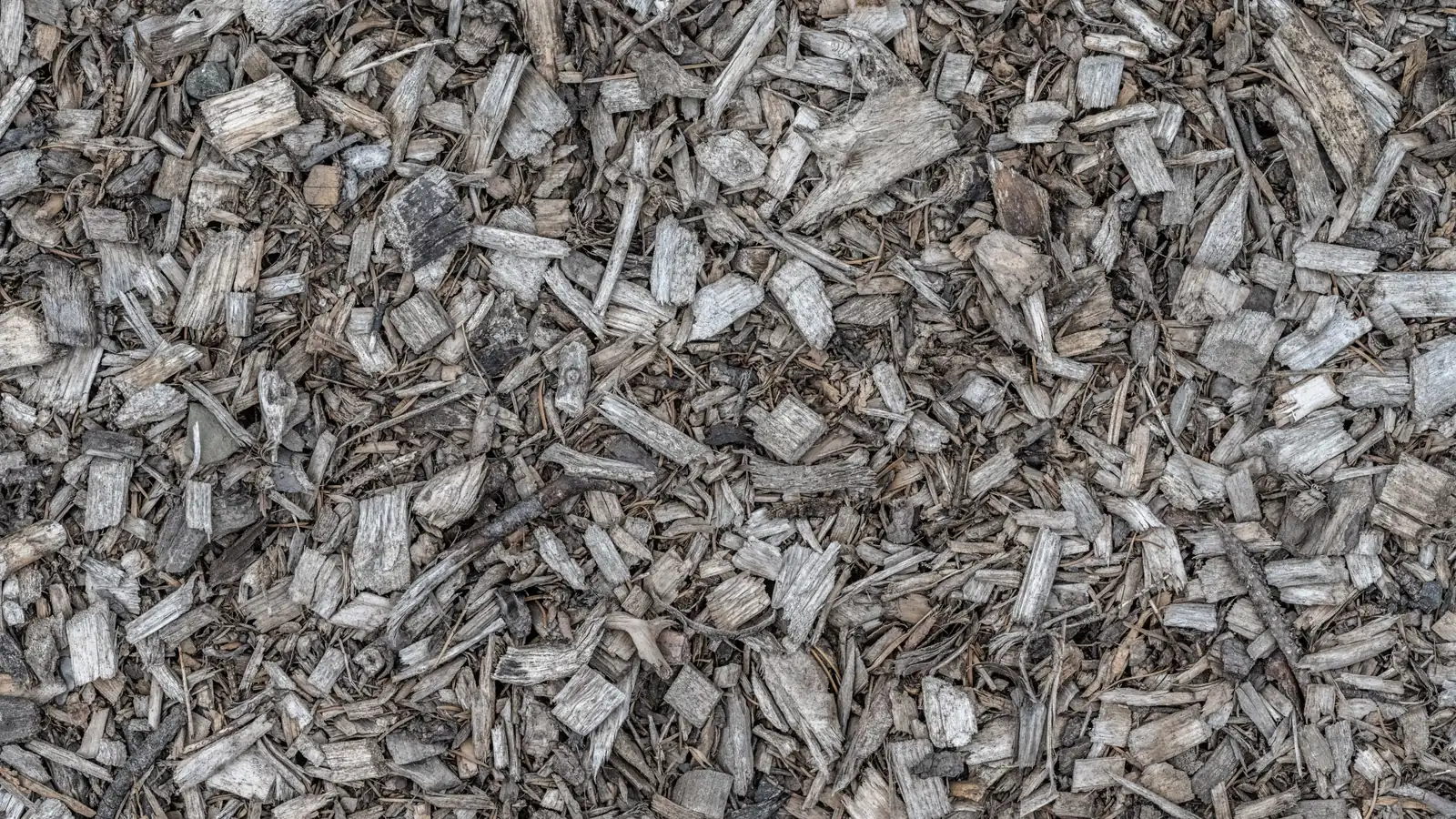
Bark suits an established perennial bed; a softer, short-lived mulch suits a bed you replant often. Match the material to the bed's yearly work, then set the depth and quantity.
5-minute read
The best mix for a pot of annuals is not the right one for orchids or a seed tray. Check the bag is for containers, read what the ingredients do and what fertilizer is already in it.
5-minute read
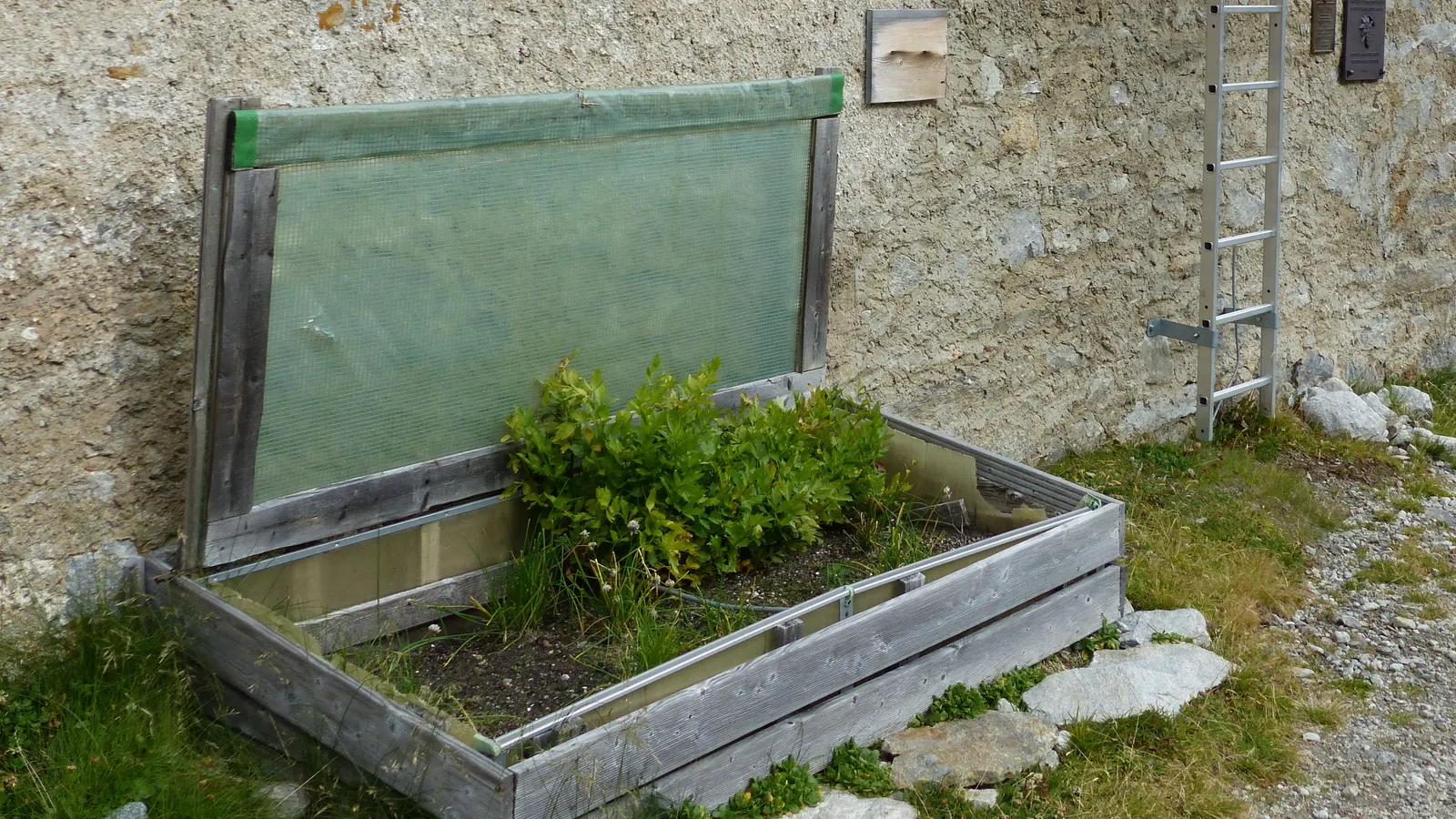
Mesh keeps out insects, row cover adds a little warmth, a clear lid makes a cold frame and shade cloth cuts sun. Pick the problem, then plan supports, ventilation and access.
6-minute read
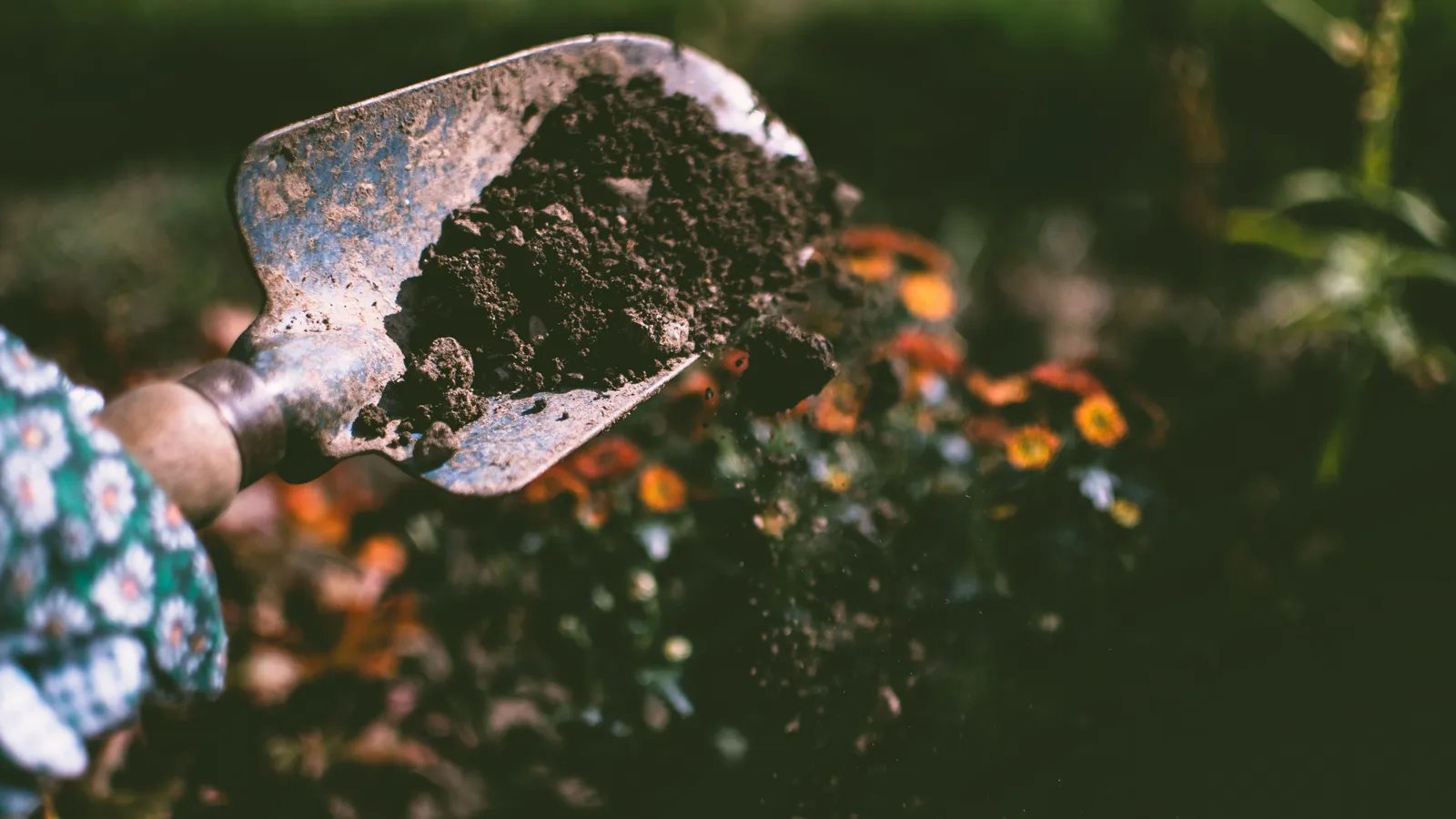
For a bed open to the ground, good topsoil plus compost is a solid start. Check the soil already under the bed, calculate volume in the same units and test before adding amendments.
5-minute read
Assess garden soil texture, drainage and fertility, take a useful soil sample and choose changes that address the actual problem in an in-ground bed.
5-minute read
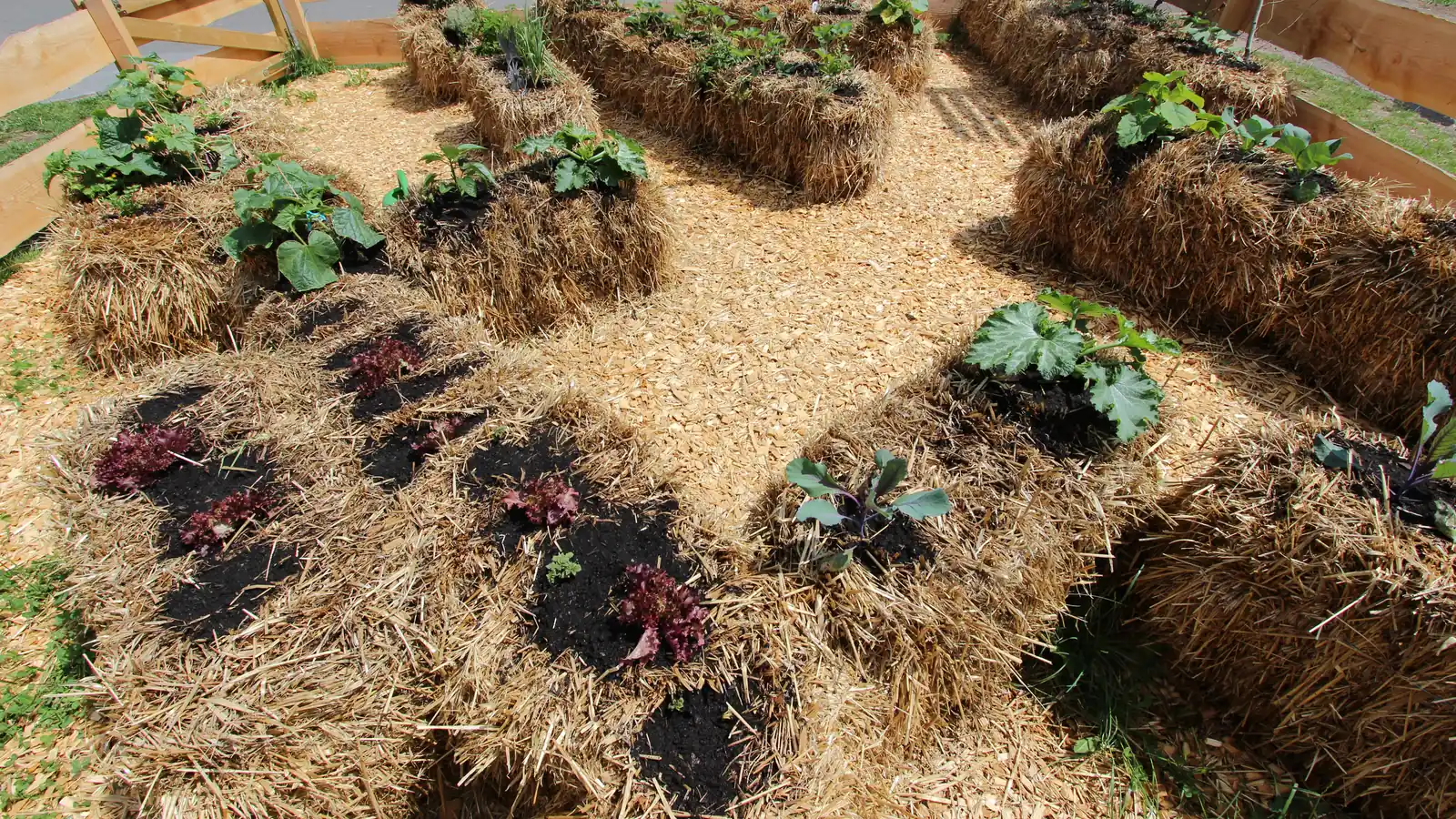
Straw bale gardening grows plants in a conditioned bale, which helps where digging is hard. It still needs a good site, clean straw, steady watering and a readiness check, not just a date.
7-minute read
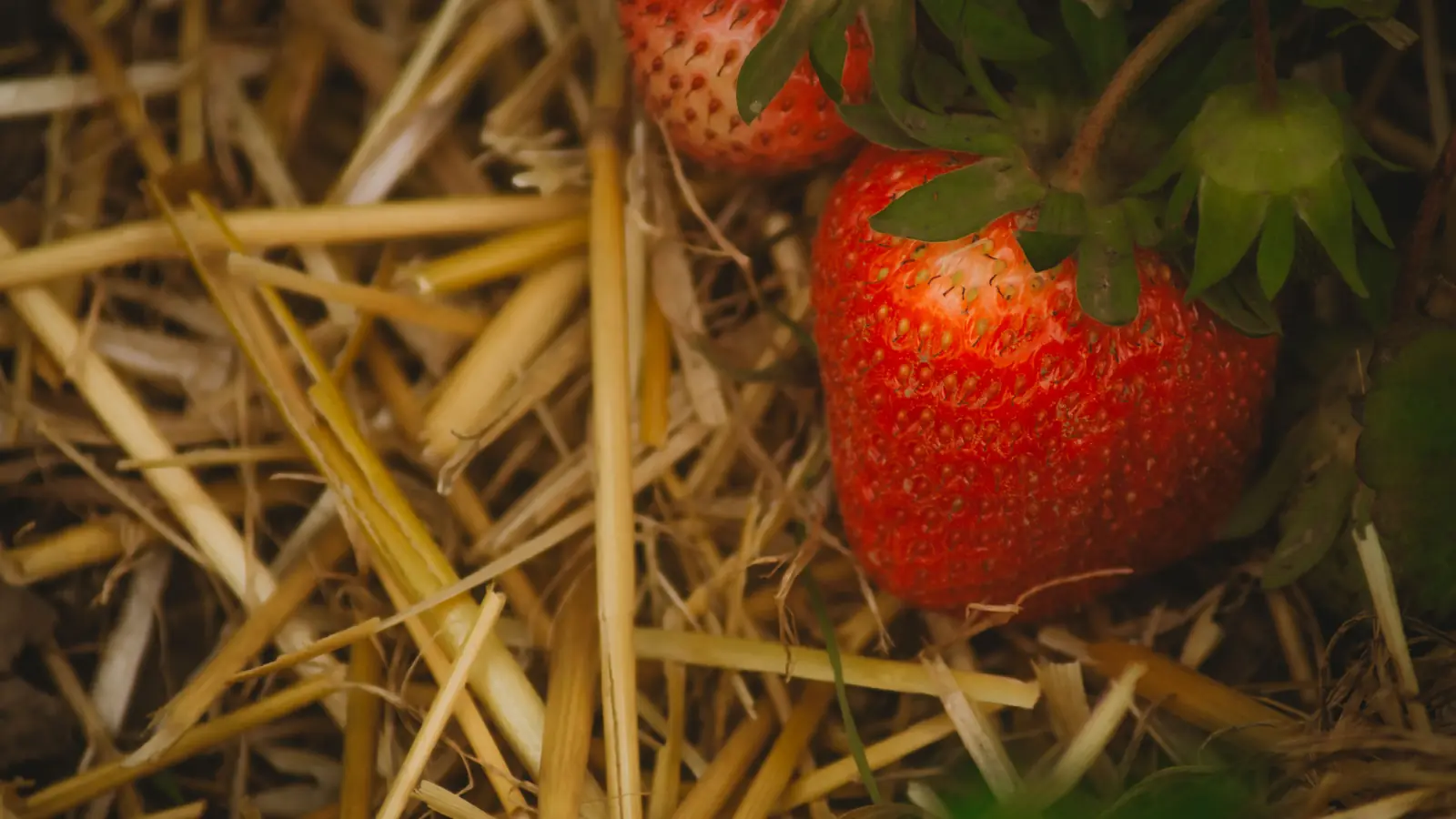
Straw shades the soil, holds moisture and keeps vegetables off the dirt, if it is clean straw and not seedy hay. Prepare the bed, spread it, then watch how it settles.
6-minute read
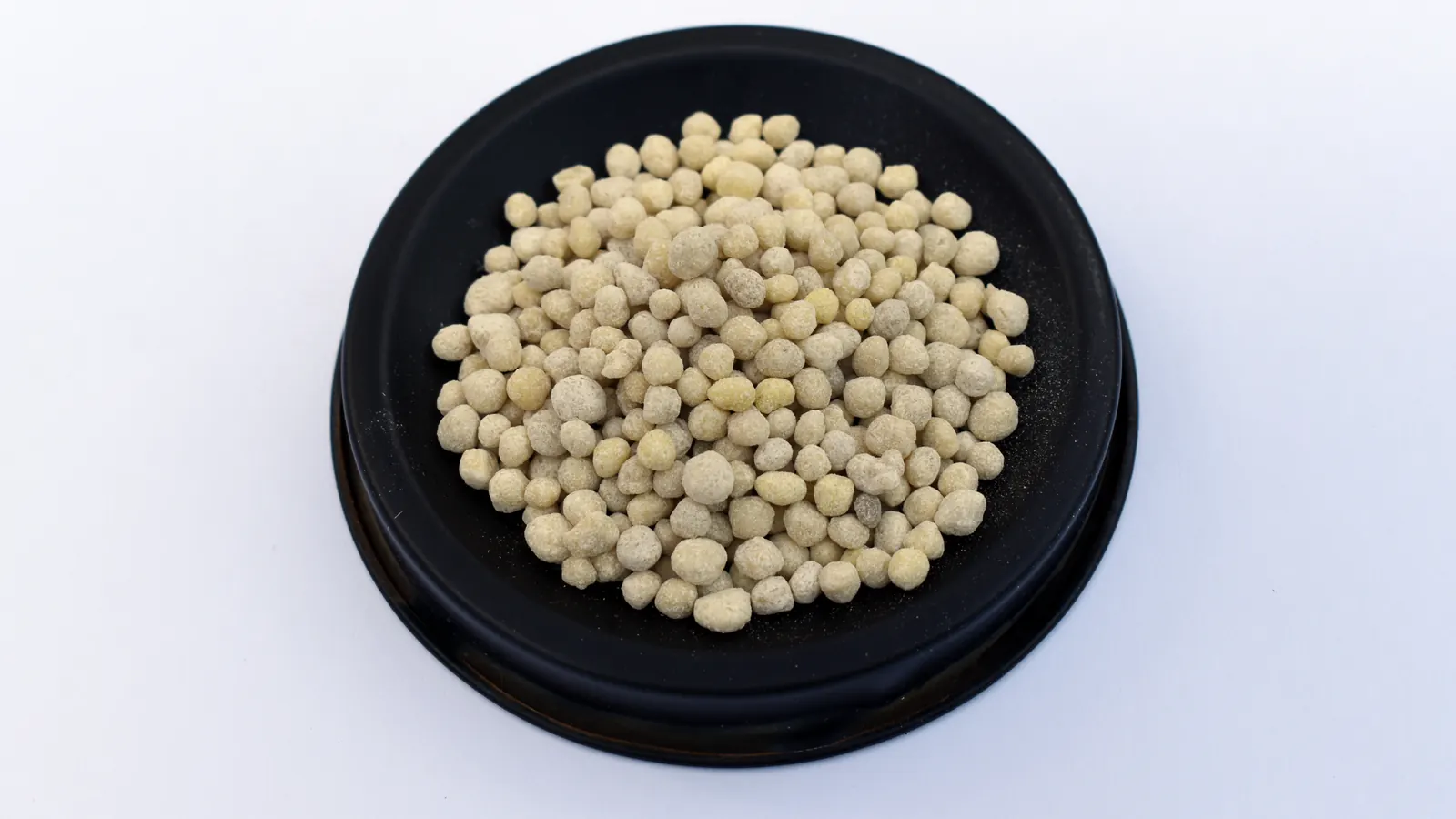
Decode fertilizer grade, distinguish phosphate and potash from elemental nutrients, and calculate the contents of a bag without confusing analysis with application rate.
3-minute read
When to fertilize your lawn: feed cool-season grass mostly in late summer and fall, warm-season grass only after spring green-up. Calendar and rates.
6-minute read
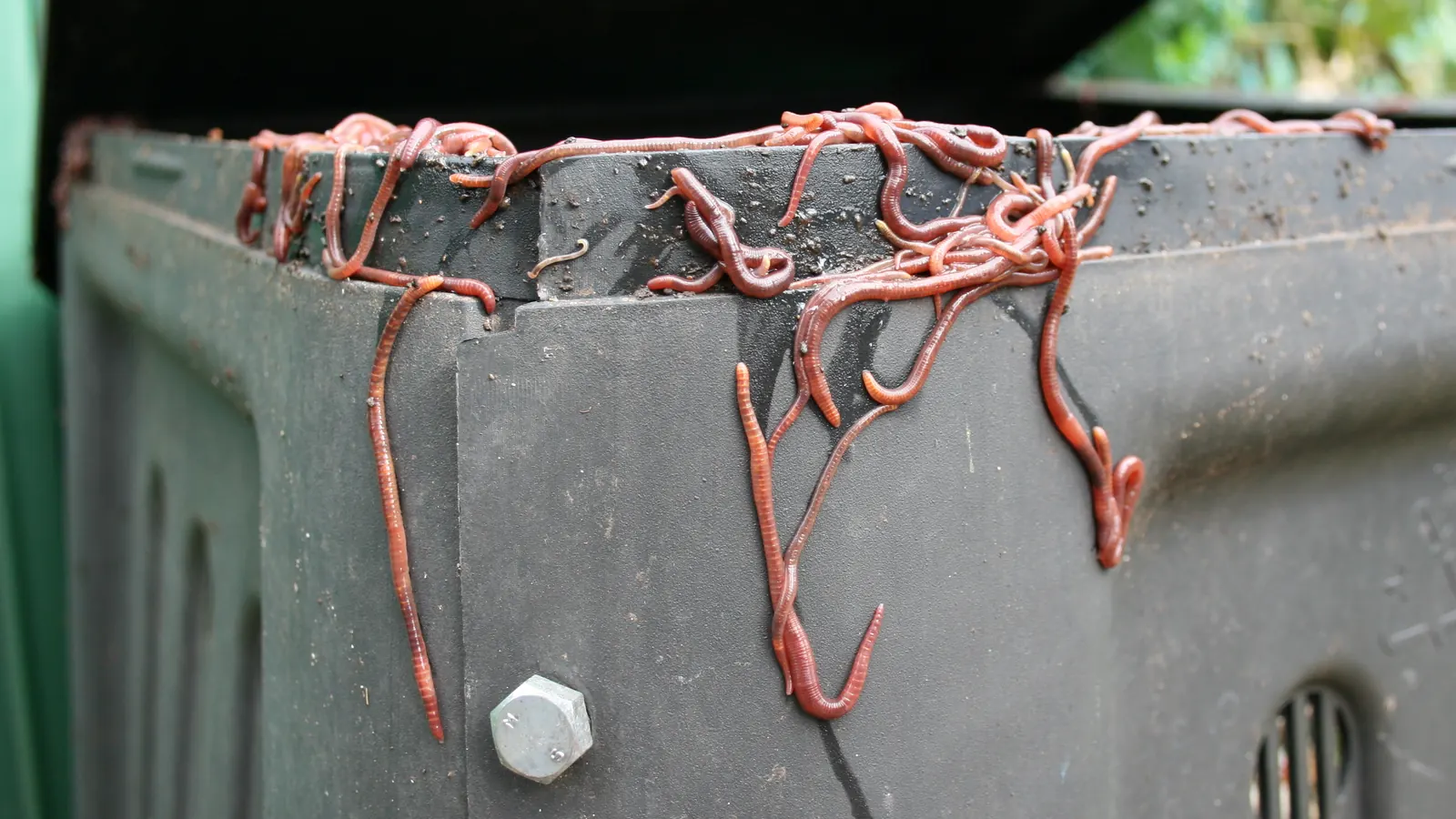
A worm bin fits where a backyard pile cannot, but it is a small living system that needs steady care. Set up the bin and bedding, feed only what disappears and harvest without losing the worms.
6-minute read