Raised Bed Covers: Choose for Frost, Insects, Heat or Birds
Mesh keeps out insects, row cover adds a little warmth, a clear lid makes a cold frame and shade cloth cuts sun. Pick the problem, then plan supports, ventilation and access.
By GardenHelmPublished 6-minute readMore in Raised Garden Beds
In this guide
Row cover buys a few degrees, not a different climate. University of Maryland Extension grades the fabric by weight: lightweight (about 0.45 ounce per square yard) passes 90 to 95 percent of light and gives about 2°F of frost protection, medium (0.5 to 1.0 ounce) passes 70 to 85 percent and gives 4 to 6°F, and heavy (1.5 to 2.2 ounces) passes only 30 to 50 percent and gives up to 8°F. University of Maryland Extension, row covers Those figures come from one extension service, and product labels vary, so use them to rank fabrics against each other.
That trade between warmth and light is the first thing to settle, because a raised bed cover can do five different jobs and no single material does all of them. Fine mesh keeps insects off, row-cover fabric adds a little warmth, a clear lid makes a cold frame, shade cloth cuts sun, and bird netting guards fruit. Write down what you want to exclude or change, which crop is underneath and how you will open the bed. A cover that suits early lettuce may need to come off a flowering squash, and a rigid lid that helps in a cool spring can cook plants on a sunny afternoon.
Frost and season extension
Maryland says lightweight cover can stay on crops such as beets, snap beans and salad greens from seeding to harvest, while medium and heavy grades suit spring, fall and overwintering crops. The University of Minnesota’s season-extension guidance lays out the same weight, light and temperature trade. A heavy fabric that protects tomato transplants through a cold snap is the wrong thing to leave over growing seedlings for weeks.
Support matters once the fabric gets heavier. Maryland describes low tunnels with hoops 15 to 30 inches high spaced 2 to 4 feet apart, and recommends a frame for medium and heavy covers. One option is #9 gauge wire cut into 7-foot lengths, pushed about 8 inches into the soil to make an arch roughly 3 feet wide and 2 feet tall. Another is 1/2- or 3/4-inch PVC slid over rebar stakes. Secure the edges and both ends with sod pins, boards, bricks, sandbags or soil. For pest exclusion Maryland says to hold the cover tight to the ground, and to install it soon after planting.
Lightweight covers can also rest directly on the crop, which suits low plants, though a frame gives growing clearance and makes opening easier. Whatever you buy, a light cover will not carry accumulated snow or shrug off severe wind, so plan how it comes off or is stored before the weather turns. Pin the edges so no sharp ends or loose cords end up in the walking route.
Measure the covered space
A listing that says “fits a 4-by-8 bed” leaves questions: frame footprint, fabric length or usable growing space? Measure the outside length and width including corner posts, the inside growing area, the height of the tallest crop, the space beside the bed for opening a lid or folding fabric, and where supports can attach without weakening the wall or blocking irrigation. For a hoop cover, run a flexible tape over a trial hoop from one attachment point to the other, because the fabric must follow the arc with extra for fastening and closed ends. Straight bed width is too little.
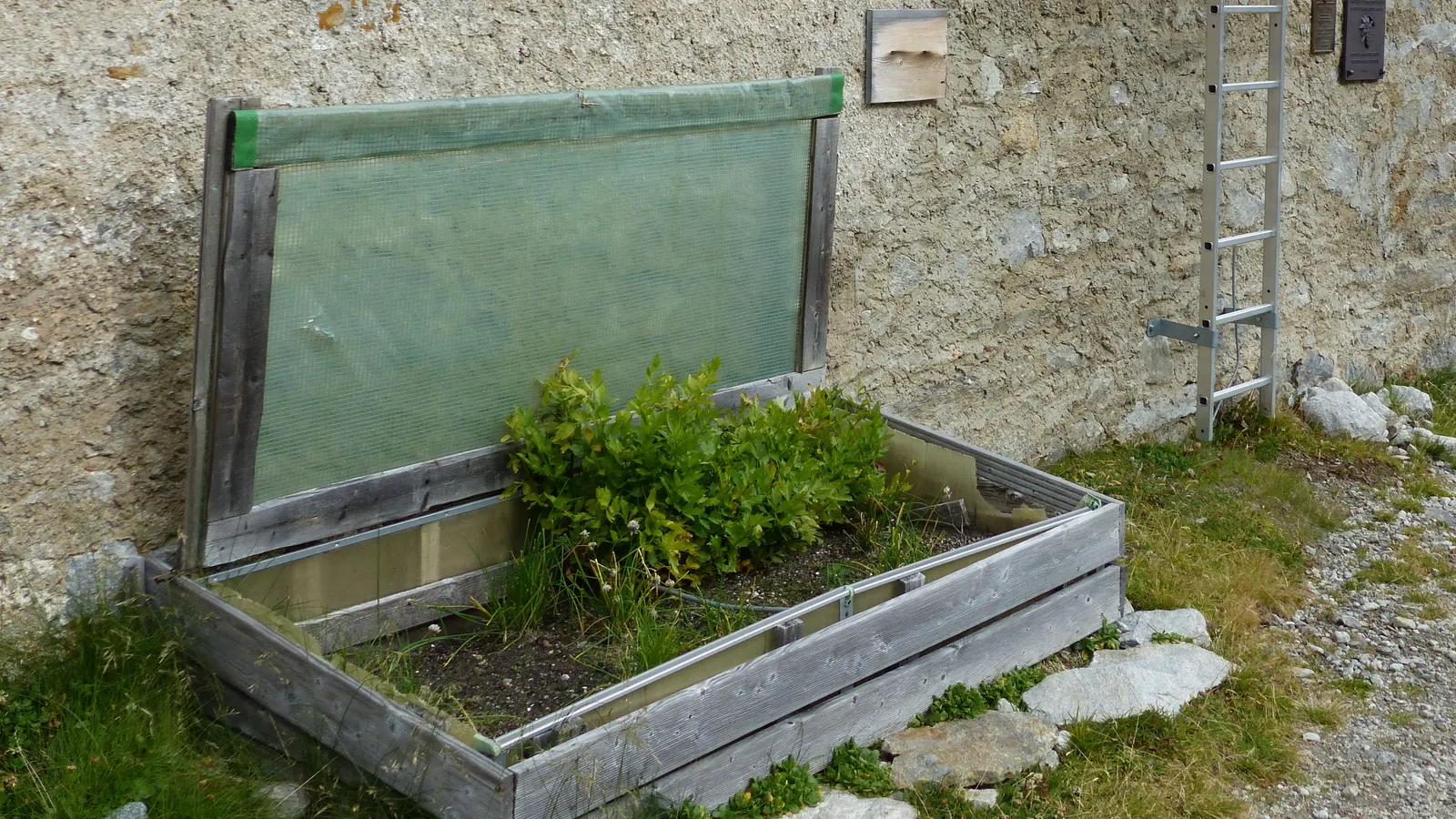
For a hinged lid, check the full swing against fences, overhanging plants and neighboring beds, and consider several smaller sections if one lid would be heavy to lift. Prop any open lid with a proper stay, never an improvised object that can slip while your arm is inside. A mock-up helps: place temporary hoops or outline the lid, then rehearse watering, harvesting and removing a large plant, and check you can reach the far side without leaning on the frame.
Clear covers and the heat problem
Oregon State’s guide to a raised-bed cloche, a framed clear-plastic tunnel, warns that a closed cloche can overheat. On a sunny day it suggests cutting open and leaving open the top 6 to 12 inches of each end for ventilation, and it says even near the coast a warm day can push the temperature inside to 100°F. Oregon State Extension, how to build your own raised-bed cloche Its dimensions are a project example for the Pacific Northwest, and your own bed and climate may call for a different frame.
Put a thermometer at crop level and read it rather than judging from the patio. Decide before you install who opens the cover when the weather turns; a design that needs adjusting several times a day is a poor fit if nobody is home. An automatic vent opener helps only when it matches the lid and works within its specified range, and wind or a half-closed cover can still change the airflow. The University of Missouri’s cold-frame guide separates an unheated cold frame from a heated hotbed, and a translucent lid widens your options without making every crop safe through every winter.
In summer, Maryland says temperatures under cover can run 5 to 15°F above the outside air, and bean, tomato and pepper flowers may drop when daytime highs exceed 90°F. Watch for heat stress under any cover left on in warm weather.
Insects, birds and pollination
An insect cover has to be in place before the pest arrives, with edges and openings handled consistently, and plants should be inspected first, since sealing pests inside gives them protection too. Choose mesh against a named pest, with its actual opening size and crop guidance, and inspect seams, corners and the opening you use for watering. Maryland describes insect netting as a see-through polyethylene fabric that passes about 80 percent of light, and says to install it over a support frame; it is the summer option when row cover would overheat plants. The University of Connecticut’s vegetable adaptation guidance likewise describes netting as an alternative where the added warmth of conventional row cover is unwanted.
Whether a cover must come off at flowering depends on the crop. Maryland says crops that do not need insect pollination, such as spring leafy greens and green beans, can stay covered until harvest. Minnesota’s vegetable pollination requirements list exceptions, including parthenocarpic cucumber varieties, so check the crop and variety. If opening one side would expose several crops at once, separate covered sections are easier to manage.
For birds going after fruit, use bird-exclusion mesh on a secure frame, installed taut and checked often, since loose netting can tangle in the walking route and trap wildlife.
Shade cloth, winter soil and storage
Shade cloth manages light. Maryland suggests 30 percent shade cloth as a balance between heat reduction and enough light, most effective when the sides sit 1 to 3 feet off the ground, and Maryland also discusses shade and vegetable pollination during heat alongside watering. Check how much direct sun the bed already gets before adding more shade. Keep the cloth supported so plants have clearance, with attachment points that make removal easy.
Covering bare winter soil is a different goal from keeping a crop growing. Mulch, cover crops and a weather barrier do not substitute for a ventilated enclosure, so decide whether you are protecting a plant, managing the soil surface or keeping debris out of an unused bed. If you are still planning the bed itself, settle its location and access using our raised garden bed basics first.
A cover you will operate reliably beats a cleverer one you will not, so keep the opening side accessible and store clips where you can find them. At the end of the season, clean and dry the material as its instructions require, check seams and clips for damage, and store it out of the weather. Torn seams are easier to mend before the next cold night than during it.
A kit brings supports and attachments designed to fit, while a homemade cover suits an odd bed but leaves strength and the opening method to you. Either way, plan on changing fabrics through the year: row cover for spring frost, mesh for insects, 30 percent shade cloth for August heat.
Written from manufacturer and retailer information and general garden practice. GardenHelm has not physically tested the products discussed here. How we choose products