Topsoil for Raised Beds: Choose a Mix That Fits Your Garden
For a bed open to the ground, good topsoil plus compost is a solid start. Check the soil already under the bed, calculate volume in the same units and test before adding amendments.
By GardenHelmPublished 5-minute readMore in Raised Garden Beds
In this guide
A 4-by-8-foot bed filled 12 inches deep takes 32 cubic feet of material, about 1.19 cubic yards. Work that figure out before you phone a soil yard, because the next question, what goes in those 32 feet, has several defensible answers depending on what is under the bed.
Pick the recipe by what the bed sits on
Extension services give different mixes because they start from different situations. Maryland’s raised-bed guide is the clearest about this:
- Bed on decent garden soil: organic matter at 25% to 50% by volume (5% to 15% by weight on a lab report), worked into the existing soil. You may need very little imported material.
- Bed on compacted or poor soil: compost and purchased topsoil at 1:2 or 1:1, or a 1:1 mix of compost and soilless growing media, spread at least 8 inches deep over the existing soil.
- Bed on pavement or concrete: compost and soilless mix at 1:1, with topsoil up to 20% of the volume in beds at least 16 inches deep.
Iowa State Extension offers two more for open beds: equal parts topsoil, organic matter and coarse sand, or roughly 70% topsoil and 30% compost. It stresses that topsoil must be free of soil-borne pathogens and contaminants such as lead and pesticides, and that compost must be mature and not too salty. Rutgers favors native mineral soil with small amounts of clean, well-rotted compost for permanent beds, and cautions against organic matter above 10% for general garden use.
Maine adds that the primary fill should be mineral soil, not potting soil, so a bag of potting mix is a poor main ingredient for an open bed, and compost alone is not a balanced fill either. These recipes do not conflict. Pick the one that matches your bed. If a bagged “raised bed mix” is already compost-heavy, adding compost on top changes the blend, so read the ingredient list first. For a planter with a bottom, a reservoir or a self-watering system, use the maker’s medium and load guidance, because a heavy mineral blend that suits an open bed may drain badly or weigh too much there.
Turning a recipe into a delivery order
Multiply length by width by fill depth, all in feet, then divide cubic feet by 27 for cubic yards. For the 4-by-8 bed:
| Fill depth | Volume | Cubic yards |
|---|---|---|
| 6 inches | 16 cu ft | 0.59 |
| 8 inches | 21.3 cu ft | 0.79 |
| 12 inches | 32 cu ft | 1.19 |
A 70/30 blend at 12 inches works out to about 22.4 cubic feet of topsoil and 9.6 of compost. A 1:1 compost and topsoil blend at 8 inches means about 10.7 cubic feet of each. For bags, divide the cubic feet you need by the volume printed on one bag and round up; compare price per cubic foot, because bags that look alike differ in contents.
How deep to fill depends on the crop. Maryland puts leafy greens, beans and cucumbers at 8 inches or more and peppers, tomatoes and squash at 12 to 24 inches, for beds on hard surfaces. Beds over open soil can be shallower than that because roots continue into the ground below.
Settling is where the recipe matters. Rutgers notes that mineral soils generally hold their volume after initial settling, while organic growing media shrink as they decompose and may need topping up, with high-organic products refreshed or replaced annually. A compost-heavy bed will sink more than a topsoil-heavy one, so the geometric volume is a starting point and the supplier can advise on a margin for their material.
Reading what the yard sells
University of Maine Extension says the primary fill should be mineral soil, usually sold as topsoil or loam, and that there are no standard guidelines for those names, so you need to look at the material and ask about its origin. Rutgers adds that manufactured topsoil has no legal specifications and advises asking suppliers for soil test reports.
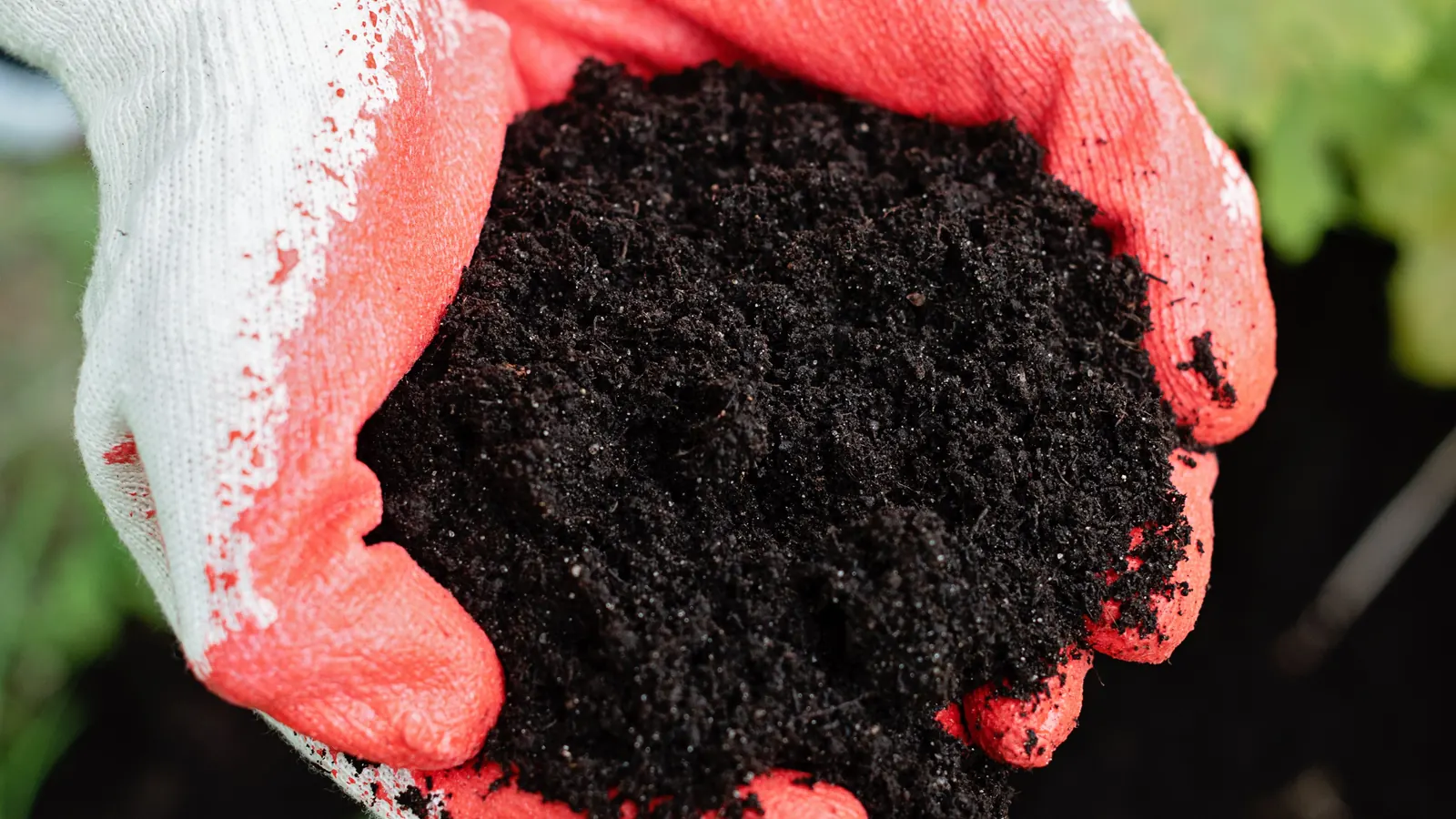
Ask to see the pile or sample that will be delivered, and ask where the soil came from, whether compost is already blended in and what went into it, whether it is screened, and whether recent test results exist. Rub a handful between your fingers: moderate drainage, in Maine’s wording, is something you can judge by feel. Dark color alone says little about balance. Fill dirt sold by the yard may be meant for grading and not for growing, so ask if it is a growing medium.
If contamination is a worry on the site, Rutgers recommends a minimum 12-inch depth of imported topsoil for root-zone volume and drainage when on-site soil is contaminated and edible crops need a barrier from it. A fertility test does not answer contamination questions, so get advice and testing first. Bulk delivery needs a drop spot and a route to the beds, so count steps, gates and slopes before you compare prices with bags.
Testing and topping up
Tell the lab the sample comes from a raised bed and what it is made of, then follow the interpretation instead of adding lime or fertilizer by habit. University of Minnesota Extension explains that excessive compost and manure build up nutrients and salts, which is why compost counts as an input when you read a test. If phosphorus runs high after several seasons of compost, ask the lab how to supply the remaining crop needs without more of it.
When the level drops, measure the gap. A bed 1 inch low needs about 2.7 cubic feet in the 4-by-8 footprint, which is far less than a refill. Water that sits in one corner points to the site or the bed’s drainage, which fresh topsoil on the surface will not fix.
Written from manufacturer and retailer information and general garden practice. GardenHelm has not physically tested the products discussed here. How we choose products