Straw Mulch for Vegetable Gardens: Choose Clean Material and Apply It Well
Straw shades the soil, holds moisture and keeps vegetables off the dirt, if it is clean straw and not seedy hay. Prepare the bed, spread it, then watch how it settles.
By GardenHelmPublished 6-minute readMore in Soil & Fertilizer
In this guide
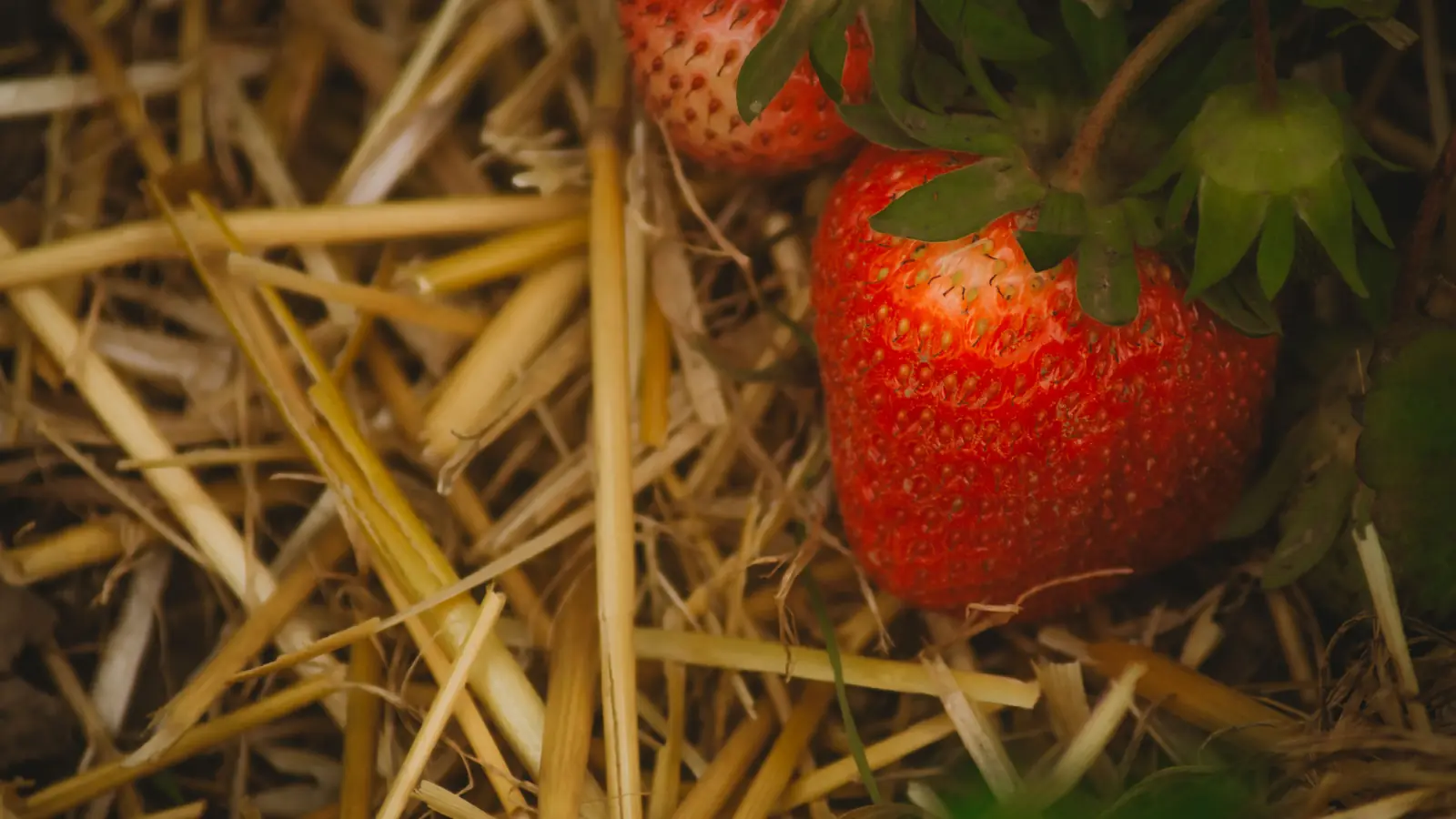
Ask one question before you buy a bale of straw for the vegetable garden: what was sprayed on the field it came from? Some broadleaf herbicides used on grain and pasture survive in straw and hay, and a mulch carrying them can twist and stunt tomatoes, beans and peppers all summer. Clean straw, on the other hand, is one of the most useful mulches a vegetable grower can use. It shades the soil, holds moisture, smothers small weeds and keeps strawberries and squash off the dirt. Buy it clean, spread it more than 2 inches deep once the bed is ready, and keep checking underneath.
Where straw earns its place
University of Minnesota Extension lists straw among useful vegetable-garden mulches for holding moisture, suppressing weeds and keeping produce clean, with the condition that the material is weed-free. It suits beds that get replanted every year, because it parts easily around a transplant and rakes aside for the next sowing. It is fussier around tiny seedlings, in narrow containers and in windy spots where it ends up on the path.
Straw, hay and the herbicide question
Straw is the hollow stalk left after a grain harvest. Hay is forage cut whole, often with its seed heads, which is why hay used as mulch tends to sprout. Either can carry seed depending on how it was grown and baled, so buy from a source that sells it as weed-free and look at a bale before you take it home. Loose grain heads and green tufts are bad signs.
The bigger hidden risk is herbicide carryover. Oregon State’s small-farms program explains in its guide to herbicide carryover in hay, manure, compost and grass clippings that some herbicides can remain active in hay, straw and grass clippings from treated areas. It names picloram, clopyralid and aminopyralid as the chemicals of greatest concern because they persist longest. Its list of sensitive crops reads like a vegetable garden: beans, lettuce, peppers, potatoes, spinach, strawberries and tomatoes, among others. Symptoms include poor germination, twisted, cupped and elongated leaves, misshapen fruit and lower yields.
So ask the supplier whether the field was treated, and with what. If nobody knows, run the simple pot test Oregon State describes for hay and grass clippings on a sample of the straw: fill a pot with commercial potting mix, spread a thick layer of the straw on top, sow pea or bean seeds and grow them for two to three weeks alongside a control pot without straw. If the control grows normally and the test plants twist or stall, do not use that straw on vegetables. If you see those symptoms in the garden after mulching, stop adding the material and ask your county extension office to help assess it.
Composting will not reliably clean it up, since Oregon State notes these herbicides can stay active in compost too. Unidentified roadside or barn-floor material is the riskiest of all, cheap or not. And keep straw mulch separate in your mind from straw-bale gardening, where plants grow in a conditioned bale. A surface mulch sits on top of the bed, and the roots stay in the soil below.
Getting the bed ready
Pull existing weeds first. Straw smothers small annual seedlings, but established perennials such as bindweed or quackgrass can push straight through. Plant, water in, and leave direct-sown rows uncovered until you can tell the crop seedlings from the weeds.
If you use drip line or soaker hose, lay it and run it before the straw goes down. Check that water reaches each plant, and mark fittings you will need to get at later, so a blocked emitter does not mean pulling up half the bed.
How thick, and how much
Utah State’s vegetable-production guidance recommends applying organic mulch thickly, more than 2 inches, for good weed control. Fluffed straw settles, so judge the depth a week after spreading, not on day one. Shake the flakes apart and spread them evenly; thick slabs beside bare gaps let weeds in at the gaps. Keep the straw a few inches back from stems and crowns so you can see the base of each plant.
Bale sizes vary and compressed straw expands when loosened, so ask the supplier how much area a bale typically covers at your depth.
Check the bed after the first watering, the first heavy rain and the first windy day. Pull straw off paths and away from drains, and top up only where coverage has thinned.
Straw cools the soil
Utah State notes that organic mulches such as straw lower soil temperature. Minnesota Extension’s reduced-tillage discussion makes the same point for summer soil, and adds that heavily mulched systems can hold too much moisture in wet years. That cooling is welcome around lettuce, peas and potatoes in midsummer. Around tomatoes, peppers and melons in a cool spring, it slows the soil warming those crops want, so for those heat-lovers it makes sense to wait until the soil has warmed and the transplants have settled before you mulch.
Watering under straw
Push the straw aside in a few places and feel the soil. The top of the mulch can look dry while the root zone is still damp, and a short shower can soak the straw without reaching the soil at all. Once the mulch is down, the bed usually needs less frequent watering, so do not leave a timer on the same program you used for bare soil. Check spots with uneven sun and near emitters that may have clogged.
Slugs, rodents and stray seedlings
Utah State also warns that organic mulches can harbor slugs, cutworms and rodents. If leaves are being eaten, look at night with a flashlight to identify the culprit before you blame the straw; pulling all the mulch may not solve an unrelated pest.
Grassy seedlings popping up through new straw usually mean the bale carried grain or weed seed. Pull them while small and note the supplier. Avoid reaching for an herbicide around vegetables to make up for a seedy batch.
When the straw has thinned, ask why. Normal breakdown, foot traffic, wind and birds each call for a different fix, and patching one bare area is usually quicker than re-mulching the whole bed.
Winter mulch is a separate job
Summer soil cover and winter crop protection run on different timing. Minnesota Extension’s strawberry mulch guidance ties winter covering and spring removal to plant dormancy, growth and soil conditions in a cold climate. It is a strawberry schedule for Minnesota, not a rule for every bed or region.
At the end of a crop, rake the straw aside for the next planting, leave clean material on as a surface cover, or add it to the compost pile. If the crop had a diagnosed disease, follow the disposal advice for that disease. Our soil and fertilizer collection covers related soil-care topics. Once a supplier’s bales have passed the pot test and behaved in your beds, keep buying from them; that is worth more than any per-bale estimate.
Written from manufacturer and retailer information and general garden practice. GardenHelm has not physically tested the products discussed here. How we choose products