How to Start a Herb Garden Around the Herbs You Cook With
Start with the herbs you actually reach for in the kitchen. A few well-placed plants you harvest often beat a large collection that is hard to water.
By GardenHelmPublished 7-minute readMore in Plants & Bulbs
In this guide
We may earn a commission from links on this page, at no extra cost to you. How this works
Plant the three or four herbs you already buy most often, in a sunny spot within a few steps of the kitchen door. A few healthy plants you snip from every evening will give you more than a big collection that is hard to water and rarely harvested. Choose the plants first, then decide whether pots, a small bed or both give them what they need.
For each one, note whether you want a few leaves for daily meals, repeated bunches for cooking or a larger seasonal harvest. Those are different goals, and they affect how many plants and how much space you need.
Match your menu to the growing season
Think about the dishes you already make. Basil may be useful for summer salads and pesto; cilantro for fresh garnishes; mint for drinks; and chives for finishing meals. There is little advantage in growing a herb solely because it appears on a beginner list if you dislike its flavor.
Check the plant label’s botanical name and variety. Culinary herbs can have different flavors, growth habits and uses within a familiar common name. Buy plants or seeds intended for edible use, and do not identify an unknown garden plant by resemblance before eating it.
| Herb to consider | Practical starting role | Planning issue |
|---|---|---|
| Basil | Warm-season leaves for frequent cooking | Frost sensitivity and space for repeated harvests |
| Cilantro | Leaves during suitable cooler weather | A short leaf-harvest window and follow-up sowings |
| Mint | A separate pot for drinks and dishes | Spreading growth that needs containment |
| Parsley | Leaves used a little at a time | Patience when starting from seed and room for mature growth |
| Thyme or oregano | A longer-term planting where locally suitable | Drainage, mature spread and winter hardiness |
You do not need all five, and they should not share one planter: mint and thyme, for example, want very different watering. Match the varieties to your climate and space.
Find a location you will visit often
Convenient access makes harvesting and checking water easier. A spot near a kitchen door can work well if it also has suitable light, drainage and room to move. Convenience cannot compensate for a location too dark for the plants you choose.
University of Minnesota Extension recommends at least six hours of direct sun for most herbs. Observe the site through the day and consider seasonal shade from trees and buildings. In a hot location, check the needs of each herb rather than assuming every plant benefits from the hottest reflected afternoon sun.
Leave enough access to snip leaves without stepping into a bed or stretching across other plants. Put frequently used herbs where you can reach them comfortably. Reserve extra space for plants that will spread, and keep taller growth from shading smaller neighbors unnecessarily.
Choose pots, a bed or both
Individual pots let you adjust spacing and care separately. They are useful when plants have different water needs or when you want to move a seasonal crop out after harvest. A bed offers more continuous growing space but makes it important to plan mature size and spread.
Use containers with drainage and a growing medium suited to containers. Check the usable volume, not just the decorative exterior dimensions. A small nursery pot may be convenient for purchase but may not be an appropriate long-term home.
Maryland Extension’s container-growing guidance emphasizes water access and monitoring, especially in hot weather. Pots may need checking more often than beds, so test each one with a finger before watering. Feel the medium and observe the plant before adding water.
If you use decorative outer pots, make sure excess water can be emptied. Keep drainage from creating a slip hazard or damaging a balcony or deck surface. For a small growing area, a few adequately sized containers are generally easier to manage than many tiny decorative ones.
Give mint its own place
Illinois Extension recommends above-ground containers to contain mint’s spreading habit. A separate pot also makes it easier to maintain the plant without disturbing neighboring herbs. Check the pot periodically and prevent growth from establishing outside it.
A bottomless container sunk in a bed slows mint down only briefly; runners escape over the rim. If space is limited, decide how much mint you actually need and maintain a manageable plant rather than letting it occupy the whole bed.
Decide between seeds and starter plants
Starter plants offer an earlier harvest and make sense when you need only one or two of a particular herb. Seeds provide more plants and variety choices, but require attention during germination and establishment. Compare the seed packet’s timing with the season remaining in your area.
Starter plants matter most for the perennial herbs you hope to keep for years, where winter hardiness decides whether the plant comes back. Plant Addicts’ herb plant collection shows USDA growing zones on most listings, with sun needs and mature size on the plant page; ARP rosemary, for example, is listed for zones 6 to 8, full sun and 3 to 5 feet tall. Read that range against your own zone before buying a woody herb for a bed, and treat anything outside it as a pot you bring in or replace. Stock is seasonal: when we looked in early November, the plants available were mostly rosemary, lavender and bay, while basil, thyme, sage, oregano, chives and mint showed as sold out.
Do not start every herb on the same date. Utah State Extension describes cilantro as a cool-season herb. Basil, by contrast, is frost sensitive. Local conditions and the exact crop should determine sowing and transplanting dates, not a single nationwide spring calendar.
For herbs with a limited useful harvest period, plan a later planting rather than expecting one plant to supply leaves indefinitely. Keep a simple record of sowing dates and performance so next year’s timing reflects your own site.
One seed option for a summer basil planting
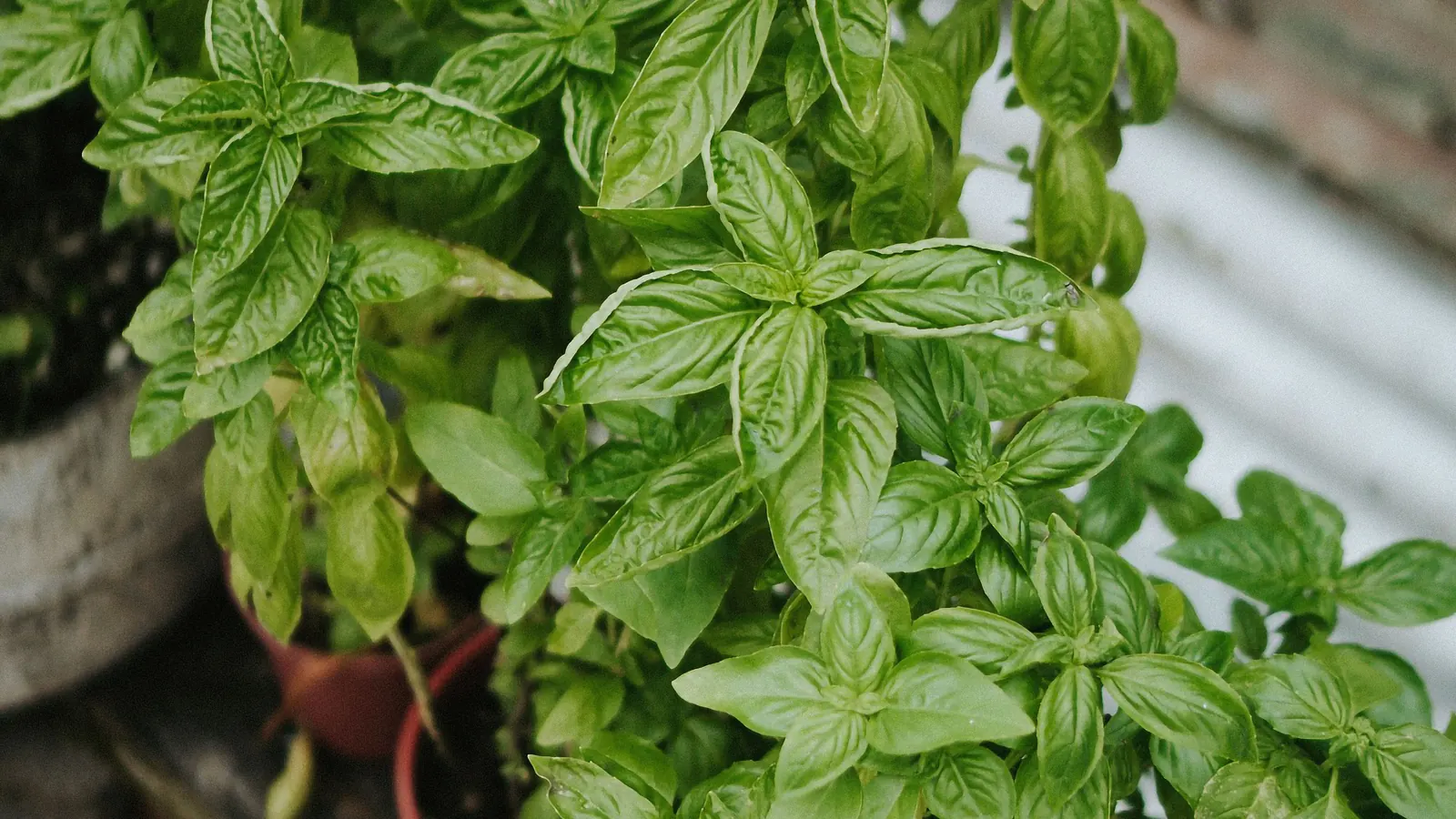
Botanical Interests Italian Genovese Basil Seeds are a documented option for gardeners who want a traditional pesto-type basil. The seller identifies the plant as Ocimum basilicum, describes it as suitable for containers and notes its frost sensitivity. Follow the current packet’s spacing and sowing guidance for the selected product.
We have not trialed this seed ourselves; check the current packet size and availability at the retailer.
Establish the plants before taking a large harvest
Water new plantings according to their needs and check them while their roots establish. Check the soil with a finger rather than waiting for wilting, and avoid keeping it soggy. Herbs differ in how much drying they tolerate between waterings.
Space plants for their mature dimensions rather than the size of the plug or seedling. A planter that looks sparse on planting day may fill out well; an overcrowded planting can become difficult to inspect and harvest. Leave labels in place until you can identify each plant confidently.
Use fertilizer according to the product label and the growing medium’s existing nutrient supply. A soil test can guide bed amendments. Extra fertilizer cannot make up for weak light, and a culinary herb bed wants a far lighter hand than a lawn-feeding routine.
Harvest in a way that leaves useful growth
Take small amounts regularly once the plant is established and growing well. Use clean scissors or pruners when needed, and avoid tearing a stem while pulling a leaf. Inspect the plant as you harvest so damage or pest problems are noticed early.
For basil, Minnesota Extension recommends cutting a harvested stem just above a pair of leaves. Leave enough healthy growth to support continued production. If your aim is leaf harvest, manage flowering according to the crop’s guidance rather than allowing every plant to set seed unchecked.
Other herbs require different cuts and timing. Follow species-specific advice, particularly with woody plants, instead of shearing every herb to the same height. A large planned harvest should leave the plant able to recover under the conditions remaining in the season.
Plan for the end of the season
Before cold weather, decide which herbs will be replaced, which are hardy at your site and which you might bring indoors. Hardiness varies by species and variety; an herb that survives outdoors in one US region may not do so in another.
Bringing a pot inside also changes its light and watering conditions. Inspect plants before moving them indoors and provide enough light for the intended growth. A kitchen windowsill can run short of light in winter, and some plants may need supplemental lighting.
Keep the first garden manageable and adjust it after a season of real use. If basil ran out while parsley remained untouched, change the balance next year. Explore our growing collection for related planting and soil topics.
Retailers to browse
Compare sizes, materials and delivery details on each retailer’s current listings.
- Browse italian Genovese Basil Seeds at Botanical Interests
Botanical Interests
Opens Botanical Interests’s italian Genovese Basil Seeds collection, not a single product.
Written from manufacturer and retailer information and general garden practice. GardenHelm has not physically tested the products discussed here. How we choose products