Hugelkultur Gardening: Wood-Filled Beds, Evidence and Care
Hugelkultur buries logs and branches under soil to build a planting mound. What the research actually shows, which wood to use and why it is not a maintenance-free garden.
By GardenHelmPublished 6-minute readMore in Raised Garden Beds
In this guide
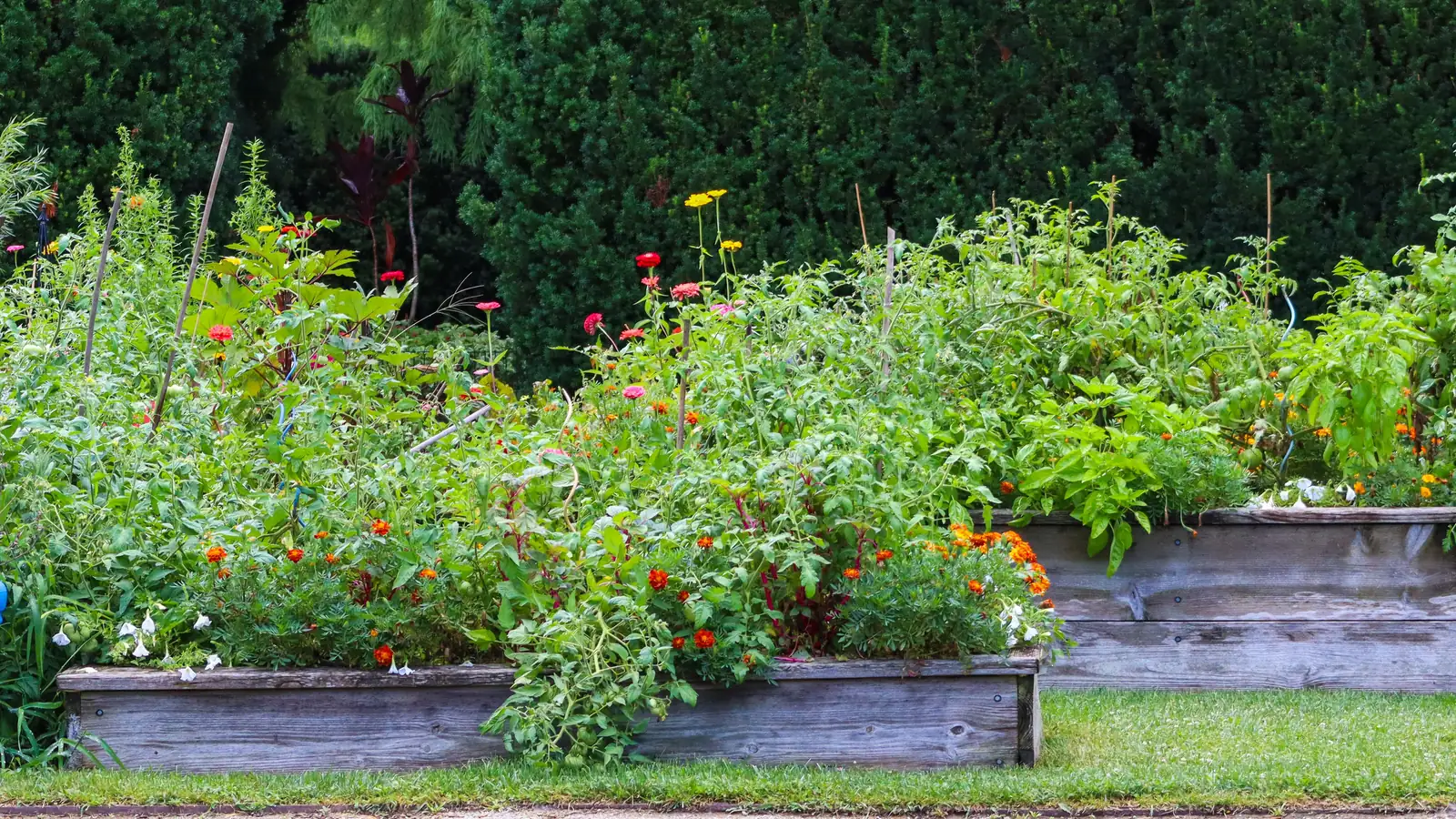
A hugelkultur bed makes sense when you already have a pile of the right logs and a place to build; it makes less sense if you must buy or haul the wood. Hugelkultur buries logs and branches under a mound of soil and plants into the top, and gardeners also adapt the idea inside tall framed beds. The popular promise of a self-watering bed that never needs fertilizer outruns the evidence, so plan the bed as you would any other, with enough rooting depth, light and moisture where the roots are. The wood is a bonus, and the soil above it does the growing.
How it differs from an ordinary raised bed
A conventional raised bed has growing medium all the way through. Hugelkultur deliberately puts woody material beneath the planting layer. Washington State University’s fact sheet, revised in December 2022, describes elongated mounds made of wood, garden debris and soil, and its critical review questioned the evidence behind the enthusiastic claims. Newer studies exist since, so treat its assessment as dated background.
Settle what you want to grow and how much root space it needs, then decide whether a woody core serves the project. Our growing guides cover the soil and bed basics that apply either way.
What the evidence shows
The studies differ in kind and in what they can support:
| Source | What was investigated | What it offers a home gardener |
|---|---|---|
| Jayati and Lestari’s pakcoy study, accepted January 2024 | A 2023 Indonesian experiment compared hugelkultur raised beds, conventional raised beds and conventional polybags, with nine replications per treatment | Reported differences in plant-growth and harvest measurements, from one crop and one climate |
| Rosy Buck Farm’s SARE-supported trial in Missouri | Six test beds compared two hugelkultur configurations with ordinary raised beds | Stronger moisture retention deeper in the wood-filled beds, less conclusive surface results, and a caution that seedlings and transplants could still need ordinary irrigation |
| Oklahoma State’s February 2026 guide | A design and construction guide built around a university landscape project | Construction examples and advocacy for the technique, which falls short of a controlled trial |
The Missouri report is a grant-supported farm account, a different kind of document from the journal experiment. Together they show that the method has been studied, and none supports a promise that a household can stop watering for years. A narrower question is more useful: do the logs, site and crops you actually have suit it? Saving purchased fill in one tall bed can make sense. If hauling logs costs more effort than a small conventional bed would, skip it.
Site
Pick a spot that suits the intended plants, because a mound does not rescue a sun-loving crop from deep shade, and keep it off the route you need for a wheelbarrow or hose. Leave working access around it so you can reach the middle without standing on the planting surface. A modest first mound beats a long earthwork that changes the whole yard.
Keep gardening and drainage engineering apart. Keep the mound clear of established drainage routes, and never send water toward a building or use it as a retaining structure. If you will dig, have utilities located first. The sides do not need to be steep; a reachable planting surface matters more than a dramatic profile.
Which wood
Use wood you can identify. Treated lumber, painted boards, railroad ties and demolition offcuts stay out, because once they are underground you cannot check what they were. Oklahoma State’s construction guidance warns against treated or painted material and notes that the mound changes as its contents decompose.
Black walnut is the wood most often warned against, because of juglone. A 2019 WSU Extension fact sheet reviews the research and, as summarized by University of Maryland Extension, finds no conclusive evidence that juglone explains poor growth near walnut trees, while University of Wisconsin Extension says juglone can persist in walnut roots for five or more years and advises against walnut chips or bark as mulch. The question is unsettled, and since leaving walnut out costs little, we would leave it out. Rot-resistant woods such as cedar and redwood break down slowly, which delays any benefit from the buried wood.
Origin matters for other fill as well. Finished compost is easier to judge than a pile of kitchen scraps, manure and yard waste.
Nitrogen and settling
Fresh wood draws on soil nitrogen as microbes break it down. Oregon State explains that nitrogen tie-up depends partly on particle size and on whether wood is mixed into soil or left on the surface. Fine wood blended through the planting soil is a different situation from large logs sitting beneath it. Guide feeding by crop needs and a soil test, not by assumption, because yellow leaves have several possible causes.
Expect settling too. As wood decays and gaps collapse, the mound sinks and the surface shifts. Water during construction so the pile settles before the final planting surface goes on, and keep spare soil to correct washouts and exposed wood. Oklahoma State cautions that steep slopes make seed washout more likely.
Building it
Place larger wood low, fit smaller material around it, avoid open cavities, then cover with a continuous planting layer. A thin dusting of soil over protruding branches leaves too little room for roots, and there is no single cover depth that suits every crop. Root crops are a poor reason to accept an obstructed planting zone. If you cannot give the crop adequate soil, use less wood or choose a conventional bed. Keep the planting soil separate while building, and when you order fill, do not count every cubic foot the wood occupies as usable soil.
Work safely with the wood: keep piles stable and low, lift logs with your legs or with help, and stay off loose material.
First planting and watering
Use your normal local planting calendar. Buried wood does not change the frost date. A fair test is a familiar crop in part of the mound and the same variety in a nearby ordinary bed, with similar spacing and date.
Check the soil around young plants even if the lower mound seems damp, which is the lesson of the Missouri moisture results. Iowa State’s vegetable-watering guidance notes that young plants have small root systems and need attention to moisture during establishment. Water slowly enough to soak in instead of running down the slope, and dig down to confirm it reached the roots, because a damp surface can hide dry soil below. If water flows past a transplant, slow the application instead of running the hose longer. Choose annual crops first, so you can adjust the surface between seasons.
When a simpler bed wins
A conventional raised bed suits you better if you need predictable root space, have little suitable wood or want to avoid settling around permanent plantings. University of Minnesota Extension describes wood chips as useful mulch for trees, shrubs and perennial beds, and weed-free straw as an option for vegetables, so woody material has other good homes.
Our rule: build a hugelkultur bed if the wood is free, identifiable and close at hand, you can give crops a full soil layer on top, and you will water young plants anyway. Otherwise fill a conventional bed and spend the effort on soil and watering.
Written from manufacturer and retailer information and general garden practice. GardenHelm has not physically tested the products discussed here. How we choose products