Ceramic Flower Pots: Glaze, Drainage and Winter Care
A beautiful glazed pot can be a better outer cover than a planting pot. Check drainage, the usable interior and winter care before you plant directly in it.
By GardenHelmPublished 5-minute readMore in Planters & Containers
In this guide
One pottery maker can sell two pots side by side and give them opposite winter instructions. Bergs Potter’s FAQ describes its raw terracotta as made for outdoor use and frost resistant, while its glazed ceramic pots are not suitable for frost exposure. Even the frost-resistant raw pots, it advises, should be kept dry and sheltered during heavy frost when possible. So the glossy glaze that makes a ceramic pot the prettiest thing on the patio can also make it the first casualty of a cold snap.
That is half of buying a ceramic pot well. The other half is a single decision you should make before you pay: will the plant grow directly in this pot, or will it live in a plain nursery pot hidden inside it? A pot with no drainage hole, a narrow neck or a no-frost label can still be a perfect choice, as long as it is used as a cover.
Planting directly: the hole is non-negotiable
Illinois Extension calls a hole in the bottom critical. Without one, water sits in the soil, roots run short of air, and root rot sets in; Illinois notes plants rarely recover from it. Turn the pot over in the shop. A plug that pops out counts; a solid base does not.
If you love a pot with no hole, Illinois suggests drilling one. Use a bit made for ceramic or tile and eye protection, and go slowly.
Saucers matter more than they look. Illinois warns against pots with permanently attached saucers, because you cannot empty the overflow and roots end up waterlogged. A detachable saucer that you empty after watering is the safer design.
Using the pot as a cover
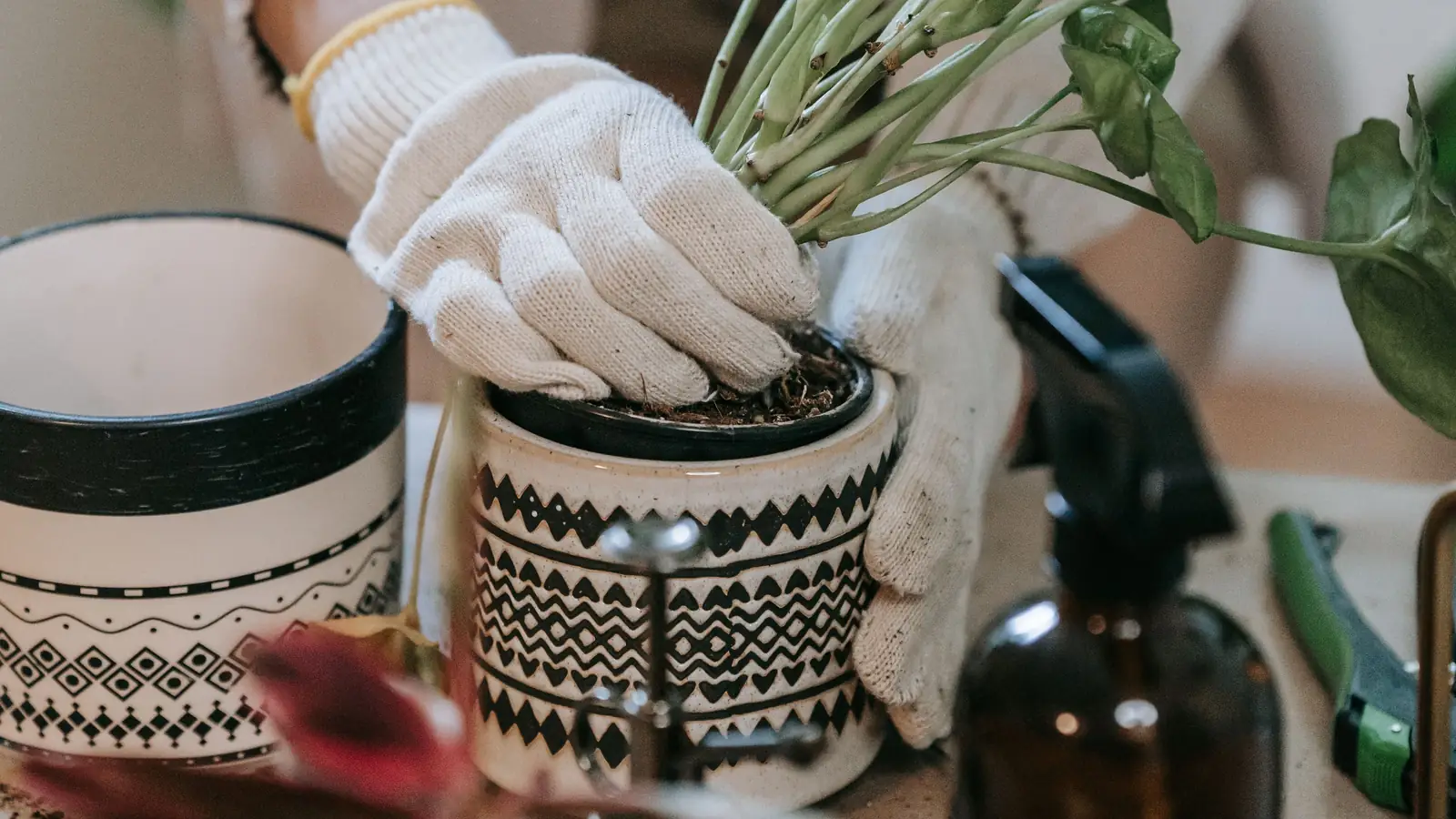
Slipping a growing pot inside a larger decorative one is what Illinois calls double potting. The plant lives in a plain plastic liner, which you lift out to water, drain or swap for the next season’s display. It is the simplest way to use a pot with no hole, and it suits glazed pots that need to come indoors for winter: the heavy ceramic can move empty while the plant stays put.
Two rules keep it working. The liner should never stand in water, so lift it out and tip away anything collecting in the bottom of the outer pot. And if the decorative pot is deep enough, a layer of gravel in the outer pot (not in the liner) lets a little excess water collect below the roots.
The gravel myth
A layer of gravel or broken crockery in the bottom of a planting pot does not improve drainage. Illinois explains why: water “perches” in the soil above the gravel until that soil is saturated, and only then drains into the stones. The roots sit in wet soil either way, and you have lost growing space. In a pot you plant directly, use potting mix all the way down, over an open hole.
Glazed, unglazed and what it means for watering
Illinois Extension’s container-material guide explains that unglazed clay soaks up water and loses it through its walls, so porous pots dry out faster than non-porous ones. It points out you can line a porous pot with plastic to slow that loss. A fully glazed pot holds moisture longer, which helps in a hot spot and works against plants that like to dry between waterings. Check where the glaze actually stops. Some pots are glazed outside only, with a raw interior or base that still absorbs water.
Color changes the root zone as well. Illinois notes that dark containers in intense summer sun get hot and that heat transfers to the soil, which stresses roots. For a sunny patio, a pale glaze or a liner pot with an air gap inside a dark cover keeps roots cooler.
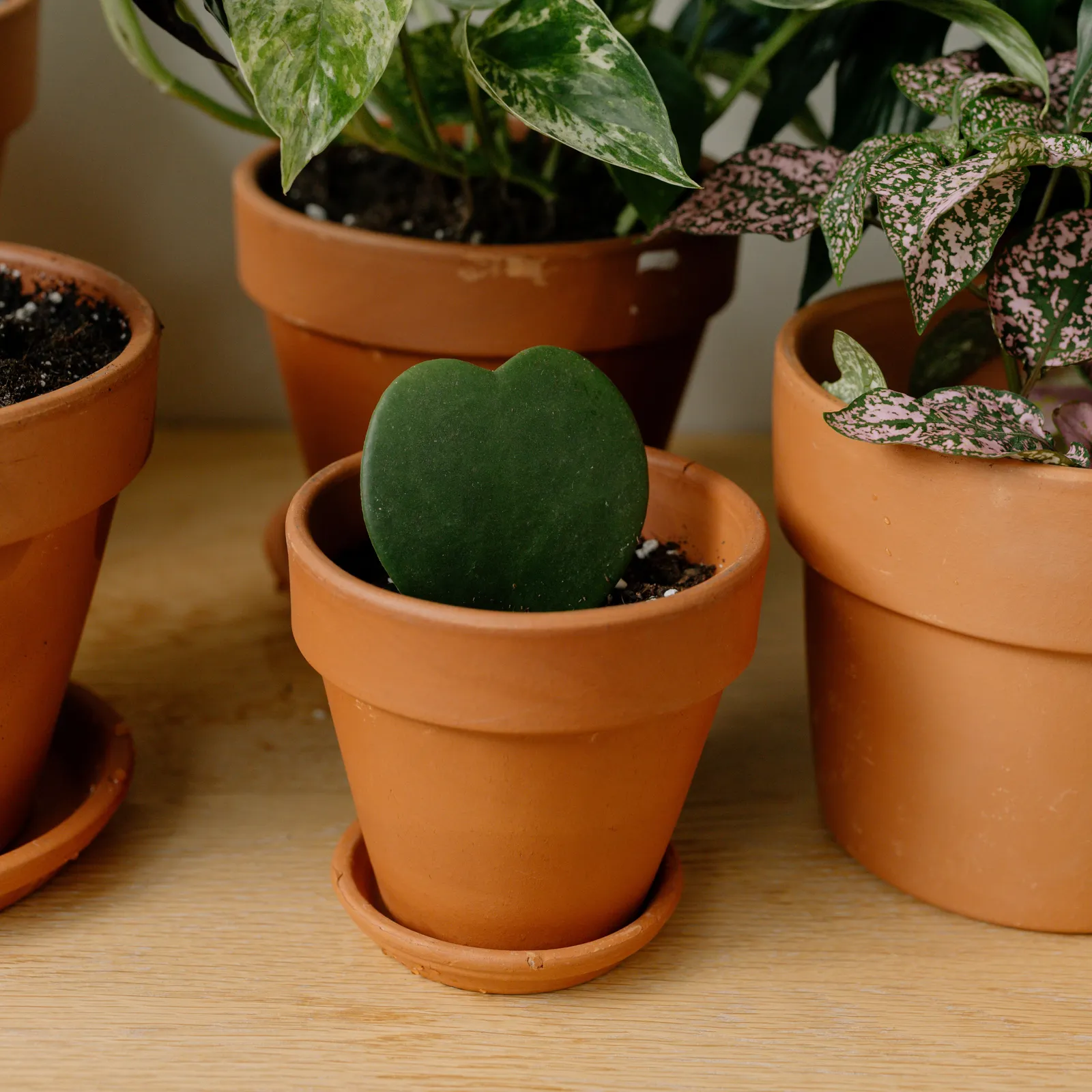
Bergs attributes the pale bloom that develops on raw terracotta to salts and minerals moving through the clay. That patina is cosmetic. A hairline crack is not, and freezing will widen it.
Measure the inside, not the label
A pot’s listed diameter may be measured across the outside of the rim. Thick ceramic walls, an inward-curving lip or a tapered body can leave much less room inside. If you are fitting a nursery pot, measure the nursery pot’s rim (its widest point) against the narrowest part of the ceramic opening, and compare depths too.
Shape matters again at repotting time. A rounded belly with a narrow neck traps the root ball; you may have to break the pot or the plant to get one out. Straight or gently flared sides release a root ball cleanly. If you love a narrow-necked urn, use it as a cover with a liner that slides out.
Size the growing space to the plant, not to the empty corner. A large ornamental vessel can hold a modest liner pot, which keeps the weight and the volume of wet soil manageable.
Weight and handling
Ceramic is heavy before you add a single scoop of mix, and wet soil adds a lot more. Decide where a big pot will live before filling it. Illinois suggests a wheeled plant dolly for any pot you need to move toward light or into shelter. Decorative handles and thin rims are not lifting points. A shelf or stand needs to carry the full wet weight, and a tall plant in a top-heavy pot can tip in wind or when brushed against, which matters where children or pets play.
Getting ceramic through winter
Start with the label for the exact collection, as the Bergs example shows. Where frost is a risk and the pot is not rated for it, Illinois’s method is to empty the pot, dry it thoroughly and wrap it securely in plastic to keep it dry. Water trapped in the pores expands when it freezes and cracks the pot. If it has to stay outside, turning it upside down stops it filling with snow and leaves.
The plant needs its own plan. A frost-resistant pot does not tell you whether the roots inside can survive the same cold, and roots in a container are more exposed than roots in the ground. Move or protect tender plants while the pot is still light enough to handle.
Reusing an old pot
Scrub out old soil and debris before disinfecting, since disinfectants work poorly on dirty surfaces. University of Minnesota Extension explains the difference between cleaning and disinfecting. Illinois suggests soapy water followed by a solution of one part chlorine bleach to nine parts water. Never mix bleach with other cleaners, and rinse well. Then check the drainage hole is clear and set aside any pot with a crack running through the base.
Written from manufacturer and retailer information and general garden practice. GardenHelm has not physically tested the products discussed here. How we choose products