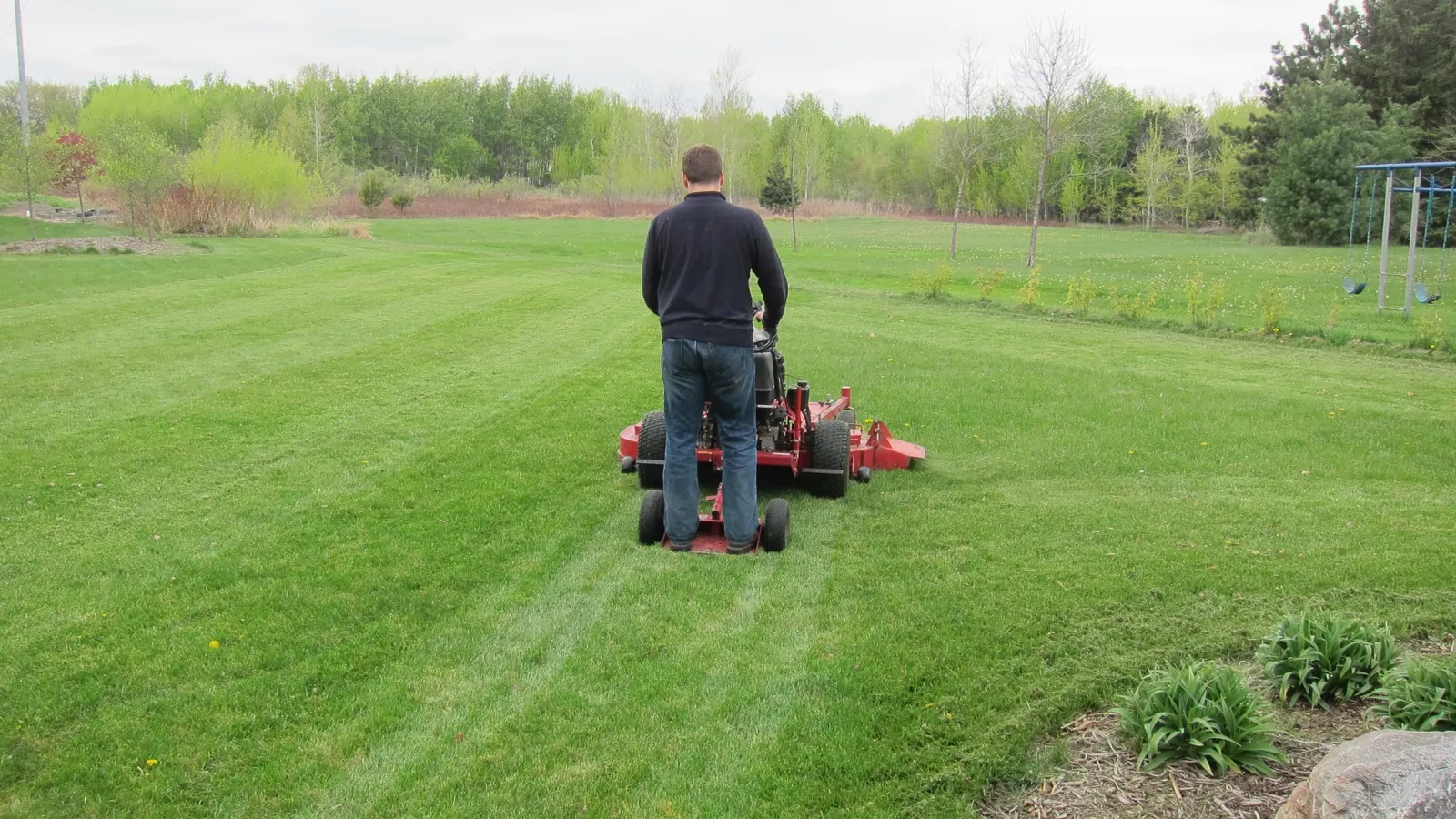
Commercial Walk-Behind Mowers: Compare the Route, Controls and Support
A commercial walk-behind has to fit a working route: loading, gates, clippings and service. Count the non-cutting time and compare machines around your real job sites.
Compare lawn mowers by cutting requirements, the route through the yard, controls and the complete power setup. Use the model-specific guides to assess walk-behinds and riders, then check the exact machine and terrain restrictions before choosing.
The best lawn mower for your property is the one that cuts the grass at its suitable height, reaches every mowing area and fits the way you can operate and maintain it. Start with the route from storage through the lawn, including gates, steps, turns and slopes. A larger deck saves little effort if the machine cannot reach a separated patch or turn around planting beds.
| Type to compare | Useful starting situation | Deciding tradeoff |
|---|---|---|
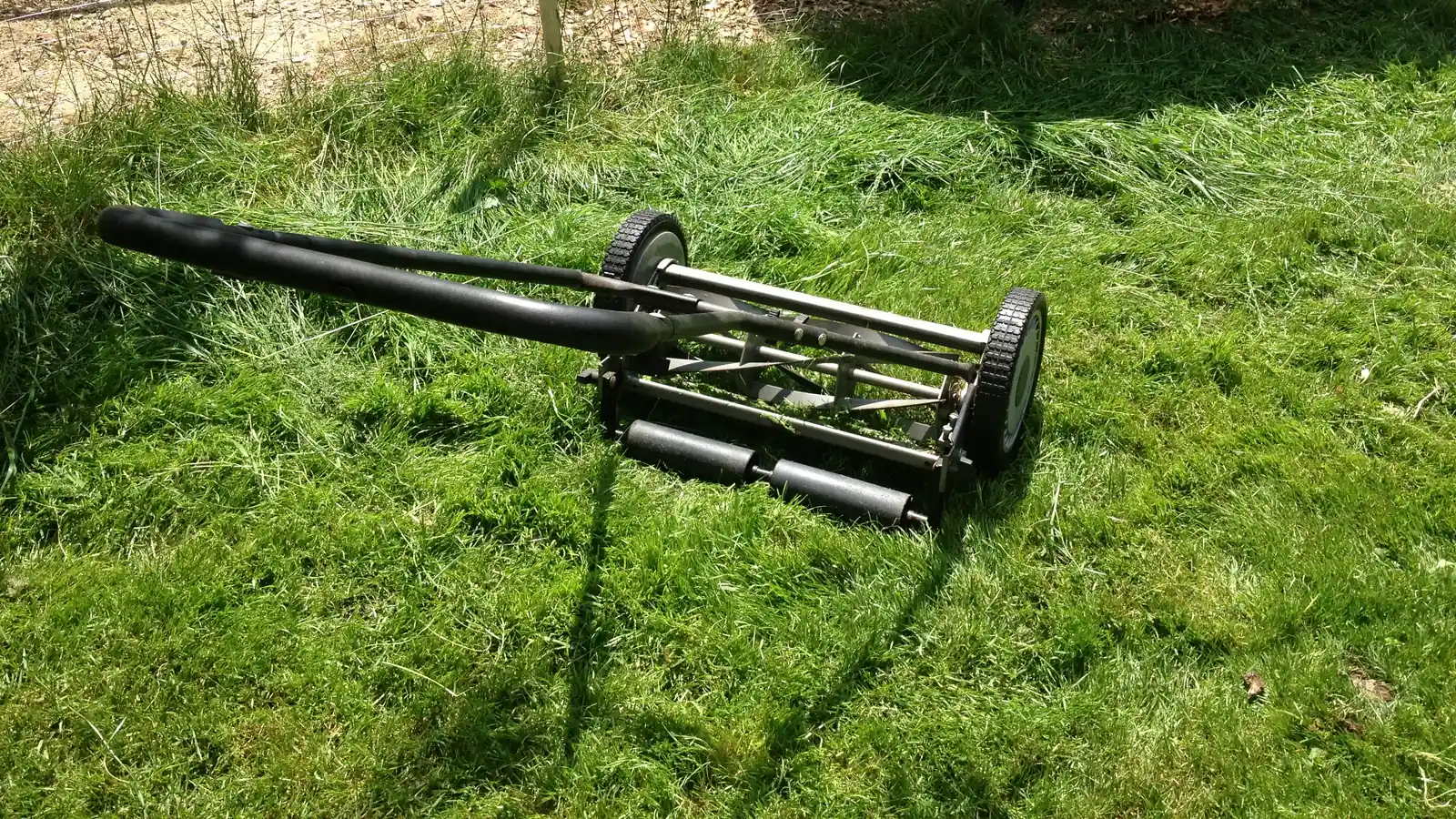
| Manual reel | A manageable area maintained frequently | Cutting action, grass capture and your ability to push it |
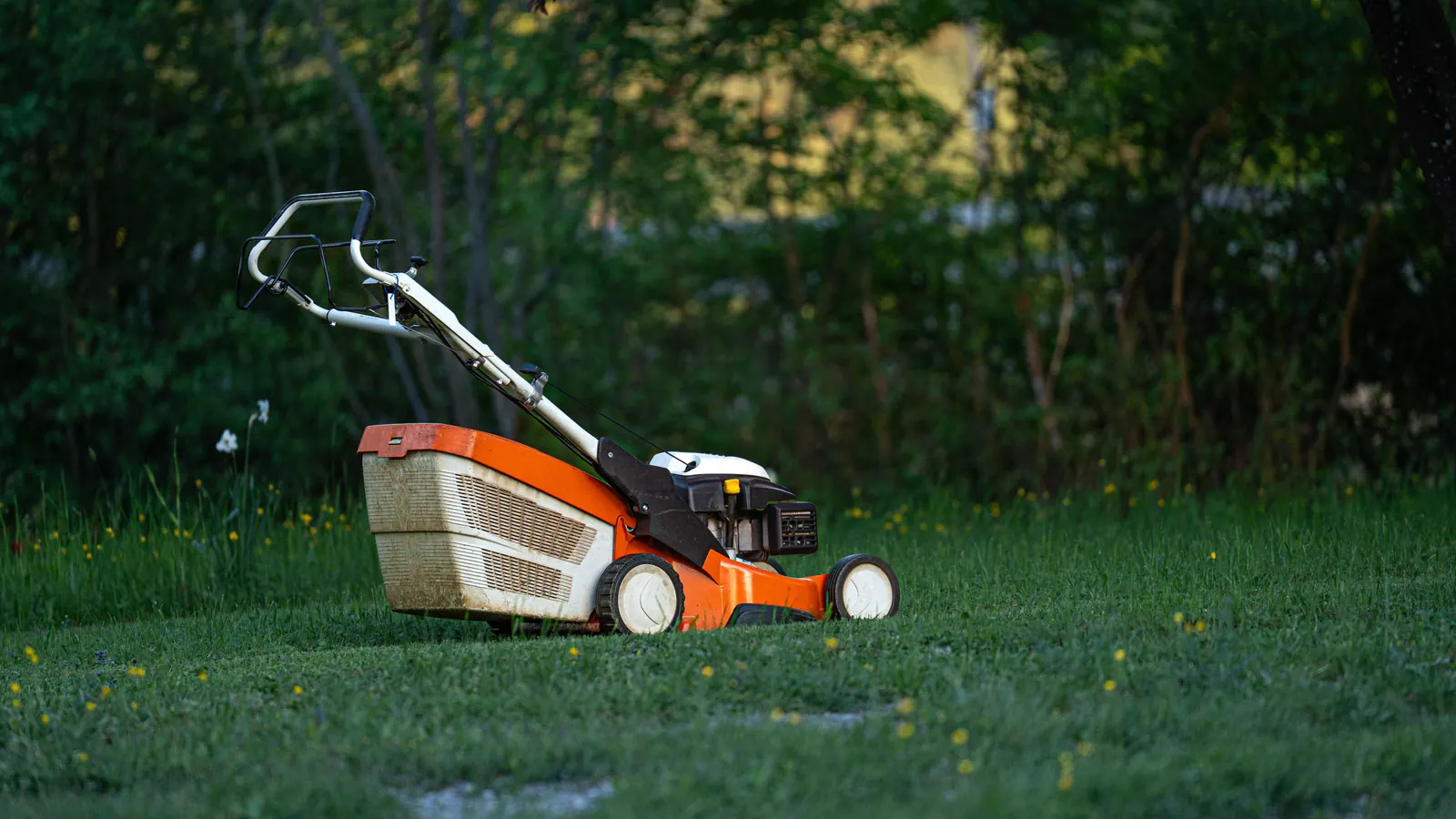
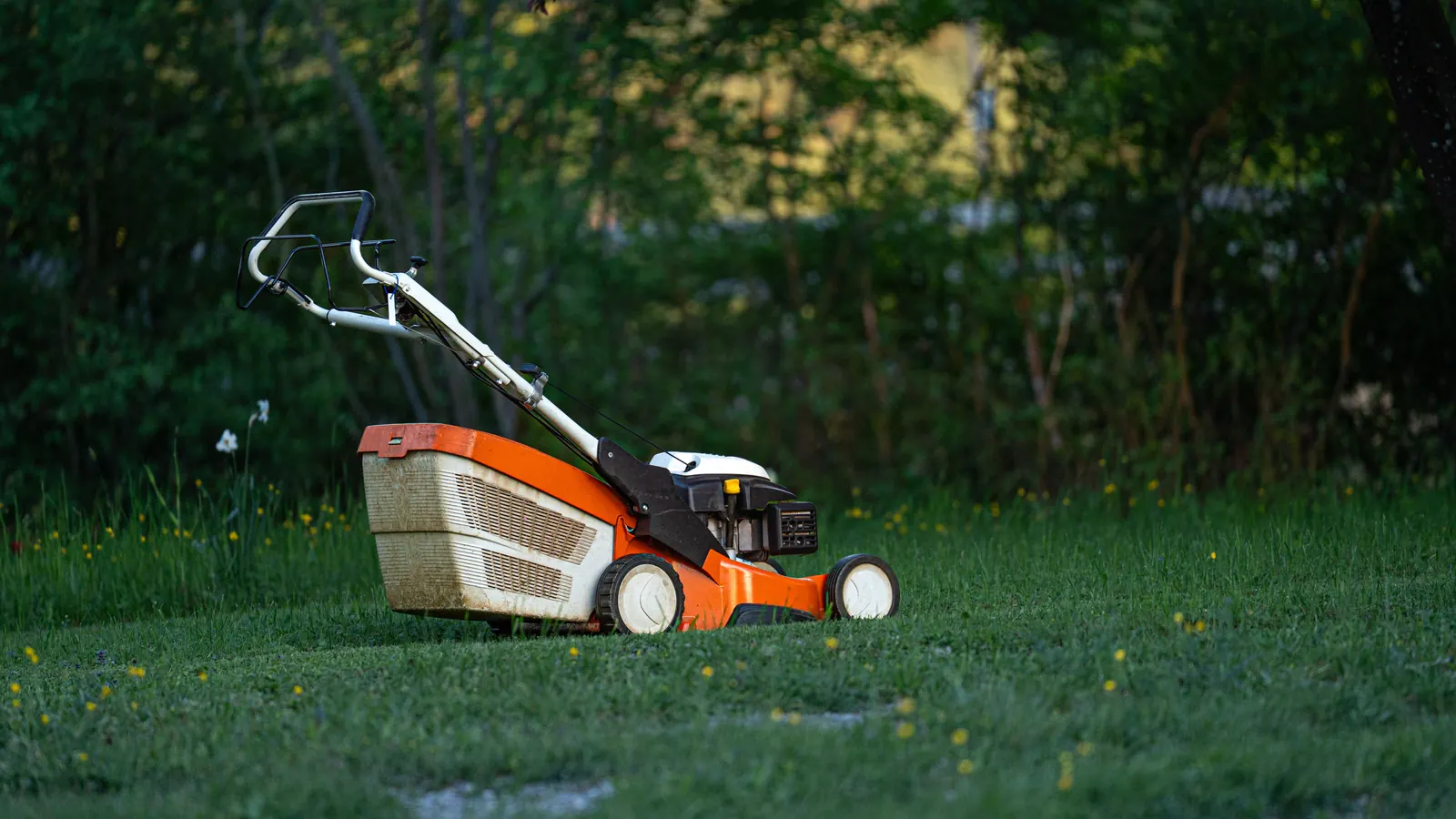
| Powered push walk-behind | Several accessible lawn patches | Pushing effort, controls and the complete power setup |
| Self-propelled walk-behind | You want powered wheel assistance | Drive control, turning and the exact terrain restrictions |
| Riding mower or lawn tractor | A larger continuous area with suitable access | Storage, turning room and approved attachments |
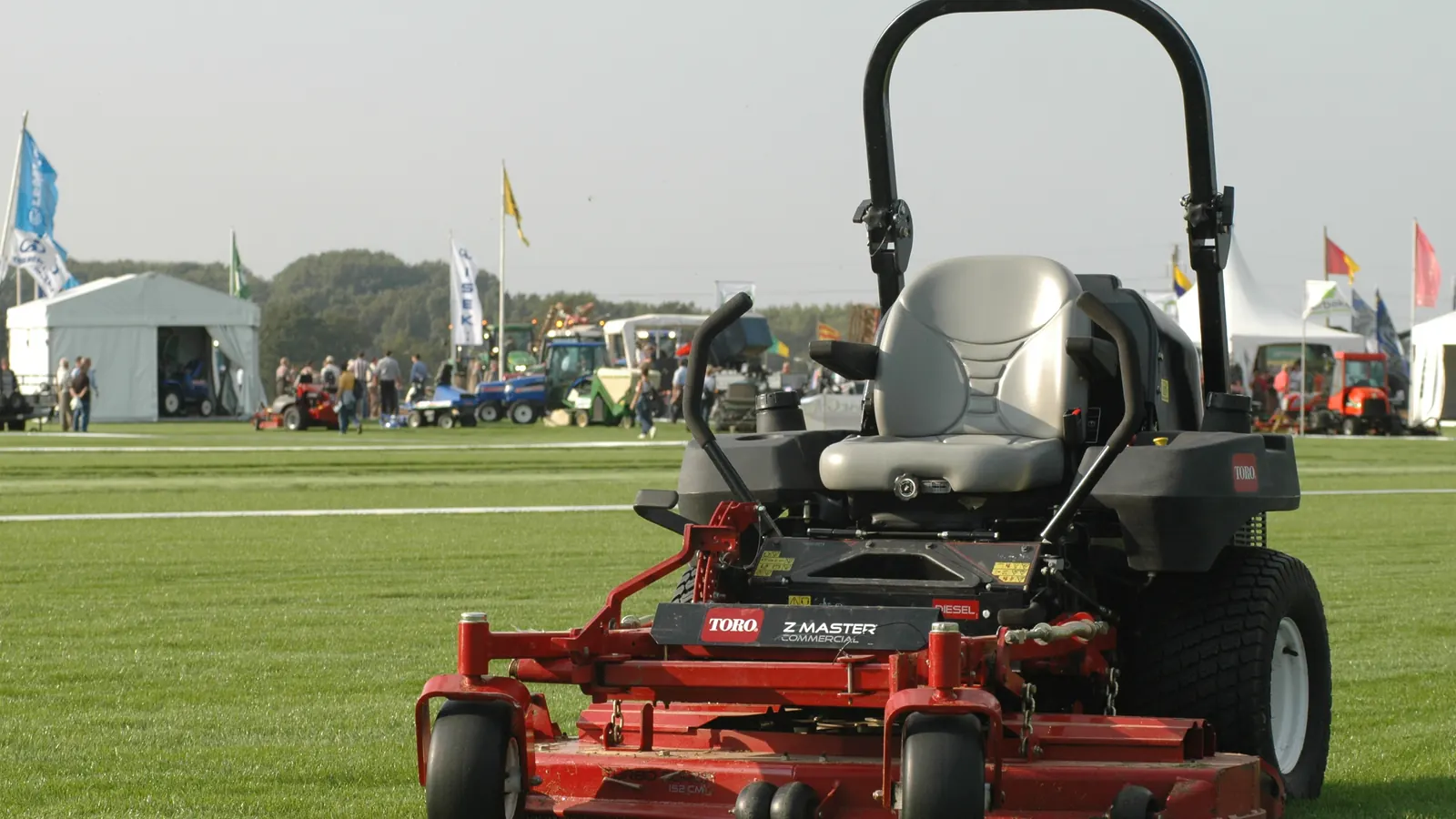
| Zero-turn | A site where its steering arrangement and restrictions suit the job | Actual operating limits, gates and collection-system fit |
| Robotic mower | A lawn compatible with the selected installation system | Boundaries, obstacles, supervision and separate edge work |
Push versus self-propelled describes movement. Corded, battery or gas describes the power supply. A cordless mower is not automatically self-propelled. For a corded model, assess the permitted cable arrangement and route to power; for battery equipment, compare the supplied battery and charger with the intended mowing routine. Gas equipment adds its model-specific fuel, storage and engine-maintenance requirements.
A real example is the EGO LM2110-family page, which distinguishes its mower and kit choices. Its stated up-to runtime is tied to a specified battery, rather than a promise for every lawn. Compare the complete order, including the pack and charger, instead of treating a tool-only price as a ready-to-mow package.
Check the permitted cutting-height range against the grass you maintain. Mulching, discharge and bagging are different configurations; establish what the selected model includes and whether a conversion kit is required. Collection adds emptying and storage work, while a wider deck or collection system can change the access route. American Lawn Mower's reel FAQexplains why a reel's cutter-bar action and capture of the grass differ from a rotary blade. A mower class is a starting point, not proof that every grass condition suits it.
For riders, Toro's type comparisonseparates lawn tractors, rear-engine riders and zero-turn machines. Choose from the exact model's controls, terrain restrictions and equipment compatibility. No category name establishes a safe slope limit or an approved towing load for an unidentified machine.
Build the shortlist around the same complete specification: machine, power equipment, required collection or discharge parts, delivery and any assembly. For a sale or clearance mower, confirm model year, missing parts, condition, return terms, warranty eligibility and service support. A discount on the wrong configuration is not a lower cost for the setup you need. With used equipment, price a qualified condition check and necessary repairs before comparing it with a supported new machine.
This category does not maintain live sale inventory or independently tested best-mower rankings. Use the available guides below for the narrower equipment decision, then verify the selected offer with the seller. Start with one clear reason to prefer a machine, such as reaching all the lawn with manageable controls, rather than buying extra width or power without a corresponding job.
A commercial walk-behind has to fit a working route: loading, gates, clippings and service. Count the non-cutting time and compare machines around your real job sites.
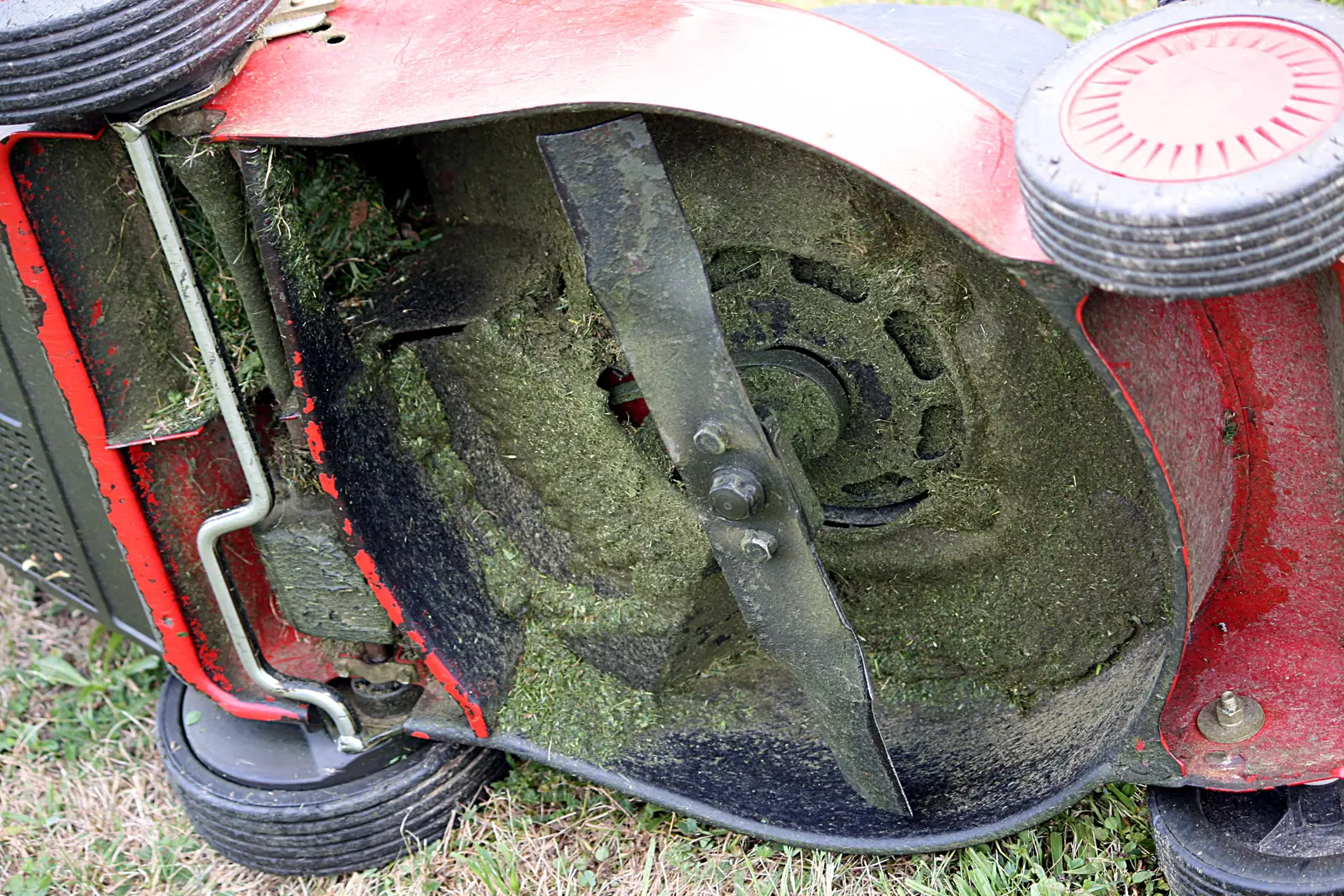
What you may wash, and how to make the mower safe first, depends on your exact model. Clean the deck, the catcher and the air filter as separate jobs, then reassemble and check.
6-minute read
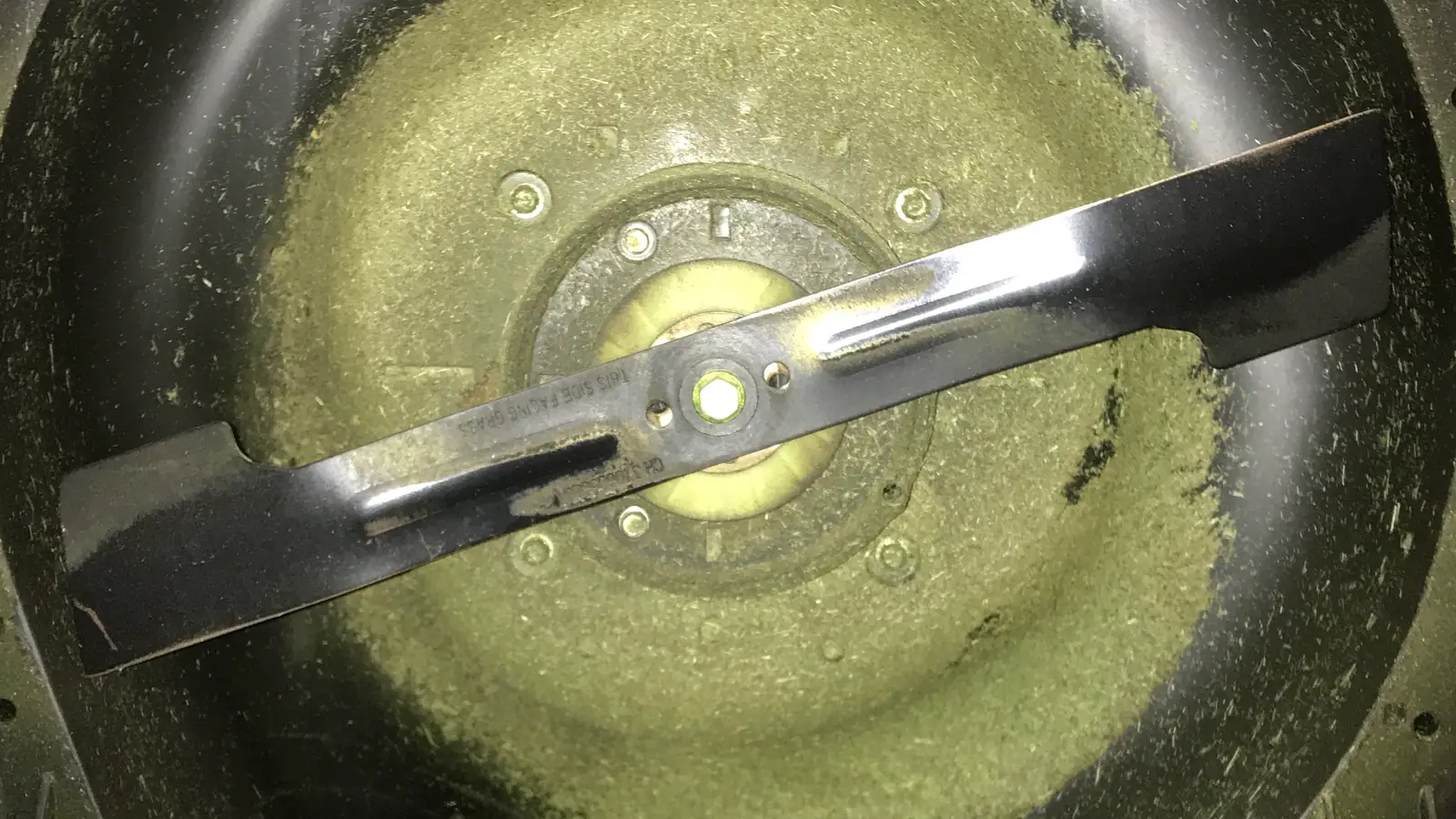
Sharpen only if your mower's maker allows it and the blade is still sound. Keep the original edge shape, balance the blade and reinstall it exactly, or let a shop do it.
7-minute read
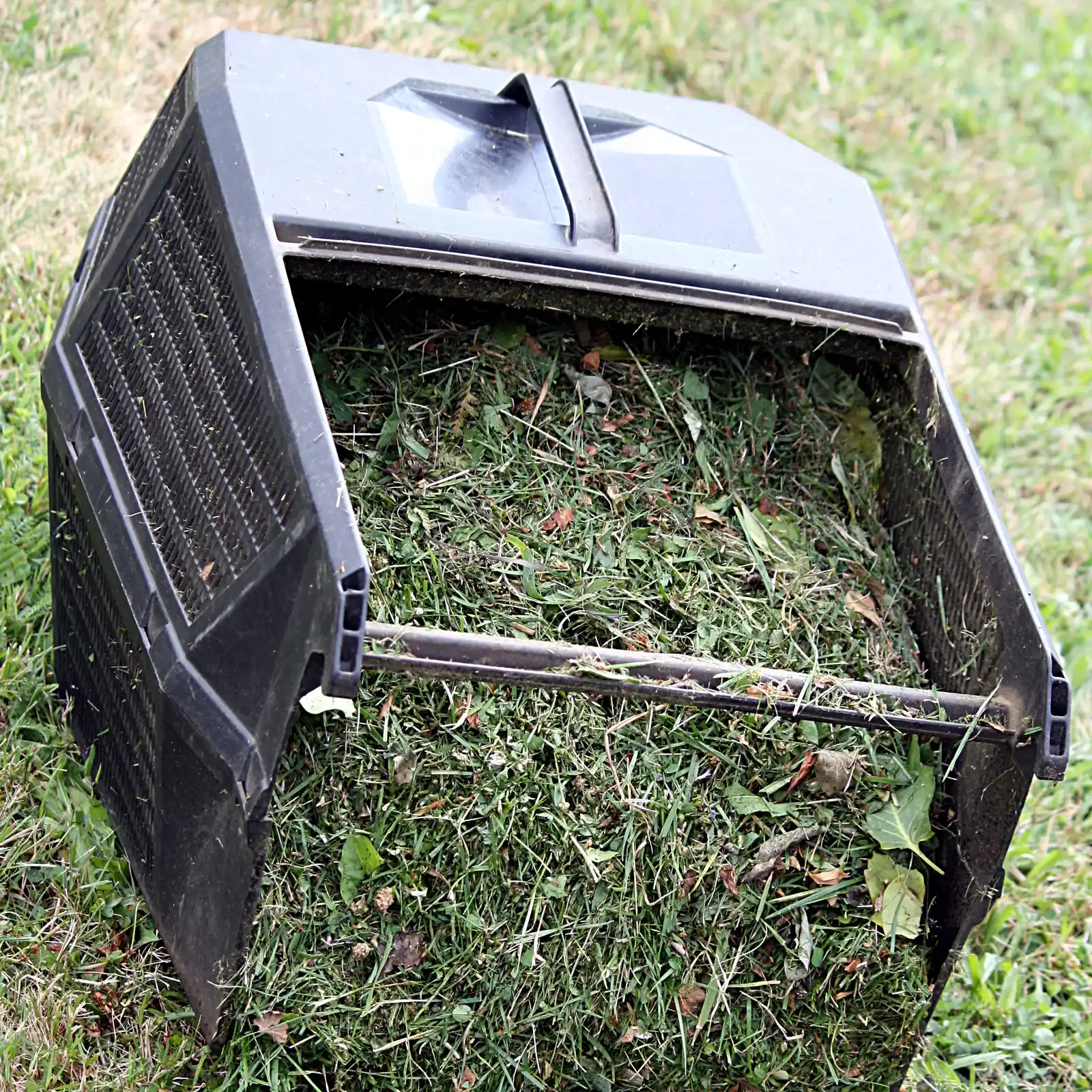
Collecting clippings, sweeping leaves and towing a lawn tool are different jobs. Start with the job, then check three kinds of fit, not just a matching brand name.
4-minute read
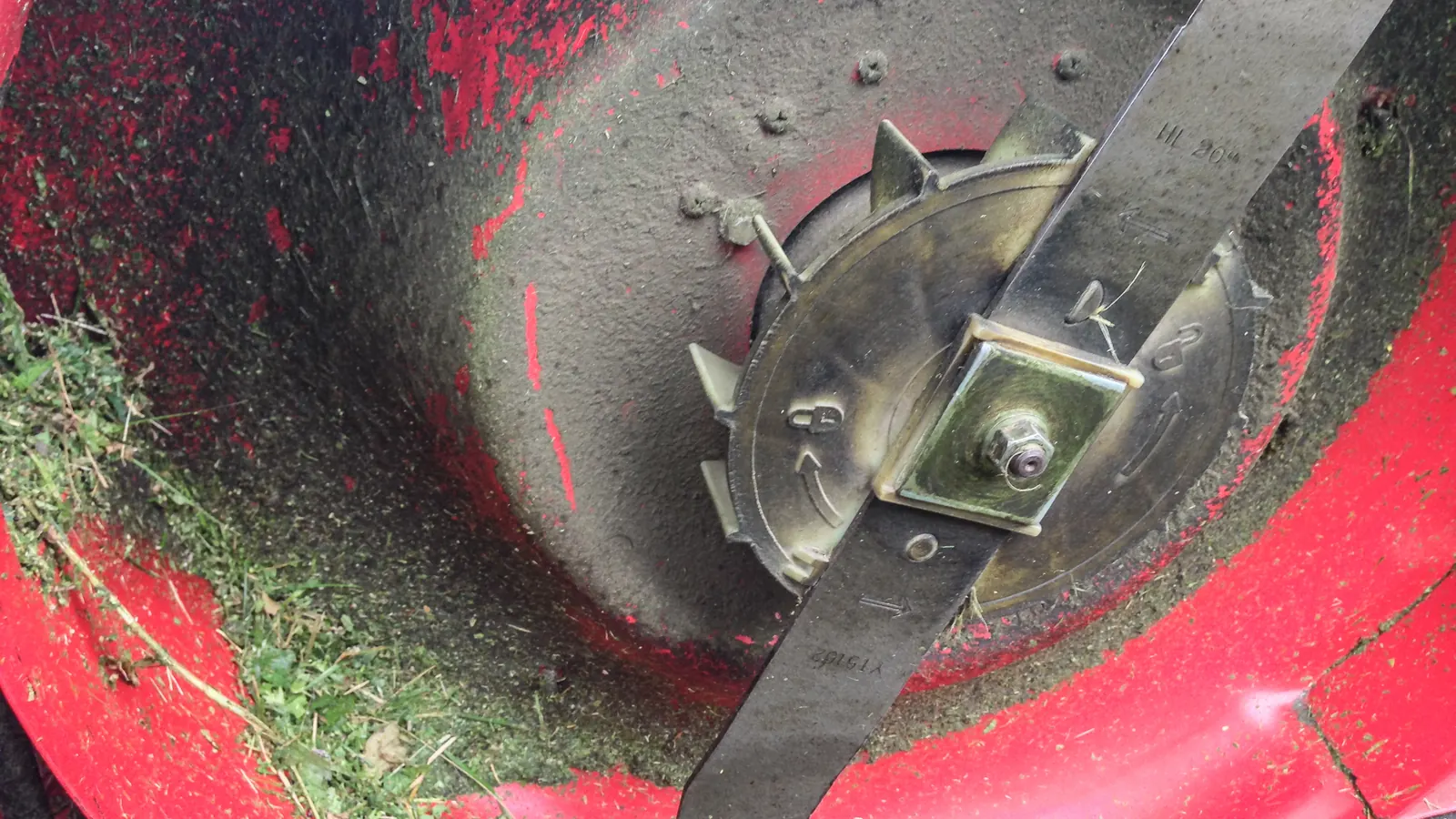
Files, drill stones, grinders and balancers give you different control over the edge. Check what your manual allows, add a balancer and know when a shop is the better tool.
4-minute read
In a small yard the best mower is easy to steer, cuts at the right height and stores without a fight. Measure the grass you mow and the gate before comparing power types.
5-minute read
Sort starting, vibration, cutting and drive problems on gas, battery and corded mowers, and know what information to take to a repair shop.
7-minute read
A push mower relies on you to move it; the blade may be driven by your steps, a battery or an engine. Decide whether pushing suits your route, then the cutting mechanism.
3-minute read
A zero-turn is also a riding mower; the real comparison is lawn tractor versus zero-turn. Compare two specific machines by mowing pattern, controls, collection and attachments.
5-minute read
Self-propelled takes the pushing out of mowing; you still walk and steer. Check which wheels are driven, how you control the speed and how it turns at the end of a row.
4-minute read