Push Mowers: Choose Manual Propulsion Before Choosing the Power Source
A push mower relies on you to move it; the blade may be driven by your steps, a battery or an engine. Decide whether pushing suits your route, then the cutting mechanism.
By GardenHelmPublished 3-minute readMore in Lawn Mowers
In this guide
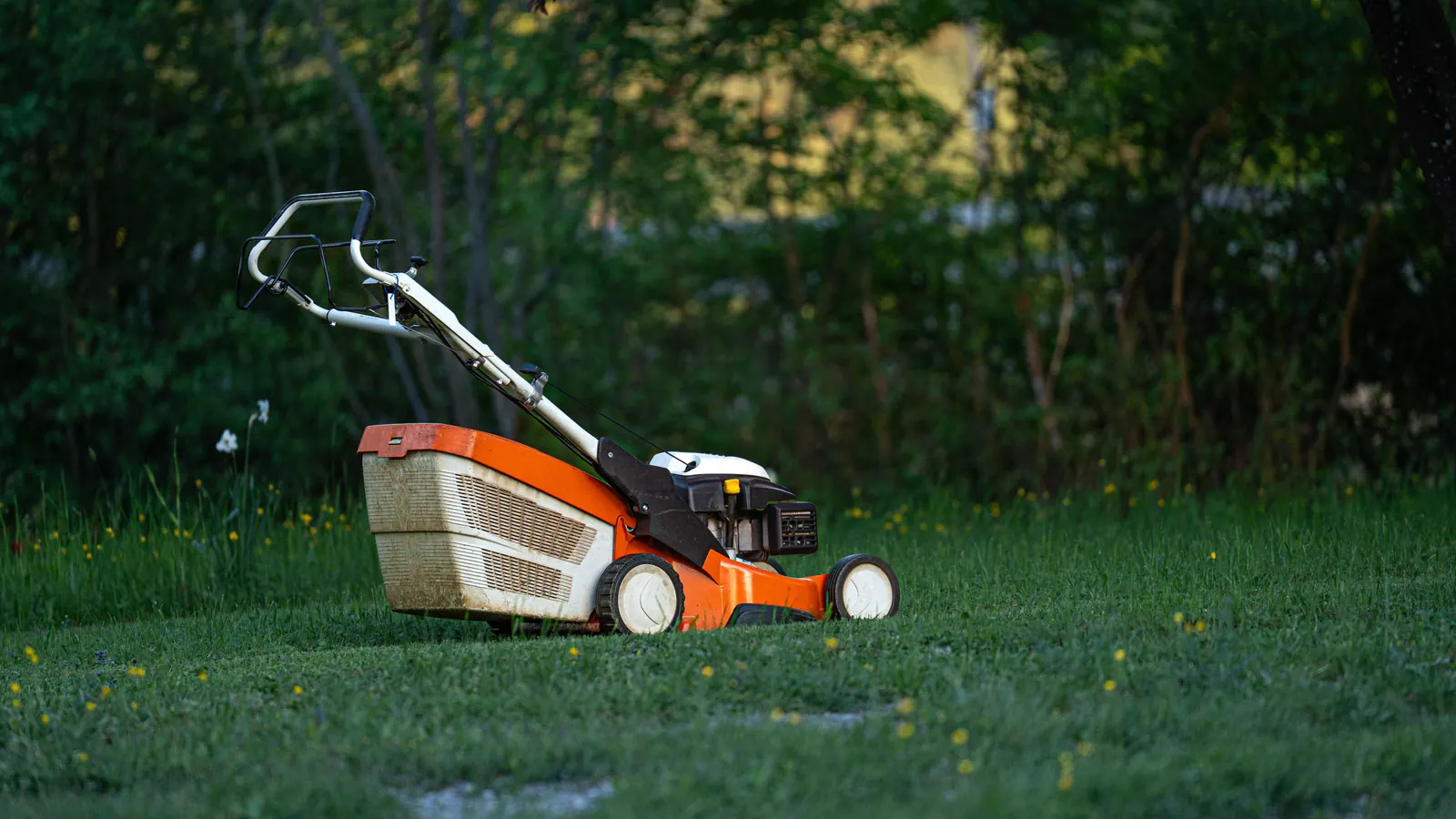
A true push mower moves only when you push it. That suits small, mostly flat lawns, and it keeps the machine lighter, simpler and cheaper than a self-propelled model. The remaining choice is what turns the blade: your own walking (a manual reel), a battery or a gas engine. If pushing is exactly what you want to avoid, skip this category and shop self-propelled instead. Retailers often lump both under “push mower,” so read the drive specification.
Three kinds of push mower
| Type | What cuts the grass | Suits | Owning it |
|---|---|---|---|
| Manual reel | Blades spun by the wheels as you walk | Small lawns mowed often | Quiet, no fuel; needs regular mowing and blade adjustment |
| Battery rotary | A battery motor | Small to medium lawns | Charging routine; battery cost if not included |
| Gas rotary | An engine | Larger lawns, tough grass | Fuel, oil and engine service |
“Self-propelled” describes driven wheels, not fuel, so there are battery and gas models of both kinds. Big rear wheels do not mean they are powered.
Is pushing realistic for your lawn?
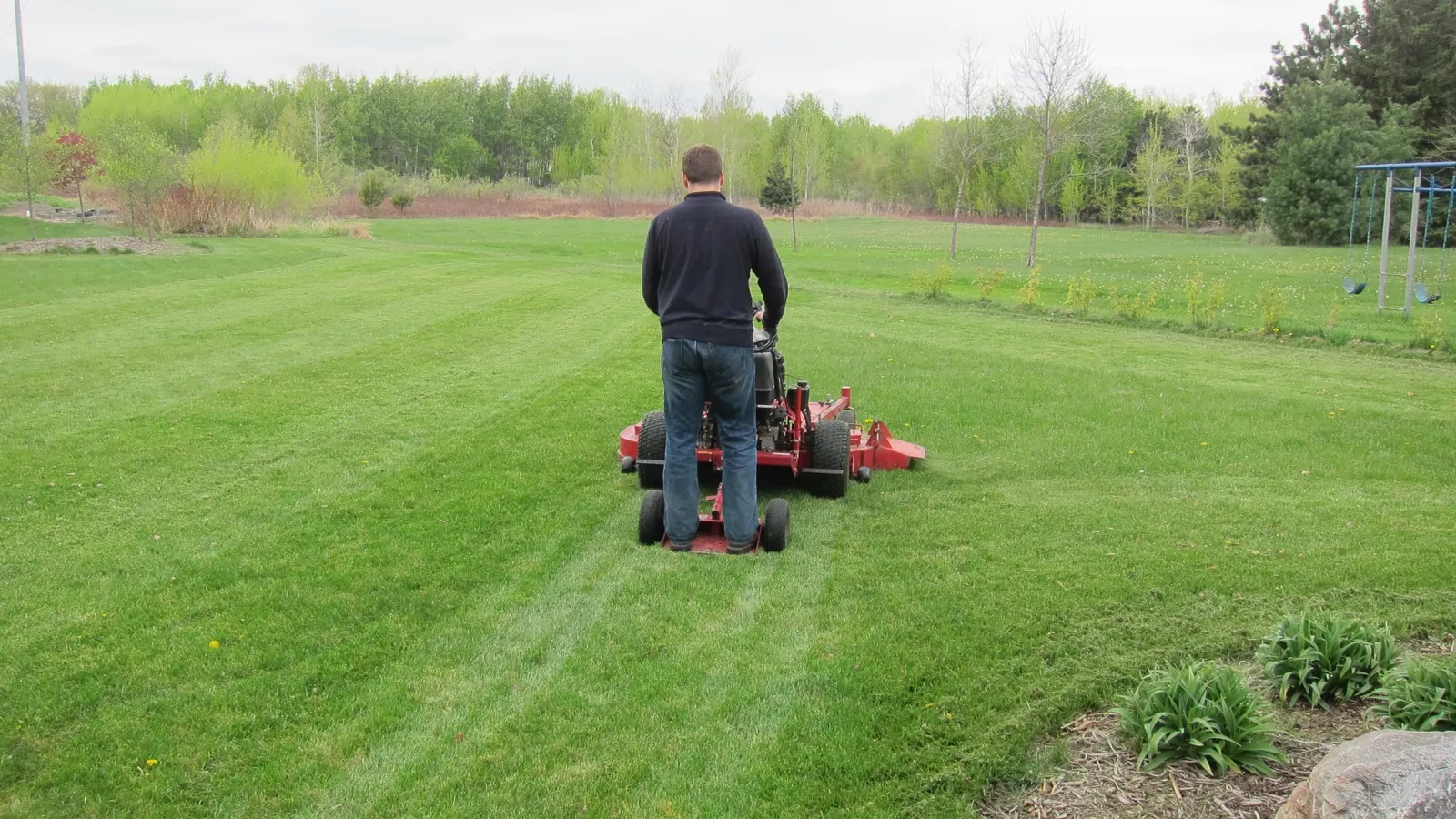
Walk the lawn. Long straight passes are easy to push; lots of short turns around trees, beds and gates add up quickly, even on a small lawn. Slopes add effort too. Look at the trip from storage to the grass as well: steps, a narrow side gate or a garage threshold.
If a store has one, try the handle height and controls. The listed weight helps, but how the mower pushes and turns on your own grass is what you feel each week.
Reel or rotary
A manual reel mower is a good fit for a small, well-kept lawn you can mow often. University of Maine’s mower guidance discusses reel mowers for small lawns and walk-behind rotaries for areas with obstacles. Reels struggle when grass gets long or when twigs litter the lawn, so they reward a regular routine.
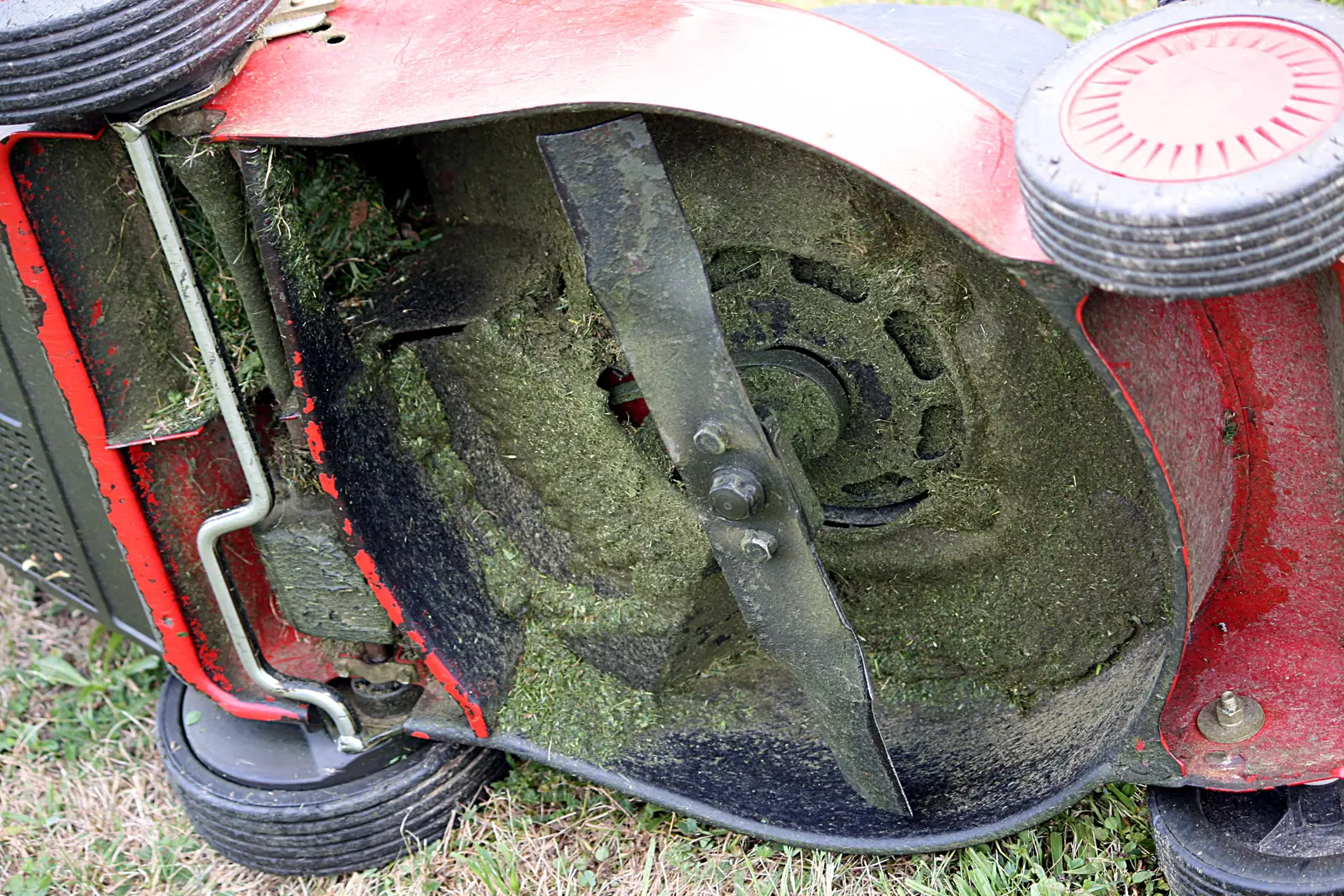
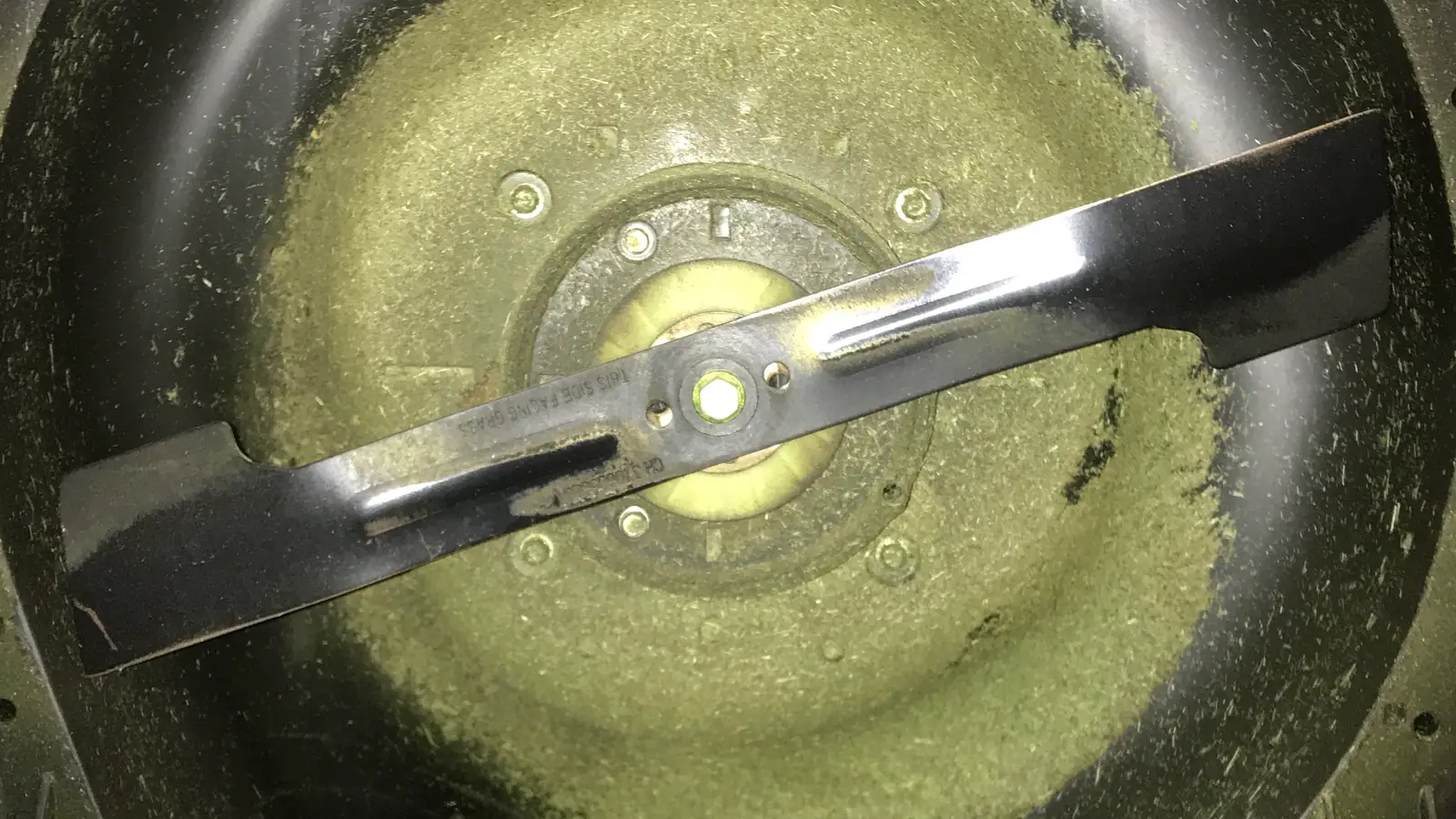
Whatever you choose, check that its height range covers the recommended mowing height for your grass type, and keep the blade sharp. A rotary mower may mulch, bag or side-discharge; “3-in-1” on the box does not guarantee the bag and mulching plug are included, so check the parts list.
A battery example
EGO’s LM2110 family is a 21-inch push platform sold both as a tool-only mower and as a kit with battery and charger. Price comparisons only work when you match those configurations, and run-time claims apply to the battery named in the listing. We have not measured its run time or cutting quality.
A label to watch for
Toro’s 21321 is listed with rear-wheel self-propulsion, though mowers like it often appear in push-mower search results. If you want a true push mower, take models like this off the list. If you want help on a slope, it belongs on it. On your comparison sheet, keep separate columns for power source and wheel drive.
Deck width
A wider deck means fewer passes on open grass. Across a 20-foot-wide strip (240 inches), a 20-inch deck needs at least 12 passes and a 24-inch deck at least 10, before overlap and turning. The trade-off is maneuvering and storage: a wider mower is harder to steer around beds and may not fit through a gate. Check the overall width, including any discharge chute, not just the cutting width.
Folding, storing and servicing
Check how the handle folds and which storage positions the manual allows; some gas mowers must not be stood on end. Budget for a battery and charger when the listing leaves them out, or for fuel and engine service. Every type needs the blade and wheels kept in order. Before cleaning or clearing a clog, remove the battery or safety key, or disconnect the spark plug wire on a gas mower, as the manual describes.
If the lawn has grown past what you want to push, the lawn care hub covers self-propelled and riding mowers.
Written from manufacturer and retailer information and general garden practice. GardenHelm has not physically tested the products discussed here. How we choose products