Commercial Walk-Behind Mowers: Compare the Route, Controls and Support
A commercial walk-behind has to fit a working route: loading, gates, clippings and service. Count the non-cutting time and compare machines around your real job sites.
By GardenHelmPublished 5-minute readMore in Lawn Mowers
In this guide
Toro lists its 36-inch ProLine 44410 mid-size walk-behind at 595 pounds. That one number explains most of what separates a commercial walk-behind from a homeowner mower: it rides on a trailer, needs a proper ramp, steers with hydrostatic drive and twin levers, and is not something you lift over a step or squeeze through every garden gate. The right machine is the one that fits your route, from the trailer to the narrowest gate to the last stripe, and that a dealer near you can keep running.
What “commercial walk-behind” covers
The label spans two quite different machines.
Compact professional mowers, typically 21-inch, look like heavy-duty versions of a homeowner push mower. Toro’s historical 2010 professional 21-inch brochure shows that “professional” does not have to mean wide; it is a reference for the category, not a guide to today’s lineup or performance. These get through gates and into small fenced yards and are easy to lift onto a truck.
Mid-size walk-behinds are a different class. The current US ProLine 44410 page lists a 36-inch, 10-gauge steel deck, a 14.5 hp Kawasaki engine, a Hydro-Gear ZT-2800 hydrostatic transmission with twin-lever steering, forward speed up to 7 mph, a 1.5 to 4.5 inch cutting height and a 5-gallon fuel tank. A sulky (a ride-on platform behind the mower) is sold separately, as are a soft-side bagger and mulching kit.
The trade-offs follow from that:
- Width and access. A 36-inch deck covers more ground per pass than a 21-inch one, but it will not fit through a narrow gate, and a heavy machine is harder to manage on soft or tight sites.
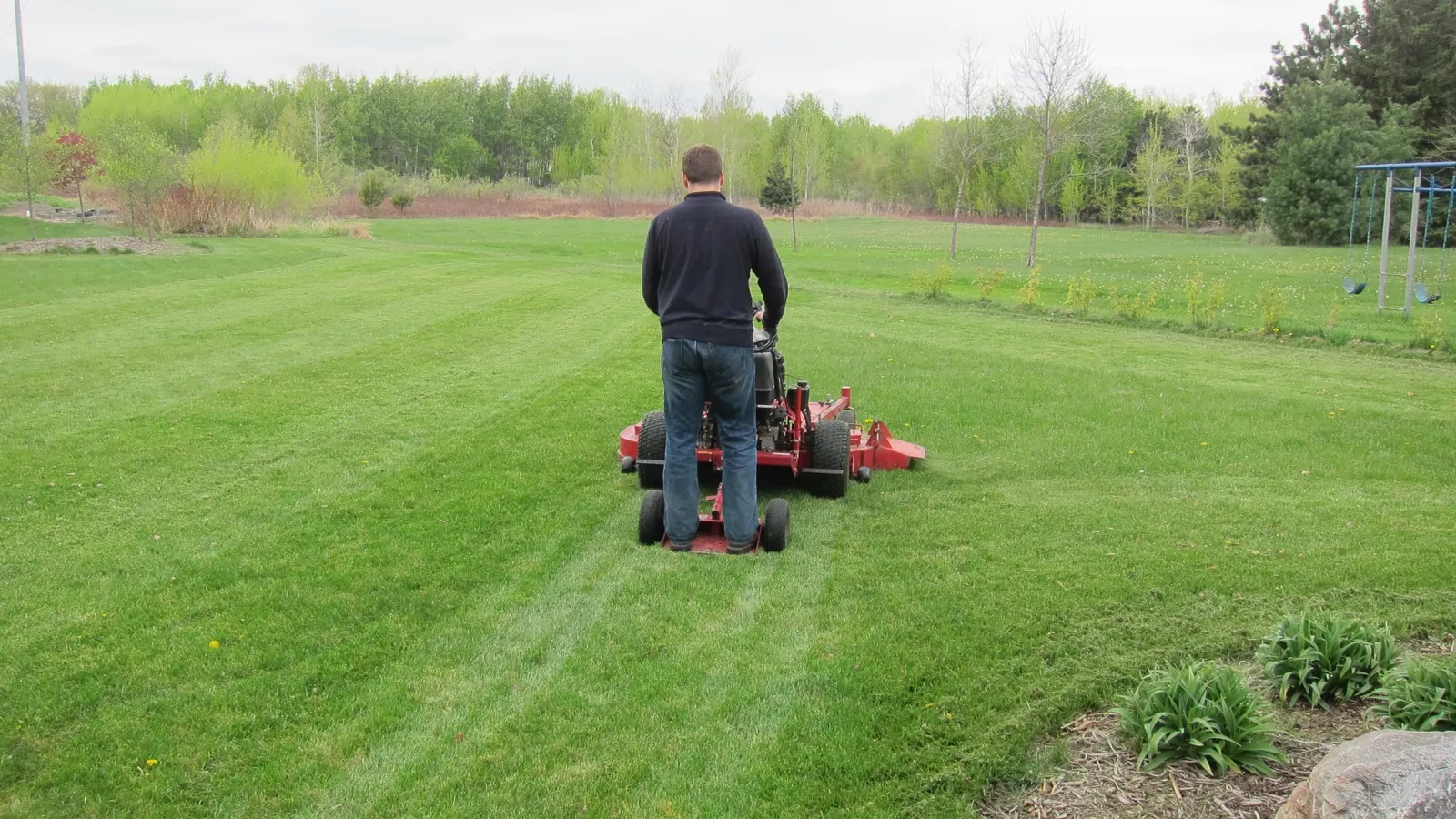
- Walking versus riding. Compare the machine’s length against your trailer before comparing it with riders and stand-ons. A sulky cuts down on walking over big open areas; Toro says its 44410 sulky rotates 360 degrees and folds away for trailering.
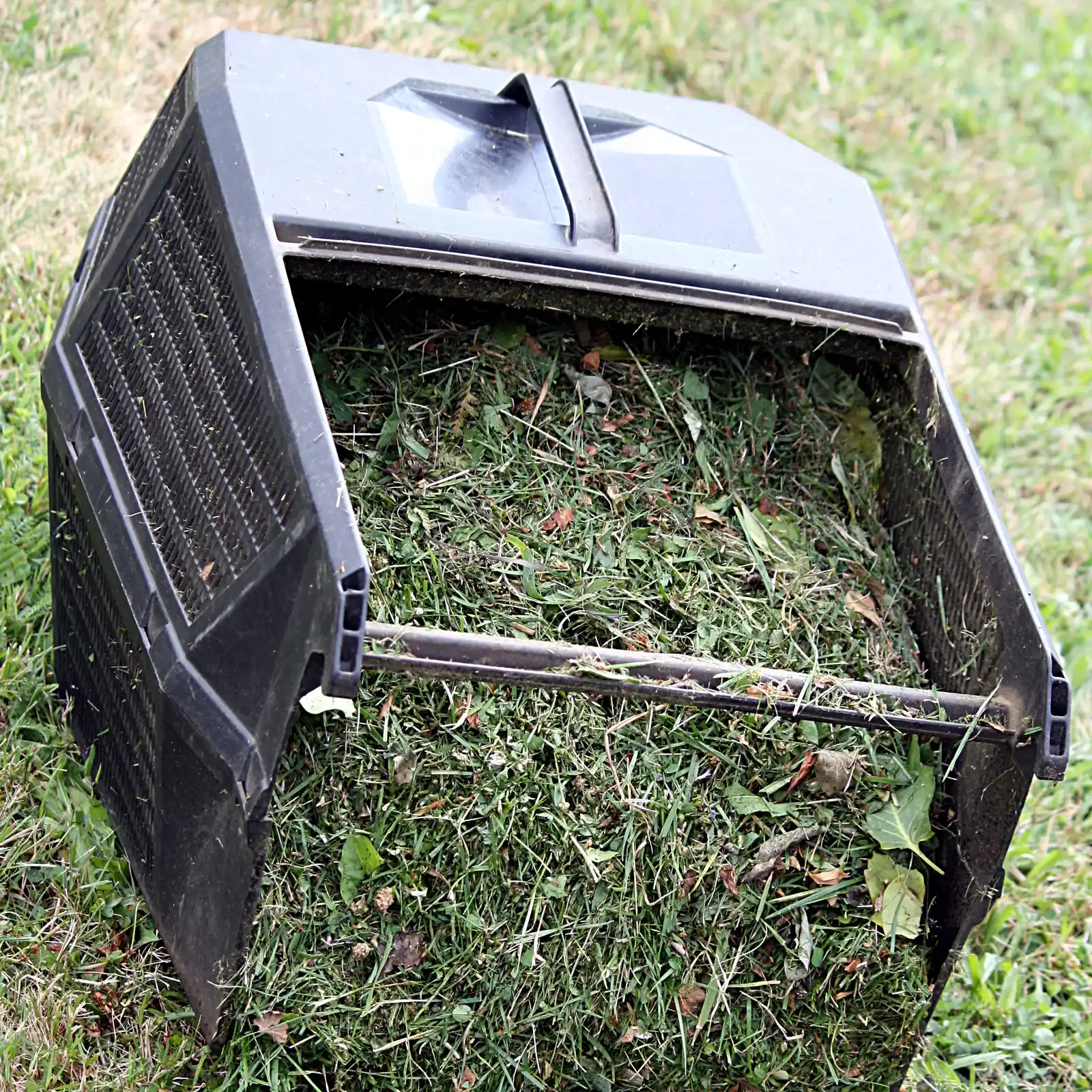
- Clipping handling. On Toro’s page, the bagger and recycler kit are accessories, so a quote for the bare mower may not include what a collection-heavy route needs. Ask what each candidate includes.
- Weight and terrain. A machine near 600 pounds makes loading, slopes and soft ground more serious matters than they are with a push mower.
Start with the route, not the biggest lawn
List the properties you mow and group them by what limits the machine: narrow access, wide open turf, heavy collection, lots of obstacles, or slopes. A mower bought for your largest open property can add handling time at every small stop. A compact one that fits every gate may take too long where open mowing dominates.
Ask which share of the scheduled work each candidate can actually do. If narrow gates still require the 21-inch mower, the mid-size machine only speeds up the work it takes over. A walk-behind can also serve as a companion to a rider, covering areas the rider cannot reach; judge it on those areas alone.
Treat steep or rough areas separately. Walking behind does not make a mower suitable for any slope; the operator’s manual sets the limits, and some ground needs a different tool entirely.
Time the whole job, not just the cutting
Before crediting a wider deck with a time saving, time a representative day and break it down: driving, unloading, setup, mowing, trimming, emptying, cleanup and loading. Estimates are fine if you label them as estimates.
Mowing is only part of the clock, so a faster cut shortens the whole job by a smaller share than the mowing speedup alone suggests.
Top speed is not an earnings forecast either. Turf conditions, the finish clients expect and interruptions set real mowing speed, so judge a demo on the quality of the cut as well as the clock.
Controls and training
Mid-size walk-behinds steer differently from push mowers. The Toro ProLine operator manual covering model 44410 and other listed models, serial 400000000 and up describes paired motion-control levers, an adjustable reference bar, a separate blade-control switch and an hour meter used to schedule maintenance.
Use a dealer demo to answer specific questions. Can each operator reach the controls comfortably and hold a straight line? Can they explain how to stop the machine and shut it down before the demo starts? If several people will run it, assess each one: a veteran’s preference does not mean a new hire is ready. Budget time for training, and never bypass a safety control to make a demo smoother.
Loading and transport
A mid-size machine changes your trailer setup. The cited ProLine manual calls for a full-width loading ramp at least four times as long as the trailer or truck bed is high, and says to back the mower up the ramp and walk it forward down. That is that model family’s procedure; follow the full instructions for the machine you buy.
Give the dealer your actual truck or trailer details and ask for a documented loading arrangement. A ramp that happens to fit between the wheels is not necessarily rated for the mower’s weight, and a trailer deck’s size says nothing about its load capacity. Plan the load order too: if the blower and trimmers can only come out after the mower is unloaded, every stop takes longer. Storage is a separate question from transport; a machine that fits your shed still has to fit the trailer.
Service and parts
A mower in the shop is a mower off the route, so find out where routine service and breakdowns will be handled. Ask who transports the mower, how quickly common parts arrive, and whether a loaner is available, and get any promise of turnaround or loaner in writing.
Pull the routine wear parts from the exact manual, such as blades, belts and filters, and ask whether the dealer stocks them. Record the model and serial number of the machine you are quoted, because similar names can cover different configurations. Toro lists a 3-year, 750-hour warranty for the 44410, with details from the dealer; compare warranty terms on the same basis for every candidate.
Price each candidate as a complete working package: the mower, the collection or mulching kit you need, a sulky if you will use one, and a suitable ramp. Use real quotes and mark unknown costs as unknown, not guesses dressed as data.
Buying used
Judge a used machine on condition, not on its deck size. Missing guards, home-made modifications, worn belts and spindles or an unknown service history are not offset by a wider cut. Have it inspected, ask for the hour-meter reading and service records, and price the parts it needs before you agree a figure.
Is commercial worth it for a homeowner?
Sometimes. A large property, rough turf or a homeowner who mows several lots can justify the durability, but a commercial mower brings commercial weight, transport and service needs. If none of those fit, a well-built residential mower may be the better buy.
Written from manufacturer and retailer information and general garden practice. GardenHelm has not physically tested the products discussed here. How we choose products