What to measure, what to compare and what to leave alone before buying for the yard. Guides that recommend products say where the information comes from.
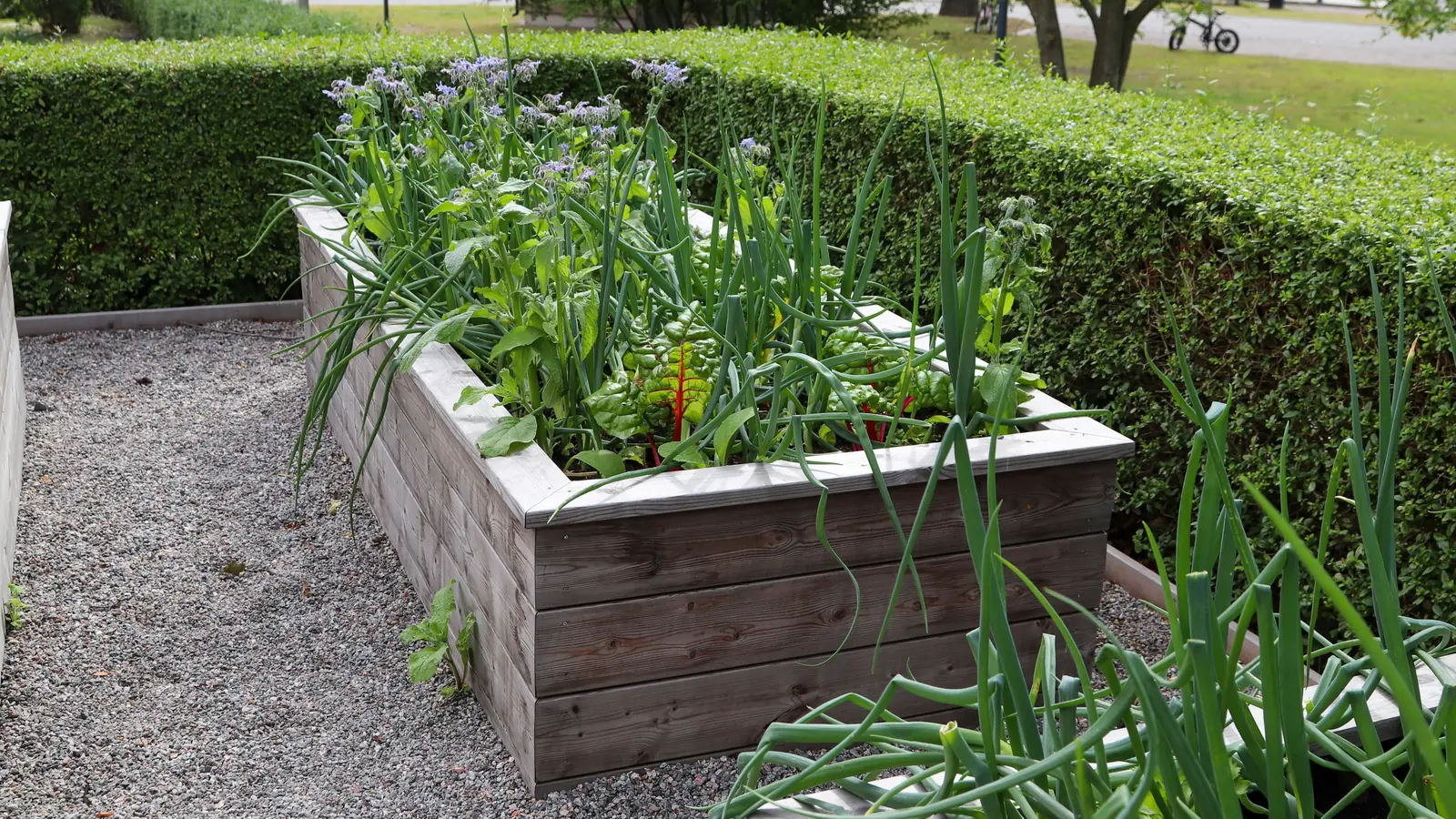
A planter box needs a woodworking plan and a plan for watering and drainage. A small illustrated cedar project, then the decisions that make the finished box easy to live with.
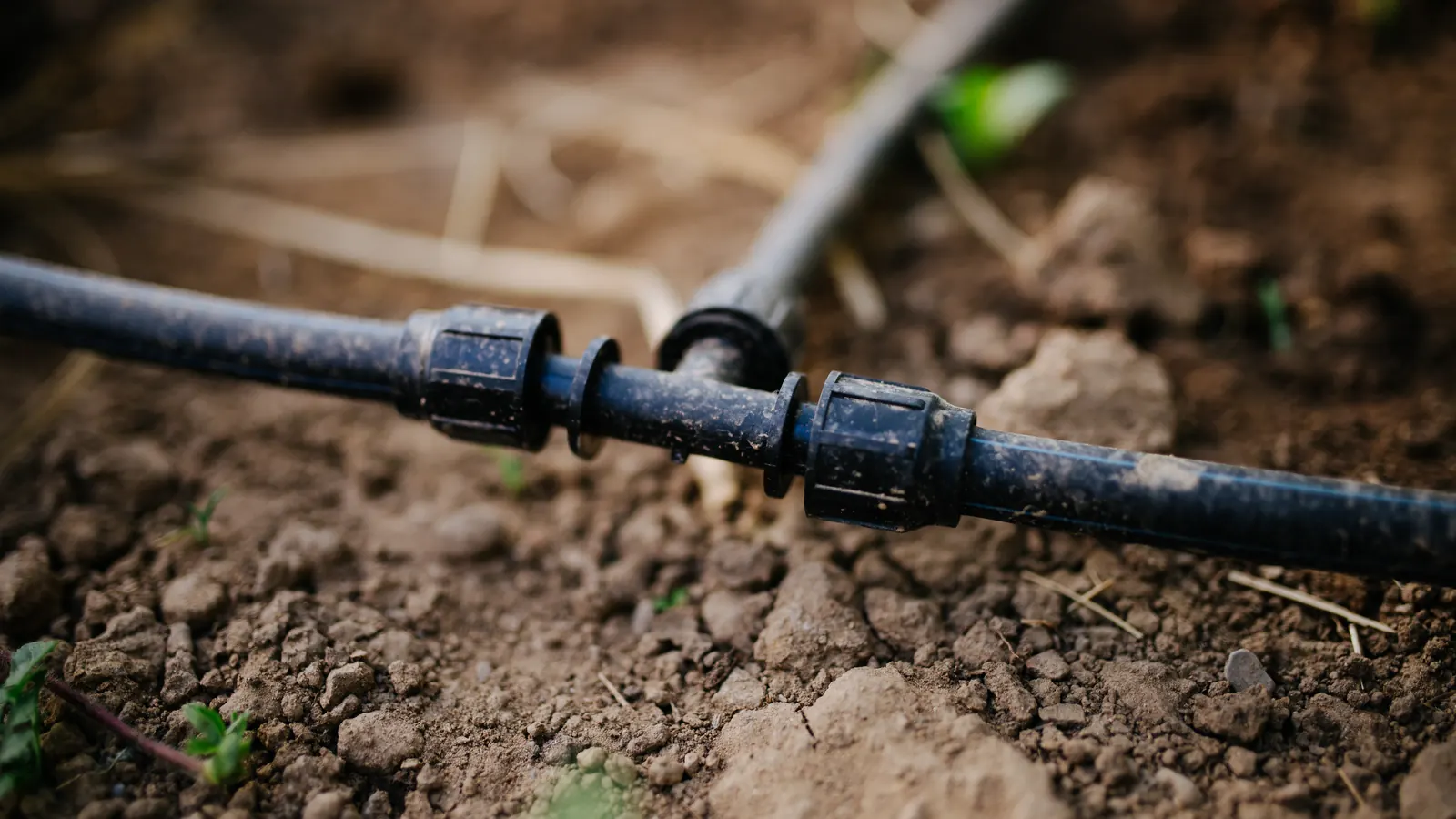
Tubing moves the water; emitters deliver it to plants. Keep those jobs separate, read a real kit layout, and put the filter where you can reach it for cleaning.
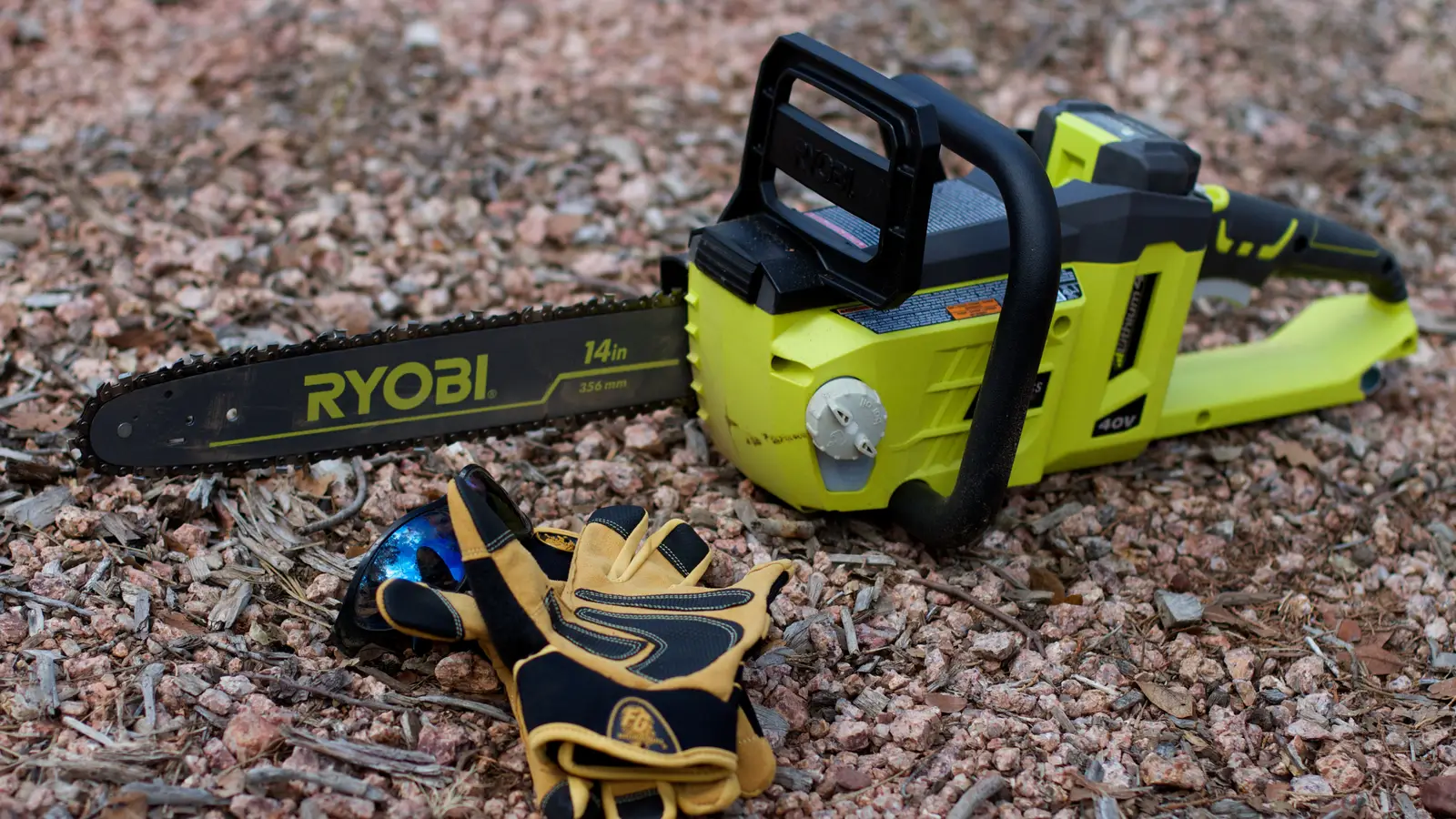
Electric does not mean no chain oil. Compare corded and battery saws as complete working packages, with a real cable plan for corded and a real kit for battery.
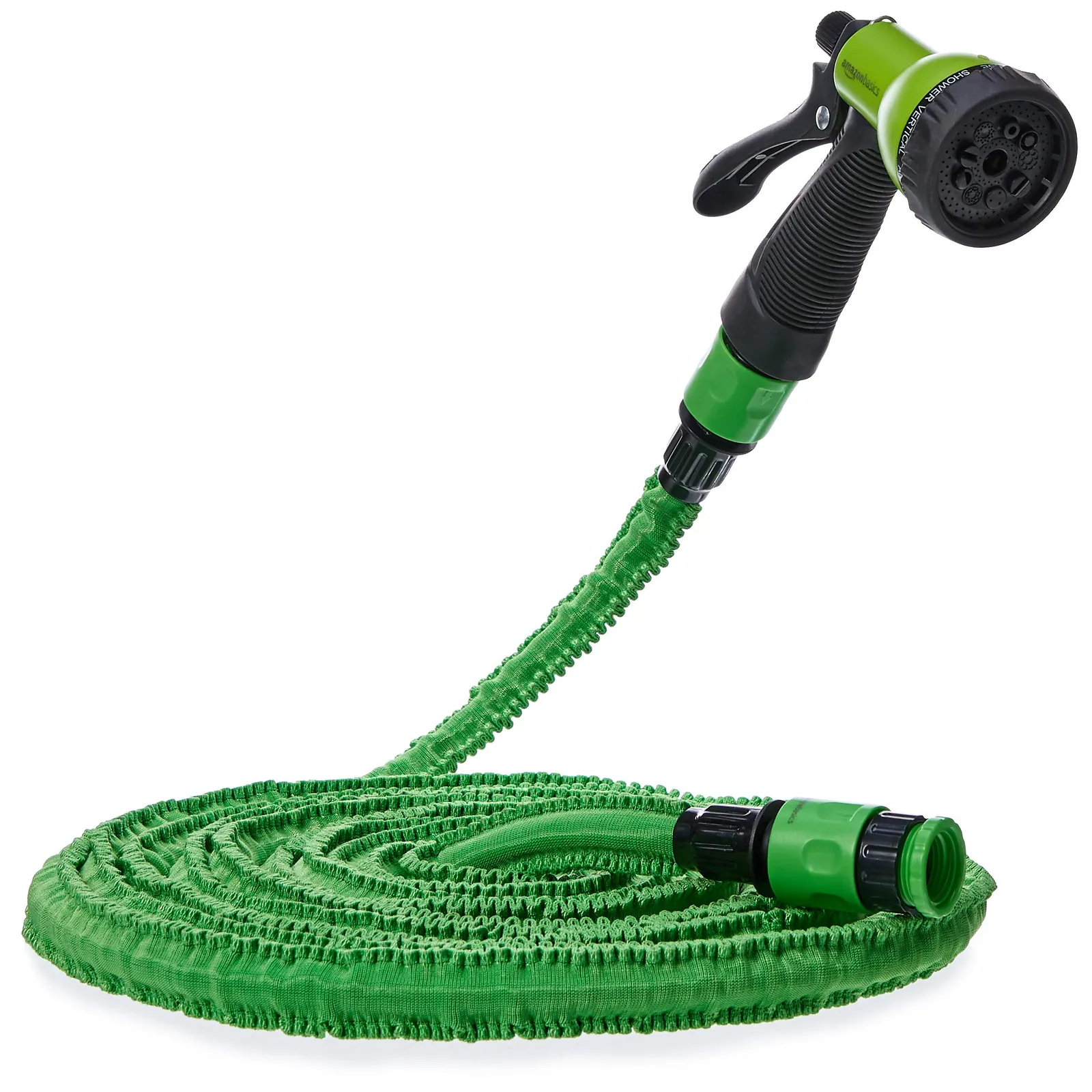
An expandable hose stores small and stretches under pressure, which suits a patio. Know the gap between working and burst pressure, and how much reach you really get.
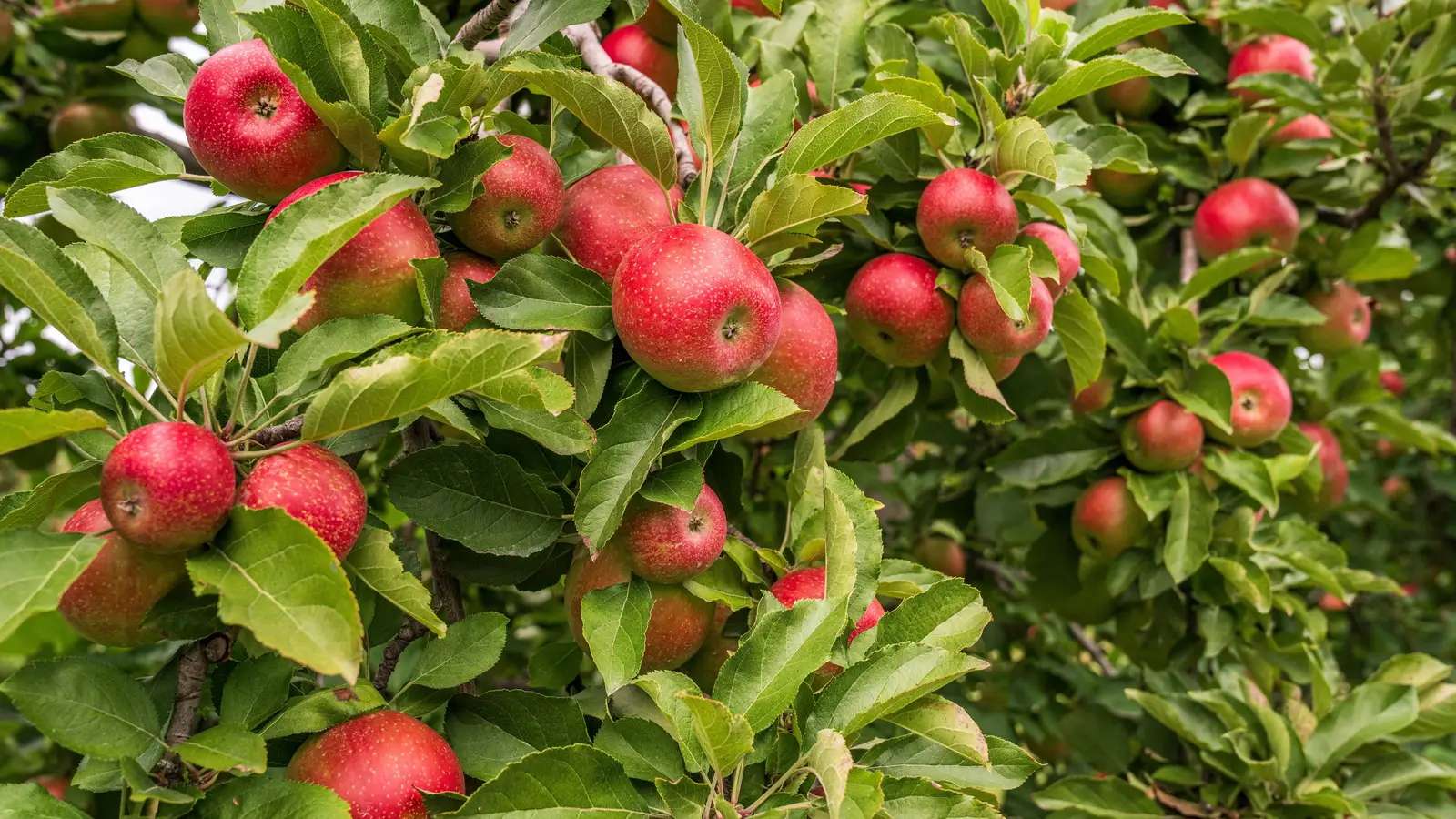
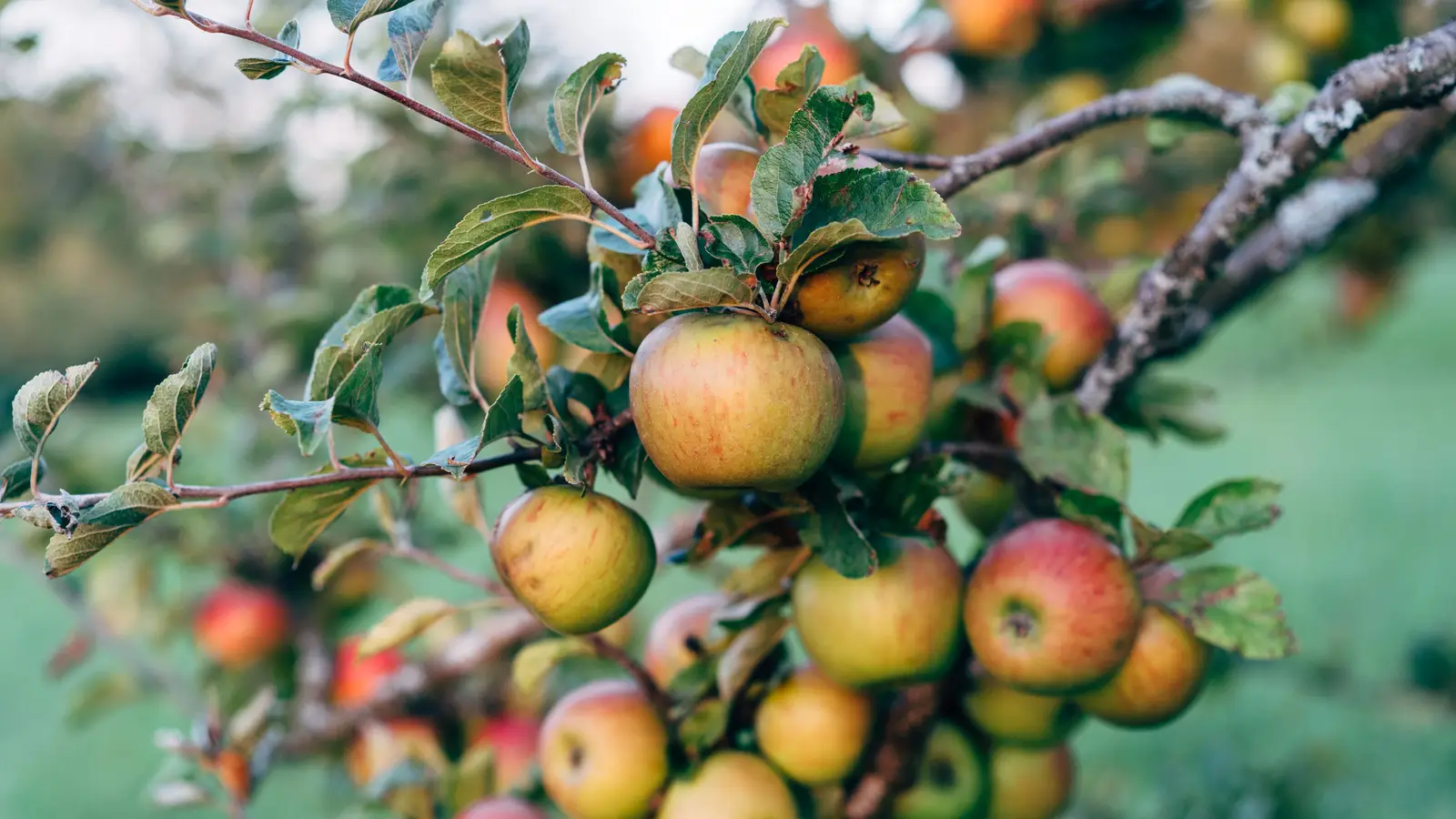
A bag with fruit on it does not say the nutrients suit your soil. Start with what the tree needs, read the numbers and treat apples, pears and stone fruit as separate decisions.
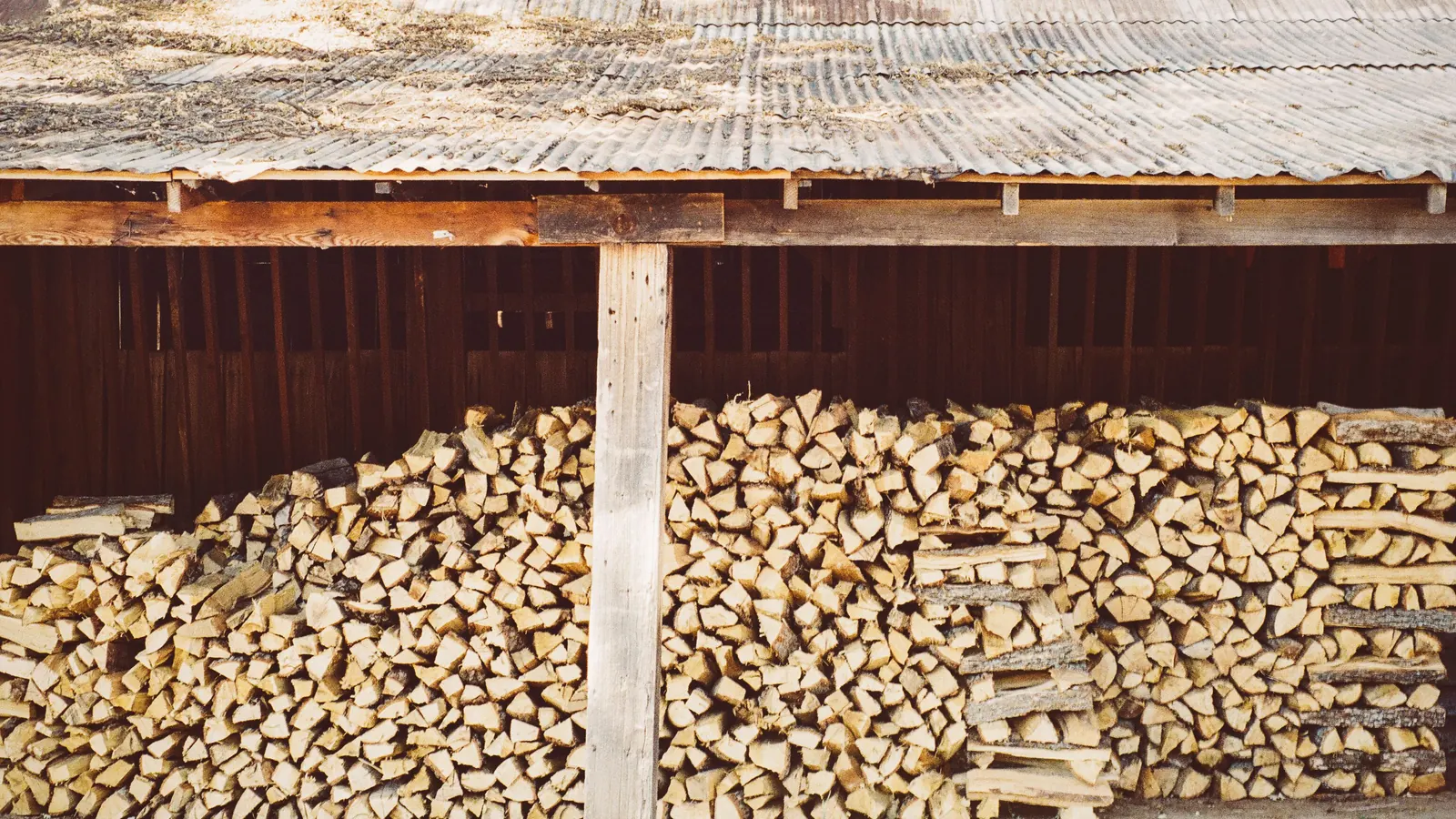
A woodshed should keep rain off the stack and let it breathe, unlike a sealed garden shed. Estimate real capacity, check the base and place it with fire risk and access in mind.
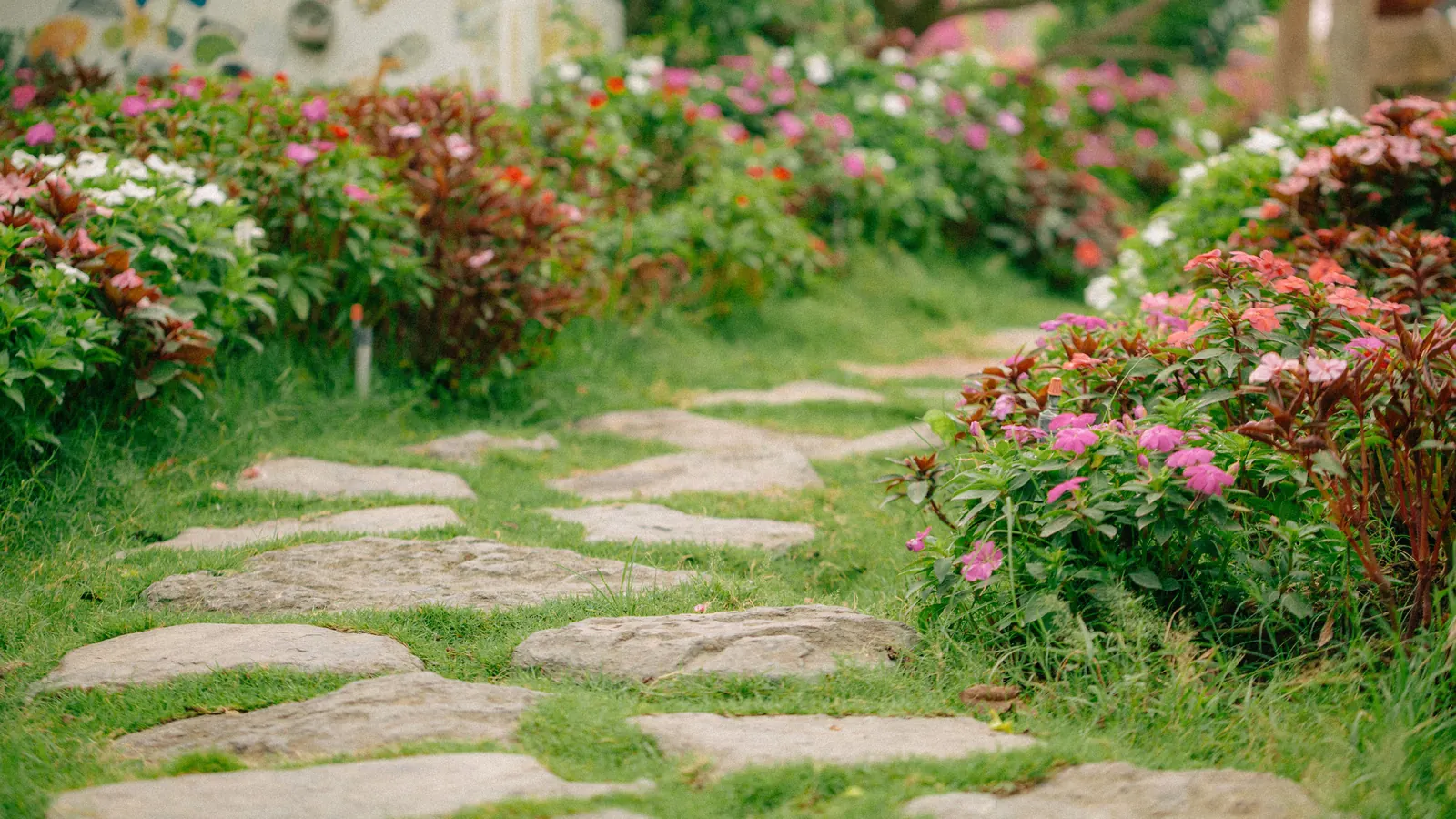
You do not need a timber frame, a truckload of soil or a different flower in every gap. Start with a border you can water and weed, clear what is growing there and plant for the site.
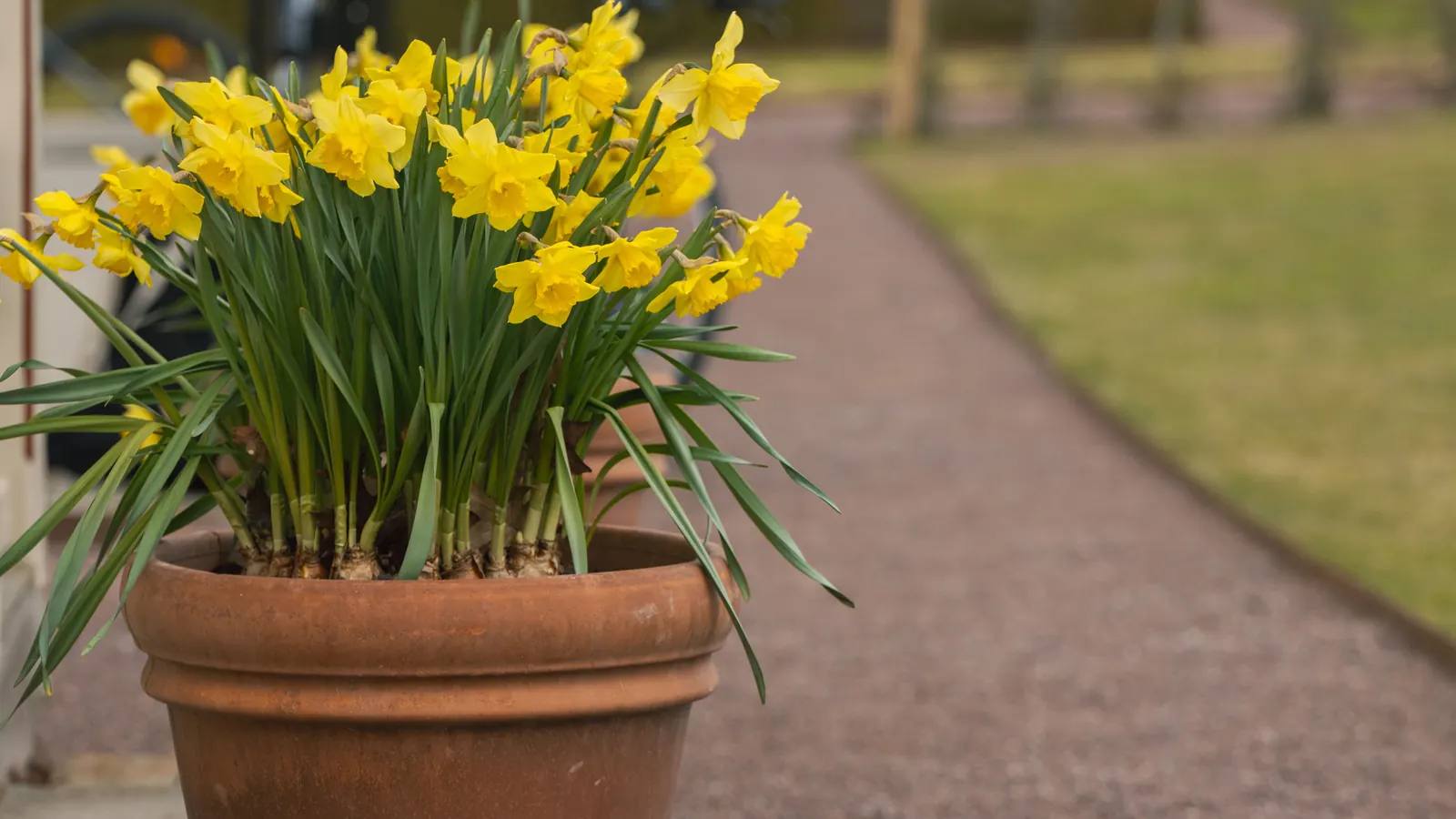
Will you plant straight into the pot or slip a growing pot inside? That decides drainage, how you move the plant and which measurements matter. Color comes after.
A spray only helps when it matches the pest, the edible crop and the moment treatment can work. Identify the problem, read the label as a set of decisions and keep pollinators in mind.
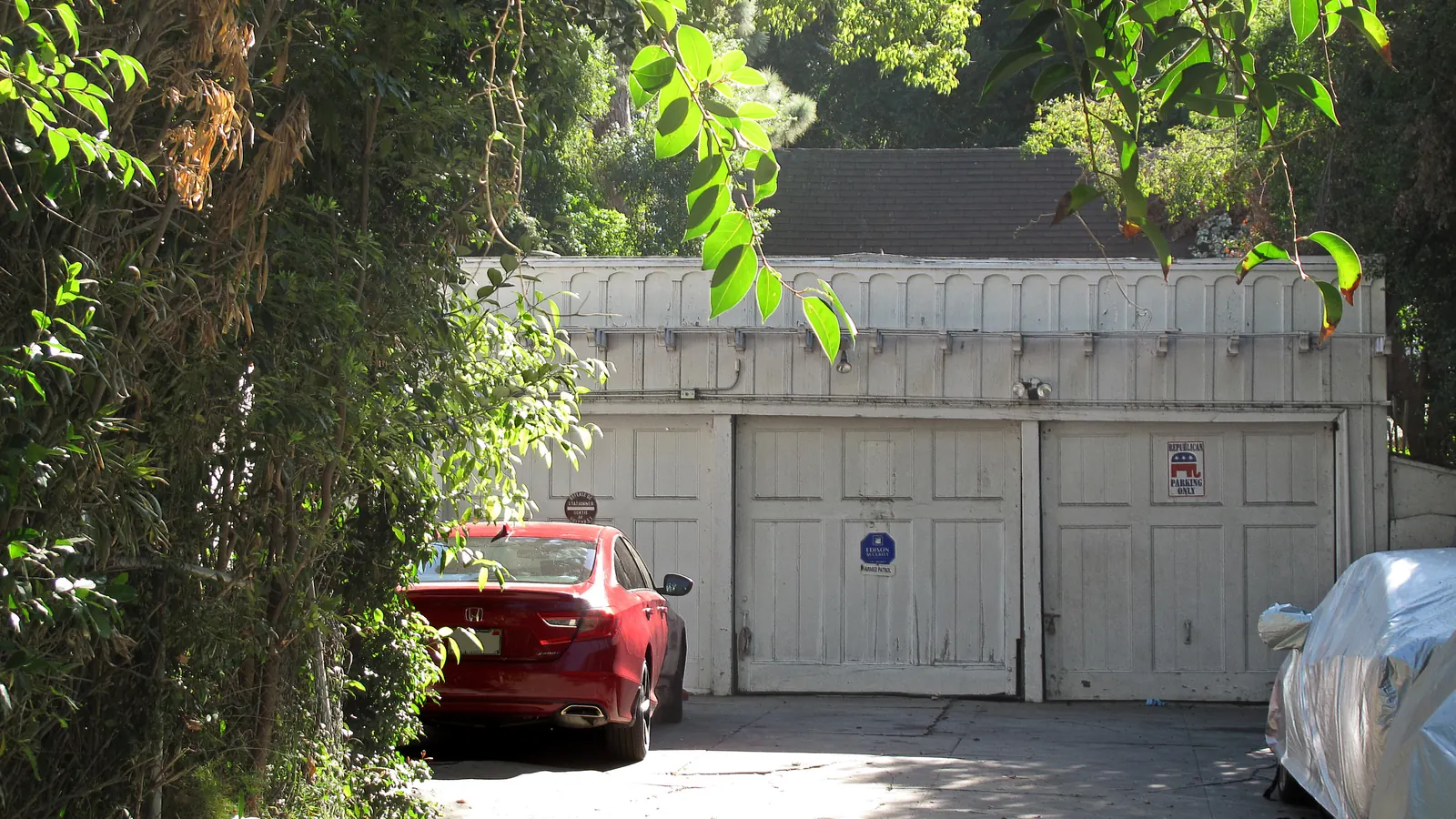
Fitting a vehicle through the door is only the start. The floor, foundation, framing and driveway access all have to suit it, so compare complete quotes, not shell prices.