Snow Blowers: Choose the Stage, Surface Fit and Power Setup
A wide intake or a long throw distance does not tell you whether a machine fits your driveway. Start with the surface and the snow you get, then compare stages and power.
By GardenHelmPublished 5-minute readMore in Garden Tools
In this guide
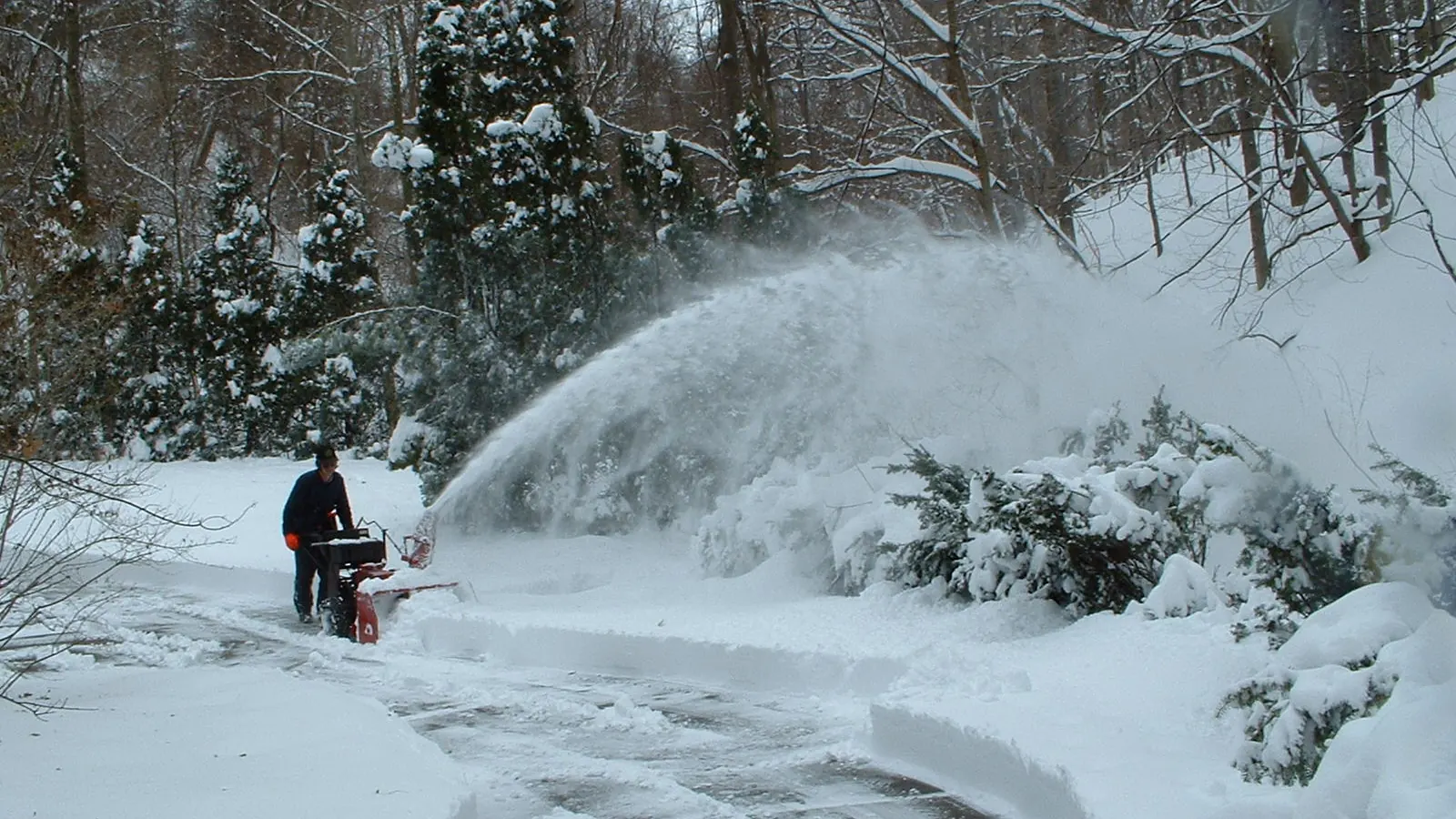
Two questions narrow the choice fast. What surface do you clear, and how much snow do you usually get? Single-stage machines, where one auger both gathers and throws the snow, suit paved driveways and walks in lighter snowfalls. Two-stage machines add an impeller to throw the snow, handle heavier snow and larger areas, and are the type makers point to for gravel. Gas versus battery (or corded) is a separate choice about power, so settle the stage first, then the power setup, then check that the machine fits your route, your storage and the places the snow can go.
What the stages do
Ariens’ explanation describes the single-stage auger that gathers and throws snow, and the two-stage design where an auger gathers and an impeller discharges. Ariens associates single-stage machines with smaller, lighter-snow jobs and two-stage machines with heavier snow and bigger areas. Toro’s snow-blower overview puts its single-stage groups on pavement and its two-stage group on gravel and pavement, in both battery and gas versions.
Those are family-level guides. Check the specific model’s manual for the surfaces it allows, and treat a mixed route of paving, gravel, a steep section and steps as separate jobs; one machine may not suit them all.
Where the snow goes
Sketch the areas you clear and where the snow can land: not on the car, the door, the path you just cleared or the neighbor’s walk. A driveway with open lawn on both sides is a much easier job than one boxed in by a wall and parked cars.
| Part of the route | Compare |
|---|---|
| Long driveway passes | Clearing width, drive controls, number of passes |
| Narrow walkway | Overall machine width and room to turn |
| Around parked cars | Space to maneuver and somewhere to throw the snow |
| Surface changes | What the manual allows on each surface |
| Into storage | Door width, threshold and turning room |
Clearing width is not the machine’s widest point; measure gates and the shed door against the overall dimensions. At a dealer, try engaging the drive, slowing, stopping and turning. A machine that rolls forward easily can still be a handful to reposition.
Gas, battery or corded
Battery. Find out which batteries and charger are in the box and what any “driveways per charge” claim assumes. Your summer-tool batteries help only if the maker approves them for that snow blower. Compare complete kit prices, not the bare tool against a full kit.
Gas. Plan for the engine’s fuel, starting and maintenance routine. Electric start only helps you start a gas engine; it does not make the machine battery powered, and some electric-start systems need an outlet.
Corded. A corded blower needs a suitable outlet and the cord the instructions specify, run around obstacles to the far corner rather than measured in a straight line. Keep the cord away from the intake as you work, and do not join cords to stretch the setup beyond what the manual allows.
Two documented examples show different jobs:
- The Toro 1800 Power Curve, model 38381, is a corded single-stage machine with an 18-inch clearing width and a 15-amp motor. Its US support record lists a 120 VAC motor and links serial-specific instructions covering supply and surfaces.
- The EGO SNT2400 family is a 24-inch two-stage battery design with forward and reverse self-propulsion. The SNT2400 is the tool only; the SNT2405 adds two 7.5 Ah batteries and a dual-port charger. The configuration table showed coming-soon labels during our October 31, 2026 review, so check current availability.
| Toro 38381 (corded) | EGO SNT2405 (battery) | |
|---|---|---|
| Format | 18-inch single-stage | 24-inch two-stage |
| Power planning | Outlet and the specified cord for the whole route | Two included batteries and a charging plan |
| Handling | Turning with a cord attached | Drive engagement, forward and reverse, room to turn |
| Package | Instructions for your serial range, plus the cord | Confirm you are buying the kit, not the bare tool |
A compact corded machine suits a short paved route near an outlet. A self-propelled two-stage battery machine suits a bigger job, if its handling, surfaces and battery package fit. Neither is a winner over the other, and neither removes the need to plan where the snow goes, how you stop and clear blockages and where it lives.
Intake height does not promise a clearing depth, and the dense ridge the plow leaves at the end of the driveway is a different load from fresh snow; ask about both for the specific model. On tight paved steps and paths, a small electric snow shovel can complement a larger machine.
Before the first storm
Note the model and serial range, keep the matching manual and find out where to buy wear parts such as shear pins, scraper bars and paddles. Replace shear pins only with the maker’s specified pins; an ordinary bolt removes the protection they provide. Ask which jobs are yours and who services the machine.
Blockages are where injuries happen. CPSC’s snow-thrower alert warns never to put your hands in the auger or chute, and to stop the engine before clearing or adjusting anything. Use your machine’s shutdown steps and clearing tool every time; an auger that looks stopped can still turn.
Storage
Measure the machine in its storage configuration, handle and chute included, and keep a clear path to it so the first storm does not start with moving boxes. Store fuel or batteries as the manual directs.
The garden tools hub covers other seasonal equipment.
Is a two-stage machine always the better buy?
No. Extra capacity is wasted if the machine is too big to turn, store or use on your surfaces.
Does a snow blower replace an electric snow shovel?
They can share the work: the blower for the driveway, the shovel for steps and narrow paths where the bigger machine does not fit.
Written from manufacturer and retailer information and general garden practice. GardenHelm has not physically tested the products discussed here. How we choose products