Pruning Shears: Choose the Cutting Action and Fit for the Job
A bigger printed diameter is not a better pruner. Choose bypass, anvil or ratchet action first, then the fit in your hand, and know when to switch to a larger tool.
By GardenHelmPublished 4-minute readMore in Pruning & Cutting
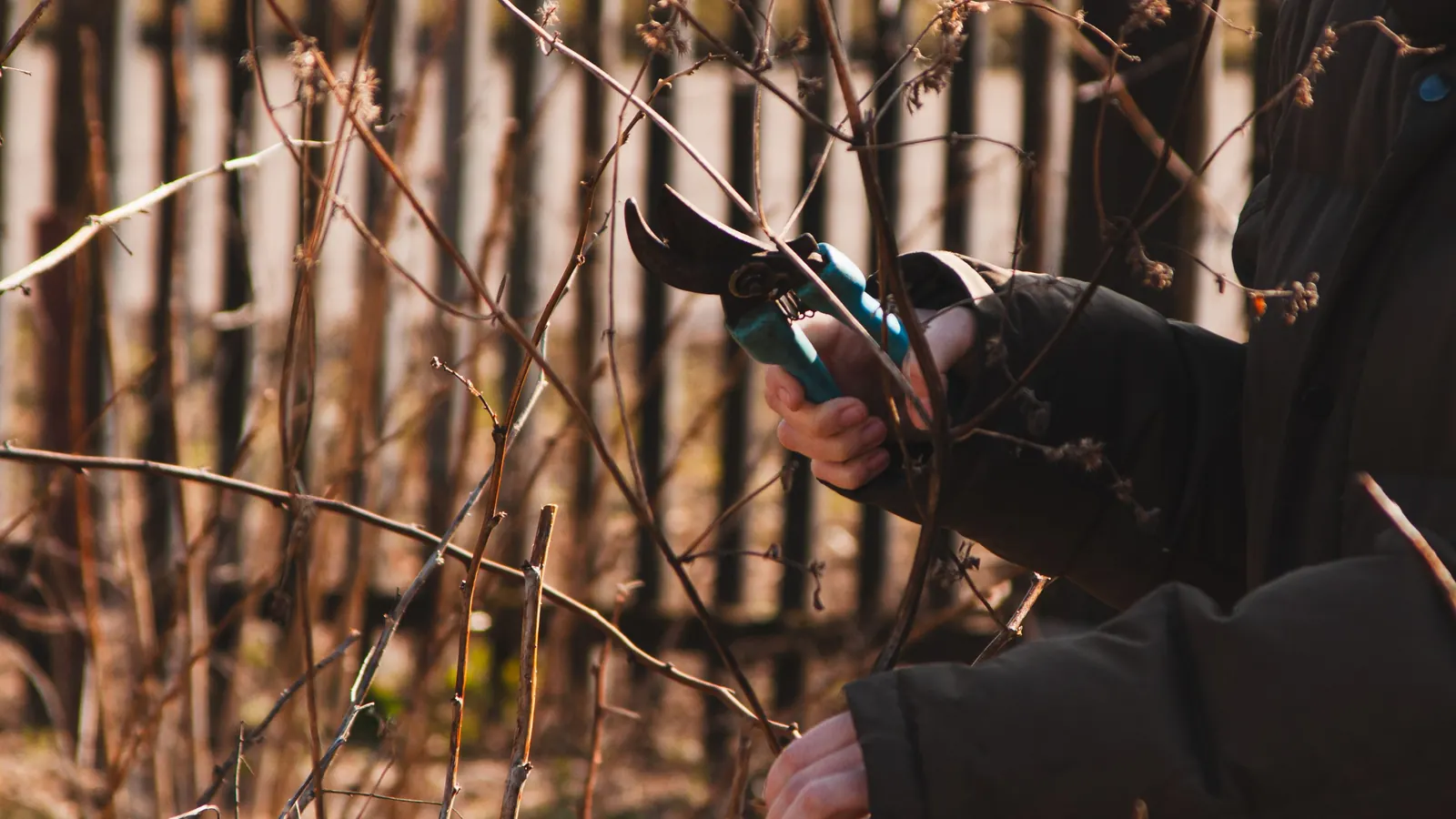
The usual mistake with pruning shears is shopping by the biggest printed cutting diameter. A pruner that opens wide but fits your hand badly will cost you control on the hundredth cut, and a stem near the limit is the one that tears. Choose the blade action for the cuts you make most, then the fit, and treat the printed number as a ceiling.
Blade action and handle mechanism are separate questions. Bypass and anvil describe how the blades meet. A ratchet or geared handle describes how your force is multiplied, and it can come on either blade arrangement.
Anvil or bypass
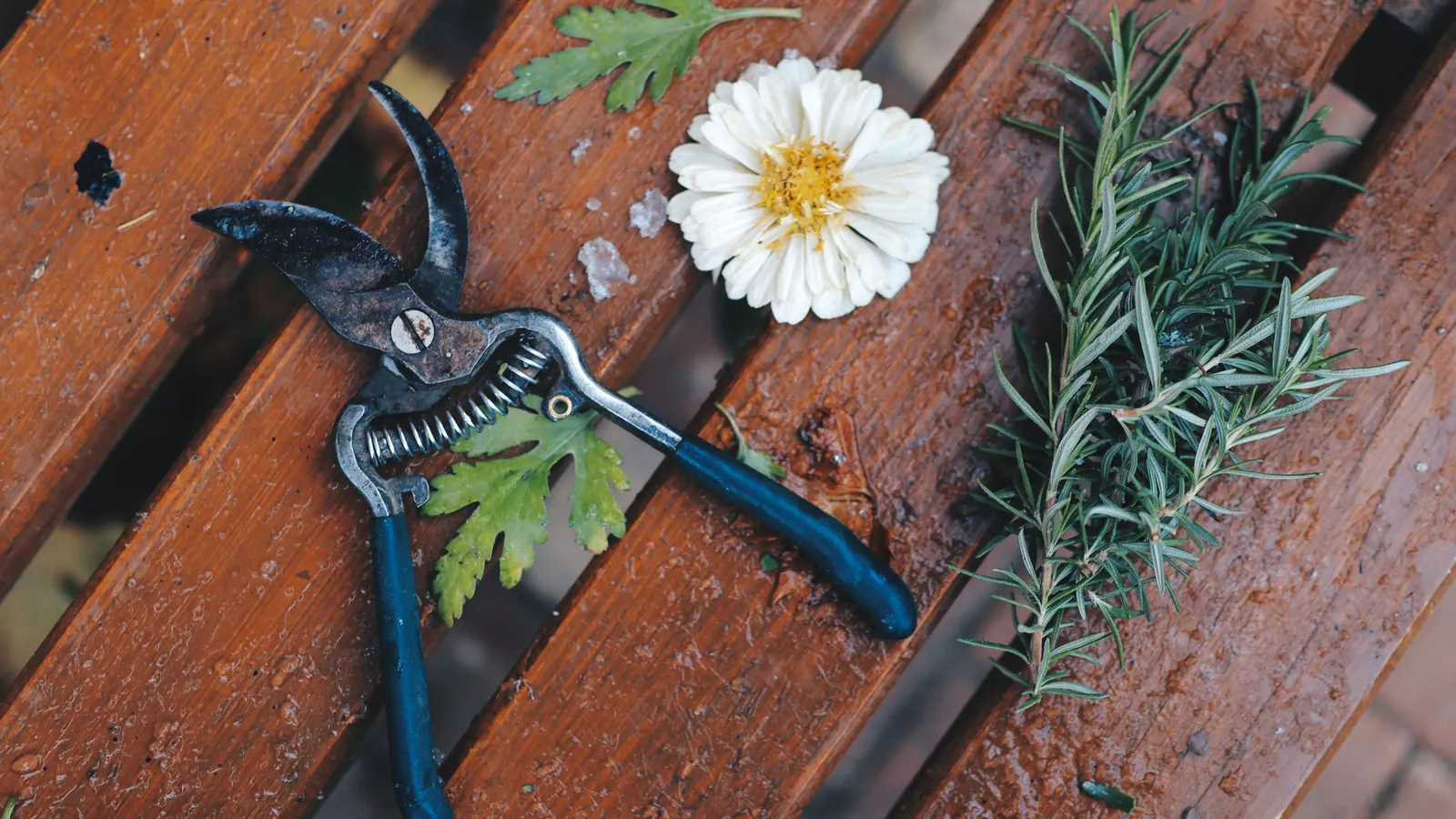
A bypass pruner slides a sharpened blade past a hooked lower blade like scissors. An anvil pruner presses a blade down onto a flat surface. Iowa State Extension’s pruning-equipment guide says bypass hand pruners are generally preferred, because anvil types cannot cut as close and are more likely to crush stems. It also says anvil pruners are effective on dead branches and less likely to jam. That gives a practical split: bypass for living stems where the cut should be clean and close, anvil for dead wood. For a mixed garden, one bypass pair covers most of the work.
| Tool | Use it for | Limit |
|---|---|---|
| Bypass hand pruner | Living stems, close clean cuts | Stay within the stated capacity |
| Anvil hand pruner | Dead branches | Crushes living stems |
| Snips | Harvesting and grooming soft stems | Small capacity |
| Powered pruning shear | Heavy volume of cutting | Follow the exact machine’s instructions |
The same Iowa State page gives size guidance: hand pruners are generally for branches up to 3/4 inch in diameter, loppers for 3/4 to 1 1/2 inches, and a pruning saw for branches larger than 1 3/4 inches. It adds that forcing hand pruners onto larger wood can produce torn, jagged cuts and may damage the shears. If a cut needs twisting or both hands straining, switch tools. A motorized shear still needs suitable access and the manufacturer’s operating instructions, which are worth reading before first use.
Fit
Check the pruner open as well as closed. A handle that feels fine in the palm may need too much stretch to start the next cut, so try it with your usual gloves if you can. Handedness and the lock position vary, and a model made for right-handed use may be awkward in the left. Rotating handles change the movement and deserve their own try-out. Pause when a task causes discomfort; a long pruning session is a different test from one cut.
FELCO’s FELCO 2 page shows how to read a specification. It is a bypass tool for right-handed users with large hands, rated at a 0.98-inch cutting diameter, 8.46 inches long and 0.55 pound net weight, with replaceable components listed. Keep the stated limit as the limit: a nominal inch of diameter is not a promise that every inch-thick branch will cut easily. We have not tested this model.
Sharpening and sap
Sharpness matters as much as type. Fine Gardening’s pruner sharpening guide describes a method for hand pruners:
- Scrub sap and grime off first with a scouring pad and warm soapy water, and dry the tool. Rust yields to steel wool.
- Sharpen only the outer, beveled face of the cutting blade; reader comments warn that filing both faces ruins pruners.
- Use diamond files in coarse, fine and extrafine grits, held at the existing bevel angle, which the article puts at usually 10 to 20 degrees. Stroke toward the tip along the curve of the blade, about 10 to 20 draws for a well-kept blade and more for a neglected one.
- Run the extrafine file over the back a few times to remove the burr, then test on a twig.
- Wear gloves, and apply a dry or silicone-based lubricant afterward.
That article describes hand pruners generally, so for an anvil model follow the maker’s sharpening directions. FELCO lists replaceable components on the FELCO 2, which is worth looking for if you want a pruner you can repair. A cleaning step for disease control is a separate matter. Use plant-specific Extension advice, plus the manufacturer’s note on which disinfectants the metal and coatings tolerate.
Working safely and storing
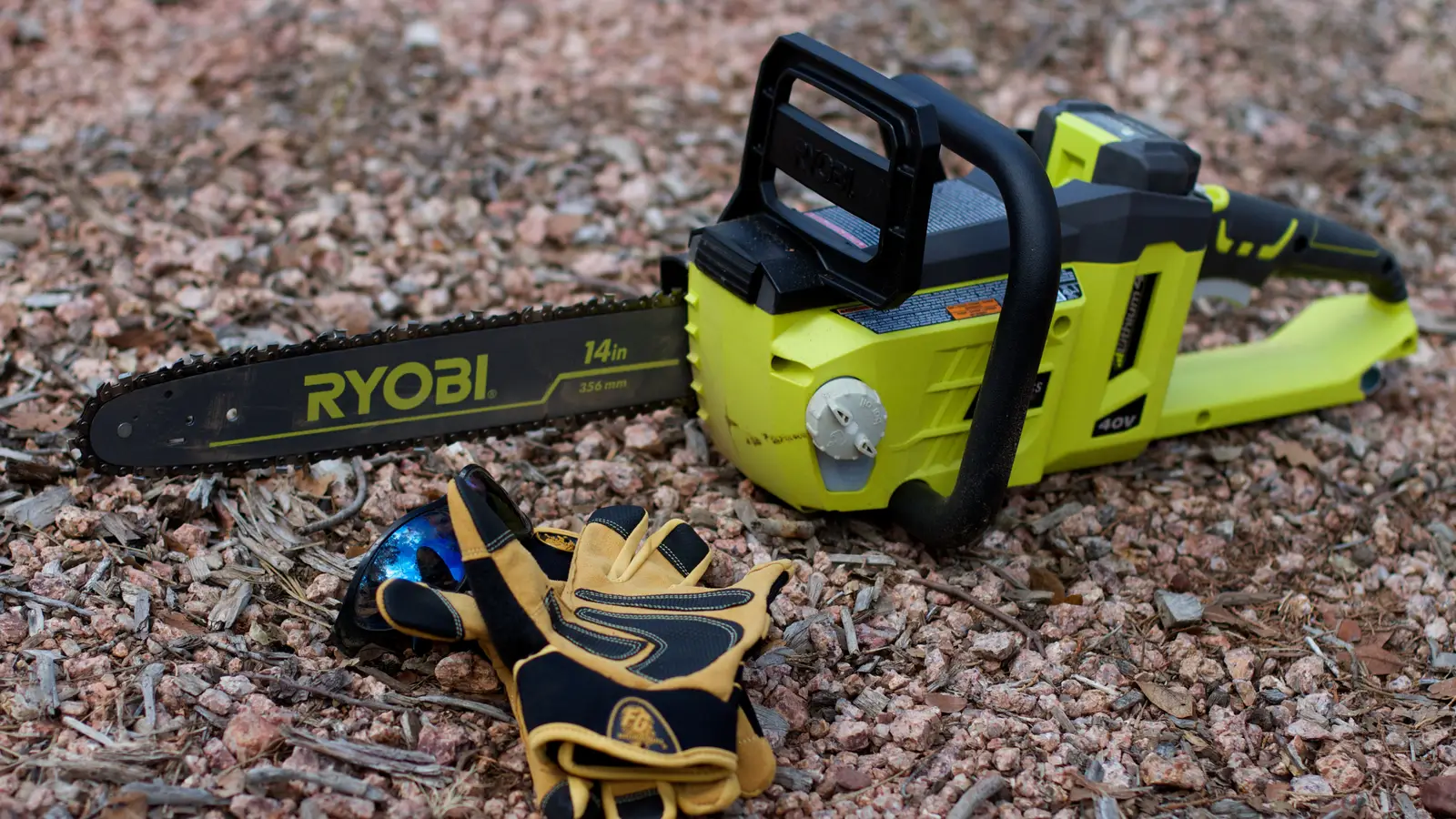
Keep your free hand out of the cutting path and use the tool on plant material only, never on wire. Iowa State advises pruning from the ground whenever possible rather than from a ladder, and says to use a pruning saw rather than a chainsaw for home tree work. Anything high or near power lines is work for a qualified arborist.
Close the lock after use, store the pruner with the blades protected and keep it away from children. Our pruning and cutting category covers loppers, saws and other tools for the cuts a hand pruner should not make.
Written from manufacturer and retailer information and general garden practice. GardenHelm has not physically tested the products discussed here. How we choose products