Brush Cutters: Compare the Cutting Setup and Complete Machine
Bolting a blade onto a grass trimmer does not make it a brush cutter. Choose by what you will cut and the full configuration the manufacturer allows, including handle and harness.
By GardenHelmPublished 4-minute readMore in Pruning & Cutting
In this guide
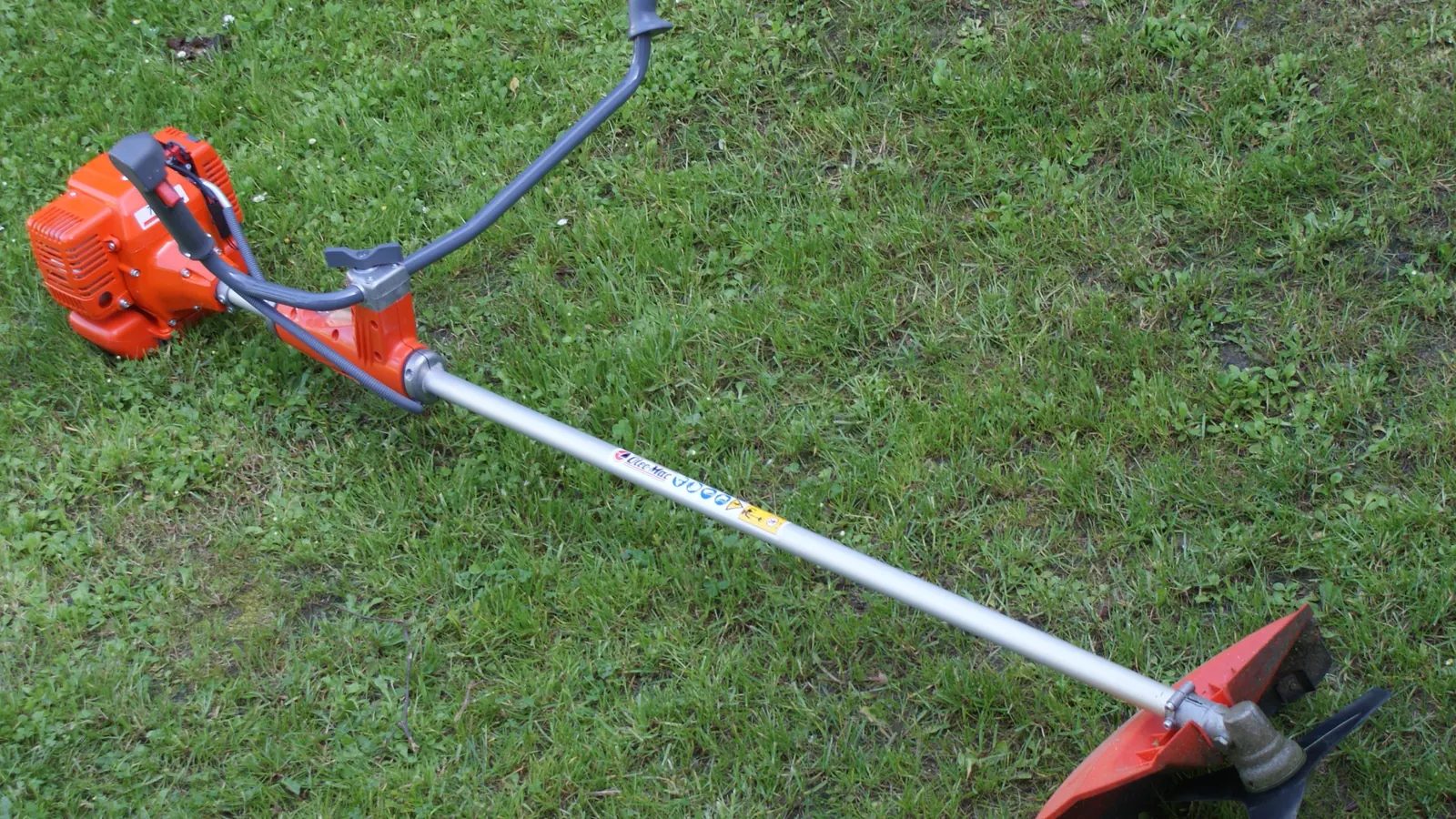
Brambles, thick weeds and woody stems along fences and ditches stall a string trimmer; a brush cutter is built to take them. What makes it a brush cutter is the whole setup, not the blade alone: a blade the maker approves, the guard that goes with it, a handle that gives you control and usually a harness to carry the weight. Bolting a metal blade onto a grass trimmer does not get you there.
Here we cover handheld machines you carry. A walk-behind brush mower is a different machine for larger, open areas.
Match the head to what you cut
| What you are cutting | Typical head | Notes |
|---|---|---|
| Grass and soft weeds along edges | Trimmer line | The everyday setup; a brush cutter can usually run line too |
| Dense, tough weeds and grassy brush | A weed or brush blade approved for the machine | Cuts where line shreds and wears out |
| Saplings and woody stems | A saw-type blade approved for the machine | Needs the matching guard and full harness setup |
The maker’s manual lists which heads and blades are approved for each model and which guard goes with each one. Stick to that list. A diameter limit in a listing is a ceiling for good conditions, not a promise for every stem or species.
Be honest about whether this is regular upkeep or a one-time cleanup. Reclaiming a badly overgrown lot can make more sense to hire out than to buy for, and a contractor can deal with what is hidden in it.
Walk the area first
Overgrowth hides things: wire, old fencing, stones, irrigation lines and debris. A blade that hits wire or stone can throw material or kick back hard. Walk the area, clear what you can find and mark what you cannot move. If the site is unfamiliar or possibly hazardous, have someone experienced look at it before you start.
A real configuration
ECHO’s original SRM-410U support specifications show what a complete brush cutter package includes: a 42.7 cc two-stroke engine, a U-handle, a standard shoulder harness and a 10-inch, 80-tooth blade. Its 18.3-pound dry weight is measured with the cutter head and without fuel, so it is not directly comparable to another model’s bare engine weight. We have not used this machine; it shows what a full configuration looks like on paper.
What a complete setup includes
- Power unit: the model and serial range, so you get the right manual.
- Blade or head: one approved for that model and for the material you cut.
- Guard: the specific guard required for that head. Line and blade guards are often different.
- Handle and harness: U-shaped (bike) handles give steady control for sweeping blade cuts; a loop handle is lighter and nimbler for trimming. Blade work generally calls for the full harness.
- Consumables: replacement blades, line and filters you can actually buy.
The same brand or a matching bolt hole does not make two parts an approved combination. With a used machine, a running engine is only the beginning: an unknown blade, a missing guard or a homemade strap means a dealer should go over the setup before it cuts anything.
Fit and handling
With the engine off, have a dealer fit the harness and adjust the handle for you. You should be able to reach the controls while holding both grips, with the cutting head near the ground and your back straight. A low listed weight helps only if it includes the parts you will actually carry.
For battery models, include the battery you would use in that weight. For gas, budget for fuel mixing and engine service as the manual describes. Neither voltage nor engine size tells you how controllable the tool feels at the end of an hour.
Before the first cut
Read the full manual and get basic instruction if you have only used a line trimmer. Blades behave differently: they can kick sideways when they hit something solid. Wear the protective gear the manual lists, typically eye and face protection, hearing protection, sturdy boots and long trousers, and keep people and pets well back.
The short version
Choose the machine whose approved blade matches your toughest regular growth, with a handle and harness that fit you and a dealer nearby for parts. Do not buy for the biggest engine figure. The garden tools hub covers trimmers and other cutting tools.
Is a wheeled string trimmer the same as a brush cutter?
No. A wheeled trimmer uses line and is pushed like a mower. It suits long grassy edges and rough lawns, not woody brush.
Written from manufacturer and retailer information and general garden practice. GardenHelm has not physically tested the products discussed here. How we choose products