Gas-Powered Chainsaw Guide: Match the Saw, Cutting Equipment and Upkeep
You are buying a powerhead, a bar and chain combination, a fuel routine and access to parts. Decide whether owning one fits the work, then take a short list to the dealer.
By GardenHelmPublished 4-minute readMore in Pruning & Cutting
In this guide
A gas chainsaw is the right tool when you cut regularly and away from outlets: a woodstove to feed, a wooded lot to keep clear, storm cleanup on acreage. For a few branches a year, the fuel routine and engine upkeep often outweigh the benefits, and a battery saw or a hired crew may serve you better. When gas does make sense, buy the complete package rather than the engine size: the powerhead, an approved bar and chain combination, the fuel and oil routine and a dealer who can supply parts.
Our pruning and cutting hub covers smaller cutting tools.
Is owning one worth it?
List the jobs you do every year, not the largest tree on the property. Regular firewood cutting, occasional cleanup and one difficult removal are very different reasons to buy.
Wisconsin Extension’s chainsaw guidance stresses formal chainsaw training and calling a professional for work beyond your knowledge. It also points out that gas saws bring fuel handling and engine maintenance with them. For occasional work, compare the full cost of owning, including training, protective gear and service, with hiring help for the actual job.
Storm-damaged trees, hanging limbs and anything near a house or power line are jobs for a professional assessment first. Buying a saw does not make them suitable DIY work.
Compare like with like
| Listing says | It tells you | Still find out |
|---|---|---|
| Engine displacement | Engine size | Whether it suits the work you do |
| Bar length | The installed bar | The full approved bar and chain combination |
| Weight | A number on some basis | Whether bar, chain and fluids are included |
| Included accessories | The seller’s box contents | That they match the variant you are buying |
| Warranty | The stated coverage | Where you will actually get parts and service |
Add the bar and chain to a powerhead-only price before setting it beside a complete kit. A case or spare chain in the photo is only included if the package description says so. And two weights mean little if one includes the bar and chain and the other does not.
Bar and chain are a matched set
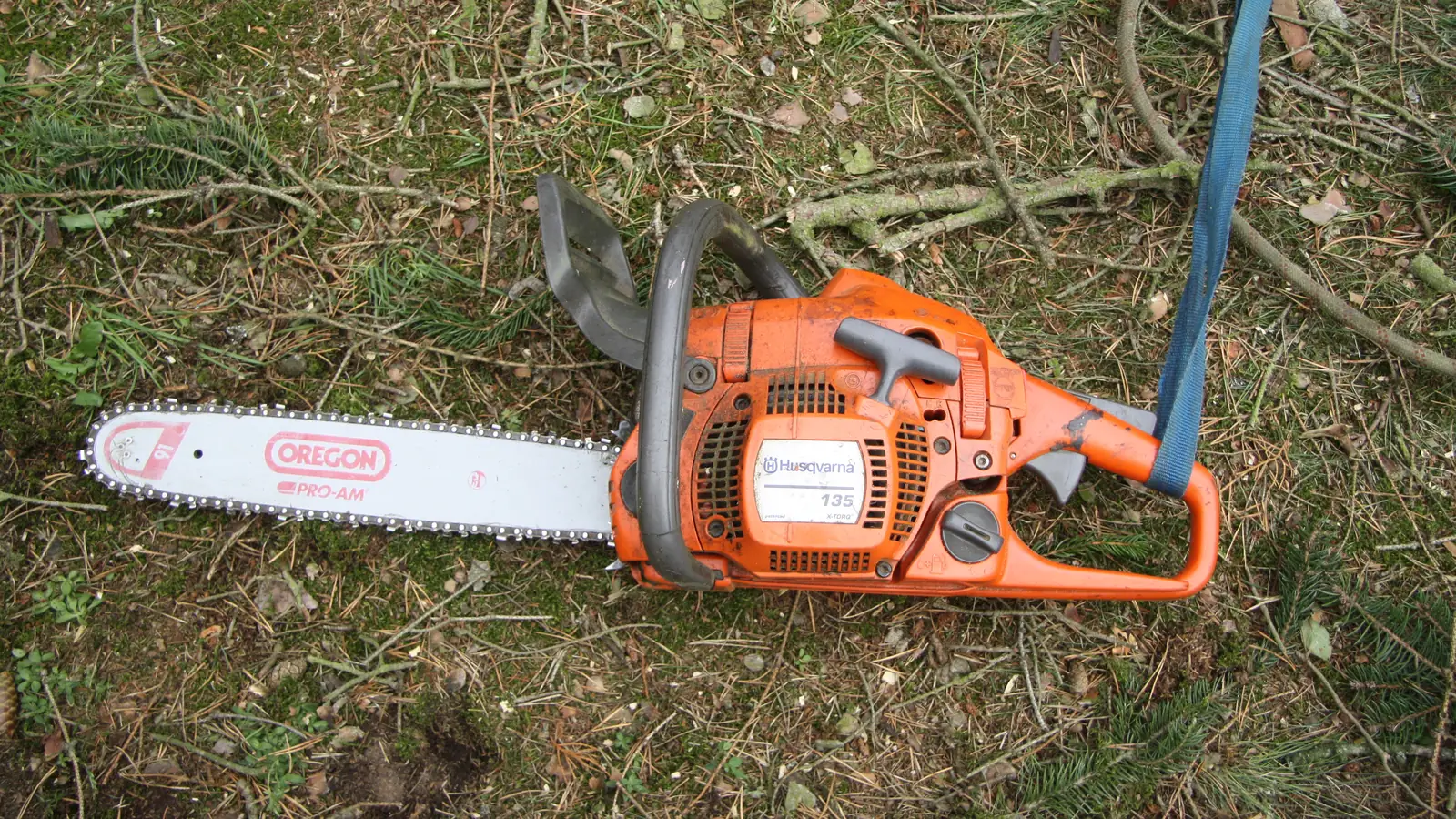
Husqvarna’s 445/450 Rancher manual (revision 1286-014) specifies the recommended equipment by pitch, gauge and drive-link count, not by bar length alone (manual, pages 34 and 35). Ask the dealer to record those three numbers for your saw. Ordering “an 18-inch chain” later invites a wrong part; ordering by pitch, gauge and link count does not.
A longer bar is not an upgrade by default. It has to be approved for your saw and suit the work you are trained for. Search results that show an accessory beside your saw do not prove it fits. On a used saw, a previous owner may have changed the bar or chain, so have a dealer identify what is actually fitted.
Two fluids, two jobs
The same manual calls for a 50:1 mix of gasoline and two-stroke oil in the fuel tank and separate chain oil in its own tank (manual, pages 2 and 11 to 12). Mix up the two and you damage the engine or starve the chain.
Label your containers clearly and store them where the manual says. Use the ratio and fuel specification in your own saw’s manual rather than a number from a forum. If you have lost the manual, get a replacement from the maker before you mix fuel.
Controls and service
The Husqvarna manual identifies the chain brake and front hand guard, and its safety section says work aloft requires special training (manual, pages 2 and 5). Have the dealer walk you through starting and stopping that exact model, including the chain brake, rather than trusting an “easy start” claim.
Ask concrete service questions before you pay. Who handles a saw that will not start? Where do you buy the right air filter and replacement chain? Which jobs does the manual expect you to do, such as chain sharpening and tensioning, and which belong at the shop? The answers separate two similar saws better than any spec sheet.
Keep the manual version and serial number together; the same model name can cover different years and markets.
If it will sit for months
STIHL’s chainsaw FAQ recommends storing its gas equipment “dry” if it will go unused for more than 30 days: empty the tank, then run the engine until the remaining fuel is used up. That is STIHL’s guidance for its own saws, but it shows the kind of routine an occasional user takes on. If you expect one weekend of cutting followed by months in the garage, read the storage steps in the manual before you buy, and do not expect a long-idle saw to start first pull.
What to bring to the dealer
- A description of the work and your experience.
- The exact packages you are comparing.
And ask for:
- the full model and configuration, including bar and chain specifications;
- the weight basis and a list of what is in the box;
- the matching manual and part numbers;
- the fuel, chain oil and storage routine;
- who services it and what support comes with the sale.
Is a used saw a good way to save money?
It can be, once a dealer has identified it, checked its condition and confirmed what is fitted. Add any service and parts to the price before comparing.
What else does a gas saw need?
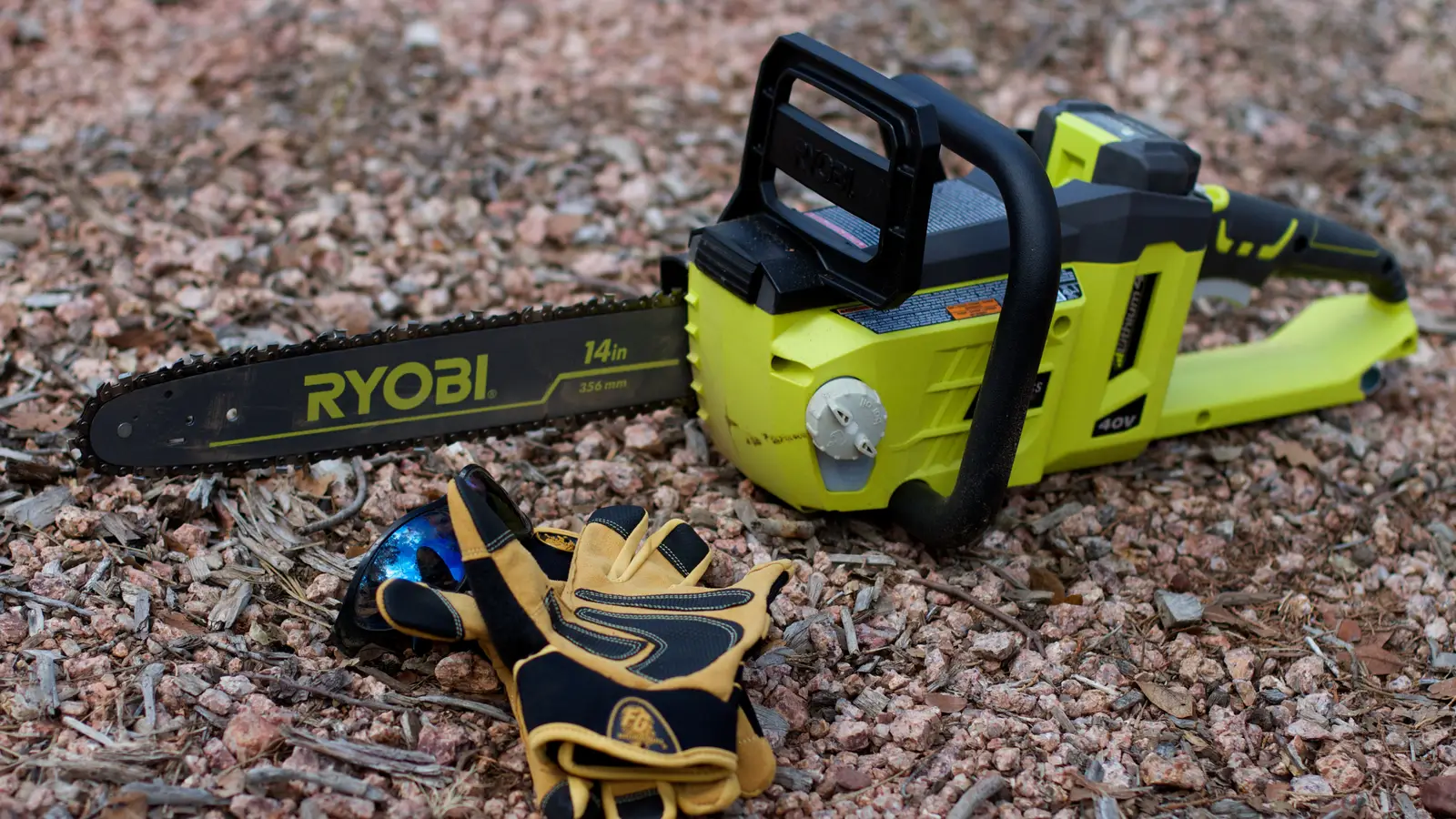
Fuel mix, chain oil, sharpening supplies, regular maintenance and protective gear: at minimum chainsaw chaps or trousers, eye, ear and head protection, gloves and sturdy boots. Budget for all of it.
Written from manufacturer and retailer information and general garden practice. GardenHelm has not physically tested the products discussed here. How we choose products