Bypass Pruners: Blade Action, Hand Fit and Clean Cuts
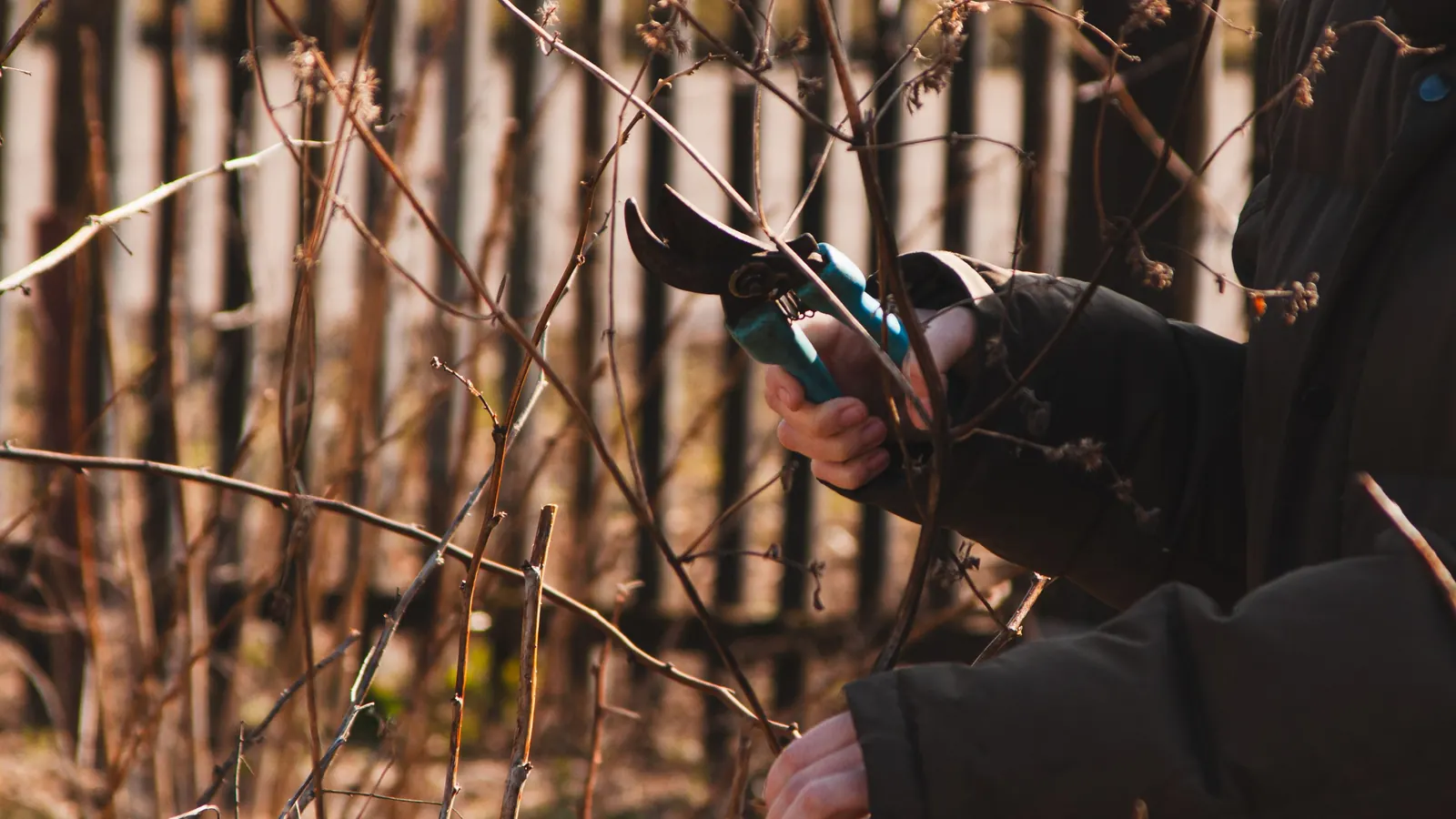
Bypass blades slide past each other like scissors, which suits many small living stems. Fit them to your hand, respect the capacity figure and keep the blades aligned.
By GardenHelmPublished 4-minute readMore in Pruning & Cutting
What this guide compares
- Blade action suited to living stems
- Comfortable grip and opening span
- Capacity matched to the actual branch
- Sound blade alignment and pivot
- Available maintenance instructions and replacement parts
In this guide
For pruning living plants, bypass pruners are the tool to reach for first. The sharpened blade slides past a hooked lower blade like a pair of scissors, so the cut is clean and close instead of crushed. Buy a pair that fits your hand, use it only on stems within its stated capacity and keep the blade sharp and the pivot snug. Move up to loppers or a pruning saw for anything thicker.
Bypass, anvil and the rest
An anvil pruner presses a blade down onto a flat surface, which is fine for dead wood but tends to crush living stems. Iowa State Extension’s pruning-equipment guide generally favors properly used bypass hand pruners for clean, close cuts and notes that anvil tools suit dead branches but are more likely to crush. A dull or loose bypass pruner will crush too, so condition matters as much as type.
Ratchets and gears are a separate question: they change the leverage, not the blade action. Check which blade type an assisted pruner actually has.
| Tool | Use it for | Limit |
|---|---|---|
| Bypass hand pruner | Small living stems, precise cuts | Its stated capacity and a comfortable one-hand cut |
| Anvil hand pruner | Dead wood | Crushes living tissue |
| Lopper | Thicker branches within its capacity | Long handles do not mean unlimited force |
| Pruning saw | Branches too thick for loppers | Needs a supported, controlled cut |
| Hedge shears | Shaping hedges and soft growth | Not for selective branch pruning |
Fit comes first
Open and close the pruner several times in the store, wearing your usual gloves. At full opening, your fingers should still wrap the handle securely; a pair that feels fine closed can be a stretch open. Smaller pairs and adjustable openings exist for smaller hands.
Check whether it is made for right hands, left hands or both, since blade orientation and the lock position differ. Work the lock with one hand without fingers near the edge, and notice the return spring: one that feels strong in the store can tire your hand over a hundred cuts. Weight tells you little either way: a heavy pruner can be flimsy and a light one tiring. If cutting starts to hurt, stop and reconsider the tool or the task.
Capacity is a ceiling
The diameter printed on the package is the maximum under good conditions. Species, dryness, blade condition and your grip strength all reduce it. If a cut needs real effort, switch tools.
Do not twist the pruner to finish a stubborn branch. University of Missouri Extension’s shrub-pruning guidance warns that twisting shears on oversized branches strains and weakens them. Open the blades, back out and use loppers or a saw instead of adding your second hand.
Blade toward the plant you keep
Colorado State University Extension’s pruning guidance explains that the cutting blade should face the part of the plant you are keeping, with the hooked blade toward the piece you remove. That puts the clean edge against the stem that stays.
Where to cut depends on the job: removing a branch, cutting back to a bud and harvesting flowers are different cuts. Keep your other hand out of the cutting path, work from steady footing and leave anything near power lines or out of safe reach to professionals.
Alignment and parts
Look at how the blades meet. Too much play lets thin stems fold between the blades; a tight pivot makes every cut tiring. Adjust the pivot only as the maker describes. Better pruners sell replacement blades, springs and other parts, which is worth checking if you prune often. A coated blade still collects sap and needs cleaning, and the coating may change how it should be sharpened.
Clean, disinfect, sharpen
After use, wipe off sap and soil, dry the pruner and oil the pivot as the maker suggests. Store it locked and out of children’s reach.
Cleaning and disinfecting are different steps. Disinfecting matters when you are pruning diseased plants and could carry the problem to healthy ones; University of Maryland Extension’s pruning-tool guidance covers that risk and the value of a sharp edge. Use a disinfectant suited to the disease and safe for the tool, following its directions.
Sharpen the beveled cutting edge at its existing angle, and touch the flat side only as the maker directs. If the blade is chipped or you cannot tell which surface to file, replace the blade.
When cuts start to crush or tear
If it jams, look for a branch that is too thick, fibers caught in the blades, a loose pivot or a damaged edge. If cuts take more effort than they used to, clean off sap and sharpen. If it will not reopen, check the spring. A cracked handle or loose blade assembly means the pruner is out of service until repaired with the right parts.
Are secateurs the same as bypass pruners?
Secateurs is another name for hand pruners. It does not say whether the blades are bypass or anvil, so check.
Can I use bypass pruners on dead wood?
On small dead stems within the stated capacity, yes. Dry wood is harder to cut, so a saw or an anvil tool may be easier for thicker pieces.
Is a bigger pruner better?
Only if it fits your hand. A wide opening can be hard to control; switch to loppers for larger branches instead. The garden tools hub covers loppers and pruning saws.
Written from manufacturer and retailer information and general garden practice. GardenHelm has not physically tested the products discussed here. How we choose products