Grass Care in Fall: Leaves, Mowing and Preparing for Winter
Leaves fall while grass is still growing, and a lawn in Iowa needs different work than one in Georgia. Handle leaves, keep mowing tied to growth and separate repair from routine.
By GardenHelmPublished 5-minute readMore in Lawn Care
In this guide
Is the grass still growing? That one answer sorts most fall lawn work, because leaves drop weeks before a cool-season lawn stops and a warm-season lawn follows different rules again. The sequence below runs from the job nearly every lawn has, leaves and mowing, to the repairs and feedings that only suit certain regions and dates. Iowa, Illinois, Maryland and Georgia sources appear throughout because their numbers differ; take the figures from your own state’s extension service. The wider maintenance picture is on our lawn care hub.
Keep mowing until growth stops
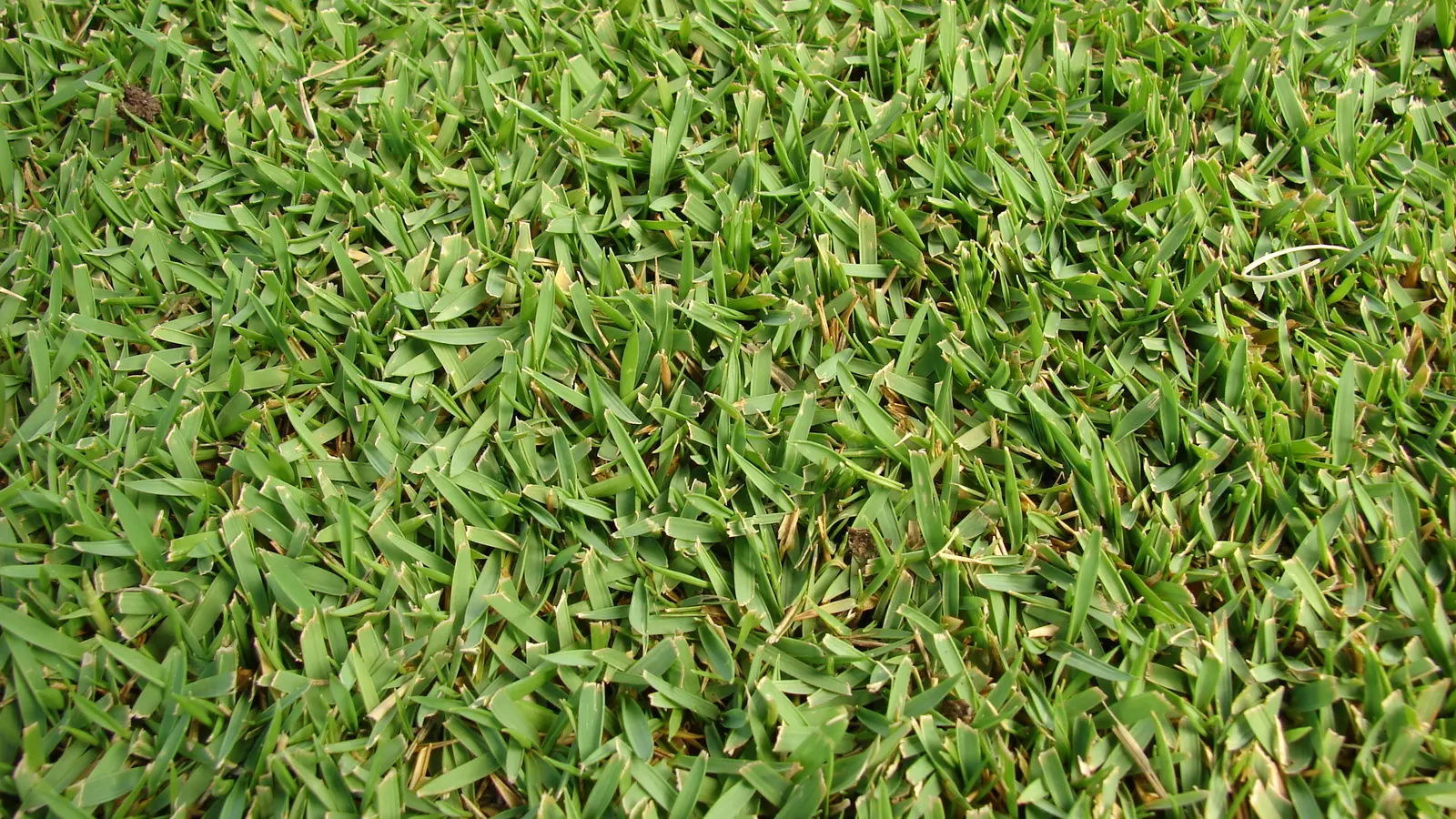
Iowa State says to keep mowing until the grass stops growing, which for its Kentucky bluegrass happens when daytime highs stay below 50°F, usually late October or early November. Iowa State late summer and fall lawn care From mid to late September it lowers the cut from 3.0 to 3.5 inches down to 2.5 to 3 inches, never removing more than a third of the leaf area at once. Illinois Extension recommends a final height of about 2 inches and mowing until the grass is fully dormant. Illinois Extension on preventing winter damage Those two heights disagree by half an inch or more, so write down the one your own extension gives for your grass.
In a warm-season lawn the advice shifts. UGA Extension says to keep mowing while turf is actively growing, to resist scalping as it nears dormancy, and to skip unnecessary nitrogen, which encourages growth that delays dormancy and raises the risk of cold injury. UGA Extension, Madison County If you cannot tell whether growth has stopped, compare the clippings from the last two mowings and the height of the turf a week apart.
Deal with leaves
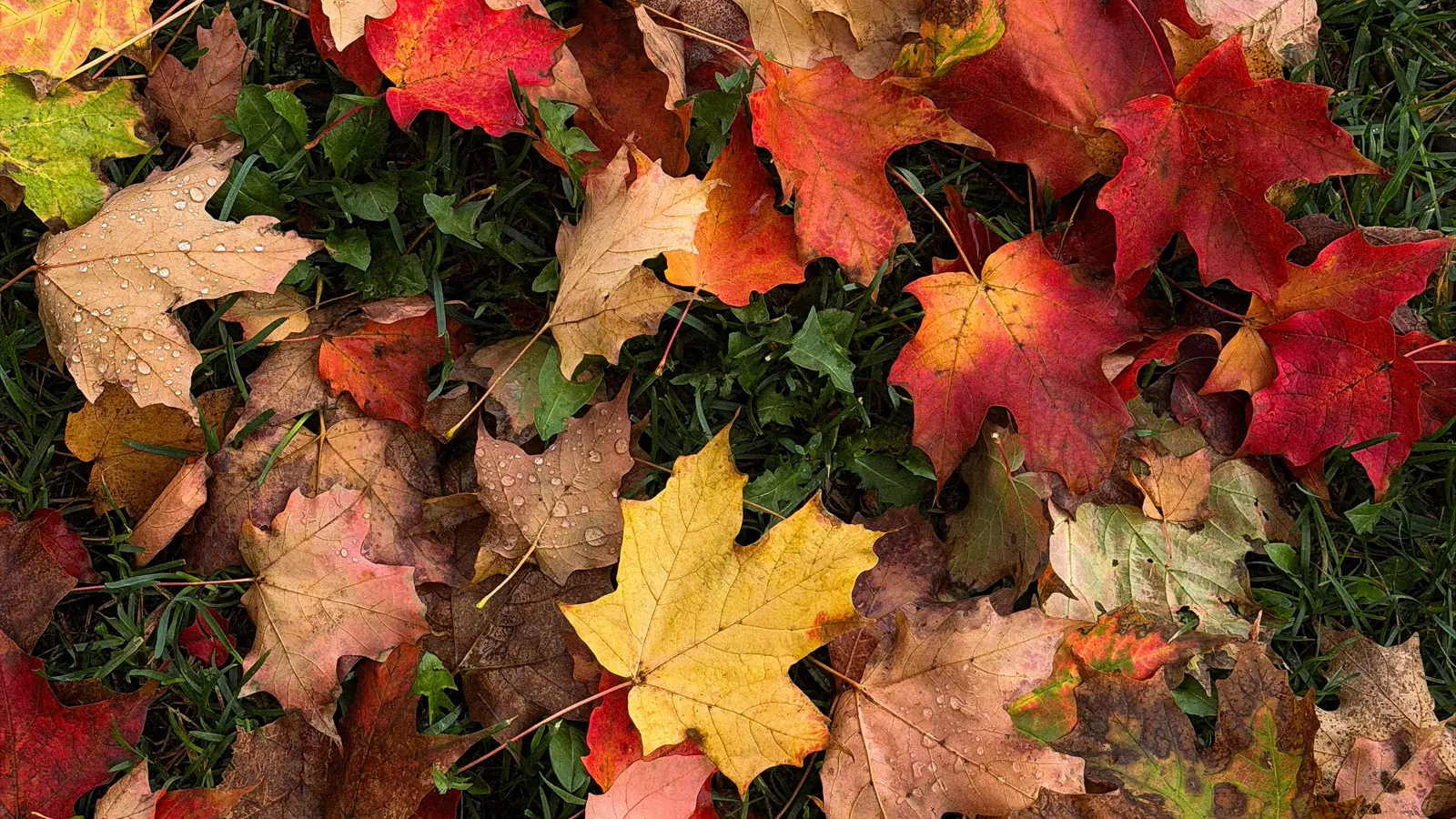
Illinois Extension says leaves can stay on a lawn when they cover only 10 to 20 percent of it, and that a thicker layer can smother the grass. Illinois Extension on using fall leaves Mow when they are dry so they do not clump or clog the mower, and judge the result by whether you can see grass beneath the chopped pieces. Iowa State adds that under big trees you may need to mow often through the fall, and that a thick layer takes more than one pass.
Anything beyond that has uses elsewhere. Illinois says shredded leaves make good mulch around vegetables, flower beds, trees and shrubs, and dug into garden beds in fall they improve drainage in clay and water retention in sand. They are also useful brown material for compost. It also suggests leaving part of the landscape, such as a bed or an out-of-the-way corner, undisturbed until spring, because leaf litter shelters insects, salamanders and toads.
Know the repair window
Fall is the right time for most lawn renovation in cool-season regions, but the window is earlier than many people expect. Iowa State puts seeding and overseeding from mid-August to mid-September and aeration in early September, using a core aerator instead of a spike one and aiming for 20 to 40 holes per square foot. Maryland Extension recommends aerating once in autumn just before overseeding. Maryland adds that cool-season lawns benefit from annual overseeding in autumn and that the turf should be mown low, around 2 to 2½ inches, before seeding. A thin patch you notice in late October may have to wait for next year’s window. Photograph it, mark it on a sketch with how long it has been thin and whether water pools there, and note any seed or product already applied, since label restrictions can limit what you add next. Drainage and shade need solving before seed will help.
Feeding and weeds
Feeding follows the same regional logic. Iowa State’s best fertilizing time is mid-September, at no more than 1 pound of actual nitrogen per 1,000 square feet, and it puts perennial broadleaf weed control from late September to early November, when weeds are moving food to their roots; it stresses following the product label. Maryland’s tall fescue schedule gives 0.7 to 0.9 pound of nitrogen per 1,000 square feet in September and the same again from October to November 15, and its law bars nitrogen and phosphorus applications from then until March 1. Maryland on maintaining an established lawn UGA points to late summer or early fall for pre-emergent products against winter annual weeds and recommends a soil test before liming or fertilizing. Our soil and fertilizer category lists the testing and feeding products.
Mulch and protect with the leftovers
Illinois Extension also suggests tucking shredded leaves around the crowns of marginally hardy plants, such as some hybrid tea roses, lavender and figs, once temperatures stay below freezing. Shred them first so they do not mat and shut out moisture. Beds that received a layer of leaves in fall will break it down more quickly with a small amount of fertilizer worked in.
Look for winter trouble spots
Illinois Extension names heavy use of quick-release nitrogen in early to mid fall, thatch, shade, poor drainage, leaves or straw lying on the turf, and drifted or piled snow as conditions behind snow mold. Clear leaf cover before snow arrives, note where drifts and plowed snow pile up, keep narrow routes to doors and utility areas open, and put the trouble spots on your spring list. Do not regrade a lawn from a checklist: if runoff reaches a structure or a neighbor’s property, get local advice first. Where snow rarely lies, skip this step and stay with the growth and mowing schedule.
Put the mower away last
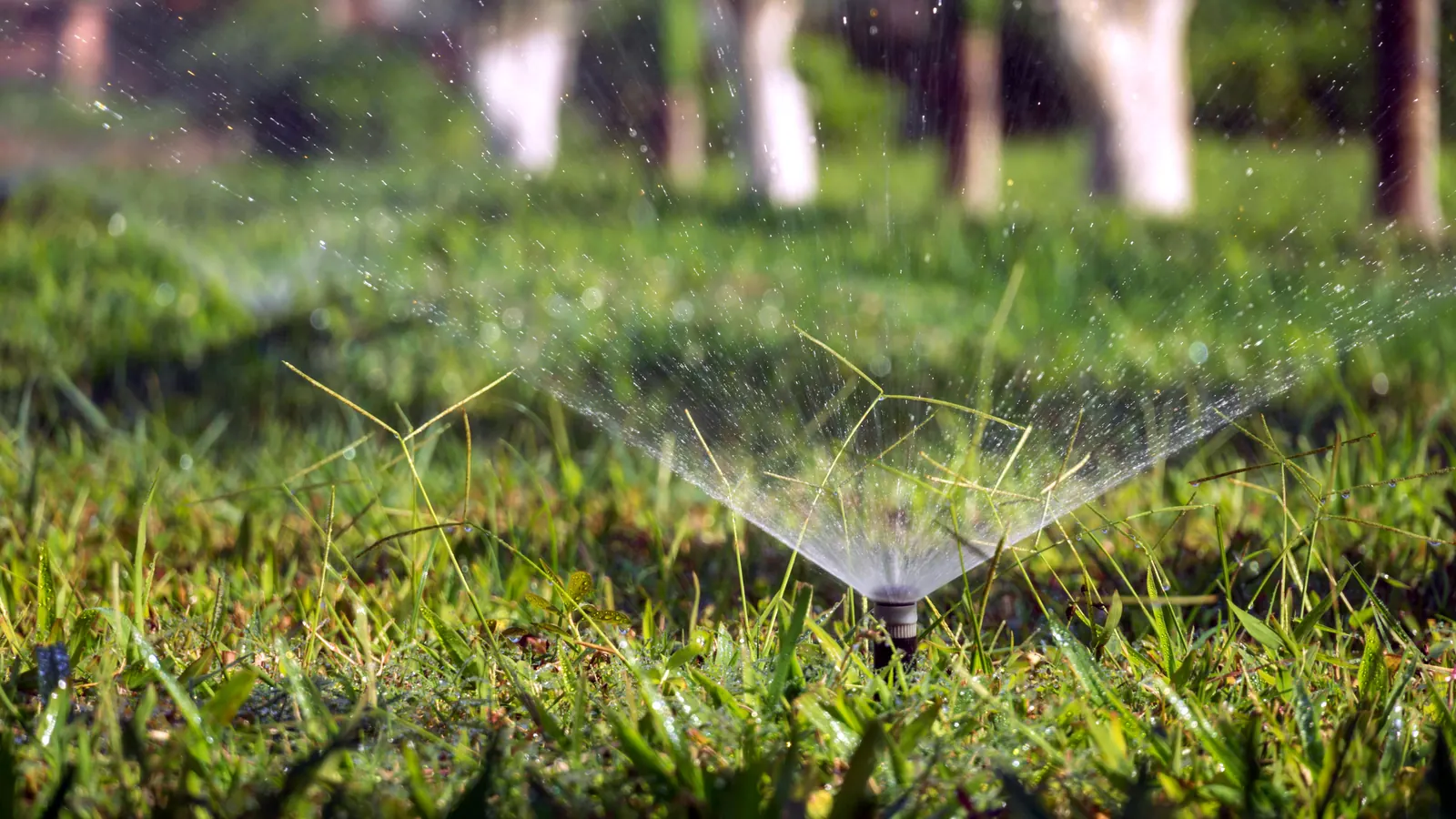
Keep the mower ready until the final cut. After that, follow its manual for storage, and use the portable sprinkler’s manual for its own storage, since buried pipes and the backflow assembly follow a separate winterizing procedure. Store lawn products with their labels intact and note what is left, so spring does not start with duplicate purchases. If the mower needs work, write down the symptom now while it is fresh.
Written from manufacturer and retailer information and general garden practice. GardenHelm has not physically tested the products discussed here. How we choose products