Weeds in Zoysia Grass: Identify the Problem and Plan the Next Step
Confirm the lawn really is zoysia, then sort grassy weeds from sedges and broadleaf plants. Describe the patch before changing your routine, and decide whether you need a product at all.
By GardenHelmPublished 4-minute readMore in Lawn Care
In this guide
If weeds pop up as your zoysia greens in spring, hold off on the sprayer. Clemson’s zoysiagrass calendar says not to apply post-emergent herbicides during spring green-up; mow and bag the weeds until the lawn has fully greened, then reassess. That pause also gives you time for the step that decides everything else: putting a name on the weed. Crabgrass, nutsedge and broadleaf weeds need different responses, and a few plants may need nothing more than your hands. Our lawn care hub covers wider lawn planning.
Make sure the lawn is zoysia
Start with what you know: installation records, the sod supplier or the seller’s paperwork. Lawns change over decades, and the grass along one edge may not be the grass that was laid.
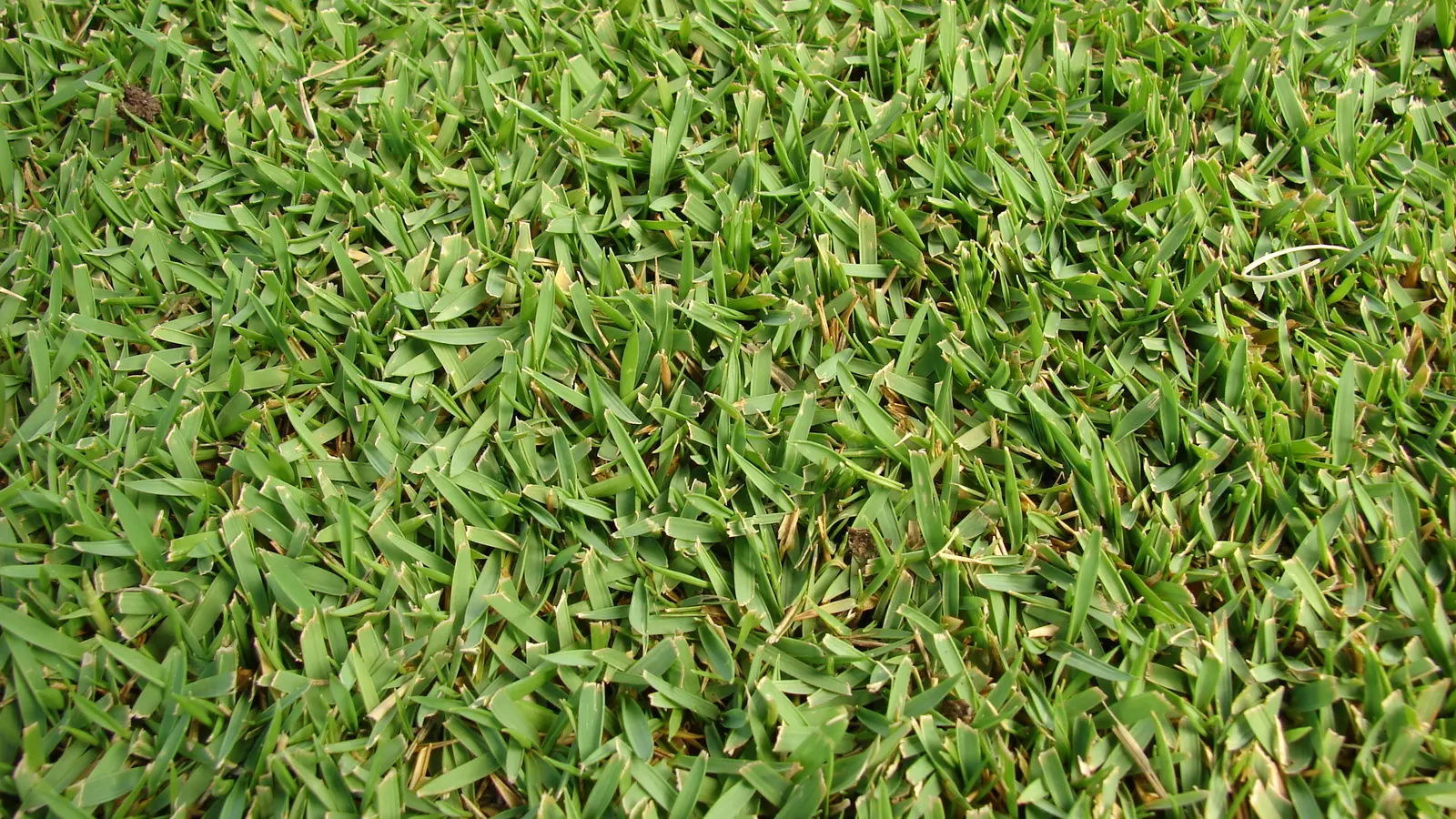
NC State describes zoysiagrass as a warm-season grass that spreads by stolons and rhizomes into a dense turf. Two hand-and-eye clues help separate it from bermudagrass: hairs standing upright on the leaf blade, and a stiff feel that pushes back against your palm. NC State zoysiagrass identification Those clues will not tell you the cultivar, but they will tell you whether the patch you dislike is a different grass entirely.
Put a name on the weed
Height after mowing tells you almost nothing. Get down on your knees with the plant.
| Suspect | What to look for |
|---|---|
| Large crabgrass | A summer annual with spreading stems that can root at the lower nodes and hairy leaves; smooth crabgrass is similar but lacks the hairs |
| Yellow nutsedge | Not a grass at all: roll the stem between your fingers and it feels triangular; it spreads from underground tubers |
| Broadleaf weeds | Photograph leaf arrangement, any flowers and seed heads before trying to name it |
NC State’s accounts of large crabgrass and yellow nutsedge describe those growth habits in detail. The difference matters: crabgrass is an annual that returns from seed, while nutsedge regrows from tubers that UC IPM says sit mostly in the top 6 inches of soil and can survive one to three years.
If you cannot pin it down, your county Extension office or a local diagnostic service can usually identify it from photos. Send one shot of the whole patch and one close-up of a single plant, and say which plant you mean. An image-search lookalike is a guess, not an identification.
Where it grows is a clue
Sketch the lawn and mark the weeds. A strip along a driveway, a soggy spot below a downspout and scattered plants across the whole lawn point in different directions. UC IPM notes that nutsedge thrives in waterlogged soil, so a patch below a downspout or a leaky sprinkler may be telling you about drainage as much as weeds.
Write down what you see, not what you think caused it: “upright shoots beside the downspout after irrigation” is useful, while “the lawn needs fertilizer” is already a guess at the fix. Add dated photos from the same spot and a note of mowing, watering and any past products by exact name. That record is what a local adviser will ask for.
Pulling first, for small patches
For a small, confirmed crabgrass infestation, University of Minnesota Extension lists hand removal as a practical option. UMN crabgrass guidance
Nutsedge needs persistence. UC IPM recommends pulling small plants, whole basal bulb included, before they reach five to six leaves, when they have not yet formed new tubers, and returning to remove new shoots, because the tubers resprout. One session is not control. It also warns that tilling mature plants spreads the tubers, so never rototill through a nutsedge patch in an established lawn. UC IPM nutsedge management
If you decide on a herbicide
Timing in zoysia is regional, and two university calendars show how specific it gets. Clemson’s South Carolina calendar times crabgrass pre-emergent around mid-February on the coast and in central areas and mid-March in the piedmont and mountains, with a second application 8 to 10 weeks later. It also cautions that zoysia is sensitive to some herbicides in hot weather and says not to apply herbicides in summer unless the temperature is below 90°F. NC State’s calendar separates dormant turf from turf coming out of dormancy and warns that dormant-season treatments can injure zoysia when conditions are wrong. Clemson zoysiagrass calendar, NC State zoysiagrass calendar
Use the calendar from your own state, and match it to the job: a pre-emergent prevents next season’s crabgrass, while a post-emergent treats weeds already growing. Mixing advice from several calendars into one heavy schedule is how lawns get overtreated.
Then read the full label of the exact product. It must list zoysiagrass as a tolerant turf and your weed as a target, and it sets the rate, temperature limits and timing. A “kills lawn weeds” banner is not enough. If you hire a service, ask them to name the target weed and the product, and to explain what follow-up visits are included.
Mowing and fertilizer belong to a separate decision
Zoysia is kept short. Clemson suggests about 1 to 1.5 inches before green-up, then 1.5 inches in summer for most cultivars and 2 to 2.5 inches in partial shade.
Do not buy fertilizer as a weed fix. LSU notes that zoysia recovers slowly from damage and recommends a soil test to guide fertility. LSU zoysiagrass guidance If a weed-and-feed product is pitched to you, ask whether you need both halves at the same moment.
Afterward, check the same spot a few weeks later. Is it the same plant coming back, or a different one somewhere else? Keep the identification, the action and the result together so next spring’s decision starts from evidence.
Written from manufacturer and retailer information and general garden practice. GardenHelm has not physically tested the products discussed here. How we choose products