Garden Forks: Choose the Right Tool for Soil and Compost
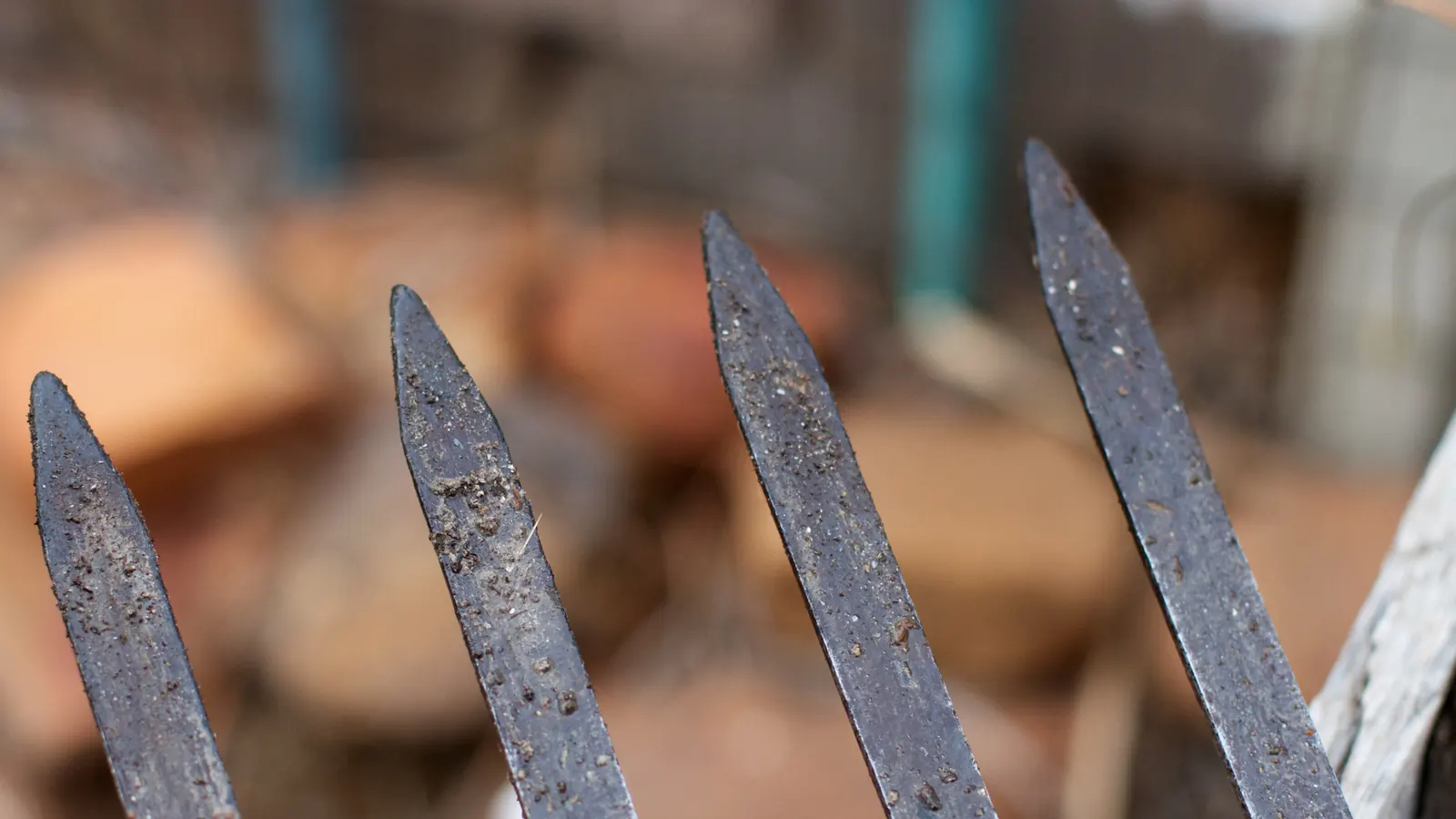
A digging fork loosens compacted soil without lifting every shovelful; a pitchfork moves loose material. Check the soil moisture, the head and the handle, and dig only where needed.
Check how the head joins the handle and what the head is made of. Forged steel heads with a solid socket hold up to prying in heavy soil far better than stamped heads.
A digging fork loosens compacted soil without lifting every shovelful; a pitchfork moves loose material. Check the soil moisture, the head and the handle, and dig only where needed.
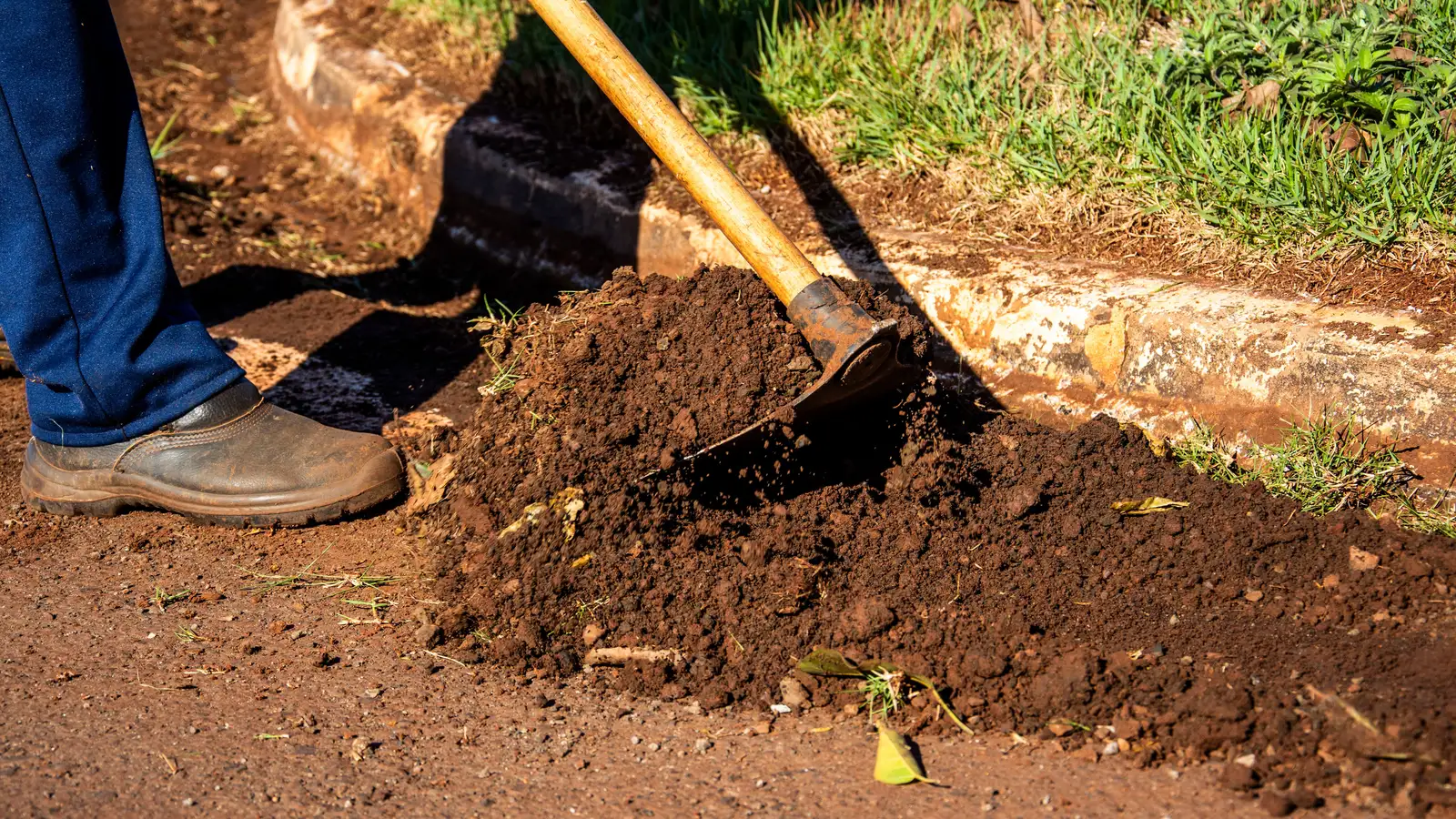
A wide hoe that looks efficient on the shelf may not fit between your plants. Choose the width from the narrowest gap you weed, then compare stirrup and Dutch designs.
3-minute read
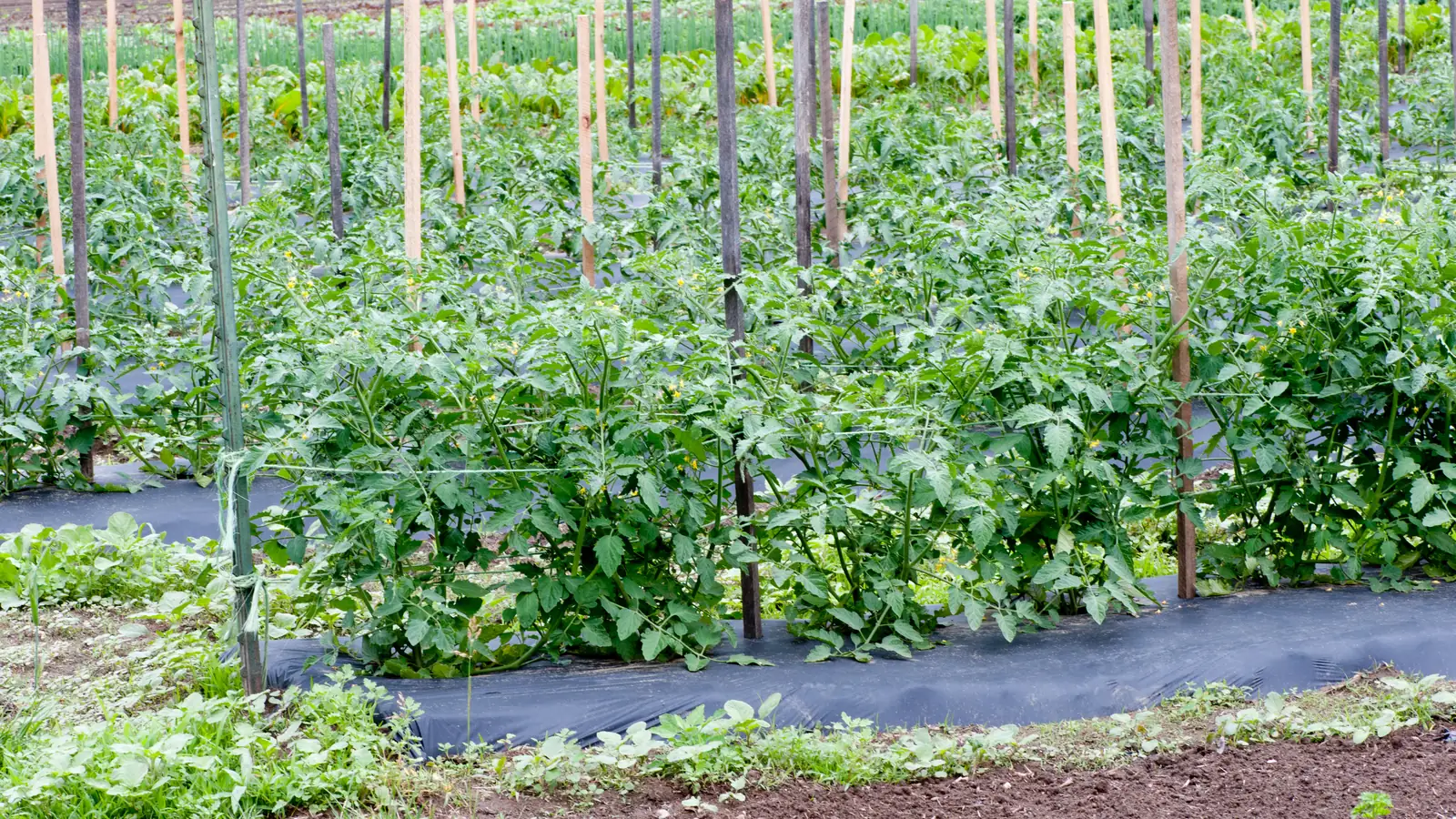
A single tall stem, a floppy clump and a row of tomatoes need different supports. Put them in before growth hides the job, and use ties that let stems grow.
4-minute read
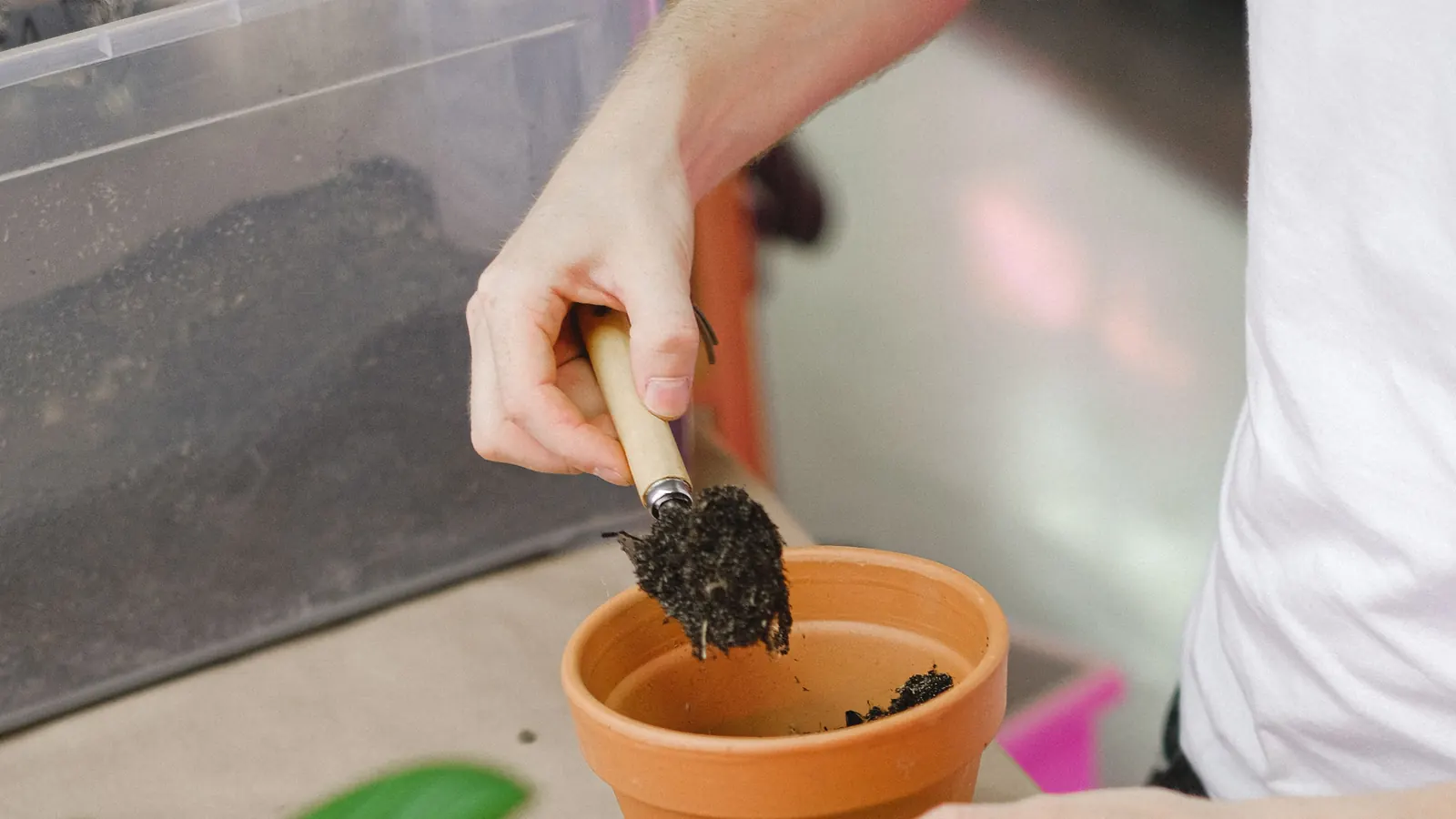
A trowel is judged by whether its blade fits the job and its handle fits your hand, not by its feature list. Check the blade-to-handle joint, then keep it clean.
3-minute read
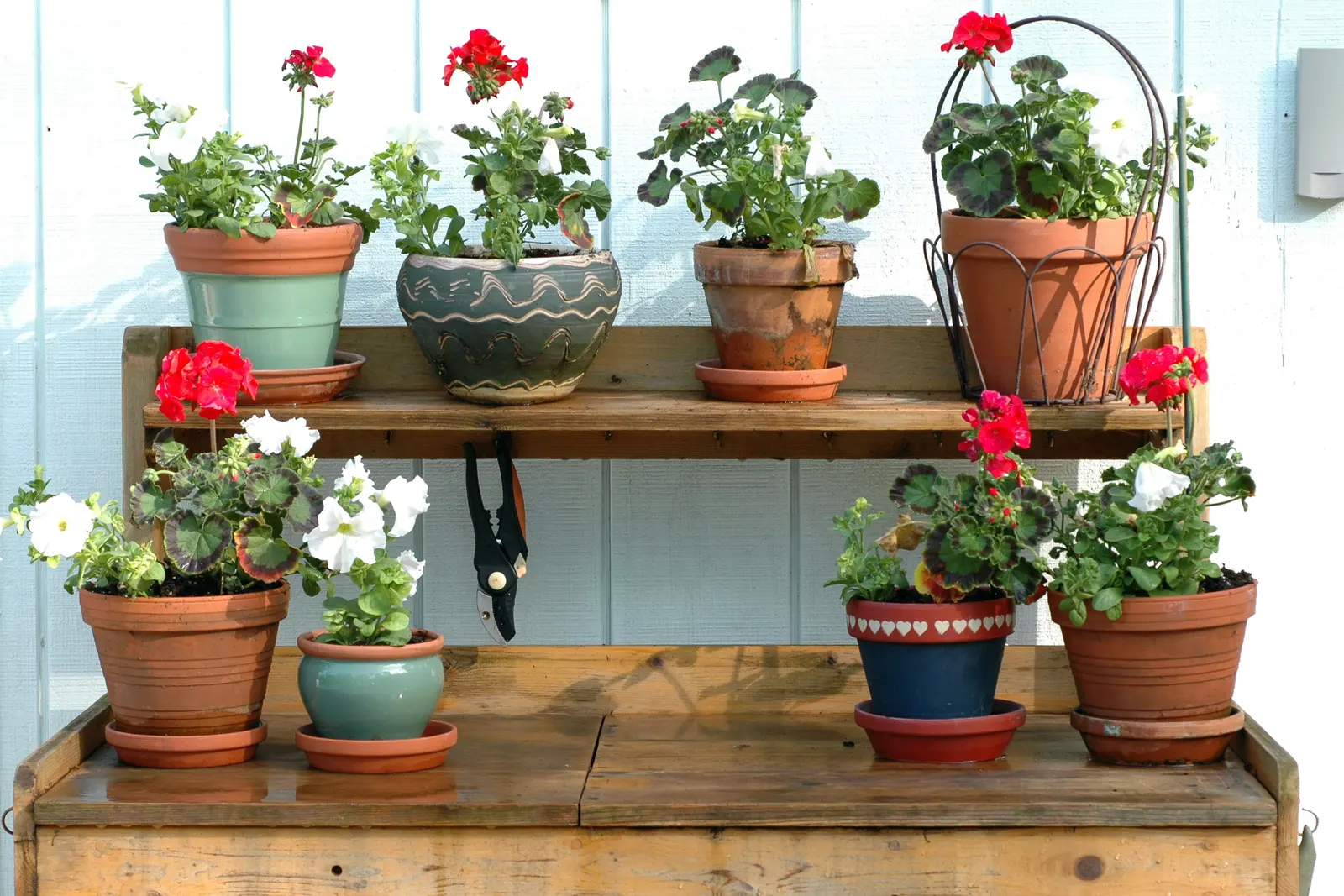
The overall height of a bench is not its working height, and a removable basin is not a plumbed sink. Set up a trial work area first, then compare surface, storage and placement.
4-minute read
A big scoop is great for mulch and awkward in wet clay; a narrow blade digs planting holes. Choose by the job, then the blade shape, step and a handle you can control.
4-minute read