Garden Trowels: Choose a Blade and Handle That Fit the Job
A trowel is judged by whether its blade fits the job and its handle fits your hand, not by its feature list. Check the blade-to-handle joint, then keep it clean.
By GardenHelmPublished 3-minute readMore in Hand Tools
What this guide compares
- Blade shape suited to the task
- Comfortable handle and manageable weight
- Sound blade-to-handle connection
- Suitable reach and control
- Clear care and warranty instructions
Pick up a trowel and follow the metal from the tip back into the handle. How it gets there, and whether it wiggles on the way, tells you what to ask before anything about blade shape or grip color.
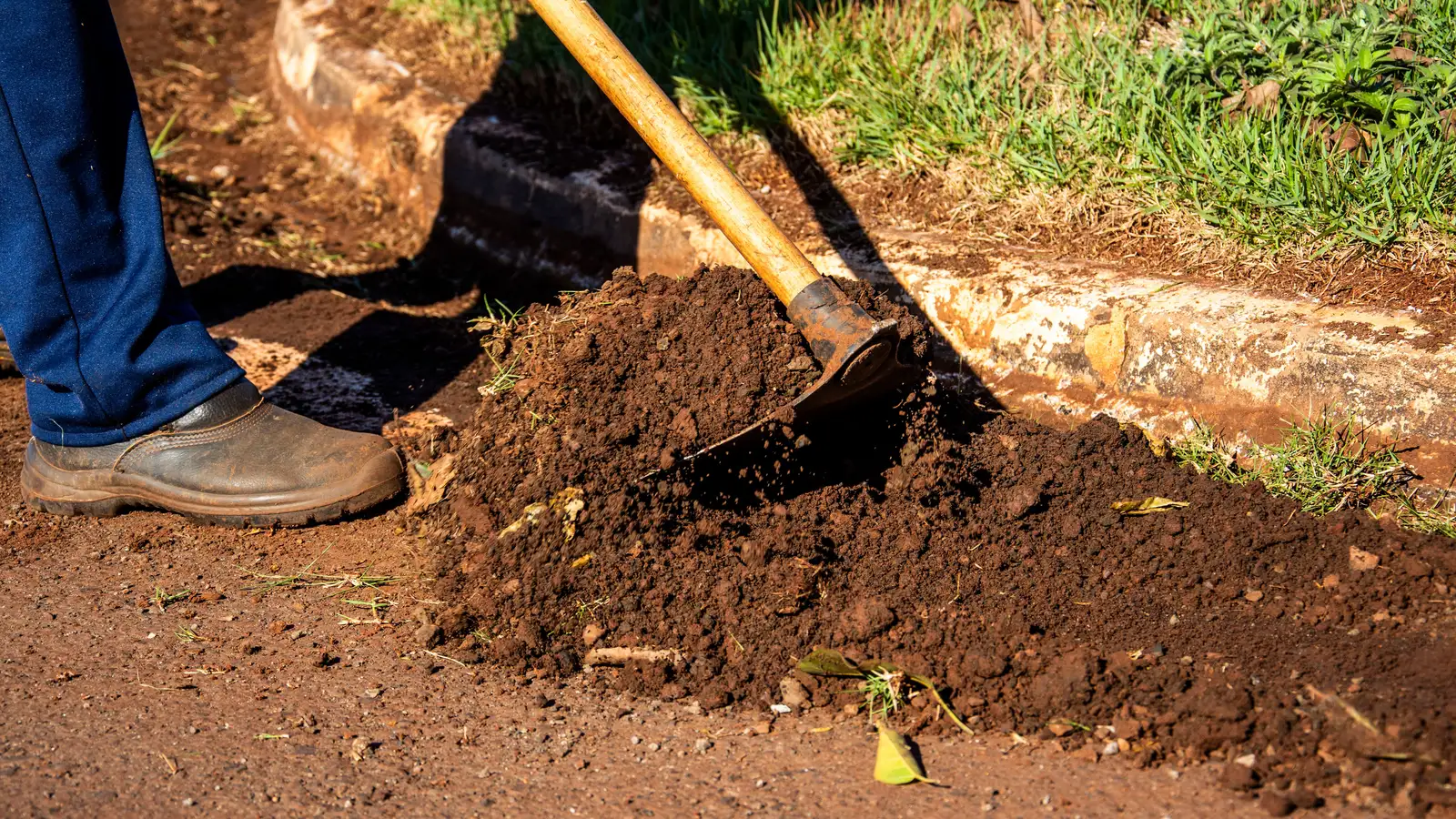
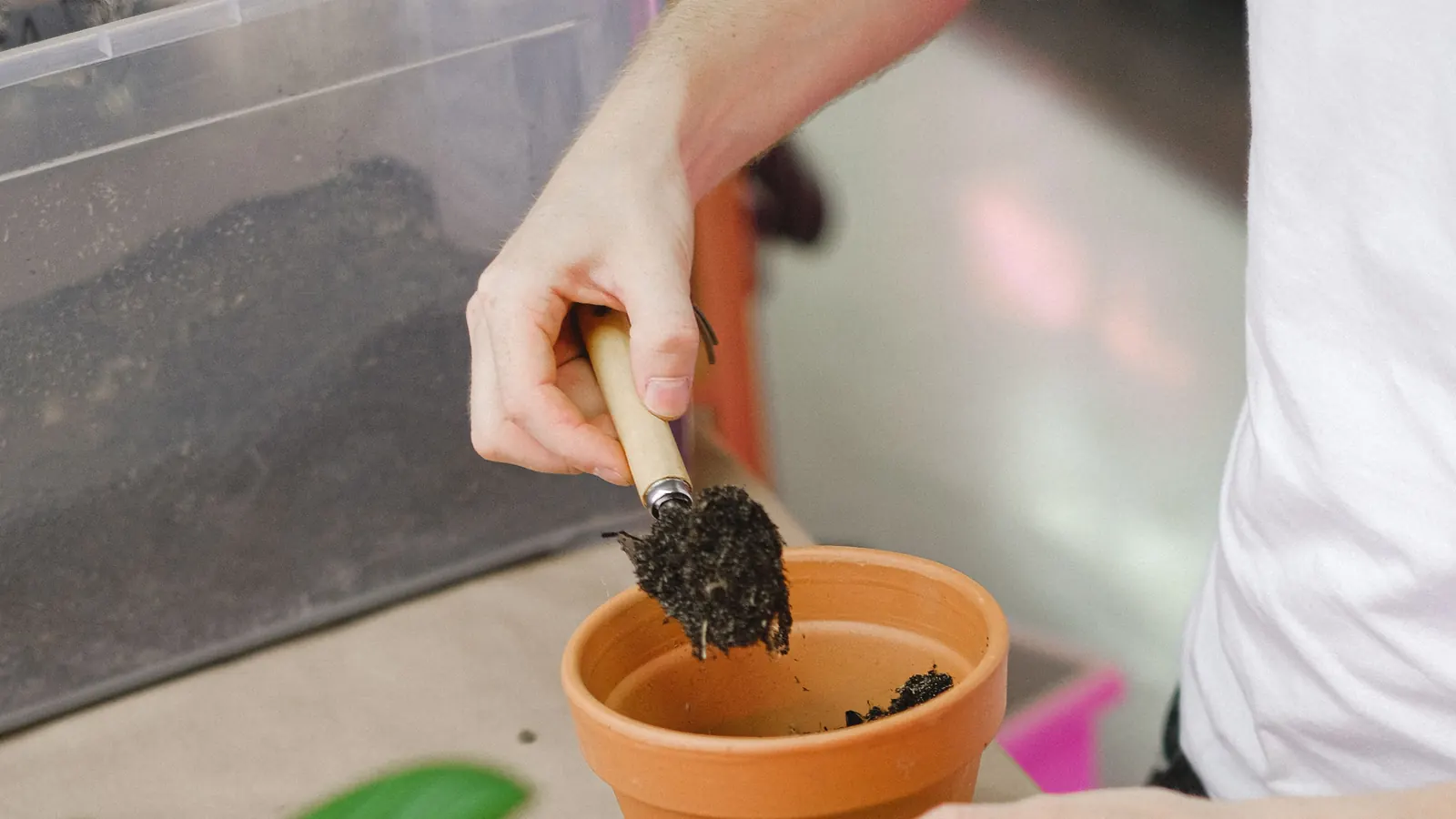
Illinois Extension’s basic tool guide gives the trowel two jobs: digging holes for transplants and loosening soil around plants. Anything bigger belongs to a spade or fork. Hold the trowel to that scale and the buying decision gets simpler.
Blade shape
A broad blade scoops more loose material and suits planting pockets and filling pots. A narrow transplanting blade fits between established plants and into small containers, but moves less per scoop. A deep curve holds loose mix; a flatter blade gets closer beside a root ball. Compare the actual width and profile against the root balls and pots you handle most; marketing names add little.
Chicago Botanic Garden’s tool guide mentions toothed edges that help remove weeds. A serrated edge adds something sharp to store and handle, so it is worth having only if you will use it; a separate cutting tool gives better control for work you do often. Depth marks help you gauge a hole, though the plant or bulb instructions set the right depth. Look for marks you can still read after a season in soil.
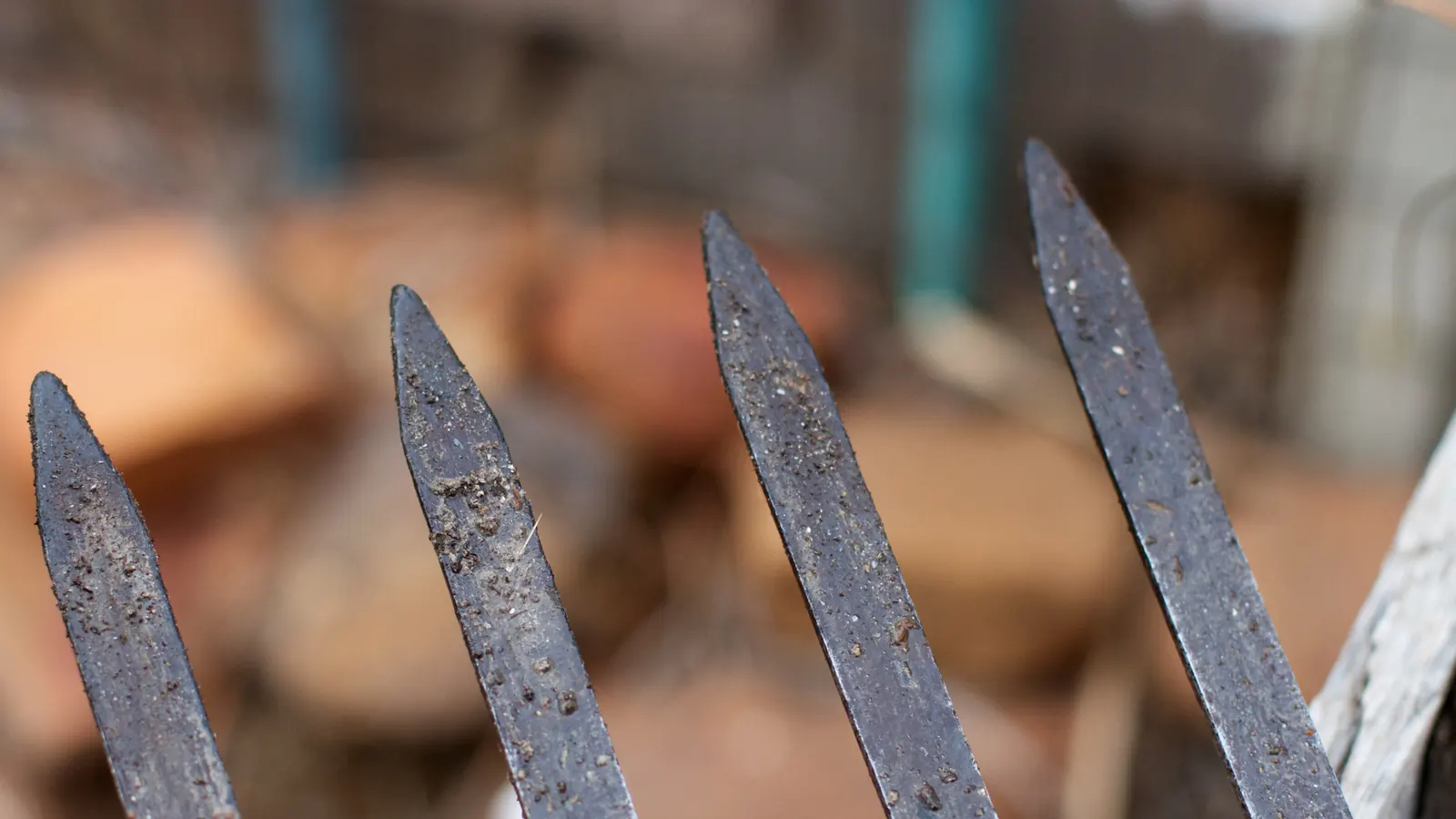
A hand cultivator has prongs instead of a scoop. It works the surface of a planting area, while a trowel digs a defined hole and carries loose material. If most of your work is potting up, the trowel is the one you will use and the cultivator can wait.
Tang, ferrule and the joint
A tang is the part of the blade metal that extends into the handle. A ferrule is the metal collar that sits where handle meets blade. Some trowels are a single piece of metal, blade and handle together. Others join separate parts, and any joint is a place where looseness can start. We have not found independent failure data comparing these designs, so take the maker’s strength claims as claims.
What you can do in a shop or from a listing:
- Twist and tug the handle. Any play, gap or rattle is a reason to put it back.
- Run a thumb along the transition for sharp, unfinished edges.
- Ask whether the handle is replaceable, if it is a multi-part tool.
Stainless, carbon steel, aluminum and plastic differ in thickness and intended duty, so judge the finished tool by its thickness and joint. A coating helps with some maintenance chores and does little against misuse. Chicago Botanic Garden warns that cheap tools tend to bend, break or rust, while better-made ones cost more and can last for years with maintenance. A trowel that bends or loosens should be retired or repaired, not forced through another season. Do not use it as a pry bar for rocks.
Handle and ergonomics
Chicago Botanic Garden says some trowels have curved, ergonomic handles meant to prevent or reduce wrist pain, and suggests testing a trowel in the store for feel and weight. Do that in your usual gloves, with your wrist in a neutral position. A bulky padded handle suits one hand and annoys another. Watch for pressure points, slippery surfaces and a grip that makes you squeeze harder than you should. If wrists or hands already hurt, a different working position may help more than any handle.
Shopping online, compare dimensions and weight and keep the return policy in mind. Child-size and compact travel trowels are rarely comfortable for adults over a long session.
In use and afterward
Set the plant at the depth its instructions give, work carefully around existing roots, and water as the plant needs. When you fill a pot, place the mix where it goes rather than packing it with force. For weeding, a trowel gives access to small weeds, but a root fragment left behind can matter for some species.
NC State’s tool appendix advises cleaning tools after each use, tightening loose screws, sanding rough handles to prevent splinters and storing tools in a dry, protected space. Cleaning is not disinfecting: after working with diseased plants, follow plant-specific extension guidance and the disinfectant’s label, and never mix cleaning chemicals. A hanging hole makes a trowel easier to find and put away, and keeps a sharp tip from being the thing you find with your hand.
Browse the garden tools hub to plan a small collection around the jobs you do most.
Written from manufacturer and retailer information and general garden practice. GardenHelm has not physically tested the products discussed here. How we choose products