Where to Put a Pergola in Your Yard
Put the pergola where it improves something you already do outside: eating near the kitchen, reading somewhere quiet, pausing on a garden path. Then check shade, privacy and drainage.
By GardenHelmPublished 6-minute readMore in Pergolas & Covered Terraces
In this guide
Where will the sun be when you actually sit down? That one question settles more pergola placements than the view, the size of the lawn or the closest patio. A site that looks perfect at noon on a Saturday can put the low afternoon sun straight into the dining chairs at six, and an open roof does little about light that arrives from the side.
Answer it with a chair, a few visits and some dated photos, then work through privacy, drainage, setbacks and utilities before you settle on a spot.
Start with the hour and the activity
Decide what the pergola is for before marking a rectangle on the grass. Breakfast, weekend lunch and evening dinner pull the structure in different directions, and a reading corner wants quiet more than convenience. Put a chair where you expect to sit, at the hour you expect to sit in it, and notice glare, passing traffic and the walk back indoors. A view that looks inviting from a window can feel exposed from the seat.
Mississippi State Extension’s landscape-planning guide recommends recording site conditions for a year before making changes and shows why: in Mississippi the summer sun rises slightly northeast, passes nearly overhead at noon and sets slightly northwest, while the winter sun stays low in the south. Marking shady and open areas through the seasons tells you where summer shade is needed and where winter warmth is welcome. The page says outdoor use areas should connect to related parts of the house, such as cooking and dining near the kitchen. Home landscape design
Take photos from the same spot in different seasons and note which months you have not yet seen. Your own latitude changes the angles, and nearby buildings and trees change the shade, so a sun-path app helps but an afternoon in the chair itself is better.
Three starting points
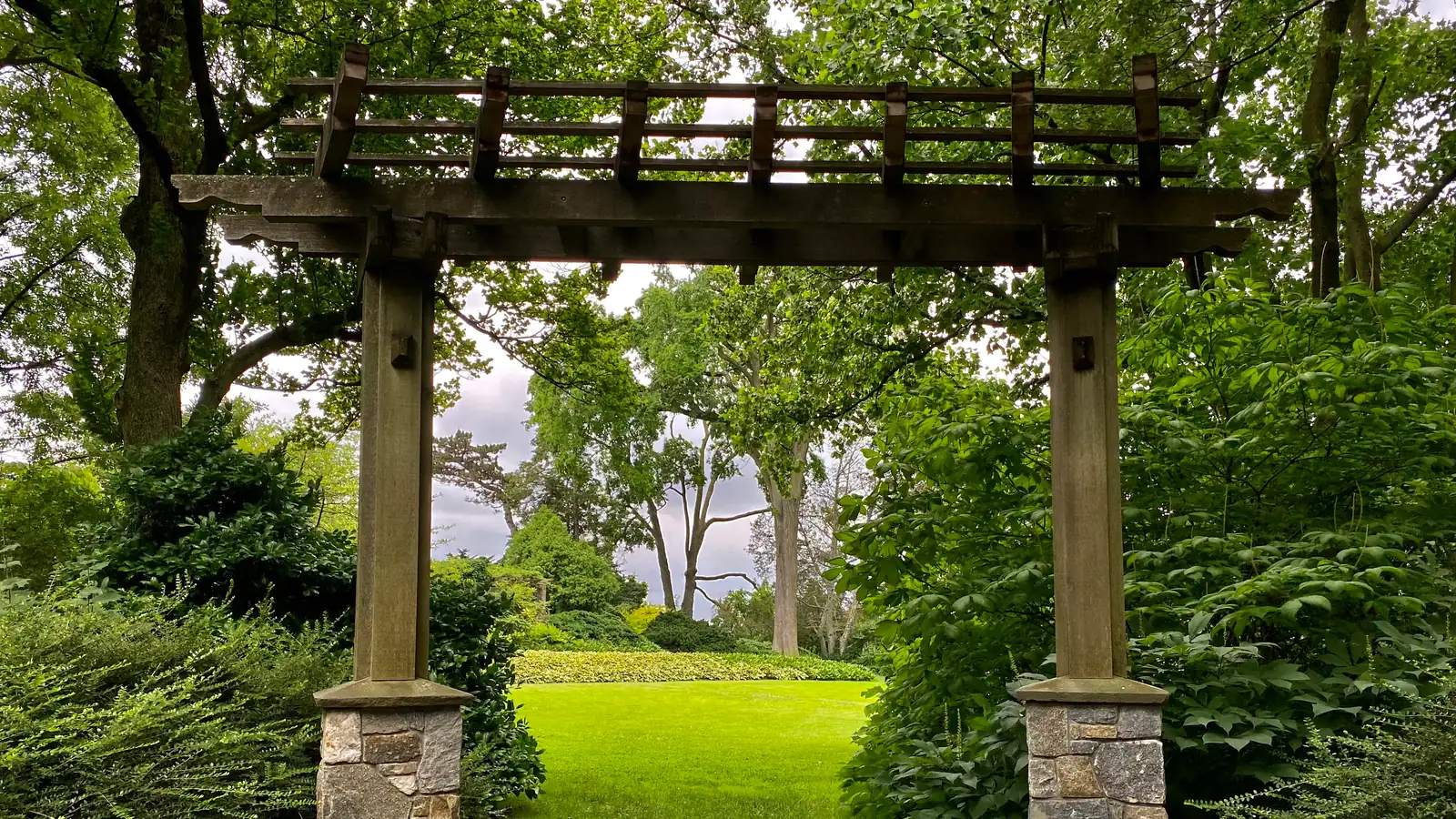
Near the house is the easy choice for serving food, but check whether posts, roof edges or side screens will crowd doors, windows or the route in and out. Carry a tray along the route and notice steps, tight corners and gates. A separate seating area makes a destination with its own outlook, as long as the walk there is comfortable in the weather you will use it. A spot along a garden path can mark a transition or resting place, provided the structure leaves the path its width and leaves room for maintenance.
A side yard works when there is genuinely spare width. Check what it already does: bins, mower access and utility meters often live there.
Shade at seat level
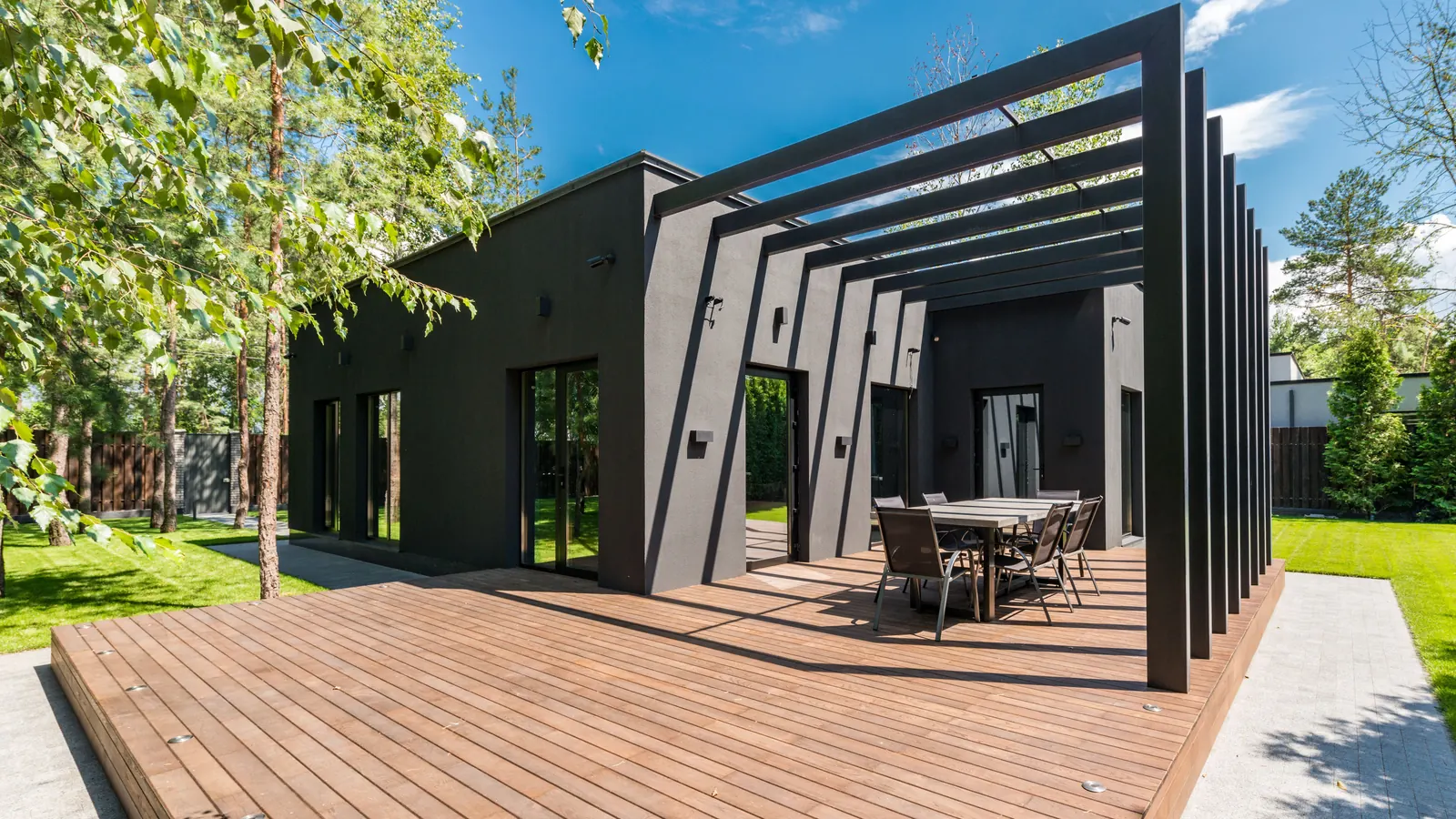
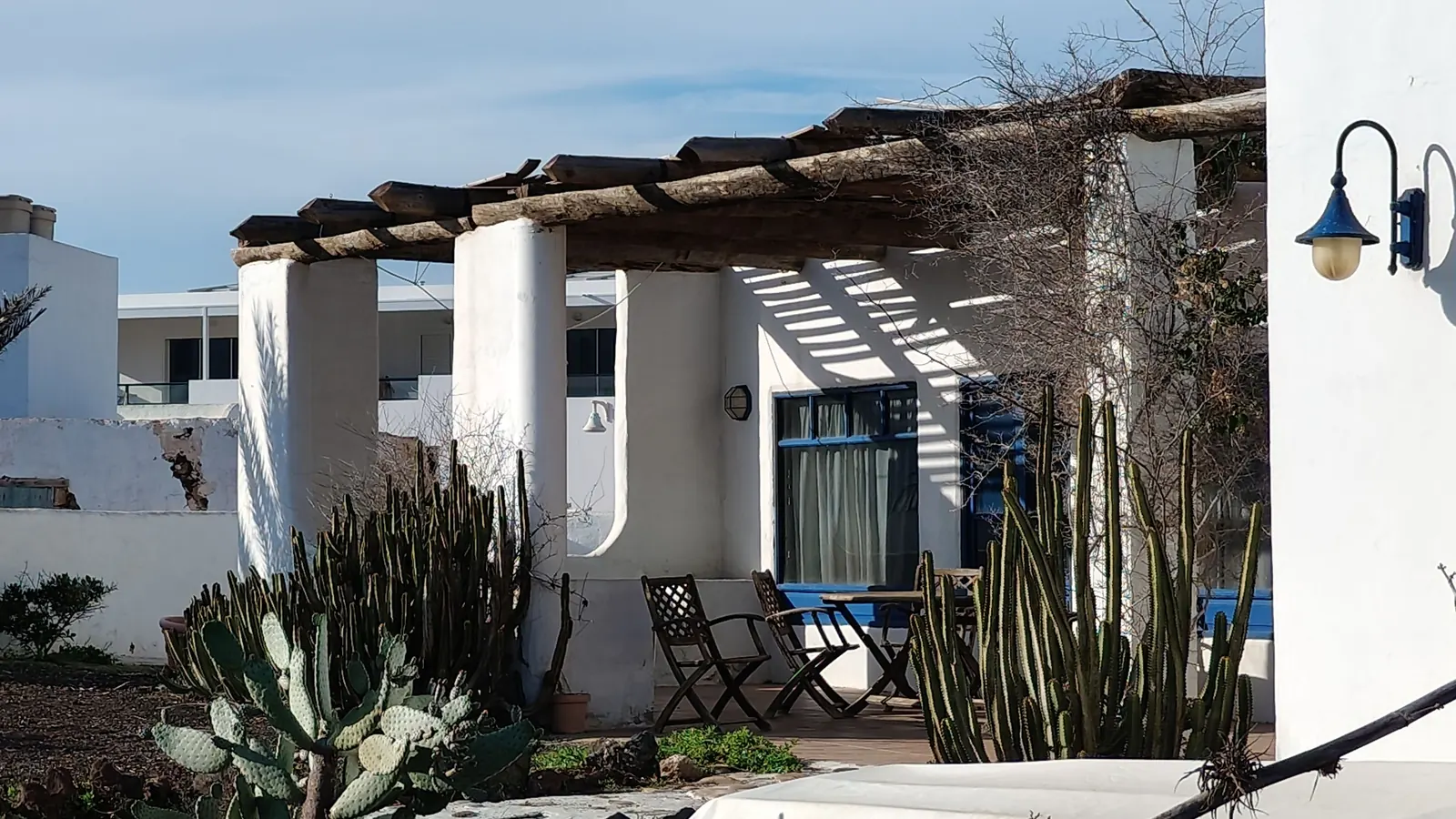
Slat direction, spacing, roof height and the surrounding trees all shape the shade, so no compass heading wins everywhere. Low morning and evening sun comes in under the open edges of any pergola, which is where side screens come in, and why shade falling on the tabletop can still leave sun in someone’s eyes. Ask the supplier or designer to show the shade for your latitude and roof, using your chosen hours; a drawing that shows the chair positions in shade at those hours is a good answer. A louvered roof, retractable cover or screen should be planned in from the start, with room for it to operate and be serviced, rather than counted on as a rescue for a poorly placed seat.
Look at the view from inside as well. A structure near a window changes the outlook and the light in that room, so stand at the window while a helper marks the post and roof positions at ground level.
Mark it out and sit in it
Lay a hose or removable markers on the grass to show the actual post positions and roof overhang from the drawing, since a catalog size can differ from the clear space between posts. Do not drive stakes until utility locates are complete. Set out the furniture you plan to use. Pull dining chairs back as if someone is leaving the table, walk behind occupied seats and swing nearby doors and gates through their full arc. For a lounge, add side tables and room to stand up. If anyone in the household uses a wheelchair or walker, set out the actual dimensions and the applicable accessibility requirements, then shrink the furniture or shift the pergola before squeezing the route.
Privacy, from both sides
Sit in the proposed spot and look at neighboring windows, gates and public paths, then look back at the seat from where people will approach. A planted screen takes time, often more than a season, and has a mature size to plan around. A structural screen should be part of the original design instead of a panel added later. Keep the views you value, such as a play area or the front gate, because screening every side removes them.
Rain and drainage
Visit during and after ordinary rain when it is safe. Puddles, downspout discharge, muddy approaches and the direction water travels all show up then and not on a dry afternoon. If the roof sheds water, plan where it lands, for the seats and for the path. A site that needs drainage work can still be right, and the work belongs in the plan and the budget. Never use a new slab, fill or paving to send water toward the house or a neighbor, and have a drainage problem assessed before pouring footings.
Rules, utilities and the ground
A preferred site still has to pass a check. Look up property boundaries, easements, local rules on size and distance from lot lines, and any homeowner association restrictions. Requirements differ by city and often by structure size, so your building department is the place to ask. An existing patio or deck is not automatically a suitable foundation, because the visible surface hides its construction and load path. A freestanding structure placed close to the house does not become an attached one, and a true wall connection needs proper structural and weather detailing. The outdoor structures hub covers the structure types.
Before any digging for posts or footings, contact 811. The service says to call a few business days ahead, notes that utilities generally have a few days to respond and that state laws vary, and says many utilities sit only a few inches below the surface. It asks for a new call for every digging job, and a fence or mailbox post counts as one. 811 before you dig Utilities mark their own lines, so ask who locates private ones, such as a sprinkler feed or a lamp cable.
Look up as well. Do not place a structure where building or maintaining it would bring ladders, lumber or people near overhead lines; OSHA’s electrical standard keeps an unqualified person and any conductive object they hold at least 10 feet from unguarded overhead lines up to 50 kV, and farther for higher voltages, so treat 10 feet as a floor and ask your electric utility about an uncertain case. OSHA 1910.333
Decide
Rank your candidate sites on five points: comfortable in the hours you will use it, room for furniture and circulation, a route that leaves the rest of the yard working, the privacy and views the purpose needs, and a drainage and utility situation that is workable. A serious conflict on the last one is a reason to move, even from the best view. When two sites tie, use both informally for a few evenings with the chairs out, and keep the one you drift toward.
Written from manufacturer and retailer information and general garden practice. GardenHelm has not physically tested the products discussed here. How we choose products