Arbor vs. Pergola: Choose a Garden Entrance or an Outdoor Space
An arbor frames a path or entrance; a pergola defines an outdoor room; a trellis holds up a plant. Decide which job you need, then the footprint, shade and plant support.
By GardenHelmPublished 6-minute readMore in Pergolas & Covered Terraces
What this guide compares
- Entrance, seating or plant-support purpose
- Clear passage and furniture footprint
- Required shade and weather protection
- Mature planting and maintenance
- Installation scope and site constraints
In this guide
We may earn a commission from links on this page, at no extra cost to you. How this works
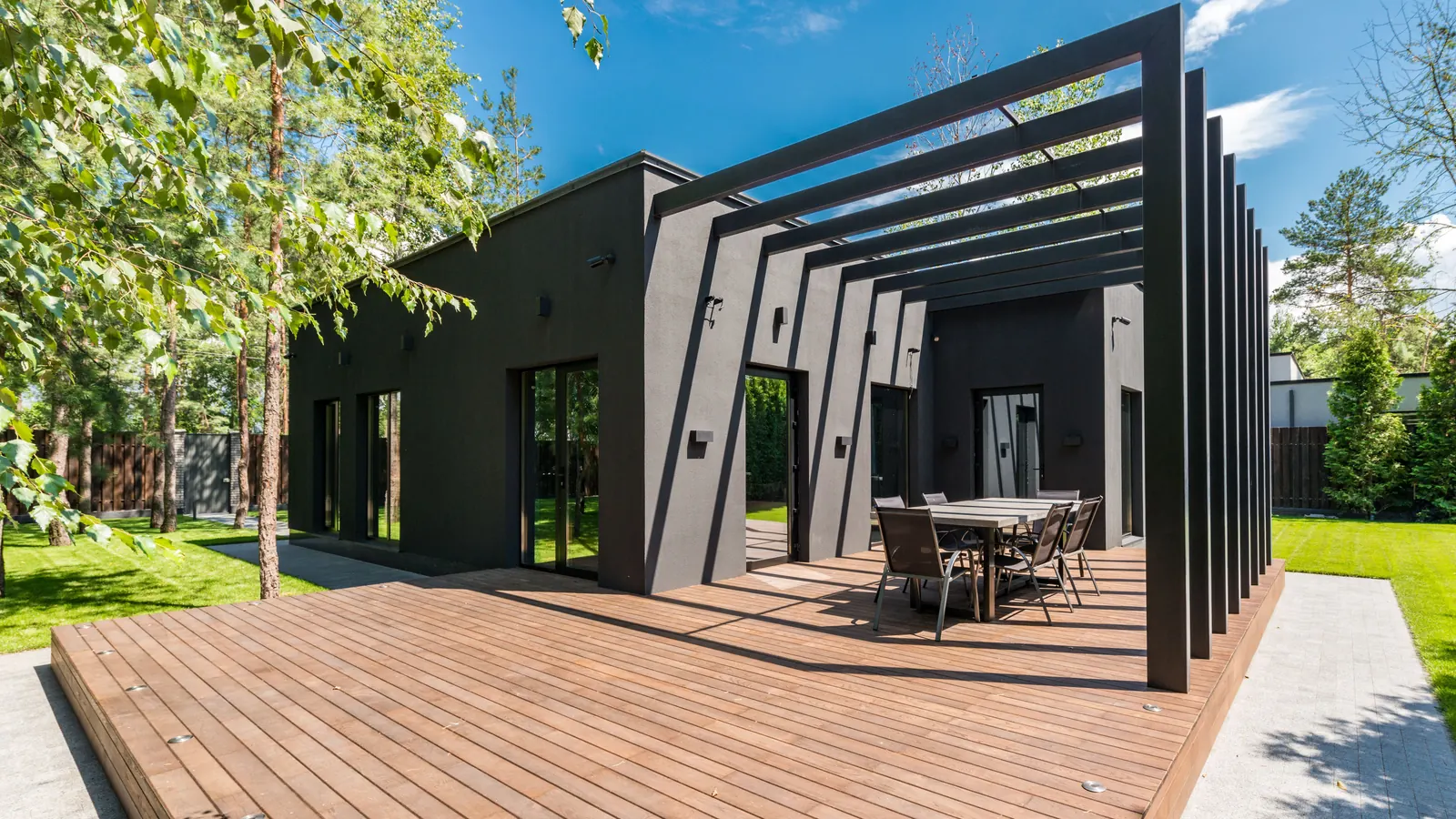
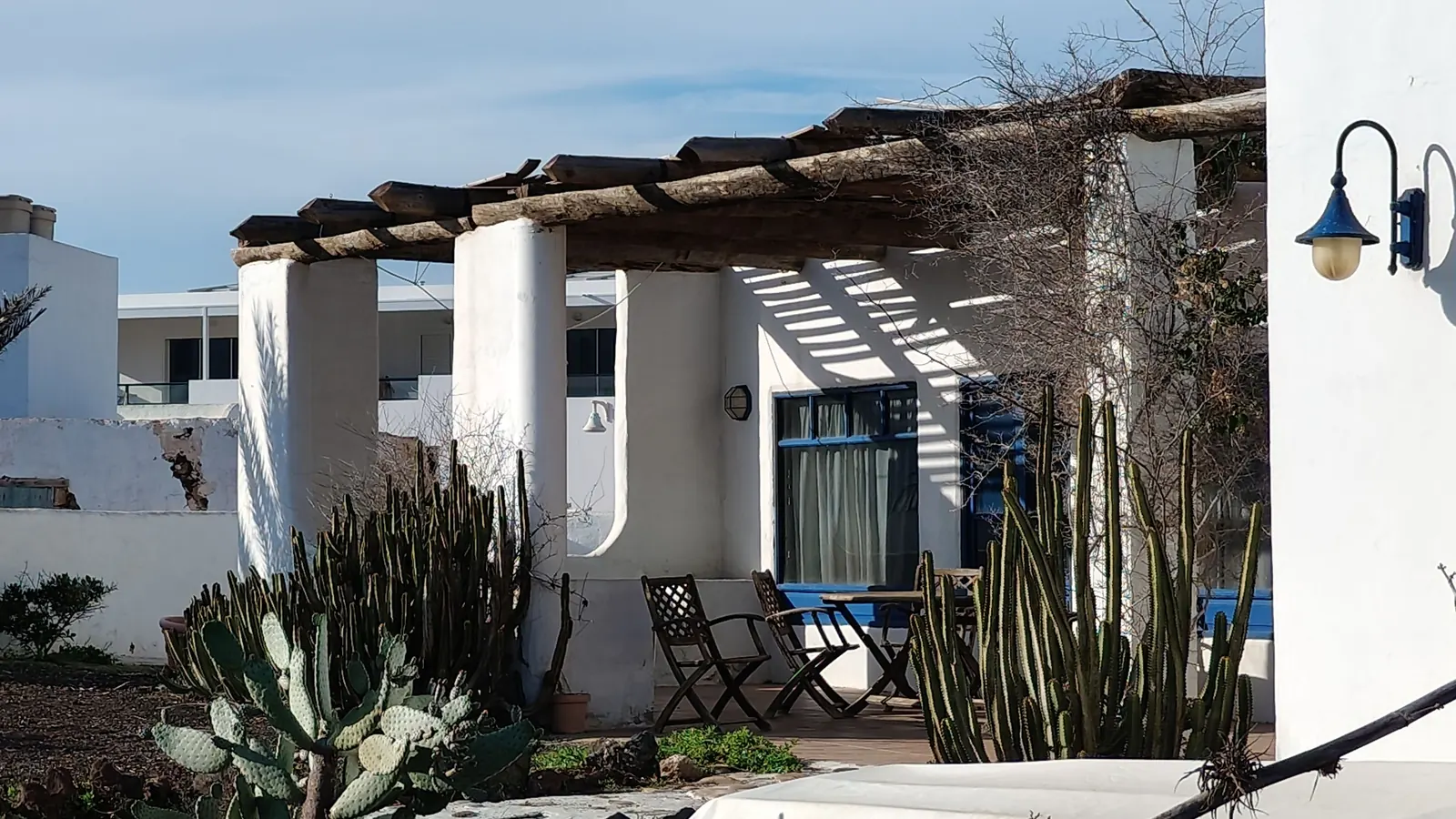
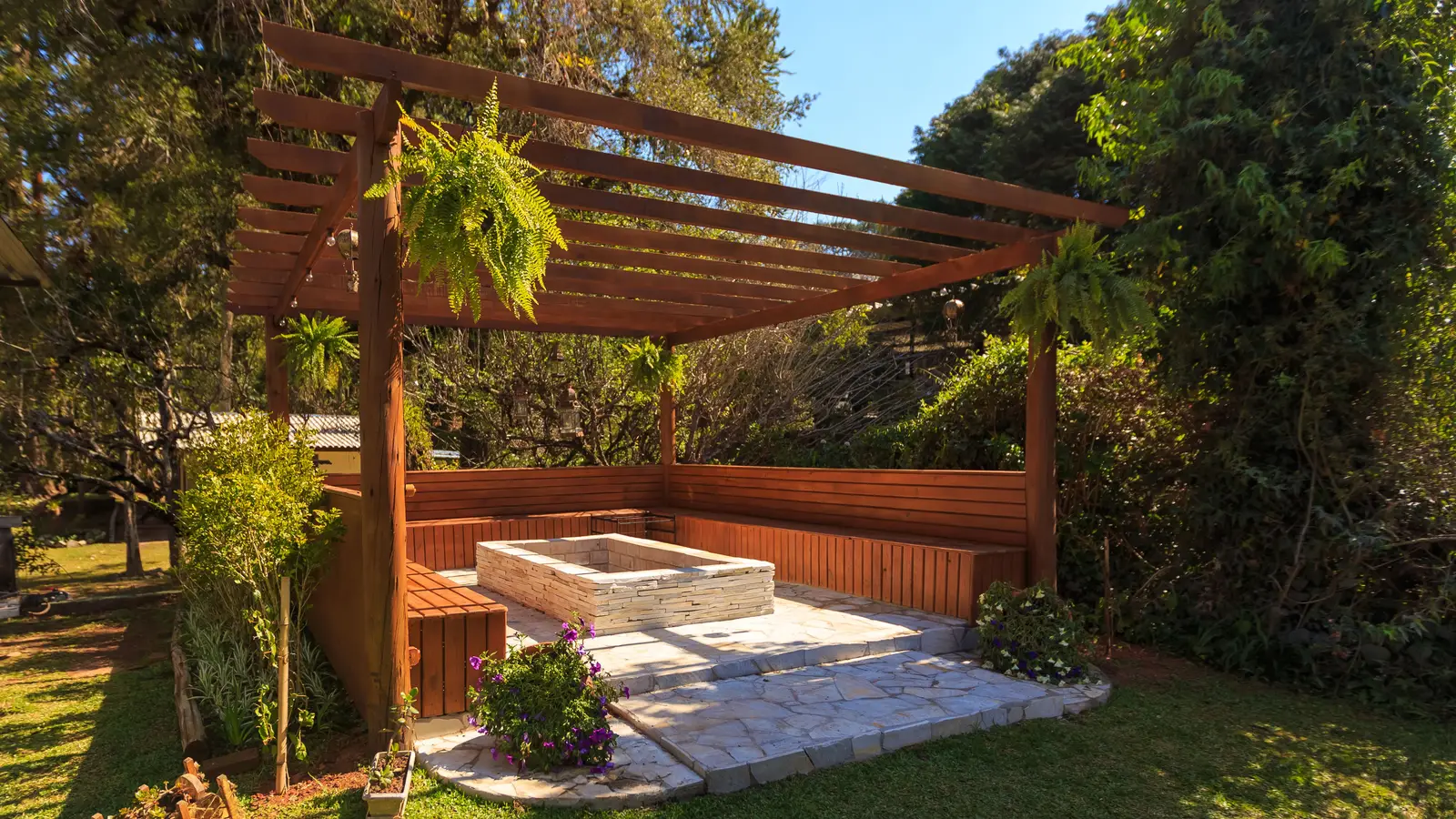
Dictionaries define the two by different things: an arbor by what grows over it, a pergola by the roof it carries. Merriam-Webster describes an arbor as a shelter of vines or branches, or of latticework covered with climbing shrubs or vines, and a pergola as a structure usually made of parallel colonnades supporting an open roof of girders and cross rafters. Merriam-Webster, arbor and pergola In the garden trade the words overlap, and retailers use them loosely, so the working distinction is about the job. An arbor usually frames an entrance, a short path or a bench. A pergola usually organizes a larger area, a dining spot or a longer walkway, under overhead beams. A trellis is a plant support, either a panel on its own or part of one of the other two.
That gives a quick decision. Choose an arbor for a focused feature: a gap in a hedge, the entry to a vegetable garden, a bench with something over it. Choose a pergola when you want an outdoor room with furniture and overhead structure. Choose a trellis when the only job is holding up a plant beside a bed, because there is little reason to build an overhead frame for that. Neither name guarantees rain protection, useful shade or capacity for a heavy vine.
An arbor belongs on a route
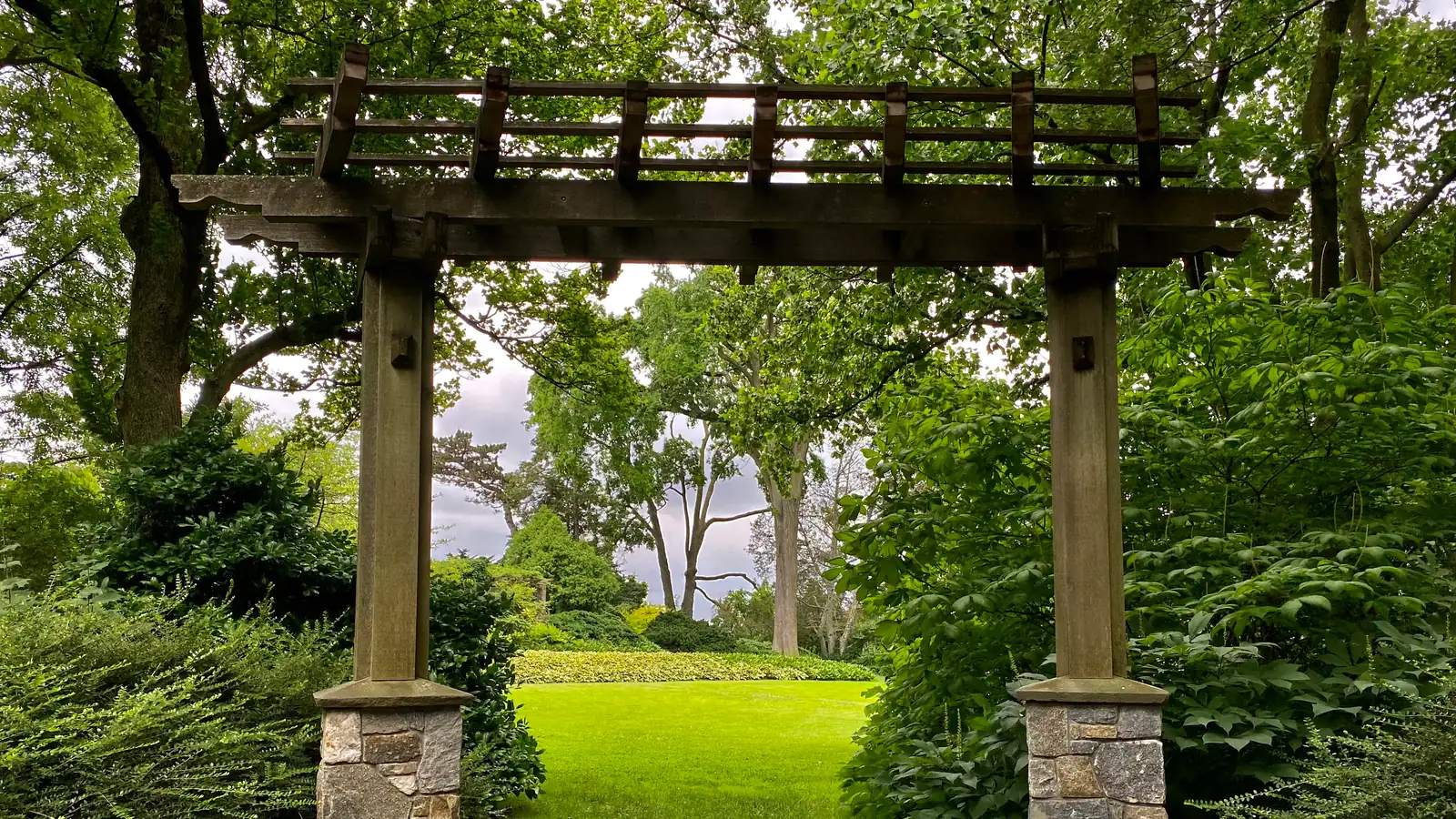
An entrance arbor works when it sits on a path someone actually walks. Stand where a visitor approaches and look through the opening: it can frame a bed, a seat or a path junction, and it need not stand at the property boundary. Size the opening for the widest thing that goes through it. A wheelbarrow, mower or garden cart needs more room than a person, and a gate needs its swing. Plants will narrow the opening once they mature, so allow for that as well.
A bench arbor is two things, a frame and a seat. Find out whether the bench is included, how it is supported and whether the maker covers sitting on it. Mark out the seat and its approach so planting cannot block access later.
An arbor is small, but it is a weather-exposed structure. Install it as the maker specifies; a decorative arch pushed into the soil is not a sturdy support for a heavy vine in wind.
A pergola is laid out around people
Put the furniture on the patio, or mark it with chalk, before choosing a size, and leave room to pull dining chairs back, pass behind occupied seats and reach the doors. Post positions often matter more than a few extra inches of roof: a post between the kitchen door and the table becomes an everyday obstacle, and a larger outline with the same awkward posts does not fix it.
Look from inside the house as well. An overhead frame changes the view and the daylight in the rooms behind it. For a long planted walkway, plan how you will reach the whole length to train growth, inspect the frame and keep the path clear, because that becomes harder after the plants fill in.
Shade and rain are separate questions
Open beams cast moving stripes of sun and shade. An arbor with sparse overhead members gives little useful shade for a seat until plants establish, and a pergola with widely spaced rafters can leave a dining table in full sun at the hour you eat. Decide what “covered” means for you. A visual ceiling over a patio may only need open framing. Controllable shade calls for a canopy or louver system, and staying dry needs a roof designed for drainage and operating conditions.
PERGOLUX’s collection shows that second kind of purchase, separating a manually adjusted Pergola 4 roof from motorized Pro and Pro Max options. That is a different decision from a small planted arbor. Retailer links on this page are affiliate links, GardenHelm may earn a commission, and we have not tested those pergolas, so read the exact model’s installation requirements.
Between the manual and motorized roofs, the question is how often the louvers will move. Pergolux describes the Pergola 4 as manually adjusted, with no motors or wiring, which is enough for a table you open in the morning and close when a shower comes through. The motorized Pergola 4 Pro runs by remote, app or smart-home connection, adds dimmable beam lighting and double-walled louvers, and lists snow loads up to 65 psf against the Pergola 4’s 50 psf, depending on configuration. That extra is worth paying for only if you will adjust the roof several times a day, want it controlled from indoors, or your design snow load is above 50 psf, and only once you know power can reach the posts.
None of these is an arbor or a frame for climbers. For a planted entrance, a vine walkway or a bench under roses, a simple wood or metal arbor from a local builder or garden center does the job better, and these louvered roofs make sense only where the goal is a furnished space that stays usable through sun and light rain.
An open garden frame is rarely designed to carry a solid roof, screens or hanging loads added later. Have the frame and its attachments reviewed before planning any of those.
Choose the plant first
Think about mature growth, training and pruning, since they drive the structure and the upkeep. University of Minnesota Extension explains that grapevines grow quickly and become heavy, so they need sturdy support, and it separates managing a vine for shade from managing it for good fruit. University of Minnesota Extension, growing grapes in the home garden The lesson carries over: pick a planting goal, because climbers are not interchangeable. Ask a local extension service or nursery which species suit your climate and position, and check regional invasive-plant guidance before you plant.
Leave yourself a way to reach the growth for pruning, keep it clear of moving roof parts, and inspect the connections underneath it. On a louvered pergola, ask the maker whether plants or plant-support wires are permitted at all; a separate trellis may give you the greenery without involving the mechanism.
Compare scope, not generic prices
An arbor usually has fewer parts than a large pergola, but materials, custom work, gates, foundations, access and labor still move the total, so ask for estimates on the designs that fit your plan. Separate the frame from its installation work and any extras: a pergola quote may need a foundation or structural review, and an arbor quote may leave out a gate or bench that appears in the photo.
Local rules can group the names together. Prosper, Texas, for example, covers detached arbors, pergolas and patio covers on one checklist that asks for site and construction information. Prosper, Texas, detached arbor, pergola and patio cover checklist That is one town’s list; your jurisdiction will want your design, location and dimensions. The outdoor structures hub has the wider planning questions.
Write the job in one line, such as “frame the vegetable-garden entrance,” “make a bench destination” or “define a dining space with adjustable shade,” and buy the smallest structure that does it. If both appeal, they probably belong in different parts of the garden.
Retailers to browse
Compare sizes, materials and delivery details on each retailer’s current listings.
- Go to Pergolux
Pergolux
Opens Pergolux’s store (pergola kits).
Written from manufacturer and retailer information and general garden practice. GardenHelm has not physically tested the products discussed here. How we choose products