Pergola Covers: 8 Ways to Cover an Existing Pergola
Shade cloth, retractable canopies, slide-wire fabric, polycarbonate, metal panels, louvers, vines or slats: how each pergola cover handles rain, sun, wind and snow, and when a permit applies.
By GardenHelmPublished 5-minute readMore in Pergolas & Covered Terraces
In this guide
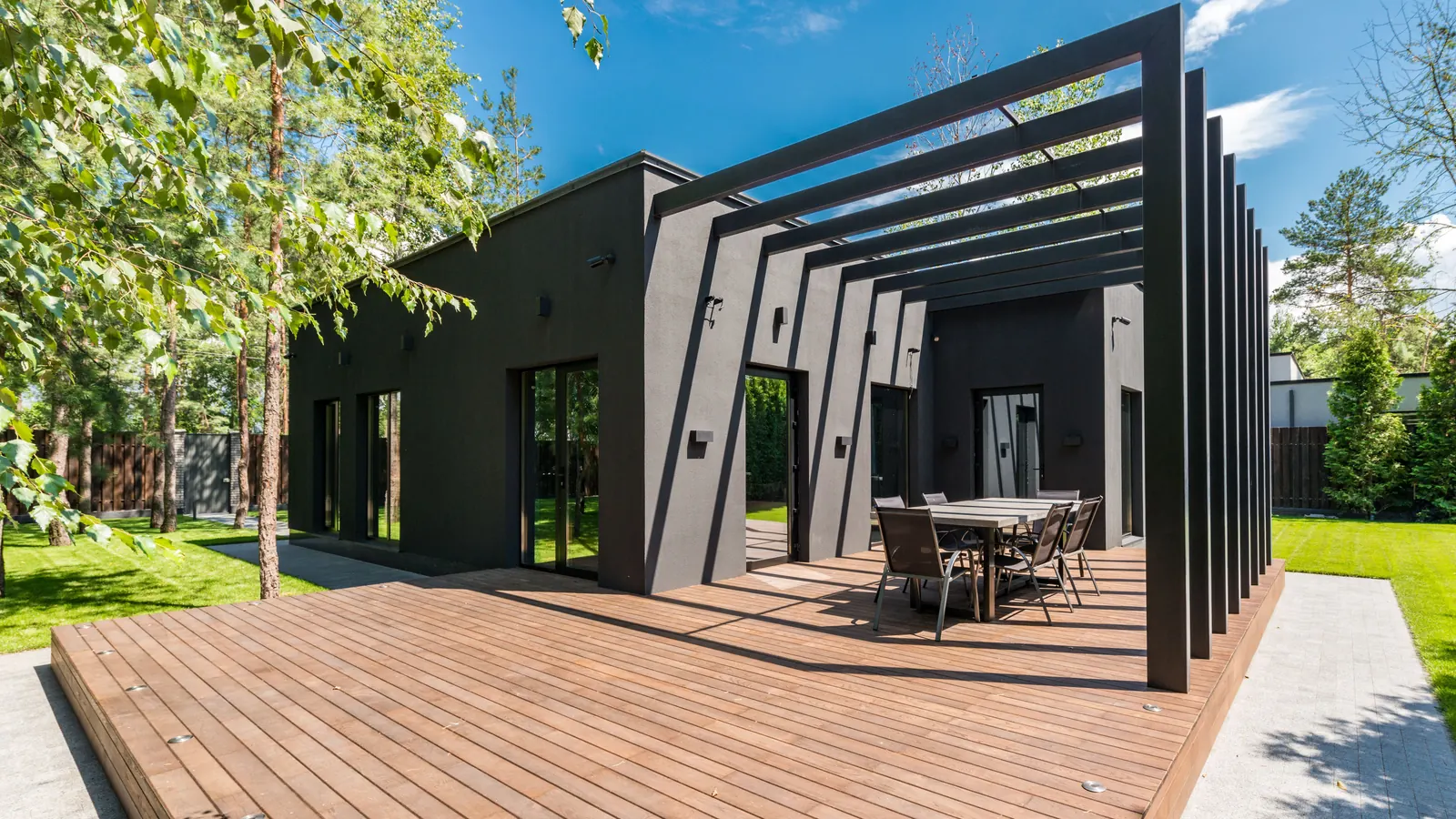
Fabric comes down when the weather turns, while rigid panels stay up and have to survive it. That difference sorts most pergola covers. Shade cloth, sails and canopies are storm-by-storm and season-by-season decisions. Polycarbonate and metal are permanent loads on a frame that may have been sized for open rafters, and a solid roof can move the project into permit territory. So the first question is whether you want shade or shelter, and the second is whether you will be the person who takes the cover off before a storm.
This guide is about adding a cover to a pergola you already own. If you are still shopping for a pergola that comes with a roof, compare pergolas with a roof before you buy a frame you plan to cover.
Fabric: shade now, a chore when storms come
Shade cloth and shade sails. Both are lightweight and quick to put up, and both need to be taken seriously in wind. Coolaroo’s sail instructions call it highly recommended to take the sail down in severe weather, say that keeping it taut extends its life, and ask you to recheck tension after about 30 days because new fabric settles and loosens. They also tell you to check every fixing point for tightness before and during use and to keep the sail away from open flame (Coolaroo shade sail instructions). Those are one maker’s directions, but the pattern holds up as a planning assumption: a tensioned sail pulls sideways on the posts and beams it hangs from, so the attachment points need a proper design for that pull. Generic eye bolts into rafters built for vertical load will not do.
Slide-wire canopies. Fabric panels clip to cables strung across the top, and you pull them along the wires to open or close the shade. The cables load the pergola at their ends, so the same attachment question applies. Ask the seller for the rain and wind limits in writing. A good answer names the conditions in which you must gather the panels; a vague “weather resistant” does not.
Retractable canopies. SunSetter’s FAQ, written about its retractable awnings, is a useful yardstick for any moving fabric roof. It recommends retracting during strong, gusty winds and as soon as water starts to pool on the fabric. Its snow advice, rolling the awning up when snow might collect, is given for one model, the 1000XT. It also describes an optional wireless wind sensor that closes motorized models on very windy days (SunSetter FAQ). If a canopy for your pergola cannot state its own rules for wind, pooling water and snow, keep looking. Motorized versions also need a power supply, so find out what happens in an outage and whether the cover can be closed by hand.
Rigid panels: lasting cover, heavier decisions
Polycarbonate. Light under it depends on the sheet. Palram groups its SUNTUF colors into transparent, translucent and opaque, and says the standard sheet carries UV protection on one side, which must face outward (Palram SUNTUF corrugated sheets). The same page covers the fastening details that decide whether a polycarbonate roof ages well. Predrill holes slightly larger than the screws so the sheet can expand and contract, use the recommended screws and never nails, and overlap panels so wind cannot get under the ends and lift them. Sheets with a different profile, such as multiwall, come with their own instructions, so use the guide for the exact product. If your rafters sit farther apart than that guide allows, the roof needs added purlins before any sheet goes on.
Metal panels. An opaque metal roof gives the most complete shade and rain cover. Weight, heat and rain noise vary with the assembly, so look at documented characteristics for the panel and underlayment you are considering. The frame, its connections and its footings all have to carry the new roof.
What any solid cover changes. Open rafters shed snow and let wind pass through; a solid roof collects the one and catches the other. Ask your building department for the design snow and wind loads at your address, and have whoever designs the roof confirm the pergola can carry them. Decide slope and drainage at the same time, and trace where the water ends up, especially if the answer is a doorway, a seating area or the house wall. If the pergola is attached, the roof also loads the ledger at the wall, and altered drainage there needs a flashing and gutter plan.
Louvered retrofits
Some makers sell louvered roof systems built to fit inside an existing frame, with slats that rotate open for light or close against rain. A retrofit works only if the frame is the right size, square and level, and strong enough for the louvers plus water and snow. Our louvered pergola guide explains how these roofs work.
Covers that do not shed rain
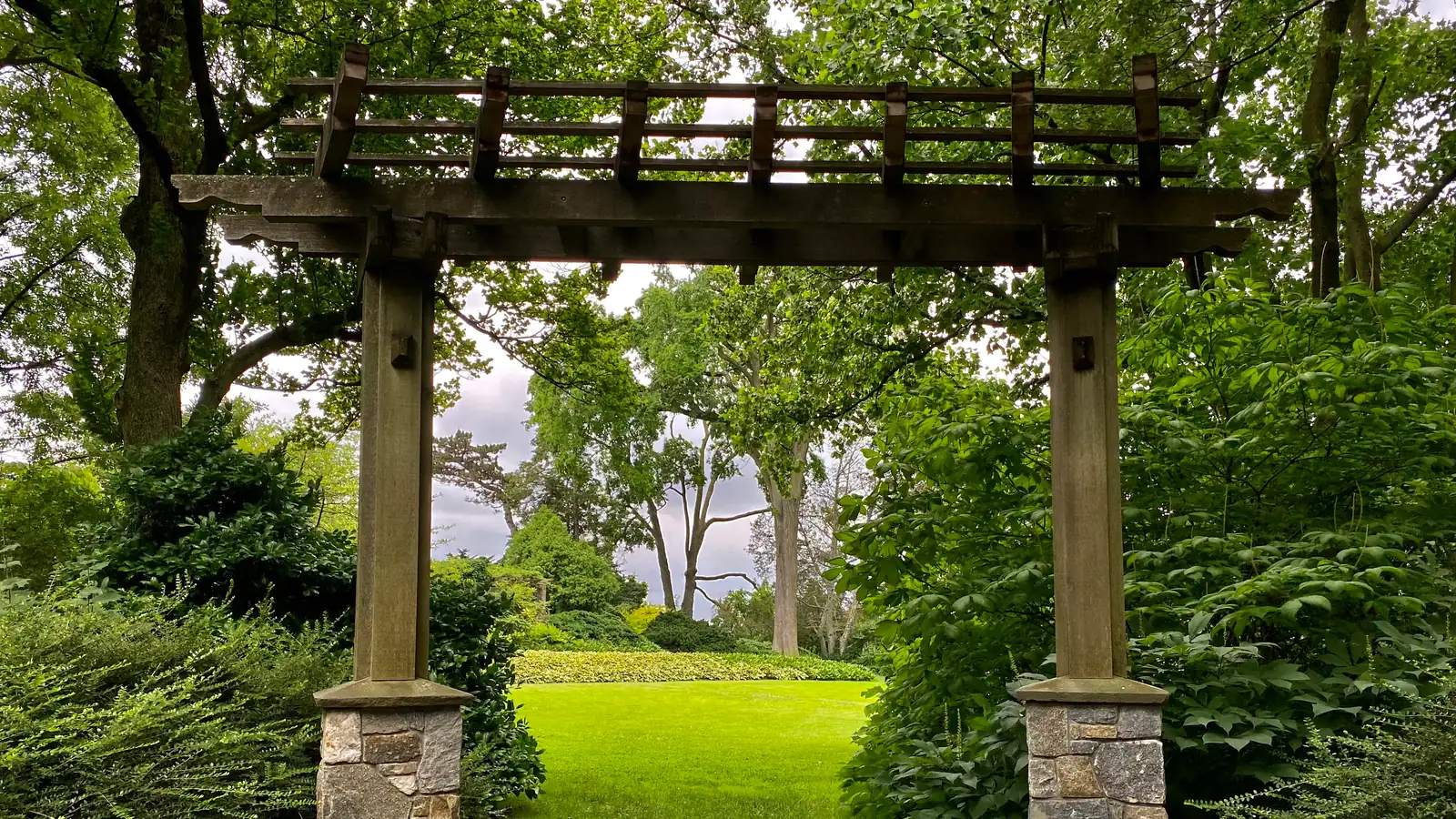
Vines. A climbing plant gives a living shade layer, but the schedule depends on species, climate and training. University of Minnesota notes that mature wisteria becomes heavy and needs suitable support and recurring pruning, so plan plant care and structure together. A leafy canopy will not keep a table dry.
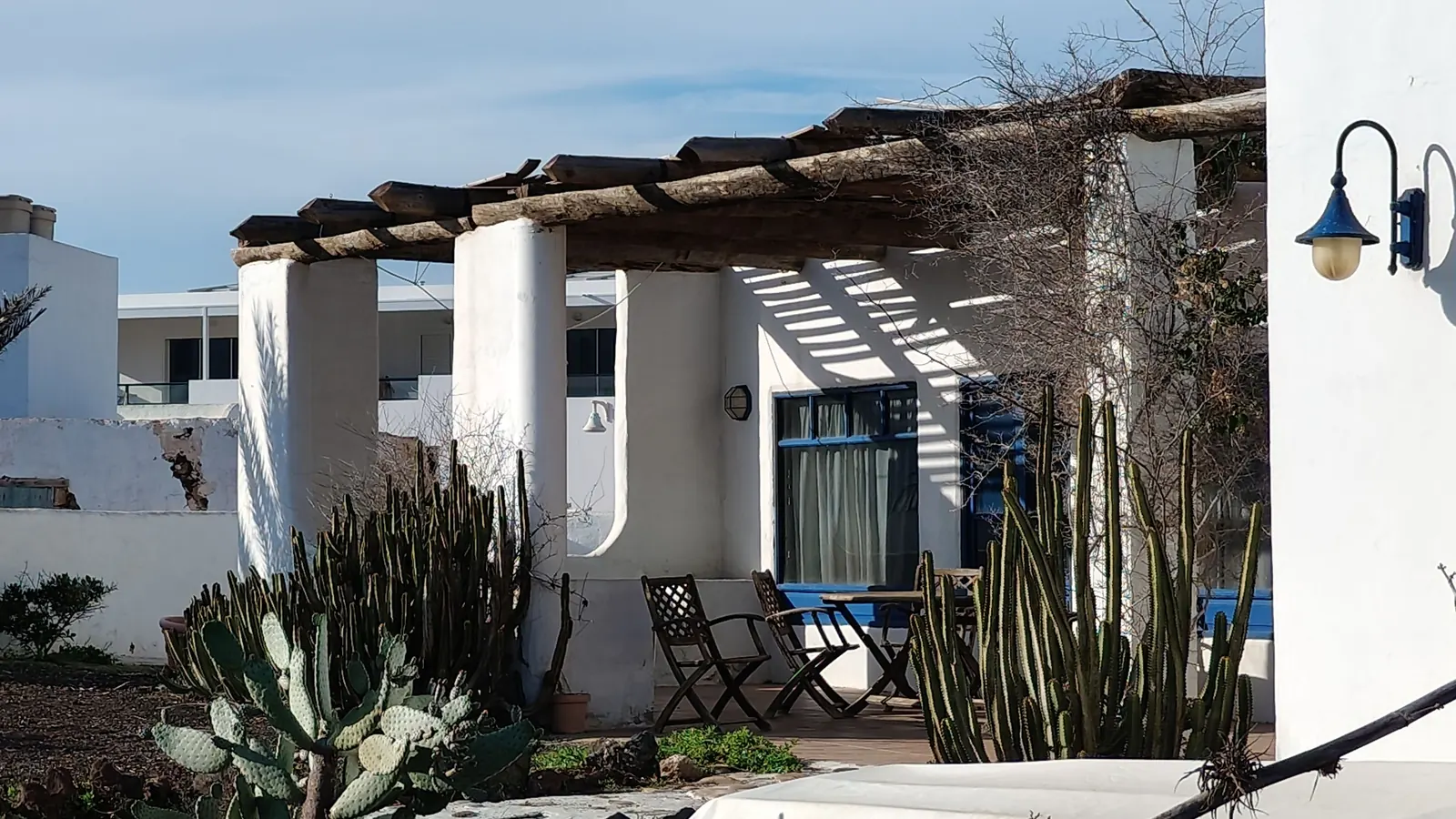
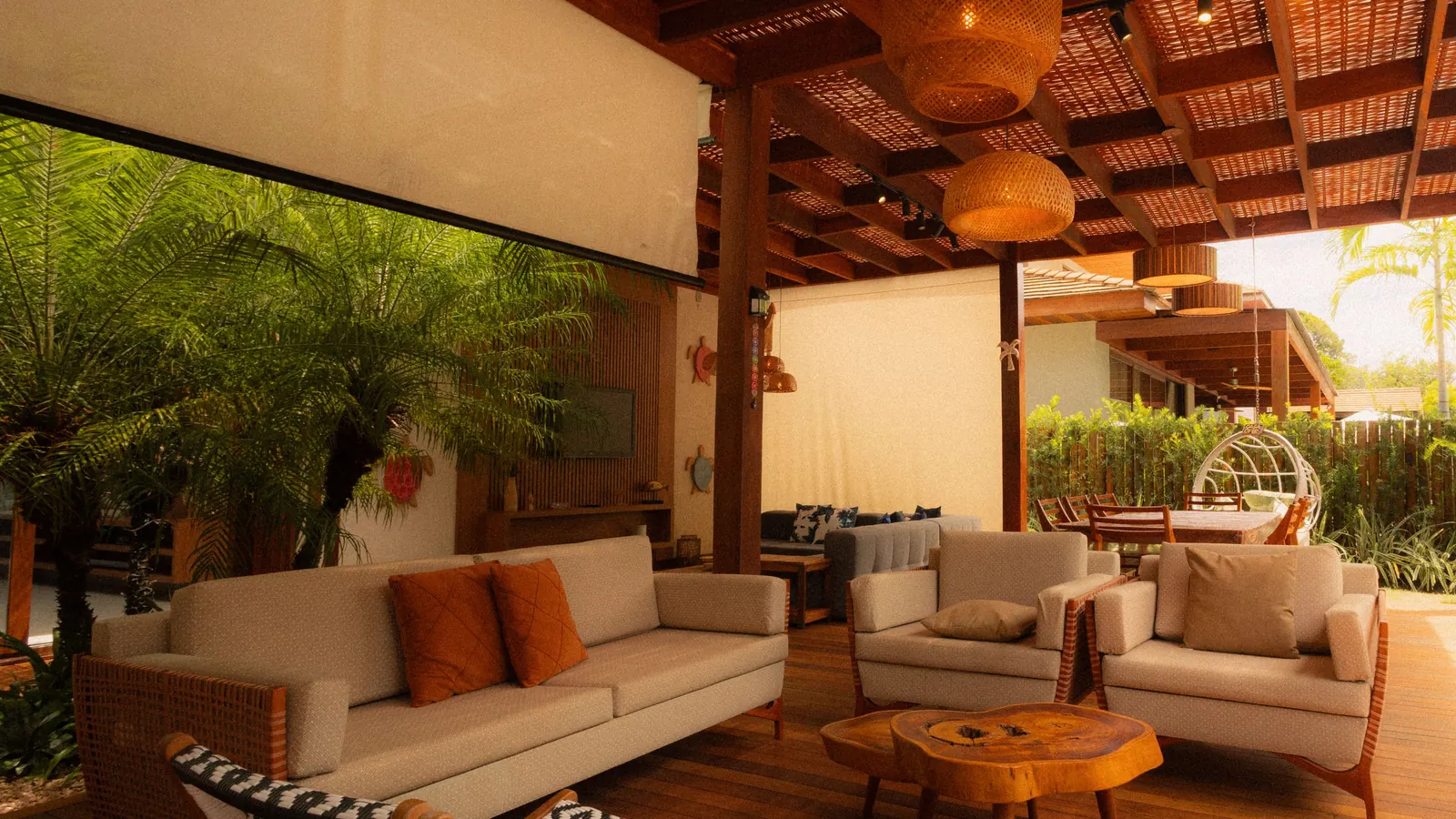
Woven reed or bamboo mats. They soften sun and suit a garden setting, and they work purely as shade, with no rain cover at all. Follow the supplier’s attachment, wind and seasonal-removal instructions, and keep combustible mats clear of grills and heaters.
Extra slats or lattice. Adding rafters or a lattice layer deepens shade without changing the open look. Closer spacing generally deepens it, though when and where the shade lands depends on the sun, slat orientation and roof height. Weigh the added load on the frame before fixing anything to it, use outdoor-rated fasteners, and match the new wood to the old.
Permits when the roof goes solid
Building departments often treat an open pergola and a roofed one differently. Many regulate solid-roofed structures as patio covers, and a solid roof, a connection to the house, electrical work or a size over a local limit can each trigger a permit or plan review. Prosper, Texas asks for site and construction plans and requires sealed plans for metal structures or larger sizes. That is one town’s rule, so call your own building department before buying panels, and ask any homeowners association about roof materials and colors.
Matching the cover to how you use the space
A dining spot used at midday needs shade over the chairs wherever the table sits. Mark the seating, watch where shadows fall at your usual mealtime, and only then choose slat spacing or fabric extent. A striped canopy can leave a diner in full sun.
If the pergola sits against windows, think about the daylight behind it. An adjustable or open cover keeps the room bright, and a permanent opaque roof can darken the nearest room. Garden-side pergolas often suit woven shades or plants, as long as you leave a way to reach them for cleaning, pruning or seasonal removal.
For a space you want to use in rain, start with a cover whose maker documents that use, then work out where the runoff goes. For new frames and kits, browse the pergolas category.
Written from manufacturer and retailer information and general garden practice. GardenHelm has not physically tested the products discussed here. How we choose products