Lawn Mower Storage Sheds: Measure the Machine, Door and Route
A shed is only useful if the mower can drive in, park and come out without a struggle. Measure the machine, the door, the threshold and the ramp before looking at floor area.
By GardenHelmPublished 6-minute readMore in Garden Sheds
What this guide compares
- Actual mower dimensions in its permitted storage position
- Clear doorway and approach space
- Floor and ramp load capacity
- Dry storage and suitable battery arrangements
- Model-specific maintenance access
In this guide
A mower’s advertised size is its cutting width. Its storage size is something else: wheels, discharge chute, bagger, handle or seat, and anything else that stays bolted on. Shed listings often have the same gap, because the headline footprint may be the outside of the building or a rounded nominal size. Whether your mower actually lives there comes down to the clear width of the open door, the height of the threshold and the room to turn once inside, and which of those matters most depends on what kind of mower you own.
Start with the owner’s manual. It tells you which parts fold or come off for storage, whether any special storage position is allowed, and the machine’s weight. Measure overall width, length and height in that approved storage configuration, and again in the setup you use every week if it differs. Add the room you need to stand beside it and reach the fuel cap or battery, plus the bagger, trimmer and rakes that will share the floor.
Push and self-propelled mowers: making a small shed work
With a walk-behind mower, floor space tends to matter more than the doorway, though measure the width with the handle up. Two features change how much floor you need.
Some mowers are built to stand on end. Toro’s SmartStow information describes a system engineered for vertical storage, including particular engine technology. That applies to those models. It does not mean any gas mower can be tipped up without oil or fuel finding its way where it should not. If yours is designed for it, follow the manual’s folding and locking steps, measure it standing, and park it where the door swing and passing feet will not knock it over. You still need clear floor in front of it to unfold it before mowing.
A folding handle shrinks the footprint, but folding it every week gets old. If the handle stays up all season and folds only for winter, plan the summer layout around the unfolded size.
A low horizontal storage box is the smallest option. It can suit a compatible folded push mower, provided its inside dimensions and lid opening match your measurements; product photos are not a measurement drawing.
Riding mowers and zero-turns: door, floor and ramp
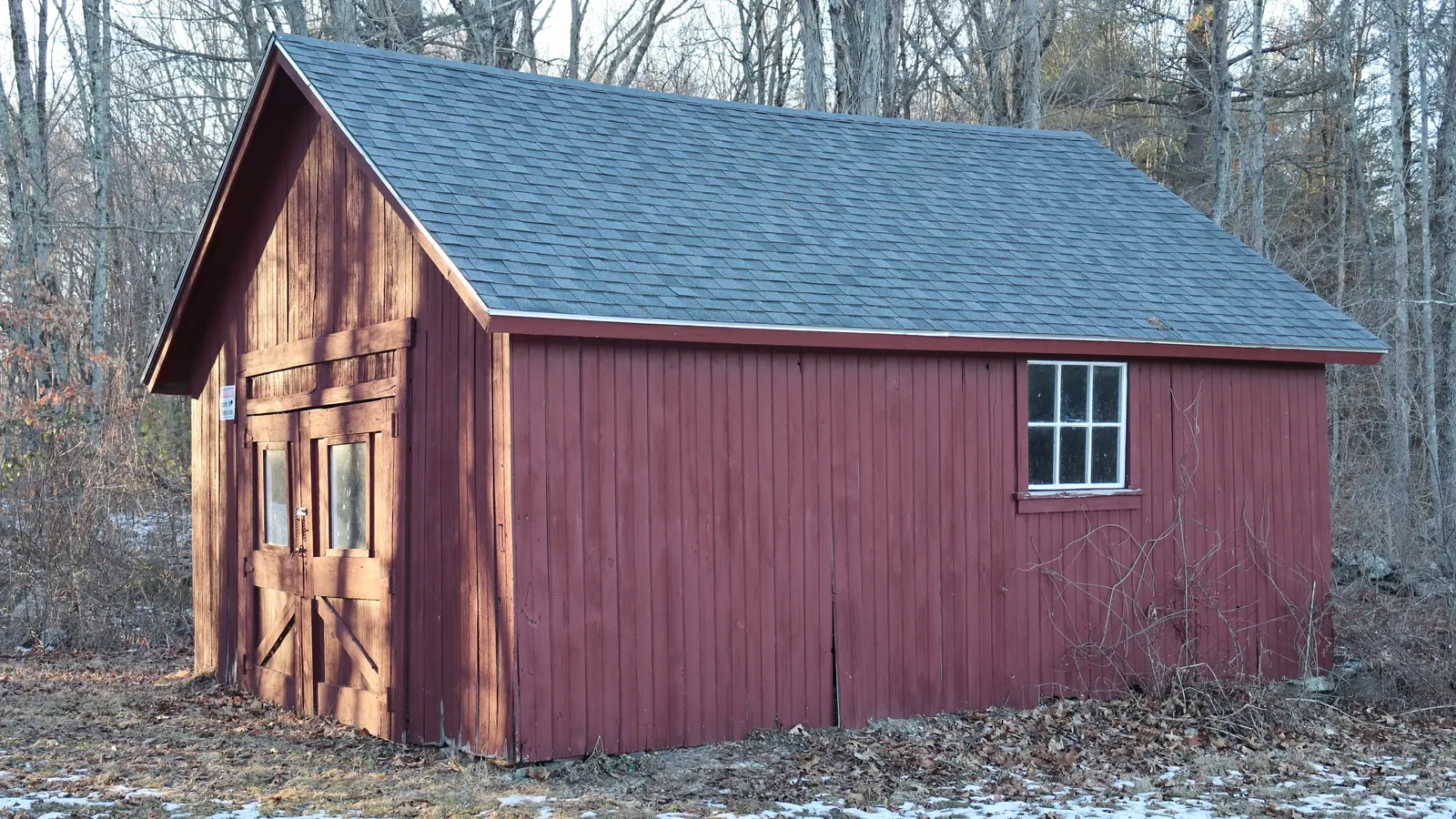
With a rider, the doorway decides before the floor area does. The number you need is the clear opening with the doors fully open. Wall width, nominal door size and usable passage are three different measurements, and hinges, stops, latches and a center post all eat into the last one. On double doors, find out whether both leaves open fully and what holds them back in wind. Then look at the approach: the turn from your path into the doorway needs room to line the machine up straight, and a door on the long side of a narrow shed may leave no space to swing in.
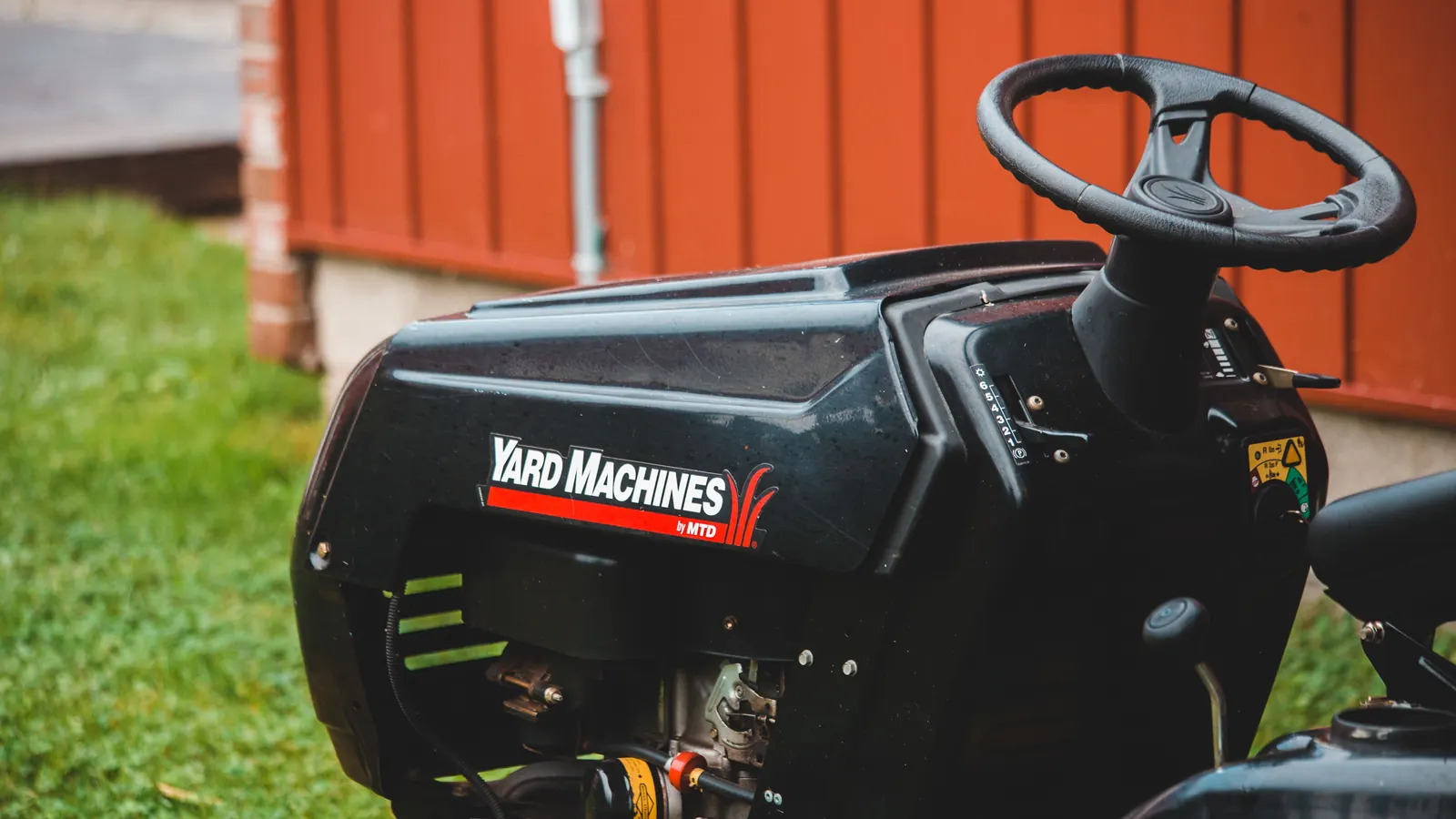
Inside, a rider that drives in straight may have nowhere to turn, so plan to park nose out near the door, with shelves and hooks along the side walls. Size-checking the fit is done with the engine off: push the mower or move it only as its manual allows, and never start a gas engine inside a shed.
The floor has to carry concentrated wheel loads, not just the average weight per square foot. A shed kit does not necessarily include a floor at all, so get the base, floor system and anchorage requirements in writing and put the mower’s weight from the manual against them.
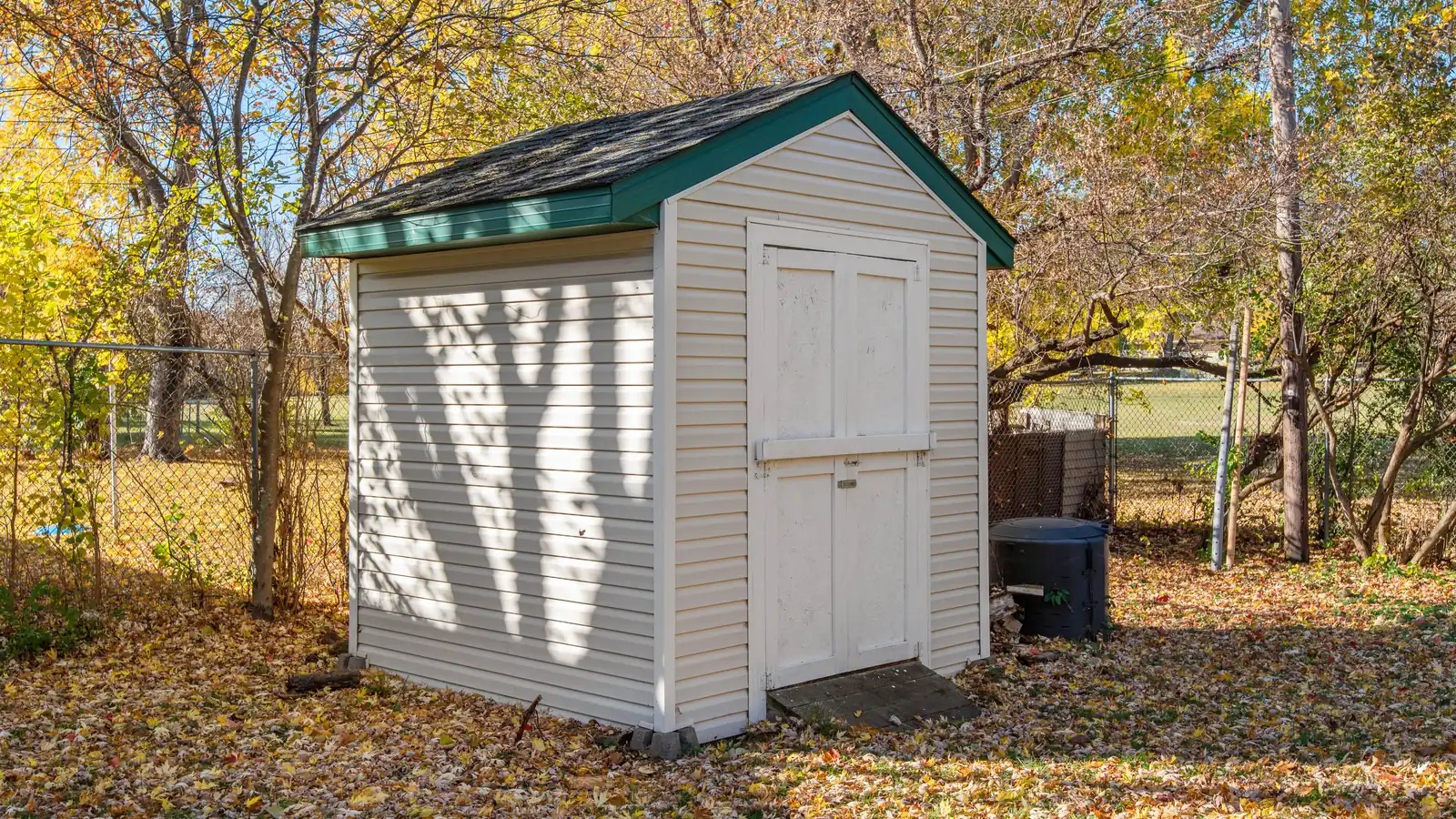
If the floor sits above grade, the ramp becomes part of the purchase. It needs a stated load rating, a proper attachment to the shed, a slope and width that suit the machine and a surface that grips when wet. Loose boards propped against the sill can shift or snap under a wheel, and a ramp sold for a different shed may not fit. On a heavy machine or sloping ground, have a local builder look at the base and ramp together before you order; a bigger shed will not fix an unsuitable foundation. Check the approach after rain as well: water should drain away from the door, and the ground in front should not turn to mud that undermines the base.
Gas mowers: fuel and fumes
Spare gasoline belongs outside the house; the CPSC specifically warns against keeping fuel containers inside a house or basement, which makes a detached shed the usual home for the can. The CPSC’s fuel-container guidance says to keep gas cans in cool, well-ventilated areas, away from pilot lights, heaters and other ignition sources, and out of children’s reach, with the cap replaced after every use. In shed terms: an approved, child-resistant can on the floor, away from any heater or charger and off the sunny shelf by the window. Your local fire code may cap how much you can store.
Let the engine cool before parking it, as the manual directs. Off-season storage is a separate job from parking: follow the maker’s directions for cleaning, fuel, oil and the battery if it has one. Honda’s mower fuel recommendations distinguish storage periods and point owners to the matching procedure, so one stabilizer-or-drain routine does not fit every engine. Any step that needs the engine running happens outdoors, away from doors and windows; an open shed door does not make it safe inside.
Clean off grass the way the manual describes and let the machine dry before closing it in. Do not pressure-wash electrical parts or spray water where the manual says to keep it dry.
Battery mowers: where the charger goes
A battery-powered mower avoids the fuel question but adds a temperature one. Read the mower, battery and charger instructions separately: a shed that suits the mower body can get too hot in summer or too cold in winter for storing or charging the battery, in which case the battery comes indoors to a spot the maker allows. An outlet nearby does not make a shed corner a safe charging station. Charge only where the instructions permit, on the supplied charger and a properly installed circuit, away from fuel cans and clutter.
Choosing the shed around the mower
Wood, metal and resin sheds all need careful assembly, anchoring against wind and some upkeep. Look at roof joints, door fit and the base detail on whichever you choose. If a shed leaks or drips with condensation, the fix is in the building; wrapping a mower tightly in a damp shed only hides rust. Keep factory vents clear, and do not hang heavy shelving on thin panels that were not designed for it.
If the mower is the most valuable thing in the shed, security is worth a look. It comes from door hardware, hinges, anchoring and how visible the shed is from the street; a padlock icon in a listing may only mean a hasp for a lock you buy separately. If the mower is expensive, find out what your insurer requires for outbuildings.
When comparing models in the outdoor storage hub, line up each shed’s interior usable dimensions, clear door opening, floor and foundation requirements and ramp specification against your measurements. Then price the base, anchors, floor, ramp, delivery and installation, since a cheap wall kit can end up the more expensive shed once those are added. Keep the shed’s model number and manual with the mower’s, so the right hinges and seals can be ordered years from now.
Written from manufacturer and retailer information and general garden practice. GardenHelm has not physically tested the products discussed here. How we choose products