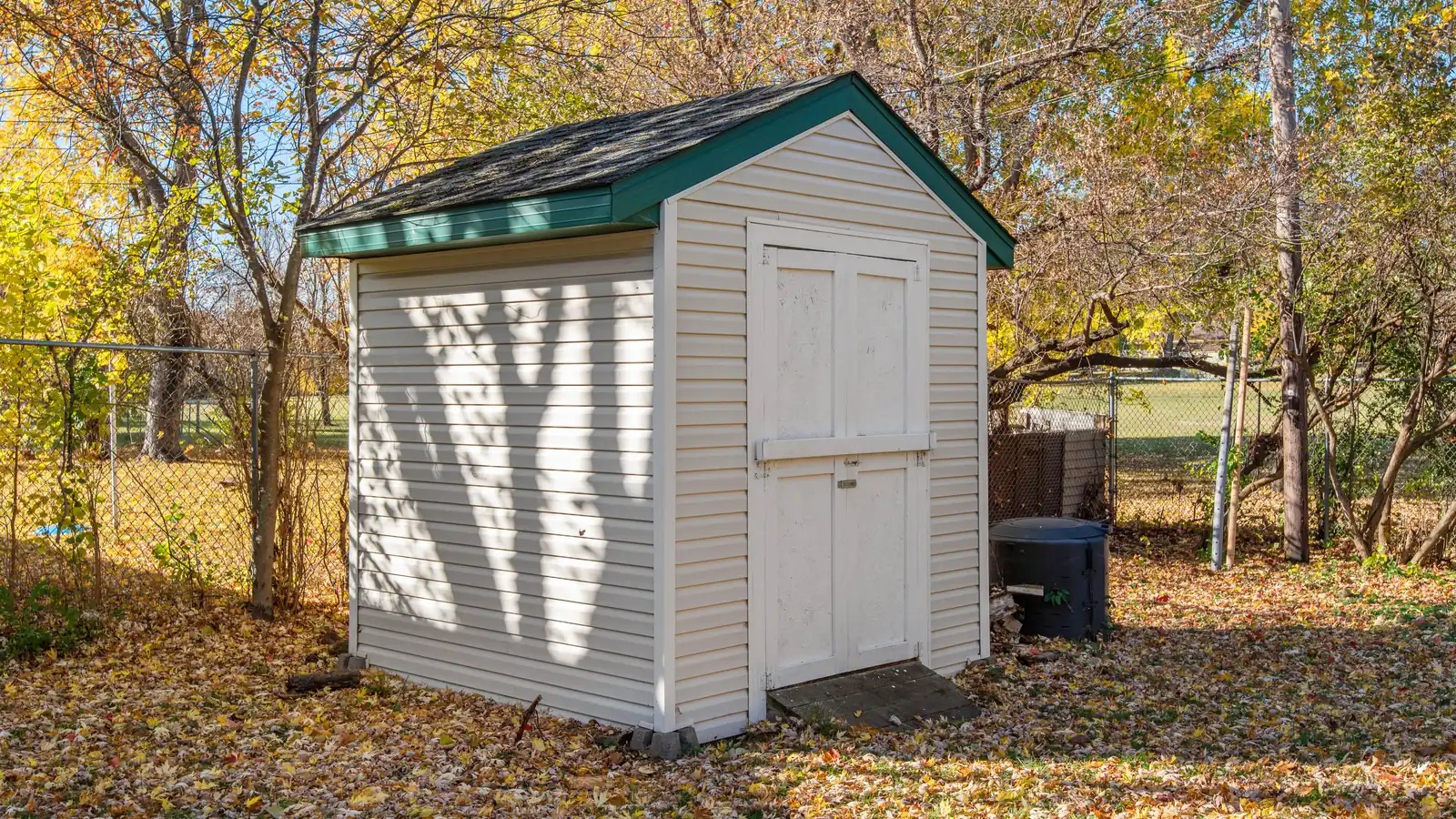
Large Sheds: Plan Around Equipment, Doors and Working Room
More floor area does not help if the door is narrow or the shelves are on the wrong wall. Inventory what moves in and out, place the door where the work happens and price the whole project.
By GardenHelmPublished 5-minute readMore in Garden Sheds
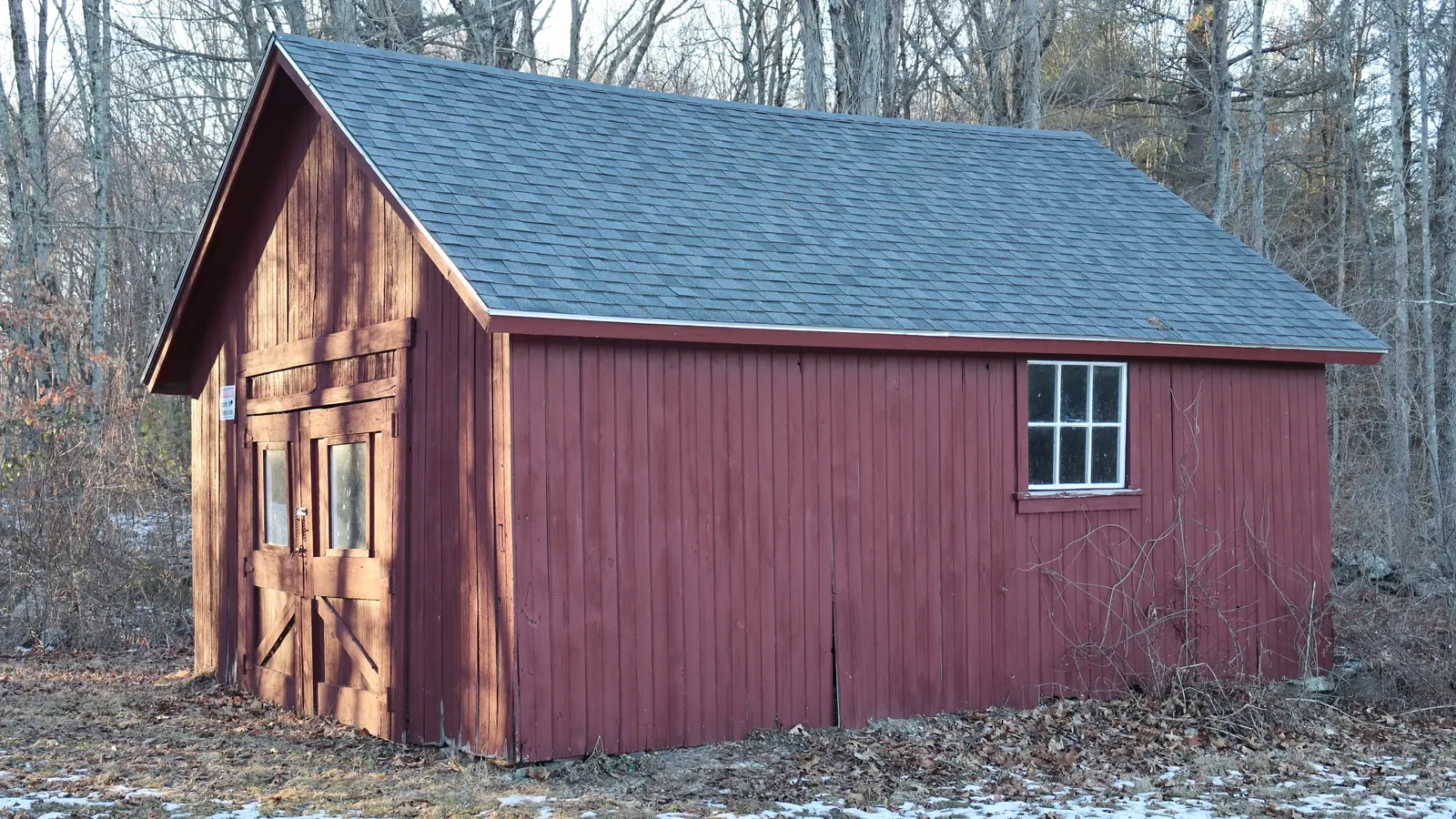
What this guide compares
- Equipment footprint and movement routes
- Clear door opening and placement
- Usable internal width and length
- Site access and installation method
- Complete installed scope
In this guide
For a mower, a wheelbarrow, bicycles and a workbench, the jump from 10 by 20 feet (200 square feet) to 12 by 24 (288) buys more than the extra 88 square feet suggests, provided the added room goes where the work happens. Extra length gives you a storage zone behind a clear equipment bay. Extra width gives opposite shelving runs an aisle between them. Either only helps if the door, the bench and the turning route are in the right places, so the order of decisions below runs from what you own to how it gets in, then to the ground and the permit.
Start with what has to move
Measure the items themselves: stored footprint, height, how often you use them and the path each takes to the door. Wheelbarrow handles and bicycle bars stick out beyond the frame, and a mower’s stored width is less than the width it needs to steer through an opening. Decide what may sit behind something else. Holiday boxes can wait; the mower you use weekly should never need half the shed emptied.
Tape the plan on a floor or draw it to scale, including shelf depth, open doors, the space in front of drawers and the person standing at the bench. Closed furniture outlines overstate what you can use. A nominal 10-foot width loses the depth of every shelf you put along the walls, so work from the seller’s dimensioned interior drawing instead of the label. A longer building will not fix a bench that blocks the mower’s turn; moving the bench or the door usually does more than adding feet.
Door, threshold and approach
The largest item sets the minimum opening, and the clear width with the doors fully open is the number that counts, since the advertised width of the door panels is more than the passage through the installed frame. Include the threshold and the room outside to line up and turn. An end door suits a straight equipment route, a side door shortens trips to separate zones, and every extra door takes wall away from shelving. A ramp needs length, a landing and solid support, and it uses yard. Windows belong over the bench, not on the wall you need for storage.
Choosing between 10x20 and 12x24
The extra 2 feet of width and 4 of length make different rooms, and the choice follows the inventory. If the weekly equipment is a mower and a wheelbarrow, the 10x20 can hold them with shelving along one long wall and a clear lane, and the extra money may be better spent on a wider door or a better base. If a workbench, bicycles and seasonal storage also need separate zones, the 12x24 lets you keep a bay clear at the door and put the slower-moving items behind it. Sketch both on the same inventory before comparing prices; the plan that leaves the weekly route clear wins, and a plan that needs constant rearranging loses whatever its size.
What the floor will carry
Floor capacity is part of the sizing. Tuff Shed’s pre-purchase guide lists its floor joists at 75 pounds per square foot on a firm, uniform surface and 50 on leveling blocks. That is one maker’s rating, but it shows how the base changes what a floor can hold, so a heavy mower or a full workbench belongs in the conversation before the base is chosen. Shelving needs the same attention, since a bracket can hold more than the wall panel it is screwed to.
Delivery and the ground
A building delivered whole needs a route and room to place it; one built on site needs space for components and crew. Measure gates, turns and overhead branches and wires and send the supplier photos; Tuff Shed lists at least 18 inches of clearance around the structure for installation. The same guide notes that leveling is not in its base price and that sites needing long carries can cost extra, which is where quotes tend to move after a site visit. Frost depth, soil and slope decide a suitable base, and your building department or a local contractor can give you that answer; a larger footprint carries more weight and shows more wall to wind, so the pad from a smaller shed may not do. Call 811 before anyone digs.
Permit line
The model International Residential Code exempts one-story detached accessory structures from a building permit up to 200 square feet, and towns amend that. In Portland, Oregon a building permit starts above 200 square feet or 15 feet tall, with habitable use needing one at any size. Most of the sizes in this guide sit on or past the line, so call the building and zoning offices early with dimensions, height, location on the lot and intended use, including any power. A homeowners association may add limits of its own.
A few ways larger sheds are sold
These are routes to a bigger building, not a ranking, and the size you pick on an order page may differ from the default shown. Heartland’s Madison lists 10x20 among its sizes and its Topeka lists 12x24 as a barn-style building with a loft-oriented layout; both pages open on smaller sizes (10x12 and 10x10), so their default heights and weights belong to those. The Best Barns owner-manual index links a 12x24 sliding-door kit whose material list leaves roofing, paint and sealant to the buyer, so add those and labor before comparing it with an installed quote. Sheds Unlimited’s 20x20 range is sold as garages, with floor and permit requirements that can differ from a garden shed’s.
Choosing
Pick the size that gives the weekly-use equipment a straight route in and out, with everything else shelved to the sides or behind. Compare quotes by splitting each into the building, the site and base, delivery and assembly, and fit-out such as electrical work and shelving, so that a low headline price does not hide a missing base. For other ways to organize garden equipment first, see our outdoor storage hub.
Written from manufacturer and retailer information and general garden practice. GardenHelm has not physically tested the products discussed here. How we choose products