What Is a Greenhouse, and How Does It Work?
A greenhouse lets sunlight in and holds warmth by limiting air movement. Why that does not guarantee warm nights, why ventilation matters and how moisture still needs managing.
By GardenHelmPublished 5-minute readMore in Greenhouses
In this guide
A greenhouse is a growing structure with a light-transmitting cover, glass or plastic, that lets sunlight reach the plants while giving you more control over conditions than an open bed. The control comes with chores. A sunny greenhouse can overheat by noon, and an unheated one can drop close to outdoor temperatures within hours of sunset. This guide explains what the structure does for you and where you still do the work; our greenhouse guides cover the buying side.
What the covering changes
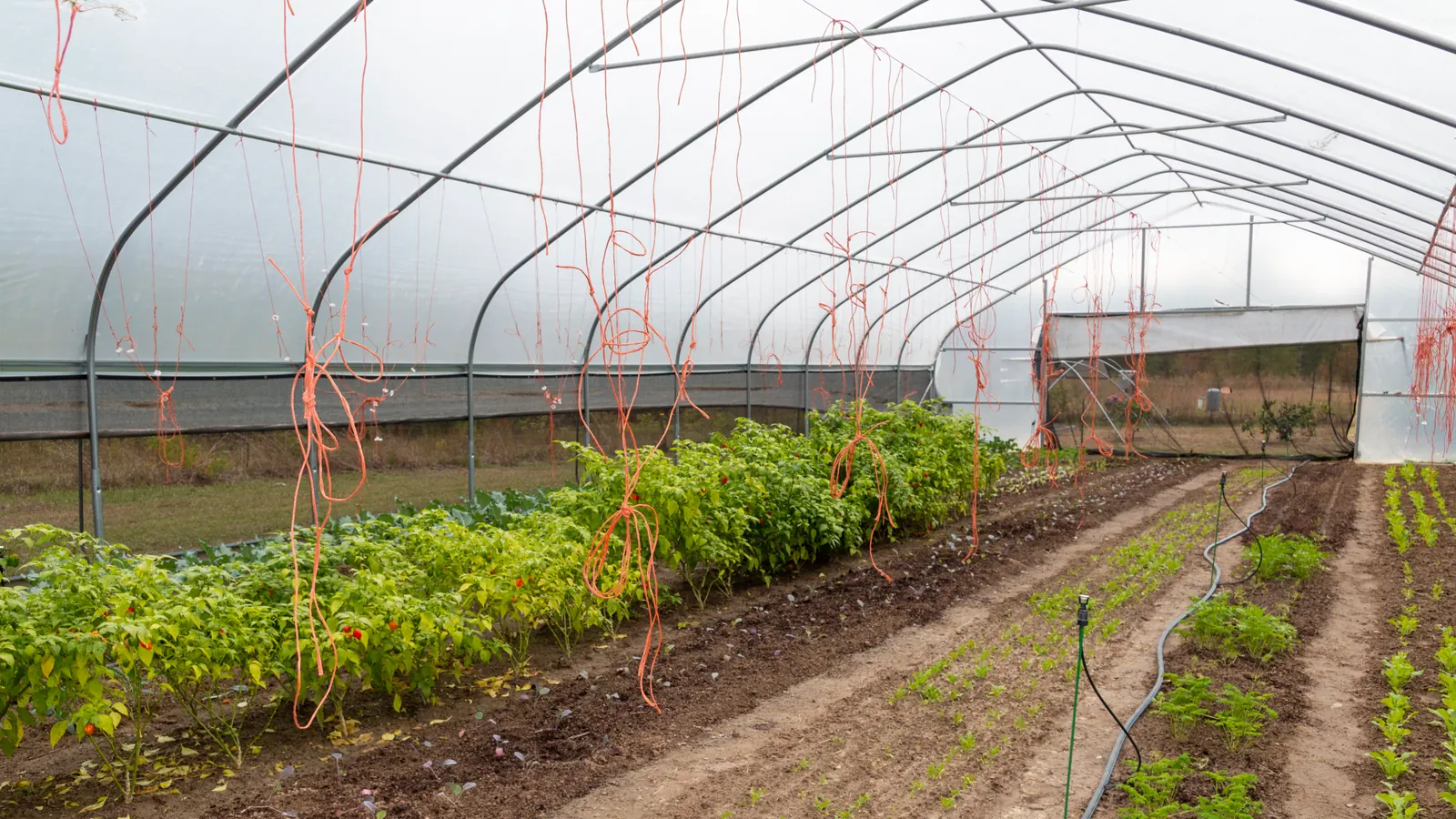
The cover separates plants from some outdoor conditions while admitting light. Plants can grow in the ground, on benches or in containers, and the frame does not dictate which. University of Georgia Extension lists the usual hobby uses as raising bedding plants, vegetable transplants and house plants, sheltering tender plants, and extending or overlapping growing seasons. It also says heating, cooling, watering and ventilation are managed by hand or by controls, and that cold frames and hotbeds can start seedlings early. UGA hobby-greenhouse guidance
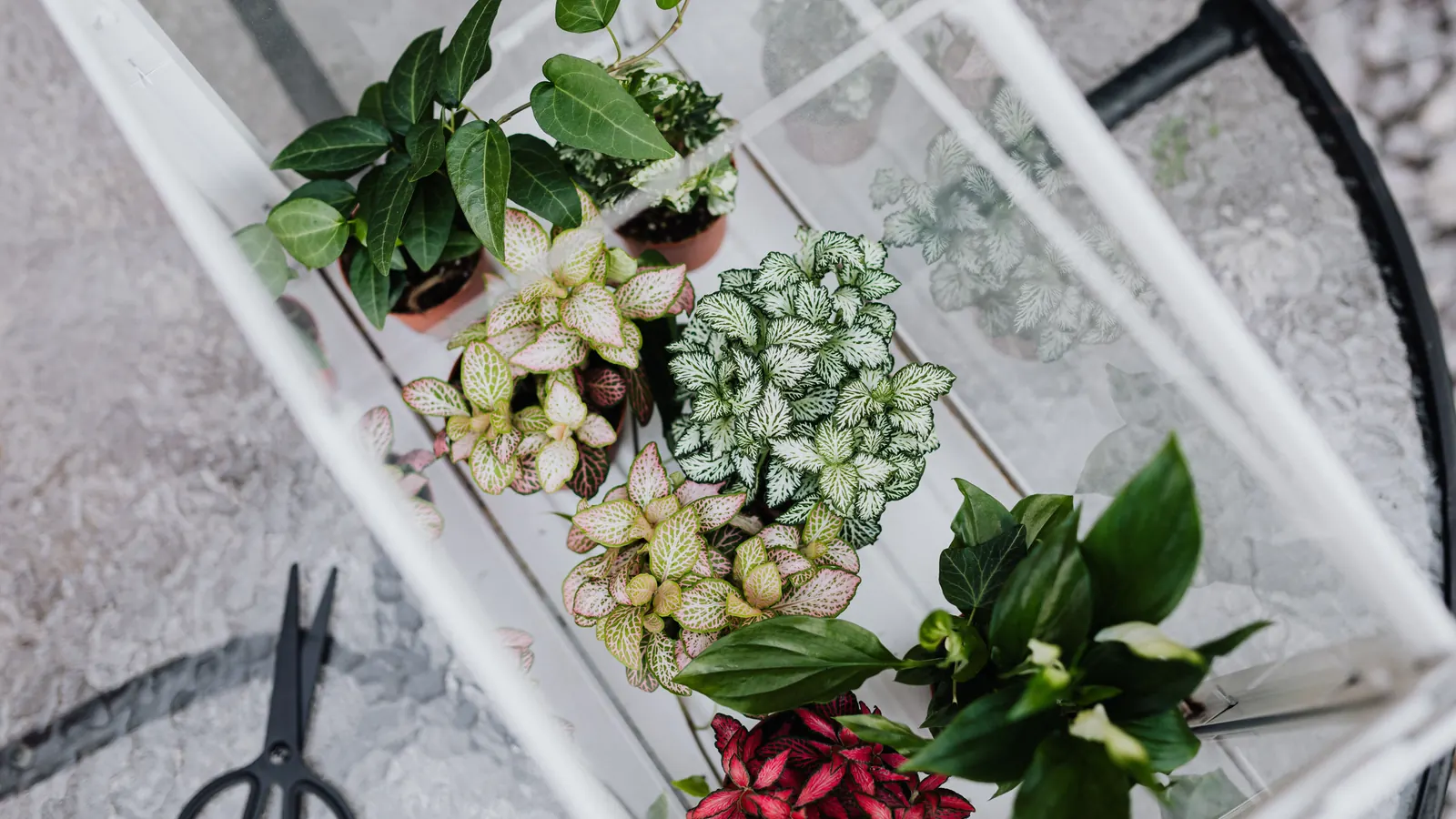
A tray of seedlings, an established citrus tree and a fruiting tomato want different things, so the plants you choose should set how you use the space, and the building should not be filled first and the conditions worked out afterward.
Why it warms in sunshine
Sunlight passes through the cover and is absorbed by plants, soil and other surfaces, which warm and pass heat to the air around them. The enclosure also slows the exchange of indoor and outdoor air until a vent or fan opens. Georgia’s engineering bulletin describes three ways heat leaves at the same time: conduction through contacting materials, movement of air through vents and leaks, and thermal radiation from surfaces. It says glass and rigid plastics let less than 4% of thermal radiation pass back out, and different covers carry different insulation values. A single layer of glass rates R-0.91 and a double layer of polycarbonate or acrylic rates R-2.00, for example. UGA explanation of greenhouse heat transfer
That is why the same building can need venting at two in the afternoon and extra heat at night. The glass has not changed; what is acting on it has.
Warmth needs light behind it
Plants need usable light as well as suitable temperature, and a greenhouse can feel pleasant to you while the plants get too little light for the growth you expect. Purdue Extension describes daily light integral, or DLI, as the total photosynthetically active light received across a day. Season, cloud, the cover, the frame and anything above the crop all change what reaches the leaves. Purdue’s greenhouse-light explanation, PDF
In practice, check the growing position through the day. A bench under a row of hanging baskets gets a different day than the bench beside it, and a heater will not fix the difference. Supplemental lights add light when there is too little; shade cloth cuts it when there is too much. Choose either for the crop and conditions you actually have.
The cold side of the day
After sunset the solar input stops. University of New Hampshire Extension says unheated houses cool to ambient about an hour or two after sunset, and that without supplemental heat warm-season crops go in only about a week before it is safe to plant outdoors, roughly mid-May in New Hampshire. It also describes a small structure losing heat in proportion to its surface area and holding it in proportion to its volume. UNH small-greenhouse guidance
If your crop cannot take the expected minimum, it needs a dependable warm place or a later start. For a few trays of tender seedlings, UNH suggests a heat mat under the trays or a heat cable in moist sand, and notes that indoor lights and shelves may cost less than a greenhouse for starting transplants. Put a minimum/maximum thermometer at plant height, out of direct sun and away from heaters, so that a warm midday visit does not fool you about the night.
Venting away heat
Opening a greenhouse is part of using it. The Royal Horticultural Society says to open doors and vents on sunny days and keep them partly open in changeable weather, and that temperatures above about 81°F (27°C) can damage plants. Shade from mid-spring to early autumn with the minimum needed to stay below about 77 to 81°F (25 to 27°C), since too much shade cuts growth and cropping. It advises ridge vents of about a fifth of the floor area, and says wax-type automatic openers respond slowly, so doors and side vents stay useful as backup. RHS greenhouse ventilation and shading UNH adds that small houses can overheat on cool, sunny days in spring and fall.
Keep the openings reachable: a plant in front of a vent, or a bench that blocks the door, changes how the house can be run. Distinguish an air-circulating fan, which moves air inside, from fans and vents that exchange air with the outdoors, and treat an automatic opener as a tool that can fail on a hot day or in a power cut.
Water and humidity
Rain will not water pots under a closed cover, so set up a method that reaches the growing medium and a way to remove excess water. Georgia’s guide treats humidity, watering, ventilation and air circulation as linked jobs, and conditions differ near walls, floors and equipment, so group plants with room to move between them. A modest number of plants with space around them, a clear watering route and somewhere for runoff to go makes a good first arrangement. Filling every shelf at once makes problems harder to spot. A closed cover also fails to keep out all pests and disease, so inspect plants you bring in.
Power and cover are choices too. Electricity is optional for a hand-managed seasonal house, though heating, lighting, pumps or automatic venting bring electrical needs, and Georgia says electrical work should be done by professionals under local codes. Greenhouses use glass, plastic film or rigid plastic panels, so judge the cover and the whole structure together.
Matching crops to the season
A greenhouse stretches a season without making every month a growing month. Colorado State Extension separates cool-season crops, which like days of 50 to 70°F and nights of 45 to 55°F, from warm-season crops like tomatoes and peppers, which want days of 60 to 85°F, nights of 55 to 65°F and high light. It adds that winter vegetables grow slowly in low light and that warm-season crops cannot be grown cost-effectively in winter without solar collectors or supplemental heat. CSU hobby-greenhouse vegetable guidance Those timings come from Colorado, so adjust them for your climate.
Before sowing, name the crop and variety and look up its needs. Compare them with the nights, cloudy spells and heat spells you can manage, then choose a season and scale. Start with one small planting you can keep within range, and fill the house later.
Written from manufacturer and retailer information and general garden practice. GardenHelm has not physically tested the products discussed here. How we choose products