Victorian Greenhouses: Style, Glazing and Practical Buying Checks
A Victorian-style greenhouse makes the growing space part of the garden's architecture. Look past the ridge details at usable space, glazing, ventilation and the full installed quote.
By GardenHelmPublished 6-minute readMore in Greenhouses
What this guide compares
- Usable bench space and access
- Glazing specified for the exact configuration
- Ventilation and shading options
- Documented foundation and anchoring requirements
- Clear installation and replacement-part support
In this guide
We may earn a commission from links on this page, at no extra cost to you. How this works
Single glass gives a greenhouse some of the best light of any glazing and loses about twice the heat of double-layer polyethylene film. That one trade-off is the whole Victorian bargain: the steep roof, the many small panes and the ridge cresting look like a nineteenth-century glasshouse because they are built the way one was, in glass, with a lot of bars to keep clean. The look is worth wanting. It just comes with more edges and more heat loss than a plain polycarbonate kit.
Style on a modern kit
A restored nineteenth-century glasshouse is a conservation project. A modern Victorian-style kit borrows the silhouette and builds it with contemporary aluminum or wood framing and current glazing options. The original ambition was enormous: Kew’s Temperate House was designed by Decimus Burton, with construction beginning in 1859 and the building opening in 1863, as Kew’s account of the project describes. A backyard kit borrows that vocabulary at a fraction of the scale.
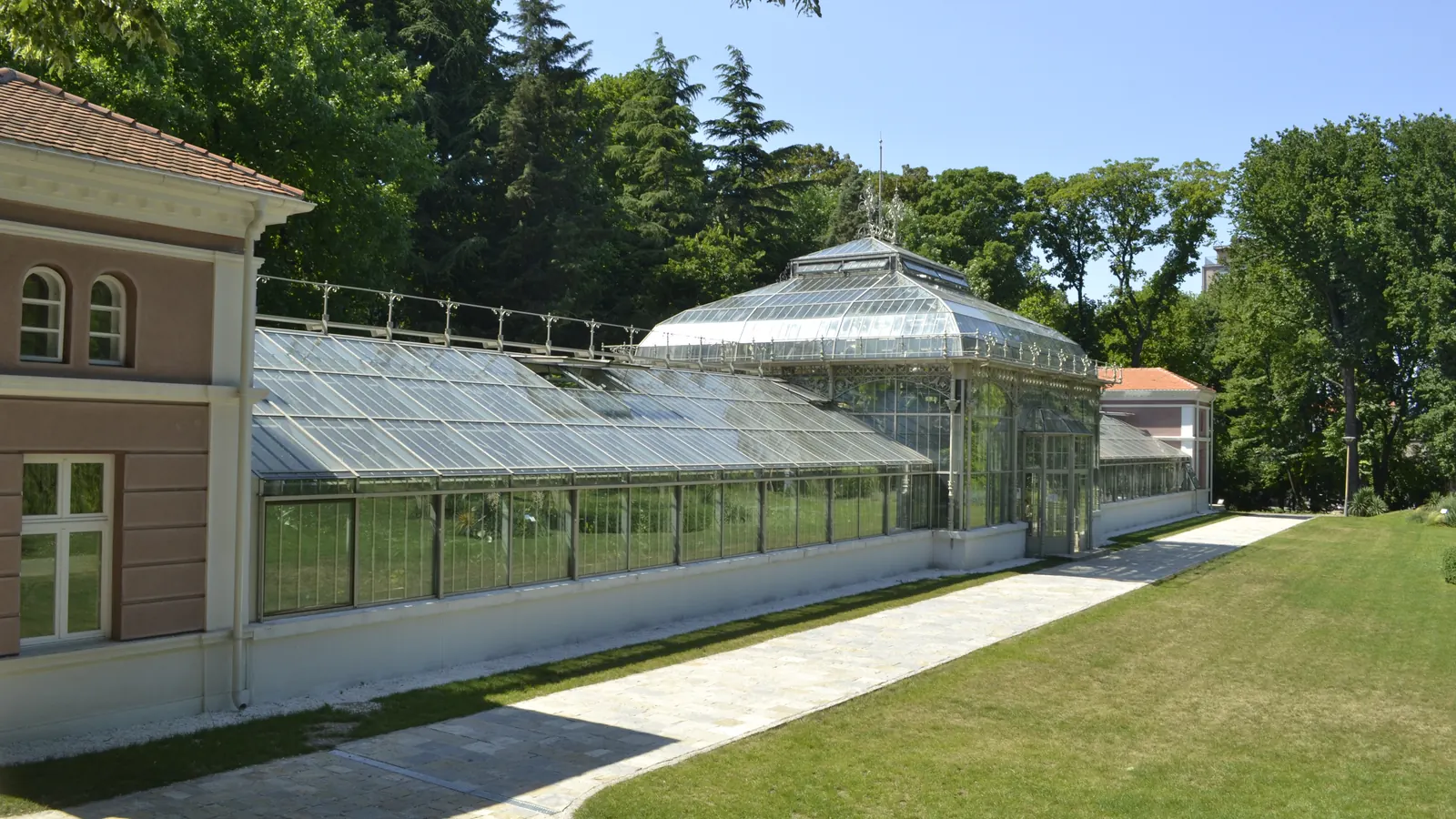
On a kit, the character comes from proportion. A steep roof pitch, a generous eave height, a door that reads as part of the elevation and glazing bars at an even rhythm do more for the look than one finial on the ridge. Catalog photographs often show a larger model than the one in the price line, so request the elevation drawing for your size; a good answer shows eave height, door width and bar spacing in dimensions you can measure against your yard.
Ridge cresting and finials are the easy part to add or leave off, and whether they lift off for roof maintenance is worth knowing. On Bloomcabin’s Aluminum Greenhouse, Victorian is one of four designs (with Classic, Modern and Master) on the same product page, and the matching aluminum ridge decorations are described as protecting the ridge area from birds as well as dressing it. Ask for the Victorian elevation in your size, because the product image and the page’s default view show the Classic design. Homemade ornament does not belong on the roof, and neither does any change to the frame the manufacturer has not approved: the maker knows where a roof can take loads and where it must stay sealed.
Glass and heat
The University of Arkansas greenhouse course puts single-layer glass at about 88% to 94% light transmission, well above the roughly 77% the same source gives for double-layer glass. The price is heat. A University of Wisconsin Extension narrative notes that glass combines high light transmittance with high heat loss, and that double-layer polyethylene film loses about half the heat of glass.
For an unheated seasonal greenhouse that is acceptable. For a space you plan to heat through winter, the kit’s glazing options matter: insulated glass units or multiwall polycarbonate. Our greenhouse hub covers polycarbonate and other lower-maintenance kits if the heat bill and the cleaning load both look too high. Compare the specific assemblies the maker lists, because heat-loss figures from sellers vary widely and are rarely tied to one test method.
Bloomcabin’s Victorian design shows how that choice looks on a real order form. Roof and side glazing are picked separately, from polycarbonate and several glass types including 0.16-inch tempered glass, and for the colder months Bloomcabin recommends 0.16-inch insulated glazing together with a heater and chimney outlet sold as an optional accessory. A cold house used from spring to autumn can stay with plain glass and keep the full light; a house you will heat should be quoted with the insulated option before any ornament is added. The 40.6 to 302.3 square-foot size range on the page is stated for the Classic model, so confirm which sizes the Victorian comes in. The page gives no snow or wind figures, and its specification gives a 12-year warranty while another section describes 10 years against functional defects, so get the load rating and the warranty term for your size in writing.
Glazing safety belongs here too. The door and low panels are where someone might fall against the glass, so ask the supplier for the safety specification there; tempered or otherwise labeled safety glazing is the answer you want. Tempered glass breaks into small pieces, while standard annealed glass breaks into shards. Replacement panes in your kit’s sizes should be stocked in the United States, with shipping costs known before you order.
Keeping the glazing bars in order
The Royal Horticultural Society’s advice on algae, liverworts and mosses on greenhouses explains why the cleaning matters: growth on the glazing cuts out light, and it thrives where the air is damp and poorly circulated, so better ventilation and avoiding puddles help. It suggests dislodging growth from between panes with a thin flat blade or a flexible plastic plant label, and says warm water is generally enough to clean the glazing.
Wear gloves when handling glass or metal fixings, and never lean your body weight on the glazing or over the roof. Replace broken panes promptly and look over the clips and putty while you clean; with this many bars, that check is a yearly job. Wood frames need a recoating schedule from the maker, aluminum needs a cleaner that suits its finish, and the exact color reference matters if you intend to match a fence or shed, since a screen image is a poor basis for paint.
Heat in July
Ventilation matters more with a glass house in sun. The University of Massachusetts explains how air exchange and air circulation differ: a small fan only stirs the indoor air, while vents bring outdoor air in. Count the roof and side vents on the spec sheet for your size and see where they sit. Then think about the day nobody is home and a heat wave arrives, or the power fails: the answer is automatic openers, shading, or a neighbor with a key.
Inside the roofline
A Victorian footprint can look generous and still work poorly. A steep roof gives good headroom in the center, and the sloping eaves cut usable bench height at the sides, so a tall tomato has to live in the middle. Measure the door against your wheelbarrow or cart. A chair drawn at full size in the aisle shows whether a seat that fits a display model will block the way once benches fill.
Foundation, delivery and a configurable range
The maker’s foundation plan for your exact model comes before the deposit, as do the local building department’s rules on approvals. A decorative base frame is not a foundation, and a flat-looking patio may not take the anchors, so have an installer review access, levels and drainage. The budget should include site preparation, assembly labor, glazing work, water or power, vents, shading and benches, along with a clear answer to who pays when a panel arrives broken. Compare total installed prices rather than entry prices.
Bloomcabin lists a Victorian design in its US aluminum greenhouse range. We have not assembled or tested it. The link is an affiliate link, so GardenHelm may earn a commission if you buy. A written quote should spell out size, glazing, doors, vents and accessories for the Victorian configuration specifically.
The last decision is whether you will heat it in winter. If you will, price the glazing upgrade before the finials.
Retailers to browse
Compare sizes, materials and delivery details on each retailer’s current listings.
- Browse aluminum greenhouses at Bloomcabin
Bloomcabin
Opens Bloomcabin’s aluminum greenhouses collection, not a single product.
Written from manufacturer and retailer information and general garden practice. GardenHelm has not physically tested the products discussed here. How we choose products