The Best Vegetables to Grow in Raised Beds (and How Deep Each Needs)
Which vegetables do best in raised beds, how much soil depth each needs, how far apart to plant them, and a simple 4 x 8 ft layout for a first season.
By GardenHelmPublished 7-minute readMore in Raised Garden Beds
In this guide
We may earn a commission from links on this page, at no extra cost to you. How this works
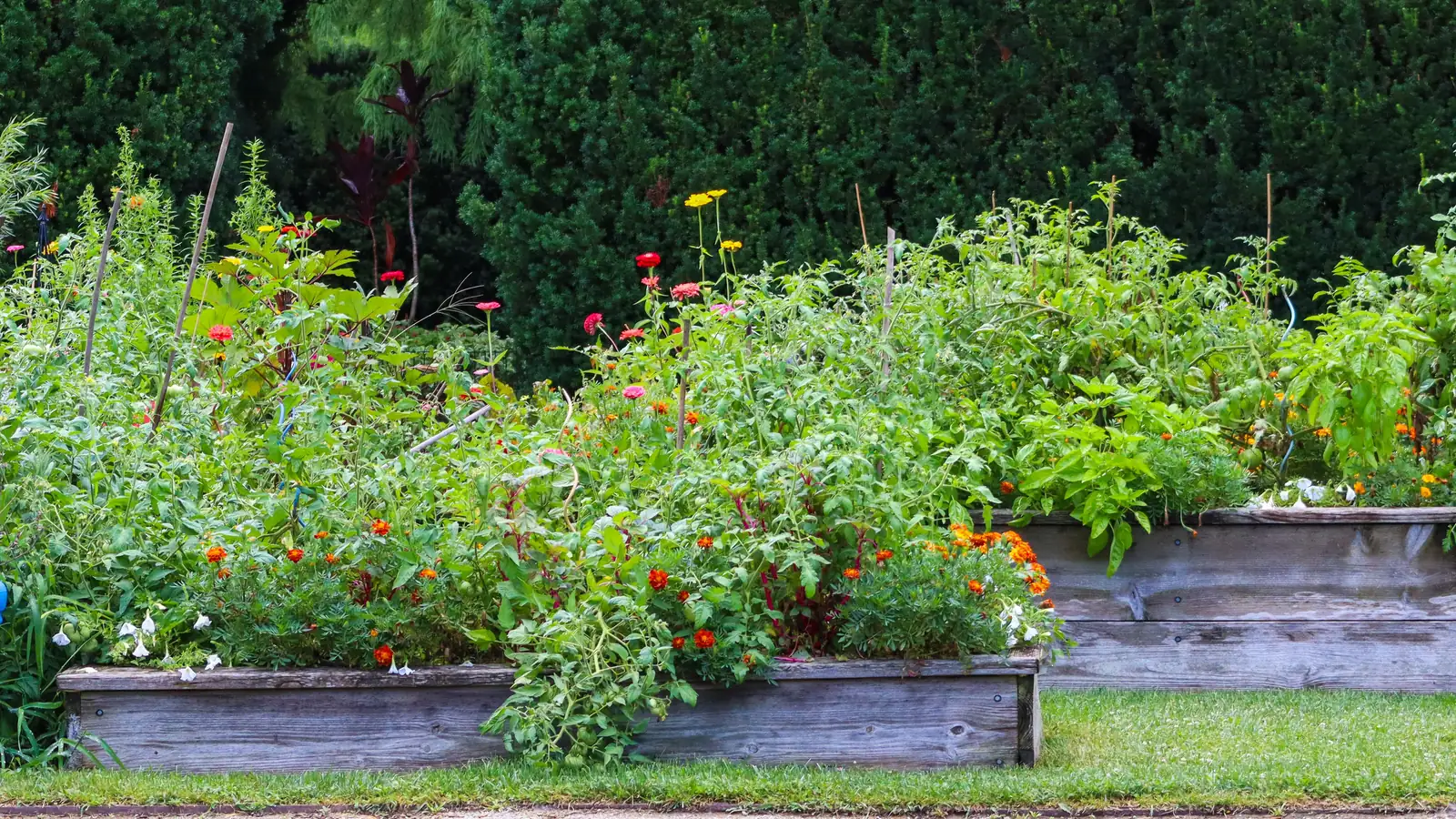
The usual raised-bed mistake is planting for the harvest you picture and not for the soil depth you built. A bed that is 6 inches deep over compacted ground suits radishes and salad greens and will frustrate a tomato, while the same bed over loosened native soil is fine for far more. Pick crops by depth and spacing first, then by what you like to eat.
For a closed-bottom bed or one sitting on paving, treat the container depths below as minimums. Colorado State Extension says a bed’s height generally does not matter when roots can reach the soil below, that 4 inches is adequate for most home gardens, and that 8 to 12 inches of soil is a minimum where the native soil is unsuitable. Colorado State on block-style raised beds
Match crops to depth
Maryland Extension sorts container crops into three groups by minimum depth, and the groups work for any bed with a bottom you cannot count on. Maryland Extension on container growing
- 4 to 6 inches: basil, cilantro, radishes, scallions, spinach, salad greens and peas.
- 8 to 12 inches: beans, beets, carrots, cabbage and other cole crops, summer squash, and dwarf tomatoes, peppers and eggplant.
- 12 to 16 inches: full-size tomatoes, peppers, eggplant, cucumbers and winter squash.
Maryland lists potatoes at about 30 gallons of potting mix, a volume rather than a depth. In an open-bottom bed over loose soil, these depths matter less because roots keep going.
A bed on legs is the opposite case: a closed-bottom container where these depths apply in full. Veikous’s elevated bed on wheels, for example, lists a soil depth of 8.6 or 8.7 inches depending on the finish, with three drainage holes in the base. That holds the first group comfortably and the shallow end of the second (beets, bush beans, a dwarf pepper), but not full-size tomatoes, cucumbers or winter squash, which need a deeper bed or a bed open to the ground.
Spacing in a block
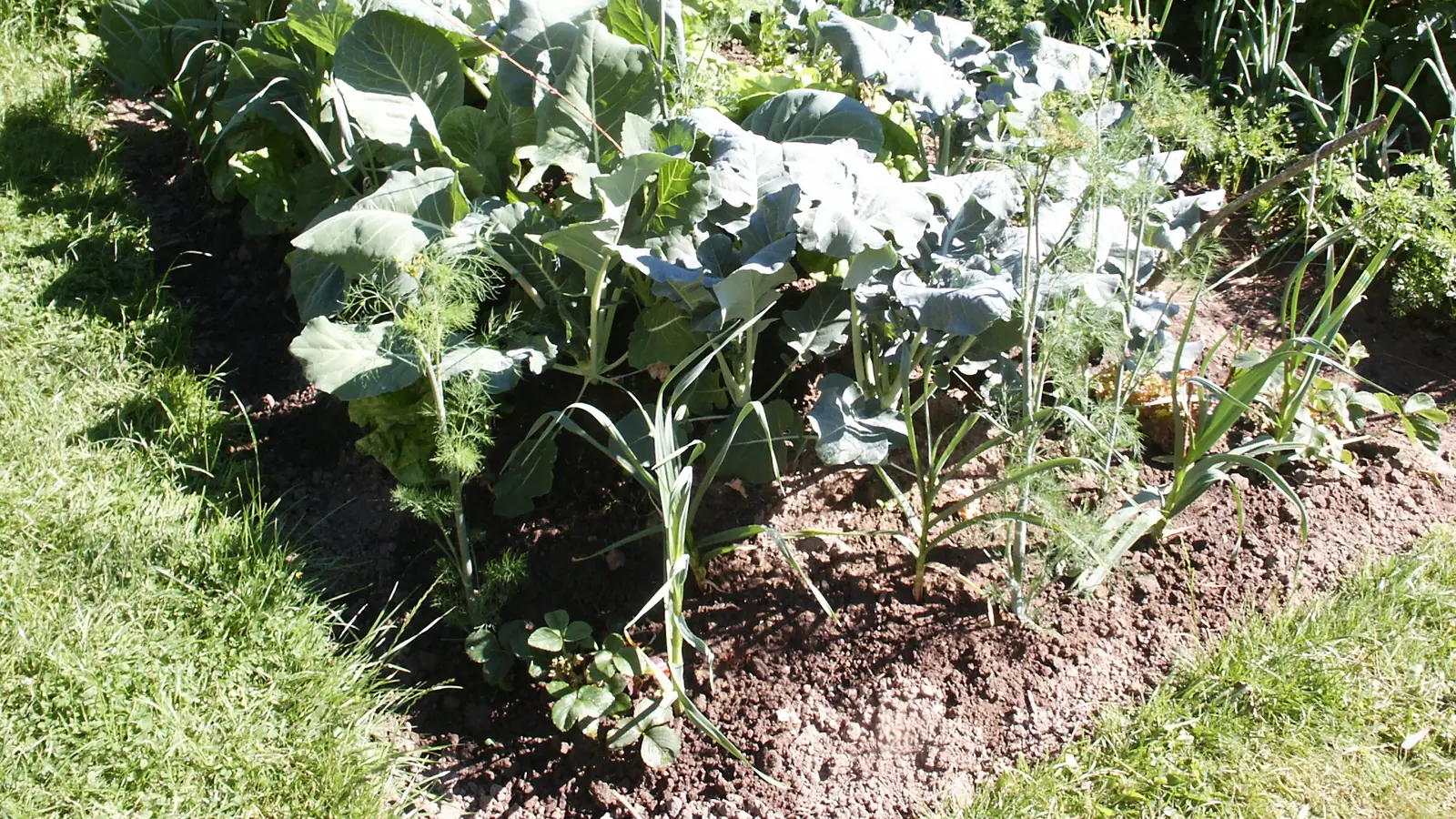
Raised beds let you plant in blocks with equal spacing in both directions and no walking between plants. Colorado State says block layouts raise yields fivefold over a row garden, and advises starting wider and tightening as soil fertility and structure improve. Its spacing, in inches each way:
| Crop | Spacing |
|---|---|
| Radishes, bunching onions | 2 to 3 |
| Carrots | 2 to 3 |
| Spinach | 4 to 6 |
| Beets | 4 to 6 |
| Leaf lettuce | 7 to 9 |
| Swiss chard | 7 to 9 |
| Head lettuce | 10 to 12 |
| Cucumbers on a trellis | 9 by 12 |
| Potatoes | 12 by 15 |
| Peppers | 15 |
| Broccoli, cabbage, cauliflower | 18 |
| Eggplant | 18 by 24 |
| Tomatoes on a trellis | at least 24 in a single row |
| Beans | double row, 12 between rows and 4 between plants |
Read the seed packet for crops the table leaves out, such as kale and herbs. Compact varieties sold for containers usually need less room than full-size ones.
What to start with
An easy crop suits the season and the attention you can give it. Three starting points cover a spring and summer.
Leaf lettuce is the cool-season choice, and Maryland Extension separates it from crisphead lettuce, which needs a long cool season and goes to seed as soon as temperatures rise. Leaf and butterhead can be sown as soon as the soil can be worked, or in late summer, and you can pick the outer leaves from plants 5 to 6 inches tall. Heat and long days cause bolting and bitterness, and tall crops, trellises or shade cloth can shade lettuce in the hottest hours. Maryland on growing lettuce When you buy seed, the type on the packet is the thing to check: Botanical Interests’ lettuce seed collection filters its packets by type (leaf, butterhead, romaine, crisphead and mesclun) and marks the few it lists as heat tolerant or bolt resistant, which matter if this bed will carry lettuce into early summer.
Radishes are the fast one. University of Minnesota Extension points to cool conditions and steady moisture. Heat and drought lower quality, so sow in your cool window and thin on time. Minnesota on growing radishes
Bush snap beans cover the warm end and need no support. Maryland says to sow only after the danger of frost passes, gives about 50 to 60 days to maturity, and suggests sowing every 2 to 3 weeks from the frost-free date through mid-to-late July for a continuous harvest. Maryland on growing beans
Peppers, eggplant and tomatoes are the long-season crops. The University of Minnesota’s raised-bed guide recommends 6 to 8 hours of sun a day for full-sun crops such as these. Raised beds warm early, but plant after frost. Determinate tomatoes stay a fixed size and fit a bed; indeterminate ones keep growing and need a tall, sturdy cage or stake.
Crops that crowd a small bed
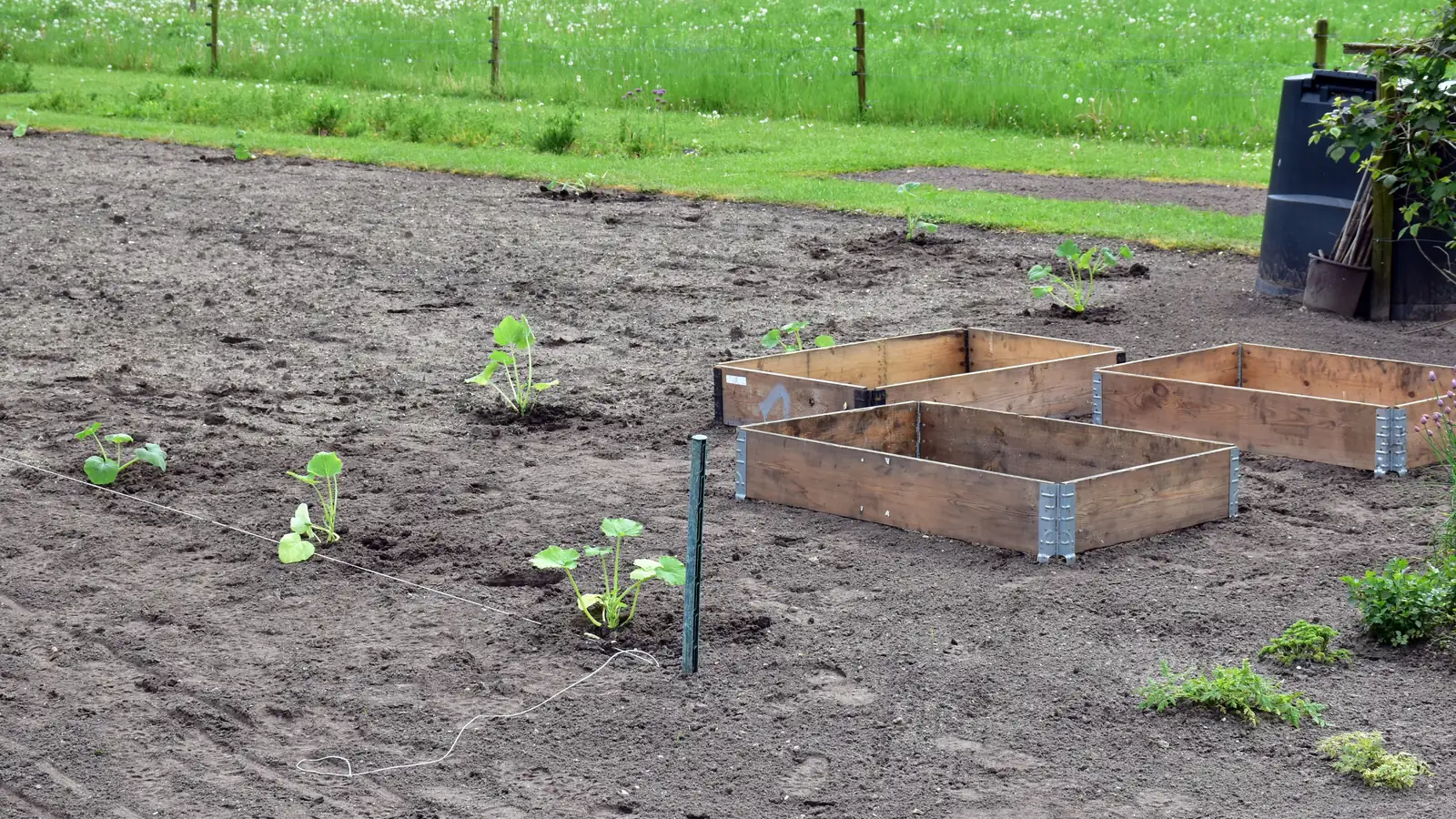
Sweet corn is wind-pollinated and is normally planted in a block of several rows, so a small bed gives few ears. Pumpkins and winter squash run vines many feet long, and they do better sprawling over open ground or trained off the end of the bed onto the lawn. Asparagus and rhubarb stay for years, so give them a separate bed that you do not dig up when you replant the rest. Mint spreads by runners and belongs in its own pot.
A first-season layout for a 4 by 8 foot bed
At 4 feet wide, a bed can be reached from both sides, which matches the width both Colorado State and Oregon State recommend. Divide it into eight 2 by 2 foot squares and put tall crops on the north side so they do not shade the rest.
If you are buying the bed for this plan, decide the height by what is underneath. Veikous’s 4x8 wood raised bed is open-bottomed and sold in four heights: 11.3, 14.9, 18.5 and 24 inches. Over loosened native soil the lowest one is enough, since roots carry on into the ground. Over compacted or poor ground the 14.9-inch height is the one that reaches Maryland’s 12 to 16 inch band for the full-size tomato and peppers in the north row, once you allow for soil settling below the rim. The taller two save bending but take far more soil to fill. The listing describes the kit as two separate planter boxes, and our cedar raised bed guide notes that Veikous’s FAQ calls the middle divider required, so lay out the squares on either side of the divider rather than across it.
| Square 1 | Square 2 | Square 3 | Square 4 | |
|---|---|---|---|---|
| North | Tomato on a stake or cage | Peppers | Cucumbers on a trellis | Kale or chard |
| South | Lettuce, sown in batches | Carrots | Beets and radishes | Bush beans, then fall greens |
Use the spacing table to count plants per square, and put a new crop in each square as the early ones finish. In midsummer the lettuce on the south side may get some relief from the tomato’s shade, which Maryland notes can help lettuce through the hottest hours.
Timing and upkeep
Raised beds drain well and warm sooner in spring, so planting a little earlier than in the ground is possible. Cool-season crops (greens, peas, radishes, carrots, beets, kale) go in around the last spring frost, and warm-season ones (tomatoes, peppers, eggplant, beans, cucumbers, basil) wait for warm soil and no frost. Your state extension service publishes dates for your area.
Raised beds dry faster than ground soil. Colorado State calls drip irrigation well suited to them and regards sprinklers as less desirable because of disease risk. See our comparison of drip irrigation and sprinklers. Before topping up with compost or fertilizer, use a soil test, as Oregon State advises, since repeated additions can build up nutrients. Where you can, move tomatoes, peppers, eggplant and potatoes to a different bed or end of the bed each year.
For bed sizes, materials and filling, see our raised bed basics and the raised garden beds pages.
Seeds and raised-bed kits are available from the retailers below. We have not grown or tested specific seed varieties or kits for this guide.
Retailers to browse
Compare sizes, materials and delivery details on each retailer’s current listings.
- Go to Botanical Interests
Botanical Interests
Opens Botanical Interests’s store (garden seeds).
- Browse raised garden beds at Veikous
Veikous
Opens Veikous’s raised garden beds collection, not a single product.
Written from manufacturer and retailer information and general garden practice. GardenHelm has not physically tested the products discussed here. How we choose products