Tall Planters: Root Space, Inserts and Placement That Work
A planter can be almost waist-high and still have shallow growing space inside. Check the real root depth and the insert, choose for the mature plant and follow the water through.
By GardenHelmPublished 5-minute readMore in Planters & Containers
In this guide
We may earn a commission from links on this page, at no extra cost to you. How this works
Veradek lists one of its tall Corten pedestal planters at 40 inches high, yet the included shelf leaves a planting compartment only 16 inches from shelf to rim. Those figures come from that product’s page, and they show how a tall planter can hold a shallow planting. Veradek’s Corten pedestal listing also gives a different capacity depending on whether the shelf is used. Its Block pedestal works another way: a removable bucket, with the tall version listed at 31.75 inches high and 8.7 gallons, according to Veradek’s specifications. Neither outside height tells you how much soil the plant gets.
So measure the useful space first, then think about tipping, because tall and narrow is the combination that falls over.
Usable depth and the insert
Measure from the surface that actually holds the potting mix up to the intended soil line, and check the internal width, since a tapered vessel can have a wide mouth and little room lower down. When a listing is unclear, ask for a section drawing or a photo of the empty interior; a good answer gives the depth from rim to planting surface with the insert installed, and says whether the stated capacity covers the whole shell or only the compartment.
Interiors come in four main forms:
- Direct planting through the full depth uses the whole vessel but makes it heaviest.
- Soil on a supplied shelf puts the plant near the rim; load soil directly on the shelf only where the design allows it, since a thin decorative shelf carries less than it appears to.
- A removable bucket eases seasonal changes, provided you can still reach the handles once the plant fills out. A large plant can hide the very handholds you counted on.
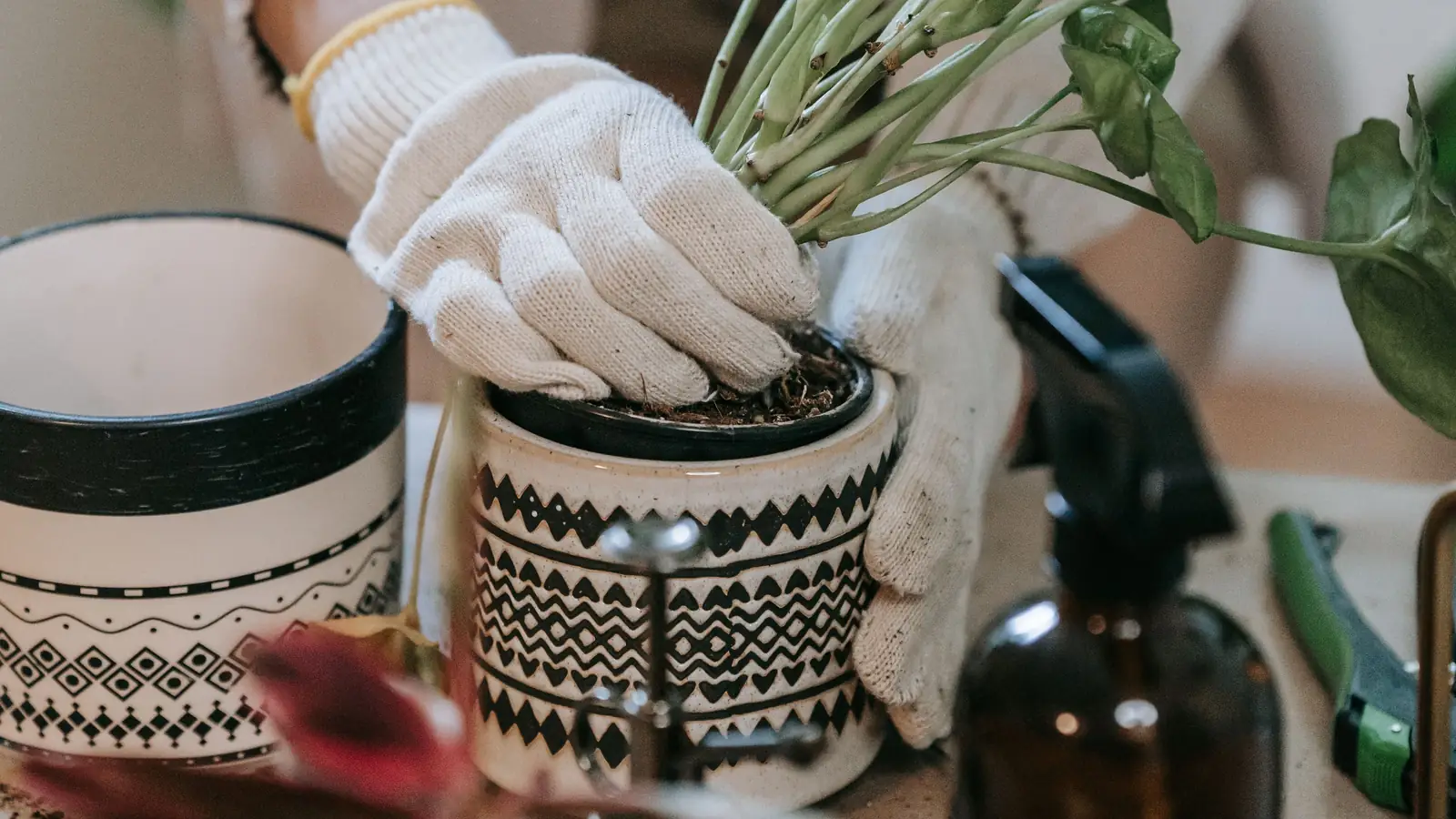
- A nursery pot inside an outer shell lets you swap plants without emptying the display, though the water that collects around it must be removable.
Some designs depend on their insert, so a plant that will eventually want the full depth should go below it only where the maker’s instructions allow, and the empty cavity counts as decoration until then.
A well-documented listing does this arithmetic for you. Plant Addicts’ page for the LECHUZA CUBICO Color tall square planter tabulates every size: the CUBICO 40 stands 29.7 inches high on a 15.6-inch square, yet its removable liner gives 11 inches of planting depth and about 7 dry gallons, above a separate water reservoir, with a recommended maximum plant height of 39 inches. The page itself tells buyers to choose by planting depth rather than exterior height and to avoid oversized or top-heavy plants. Read that as a removable-bucket design for seasonal flowers, upright foliage or a small evergreen such as the dwarf boxwood it suggests, not a home for a tree that needs the full height in soil. For outdoor use it says to remove a drainage screw so rainwater can escape, which settles the second exit discussed under drainage below.
Pick the plant, then the silhouette
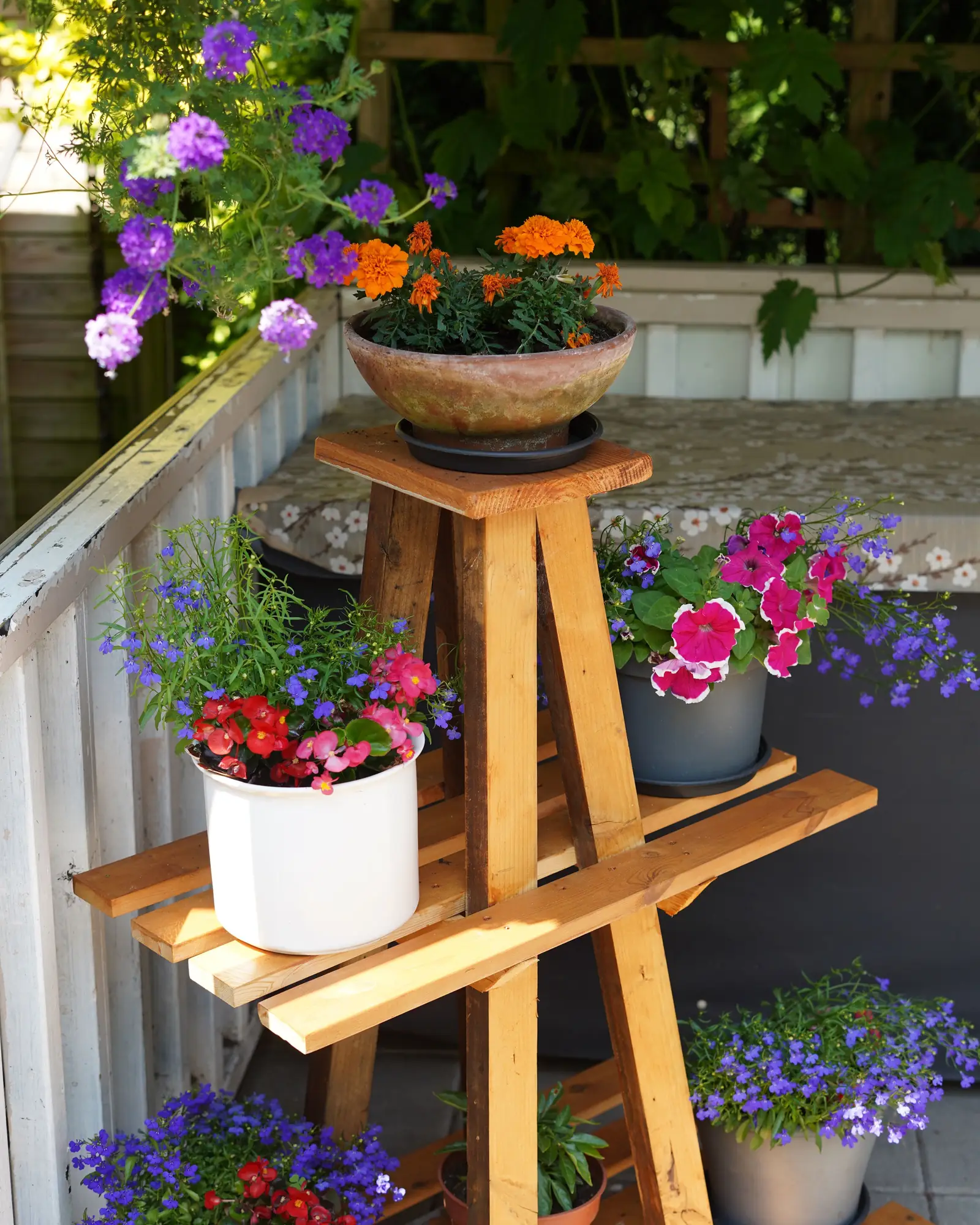
For a seasonal flower display, the vessel can supply the height, and a compact planting near the rim keeps a doorway clear. For a long-lived woody plant, reverse the order (our growing guides are the place to look up what it needs): look up its container requirements and mature spread, then choose a vessel with enough usable space. A narrow tower with a shallow insert and a broad deep tub are different containers even at the same height.
Outline the finished planting, mature foliage and trailing stems included, on paper before you shop. A trailing plant can swallow a threshold, and a tall plant on a tall vessel can put pruning and watering out of comfortable reach.
Stopping it from tipping
Illinois Extension’s container size guidance is blunt about stability: square pots are the most stable, traditional pots shaped like sliced-off inverted cones tip over easily, and straight-sided cylinders do better. It suggests a base broader than the pot’s height if tipping is a worry, and advises strapping or anchoring tall plants that become top-heavy. Exposed balconies, rooftops and decks are especially prone to wind.
What to do with that in practice:
- Choose a wide or square base for a narrow tall plant, and a lower vessel where the site is windy.
- Do not hide an improvised pile of ballast to rescue an unstable pot. The maker should state a base width or a ballast instruction for the planter; if none exists, pick a broader vessel.
- Strap or anchor a tall planting that has grown top-heavy, and check the anchor again after storms.
- Keep a heavy planter away from the edge of a step, a roof edge or a pool, and never test its stability near a drop.
- A planter that stands firmly empty can behave differently when moved, watered or planted, so judge stability only in its final filled state.
Filling and moving a heavy one
Water alone weighs about 8 pounds a gallon, so wet potting mix, the vessel and a mature plant add up quickly. Illinois advises consulting a building architect about weight limits before placing heavy containers on a balcony or rooftop, and that applies to a pair of tall planters on an elevated deck as much as to a rooftop garden. Place the planter where it will stand before filling it, and fill it there. Dragging a full tall planter across a finished surface risks both your back and the surface.
If you want to move it later, choose a wheeled base from the start. Add one only if its footprint and load rating suit the planter and its filled weight.
Where the water goes
Look for the exit from the growing compartment and then for the exit from the outer vessel. A draining inner pot sitting in collected water is not a drainage solution, and you need a way to empty that water without lifting the whole planting.
Illinois recommends containers with drainage and explains that putting coarse material in the bottom does not improve drainage through the growing medium. That makes a gravel layer in the lower half of a tall pot a poor use of space. Use the shelf or insert the design intends, or a suitable full-depth container. Position outlets so water does not puddle on a walkway, stain a finish or leave the base standing wet. Drilling an arbitrary hole can damage a product that was not made for it.
Seasons and winter
An insert can make switching from a summer display to a cooler-season arrangement easy, so long as the inner unit stays liftable and you know where to set it down. For a permanent planting, leave room to check soil moisture directly, because a tall rim can hide the surface. A planter described as frost resistant tells you about the vessel; the roots of the plant inside have their own limits, so choose plants hardy for your winter.
Beside a front door, mark the footprint and open the door fully, then walk past with a bag. A pair of planters should frame the entrance without forcing anyone to step around foliage, and two pots on opposite sides can see different light and rain, particularly under an overhang.
Written from manufacturer and retailer information and general garden practice. GardenHelm has not physically tested the products discussed here. How we choose products