Raised Flower Beds: Plan Color, Access and Seasonal Care
A raised bed brings flowers to a comfortable height and gives the planting a clear shape. Decide whether it is for display, cutting or a mix, then pick the site and plants.
By GardenHelmPublished 8-minute readMore in Raised Garden Beds
In this guide
We may earn a commission from links on this page, at no extra cost to you. How this works
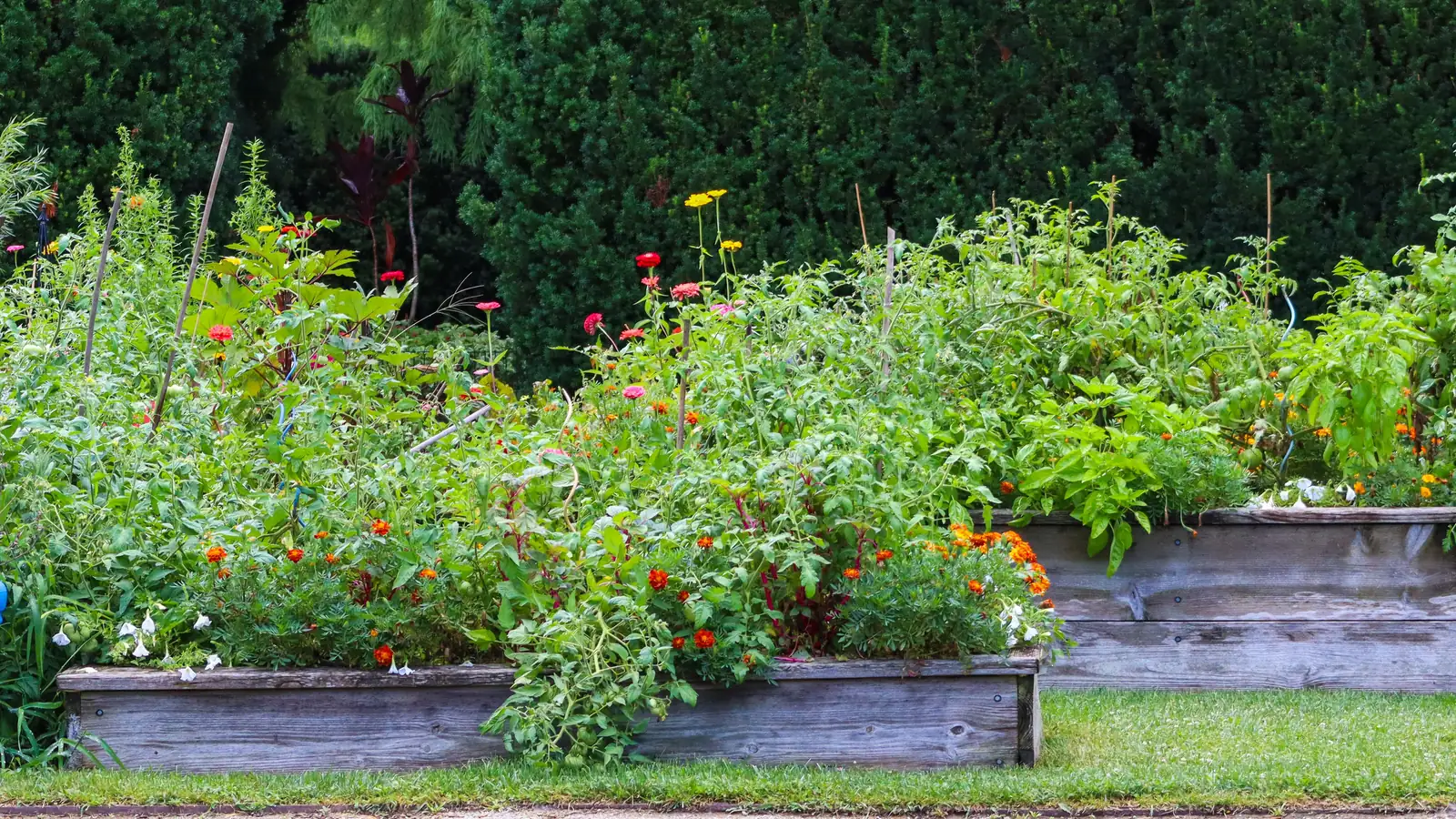
Annuals take to a raised bed more easily than perennials do, and the reason sits below the soil line. University of Minnesota Extension notes that soil in a raised bed can freeze quickly, which stresses roots, while plants in the ground freeze more gradually. University of Minnesota Extension, will perennials grow well in raised beds A bed of zinnias that is pulled out each fall never meets that problem, and a bed of peonies has to survive it every winter. So decide early what the bed is for: a color display beside a path, flowers to cut for the house, or a long-term perennial planting. The answer shapes the width, the soil, the plants and how much winter care you take on.
Raising the soil has other effects too. It brings the planting closer to a comfortable working height and gives it a clear edge, but it cannot supply sun the site lacks or turn a swamp into a garden.
Pick one main job
An annual display is viewed from a few predictable spots, so put the color where you stand. A cutting bed needs stems you can reach without stepping in, room for supports, and a willingness to see it look picked over after harvest. A perennial planting asks for a commitment to the arrangement, local suitability and what happens to the roots in January. A mixed bed needs plants whose light, moisture and soil needs match. In a small bed, a formal display, a cutting garden and a collection of every interesting plant compete with each other, so choose one.
Site first, then flowers
Watch the light across a day and note where a hose or irrigation line will reach. A raised bed does not remove shade cast by a tree or building, so pick plants for the conditions you have, including the hotter or windier parts of the site. Check where roof runoff or surface water flows, and keep soil and moisture from piling against materials not meant for that exposure.
The University of Minnesota’s raised-bed guide stresses access, suitable light and a reachable width. Oregon State suggests a maximum of 4 feet for framed beds worked by adults from the sides (Oregon State Extension, raised bed gardening); a bed against a fence that you can only reach from one side should be narrower still. Allow for mature foliage when you lay out paths, since an empty edge fills in quickly. Our raised garden bed basics covers the broader choices of frame and kit.
Ground bed or elevated planter
A ground-connected bed lets roots reach the soil below, while an elevated planter with a bottom is a container. Their root space, drainage and filling differ. A tall planter on legs can have a shallow growing compartment, and a tall open-bottom frame can swallow a great deal of fill that the plants never use. Check the planting depth, not the advertised height. Follow the maker’s load, filling and drainage instructions for elevated planters, and for masonry or very tall beds use a design suited to the soil being held, because a decorative border is not built to act as a retaining wall.
Two planters that Veikous describes as cedar show how far height and soil depth can drift apart. Its planter on wheels stands about 32.7 inches tall, yet the listing gives the soil depth as 8.6 to 8.7 inches depending on the finish, with three drainage holes, brakes on the casters and 4.47 cubic feet of potting space: room for a summer of low annuals or herbs you can roll into the sun, not for perennials meeting a cold winter on legs. The larger planter with legs is harder to read. Its page gives a 13.7-inch interior depth, but also a 28.5-inch overall height with the box bottom 20.8 inches off the ground, which leaves room for only about 8 inches, and two soil volumes (9.59 cubic feet in the description, about 6.3 in the FAQ). The description calls its liner sealing and the FAQ calls it a porous fabric, so ask Veikous for the real depth and how excess water leaves before you fill it. If the flowers you want are deep-rooted or meant to stay for years, a ground-connected bed serves them better than either.
Soil and drainage
For a bed sitting on the ground, University of Maryland Extension recommends blending compost with purchased topsoil at 1:2 or 1:1 where the native soil is compacted or clay-heavy, or using a 1:1 blend of compost and soilless growing mix. It aims for soil that is loose, deep and crumbly, holding water for roots while letting excess drain, and advises rejecting topsoil that is very sandy or sticky, smells foul or shows gray mottling. University of Maryland Extension, soil to fill raised beds Loosening compacted subsoil with a garden fork, working back and forth rather than flipping it, lets roots and water move down.
Raised beds drain better than heavy clay, and they also dry out faster; Oregon State notes that the soil and organic matter mix in a raised bed dries faster than clay soil, and recommends soaker hoses or upside-down sprinkler hoses for watering. Oregon State Extension, raised bed gardening Water is the habit to plan: check moisture where roots are growing and give extra attention during establishment and in heat or wind.
A site that stays waterlogged after rain needs its cause found, because roots that need free drainage still struggle where water has nowhere to go. A soil test shows what the soil needs and avoids adding nutrients you do not need. In a bottomed planter, use a container mix and the planter’s drainage layout. Work out fill from the interior planting dimensions, allowing for anything that displaces soil, and leave room at the top for watering.
Laying out the planting
Sketch mature plants and the route you will use to reach them. A bed seen from a path suits a different arrangement than an island you can walk around.
A cutting strip. Put flowers you harvest often along an accessible edge, with their supports reachable too. A narrow cutting section next to the working path is easier than the same plants tucked behind a decorative front row. Decide where cut stems and tools will go while you work.
A border with a front and back. Sketch the tallest plants first and see what they would hide. Use the front for plants you want to view closely, keep the back reachable, and remember that a wide mature plant can block a neighbor as well as a tall one. Repeating a few colors or forms works better than a different variety in every gap. For sunny annuals, marigolds show why mature size matters. Minnesota Extension says they need full sun all day to bloom all season, and that French types usually reach 6 to 12 inches, signet types 6 inches or less and African types 3 to 4 feet, spaced at least a foot apart. Marigold growing guidance A tall African type at the front of a border is a mistake you will notice as soon as it grows. Botanical Interests’ marigold seed collection can be filtered by type (African, French or signet) and by height band (under 12 inches, 12 to 24, or over 24), so you can choose the front-row and back-row plants from one list, then read each packet for its own sowing timing.
An island. Check the sketch from each path or seat. A central group can anchor the display but must not make the middle impossible to tend, and an offset arrangement can suit a bed with one main working side. Mark the seasonal replacements, and keep that area reachable without disturbing plants you are keeping.
A sunny cutting bed from seed
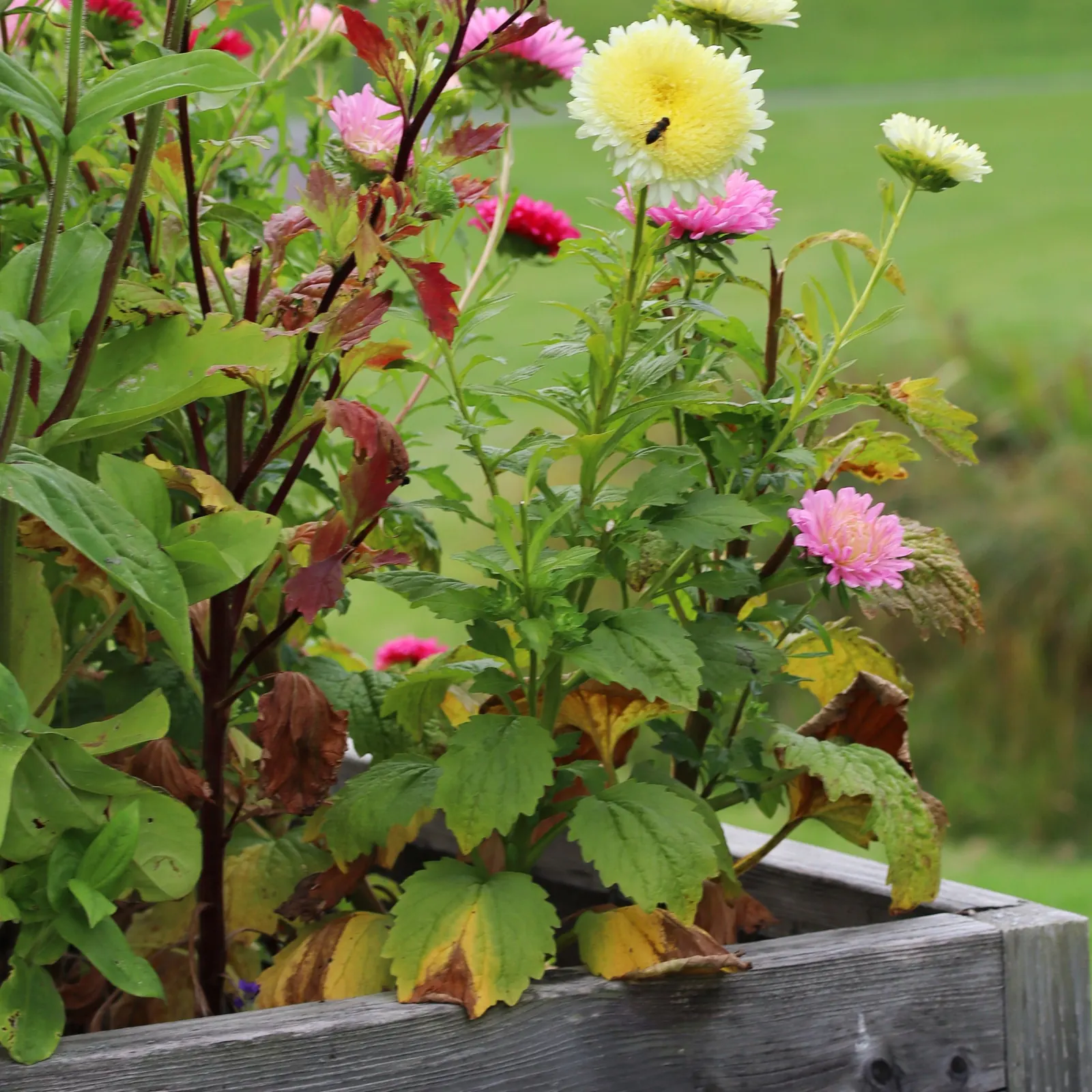
Botanical Interests lists Cut and Come Again Zinnia Seeds, a Zinnia elegans mix for full sun. The seller calls it frost-sensitive and recommends direct sowing one to two weeks after the average last frost date, with plants thinned to a spacing of 12 inches. We have not grown it; these are the seller’s directions, and your climate may shift the timing. A seed packet or listing like this gives you the four things to match to your bed: light, timing, mature habit and spacing. The Botanical Interests link on this page is an affiliate link, and GardenHelm may earn a commission.
Perennials and winter
Perennials can thrive in a raised bed if you treat winter as a design question. Minnesota’s warning applies most to tall, exposed planters in severe climates and less to a low bed connected to the ground in a mild one. A local extension office or nursery can tell you which plants and which arrangement suit your zone, since a hardiness label is set for plants in the ground. UNH Extension suggests mulching new plantings and vulnerable plants in winter, at least 2 inches of wood chips, shredded leaves or straw, to buffer the heaving of repeated freezing and thawing, and says to keep it from piling against the crowns. UNH Extension, putting the garden to bed
Leave room for established plants to spread and be divided, since a first-season arrangement often crowds within a few years. A simple planting map tells you what is dormant and what is empty.
Through the season
Remove spent flowers or cut stems according to each plant’s needs, and keep some for seed or winter interest where that suits the plan. Apply fertilizer only where the plants and a soil test justify it, following the label; if flowering disappoints, check light, moisture and crowding first. If you grow flowers beside vegetables, preserve harvest access and confirm that anything you apply is suitable for the edible crops.
At the end of the year, note what bloomed well, where the gaps were and which plants outgrew their space. Make a few deliberate changes for next season rather than starting over.
Retailers to browse
Compare sizes, materials and delivery details on each retailer’s current listings.
- Browse cut and Come Again Zinnia Seeds at Botanical Interests
Botanical Interests
Opens Botanical Interests’s cut and Come Again Zinnia Seeds collection, not a single product.
Written from manufacturer and retailer information and general garden practice. GardenHelm has not physically tested the products discussed here. How we choose products