Lawn Bug Killer: Identify the Pest Before Choosing a Treatment
Brown grass, moths overhead and a few insects in the soil are not the same finding. Identify the pest and decide what would justify treatment before reaching for a product.
By GardenHelmPublished 6-minute readMore in Lawn Seed & Feed
In this guide
University of California IPM’s lawn-insect guidance puts it plainly: inappropriate irrigation is the most common cause of lawn damage. Not grubs, not chinch bugs. That is worth remembering before you spread an insecticide over a brown patch. A lawn bug killer only helps when a specific insect is present in damaging numbers, at a stage the product can reach. Find the insect first, count it, and the right treatment (or no treatment) usually becomes obvious.
Is it insects at all?
UC IPM’s lawn-insect guidance explains that poor watering, disease and other causes can mimic insect injury, and singles out uneven sprinkler coverage from misaligned or mismatched heads. Its first rule is never to apply an insecticide unless a damaging level of a known insect is confirmed. Its numbers are written for California, but the method travels well.
Before you dig, note the date, photograph the patch, mark its edge with a few golf tees and check it again in a few days to see whether it spreads. Write down recent mowing, fertilizing, weather and watering changes. A brown patch that lines up neatly with a sprinkler’s reach is a watering problem.
Three simple tests
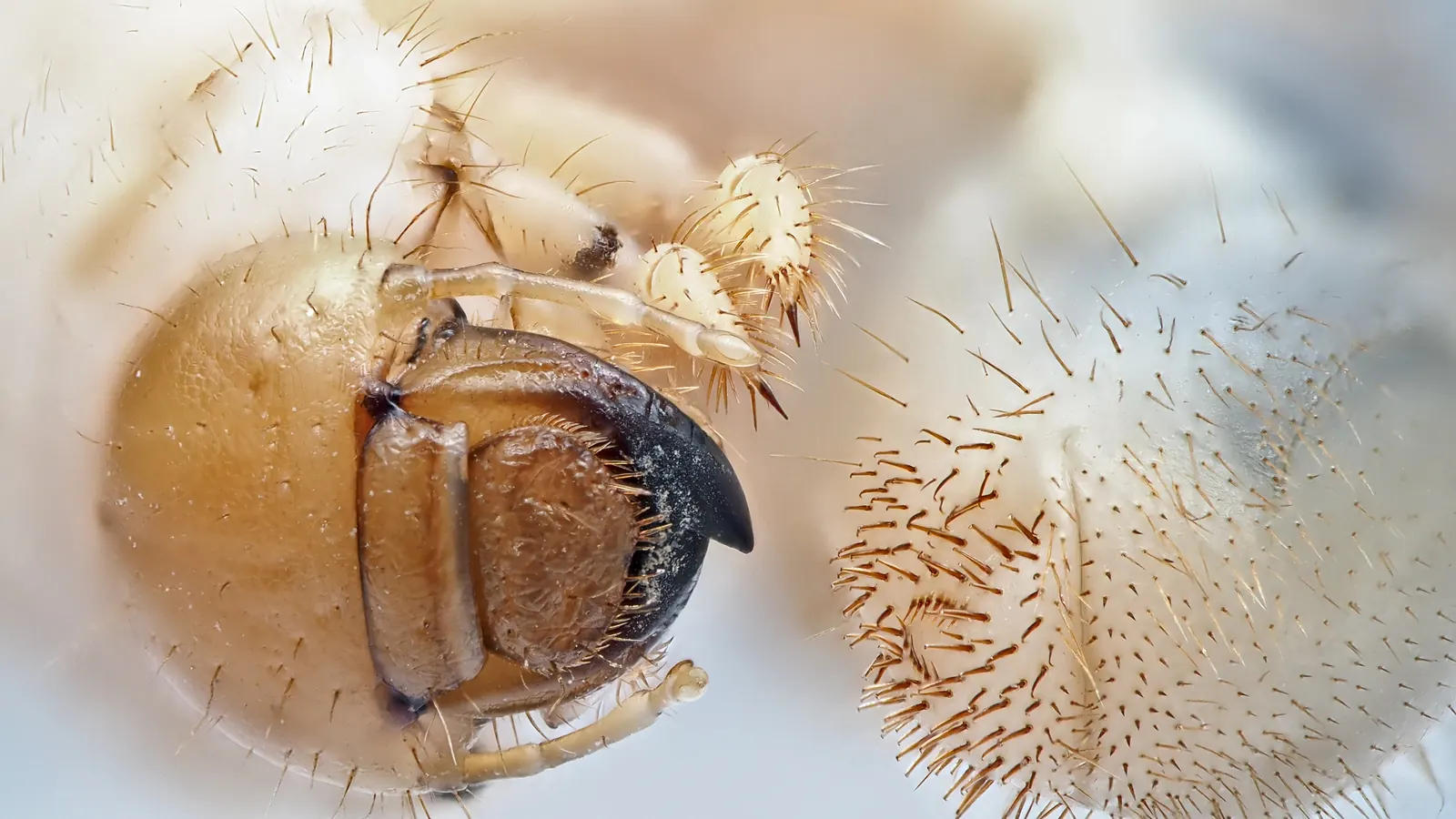
The tug test for root feeders. Grab a handful of damaged turf. If it lifts like loose carpet with few roots attached, grubs or other root feeders are suspects. Cut a square foot of sod on three sides at the edge of the damage, fold it back and count the C-shaped larvae in the soil, then press the flap back down and water it. Sampling a few spots and averaging gives a fairer count than one hole.
The soap drench for surface feeders. UC IPM mixes 1 to 2 fluid ounces (2 to 4 tablespoons) of dishwashing liquid in a gallon of water, using up to 2 gallons where the soil is dry, and pours it over a 1-square-yard area. Caterpillars such as sod webworms and cutworms come to the surface within minutes. UC IPM notes the drench does not bring up white grubs, so it cannot rule them out.
Look at the margin for chinch bugs. Part the grass where brown meets green and look at the base of the blades for small dark bugs. UF/IFAS also suggests running a handheld vacuum over about a square foot of mixed dead and living turf and emptying it onto white paper.
Thresholds: how many is too many
A few pests are normal in a healthy lawn. UC IPM’s quick tips say there is no need to treat at 5 or fewer grubs per square foot. Its fuller guidance suggests control may be needed above roughly 6 white grubs, 1 billbug larva or 40 black turfgrass ataenius grubs per square foot, or around 15 chinch bug nymphs and adults per square foot. Thresholds vary by region, grass and the vigor of the lawn, so use your state’s numbers when they exist, and keep each threshold tied to the sampling method it was written for. A count from a soap drench cannot be compared with a threshold measured in cut sod.
Moths are a clue, not a verdict
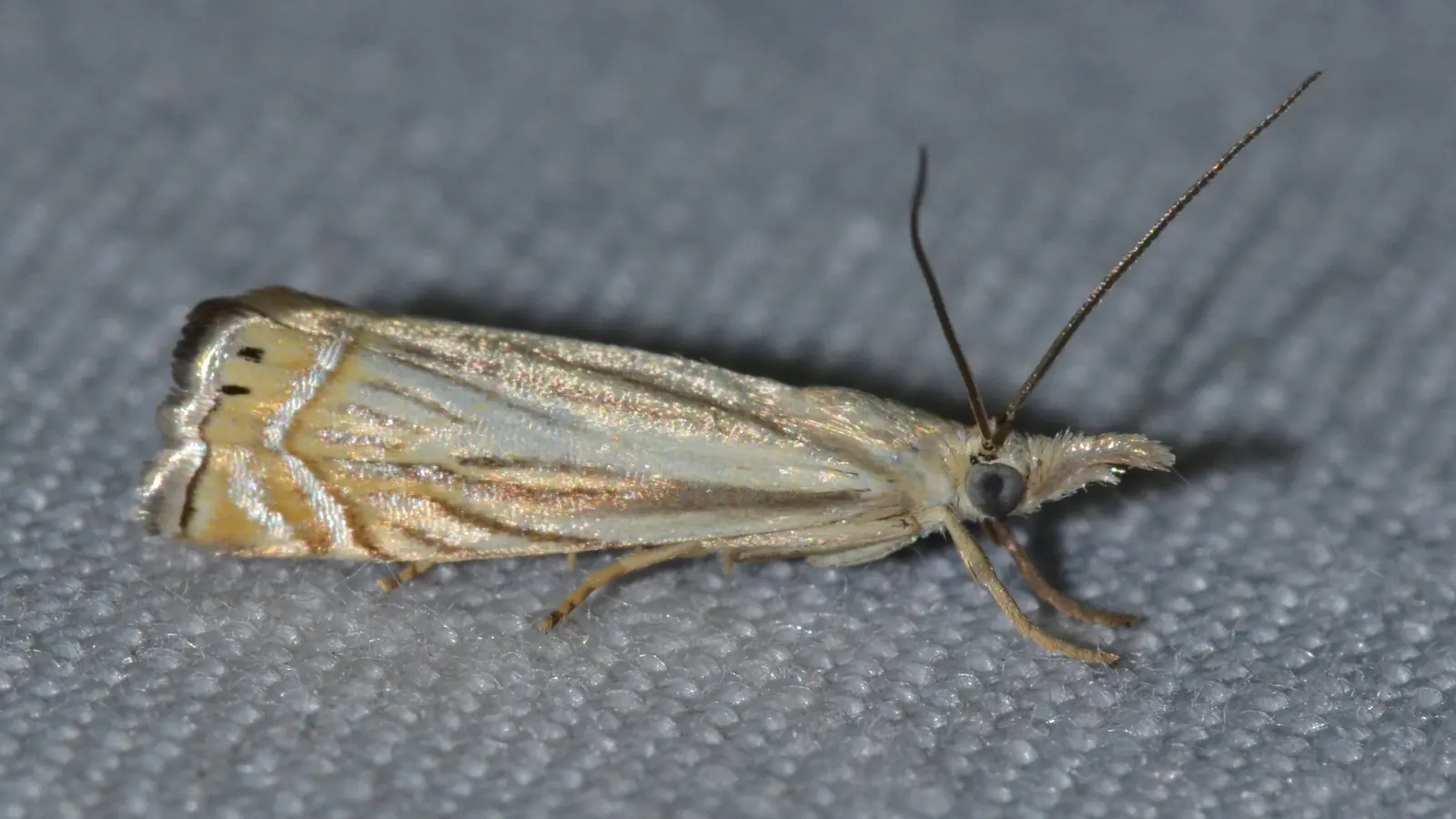
Minnesota Extension’s sod-webworm guide separates the small buff moths that flutter up when you mow from their larvae, which do the feeding. The larvae shelter near the soil surface by day and chew grass at night. Minnesota notes that the moths are common while larval damage is far less so in that state.
Utah State’s sod-webworm and cranberry-girdler reference likewise identifies the larva as the damaging stage, and distinguishes webworms that chew blades from subterranean species that feed on crowns and roots. Seeing moths over the lawn tells you what to look for next. A soap drench at the edge of a thin patch tells you whether larvae are actually there.
If you look up products, use a current label. An old extension pesticide list is not proof that a product is still registered or sold.
Chinch bugs need a southern context
UF/IFAS describes southern chinch bugs as a major pest of St. Augustinegrass that also attacks zoysiagrass in Florida. Injury usually shows first in water-stressed or sunny areas as yellow then brown patches. Adults are about a fifth of an inch long with black and white wings; nymphs are orange with a white band. UF’s cultural controls are worth doing whether or not you spray: even irrigation, no scalping, modest nitrogen and thatch control. UF also warns that chinch bugs are becoming resistant to many insecticides and recommends rotating chemical classes for repeat problems.
A chinch bug story from a Florida St. Augustinegrass lawn says little about a bluegrass lawn in Ohio. Grass type and region belong in every diagnosis.
When treatment is justified
NPIC’s integrated pest management overview frames the decision in steps: monitor, tolerate harmless pests and act when a threshold is crossed. If the count is below threshold, set a date to check again instead of forgetting about it.
When you do treat, treat the problem area plus a margin, not automatically the whole property. NPIC’s product selection guide suggests identifying the pest, reading the label and its surroundings, and getting local advice; it links to state registration databases. When you compare products, look for:
- the identified pest and lawn use listed on the label;
- whether it targets surface feeders or root feeders;
- watering directions, which differ by target;
- protective equipment and re-entry time for people and pets;
- pollinator and water precautions.
UC IPM’s watering advice shows why the target matters. For leaf-feeding caterpillars, it suggests irrigating first, letting the blades dry, spraying, then not irrigating for at least 48 hours. For grubs and other root feeders, it suggests watering after application so the insecticide moves into the soil. It also recommends mowing and reducing thatch before treating.
Protect bees, kids and pets
With insecticides, using a product in any way its label does not permit is illegal, so its rate, timing and re-entry rules are not suggestions. UC IPM warns that carbaryl is highly toxic to bees and should not be applied to blooming plants, and that neonicotinoids such as imidacloprid can harm bees visiting flowering weeds such as clover. If clover or dandelions are in flower, mow them off before applying a product that carries a pollinator warning. Keep children and pets off the treated lawn until the label allows re-entry, wear the gloves and footwear it lists, sweep granules off pavement so they do not wash into drains, and never apply just before heavy rain.
Hiring a lawn service
Ask for the pest identification, the count or evidence behind it, the area to be treated and the exact product before work begins. Keep the record of what was applied and when. A service that recommends whole-lawn insecticide on a calendar without any of that is selling a schedule, not solving a problem.
Treating is not the same as repairing
Brown grass stays brown after the insects are gone. Do not reapply because the patch still looks bad; recheck the insects instead. Once the pest is under control, repair the damage with seed or sod in your region’s establishment window, using the lawn-care hub for the establishment and watering side. Then fix whatever stressed the lawn in the first place, because the uneven sprinkler or scalped corner that invited the pests will invite them again.
Written from manufacturer and retailer information and general garden practice. GardenHelm has not physically tested the products discussed here. How we choose products