Hardtop Gazebos: Compare the Roof, Frame and Complete Installation
A rigid roof says nothing about the frame under it. Compare roof and frame together, test the post layout with your furniture and follow where the rain goes.
By GardenHelmPublished 4-minute readMore in Outdoor Structures
In this guide
We may earn a commission from links on this page, at no extra cost to you. How this works
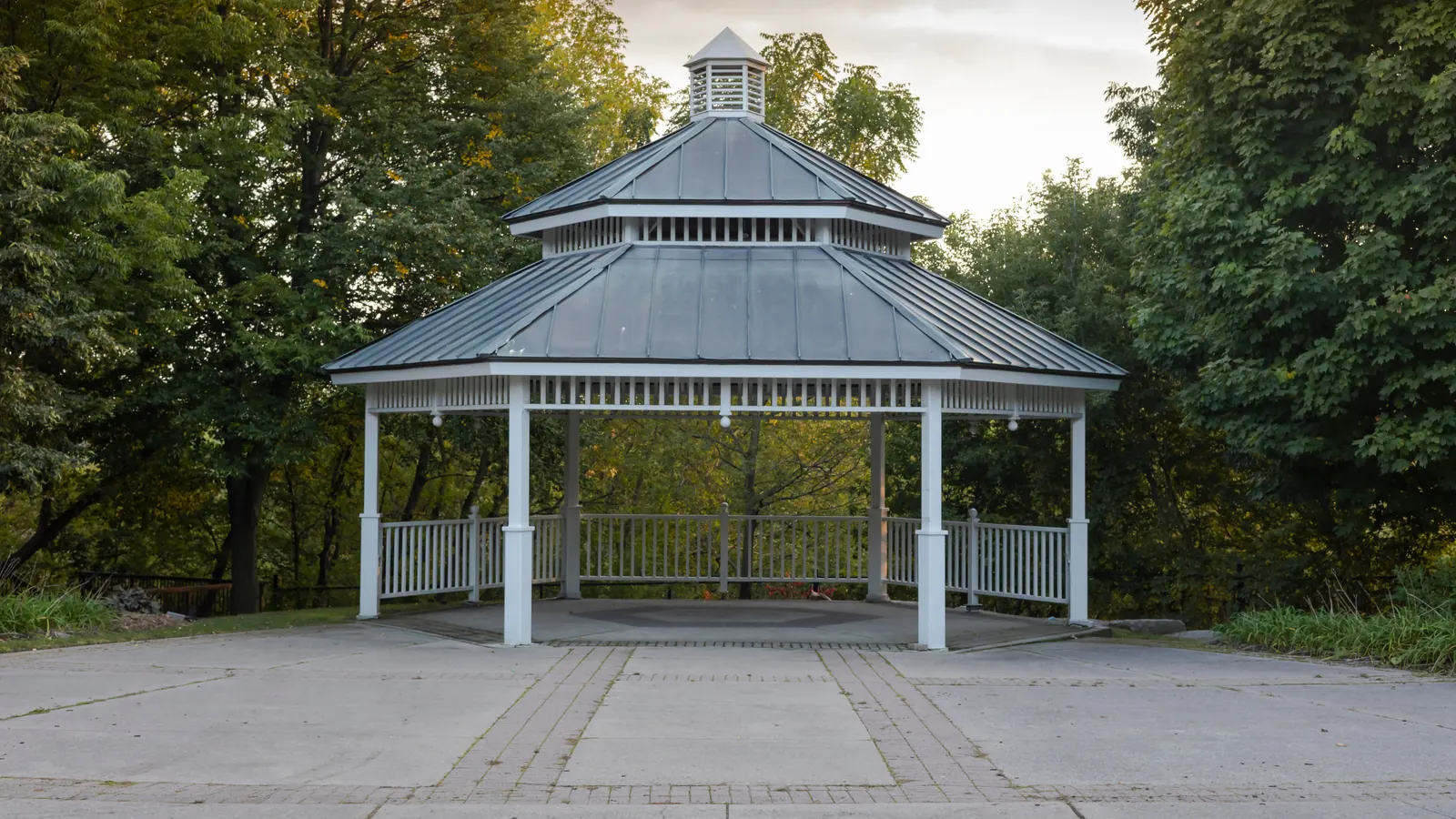
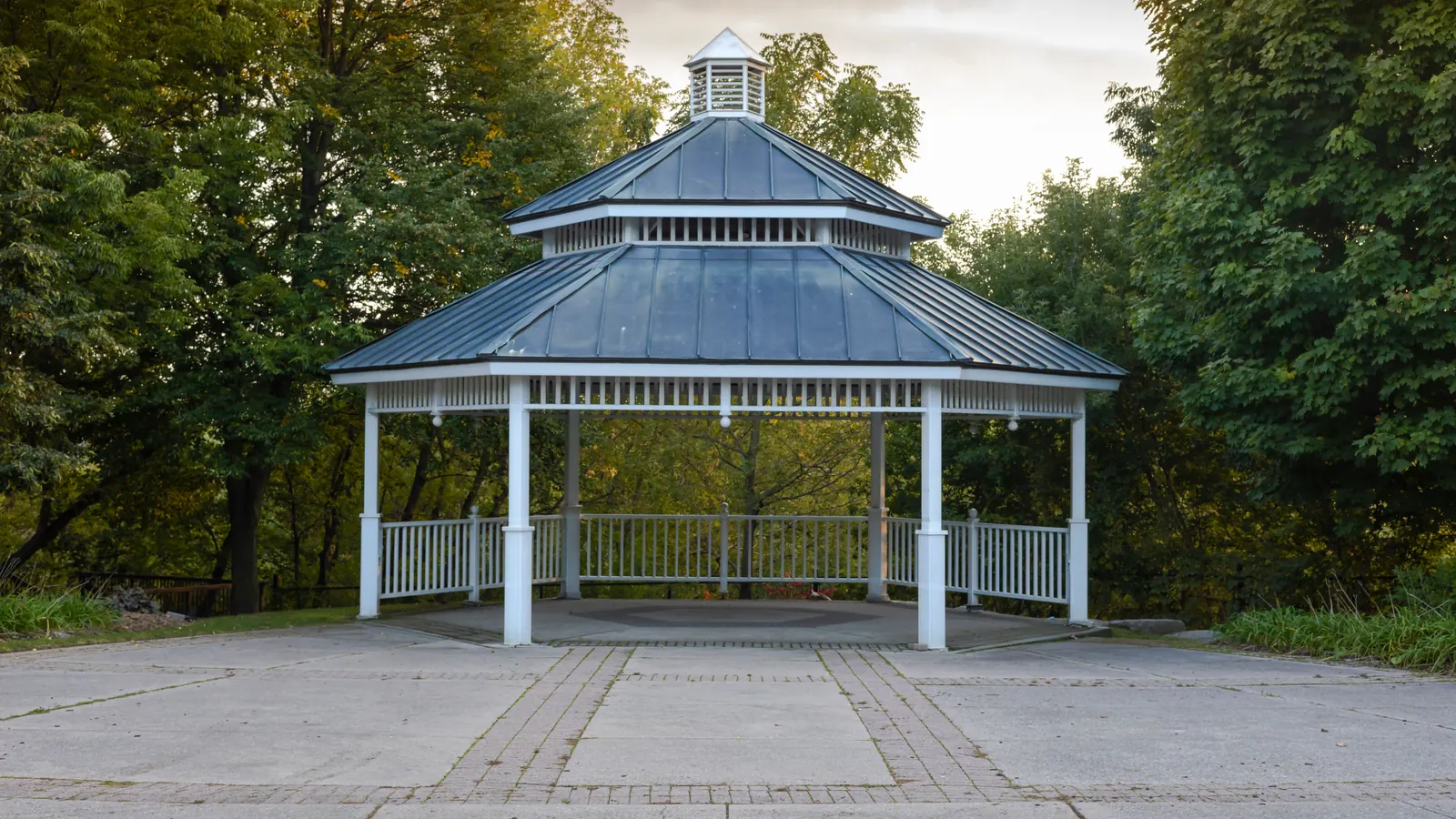
Compared with a fabric canopy you take down every fall, a hardtop gazebo costs more and takes more work to install, and in return the roof stays up through the seasons. The rigid roof is only half the structure, though. Before comparing prices, look at what holds the roof up, where the posts land on your patio and where the rain goes once it runs off the edge.
“Hardtop” describes the roof panels, nothing more. An aluminum frame with a steel roof and a cedar frame with an aluminum roof are very different buildings to own, even when both listings call themselves metal gazebos.
Roof and frame: two decisions
| Combination | What it suits | What you take on |
|---|---|---|
| Aluminum frame, steel roof | Low upkeep and a clean, modern look | Touching up any scratched coating; tracking down replacement panels from the same maker |
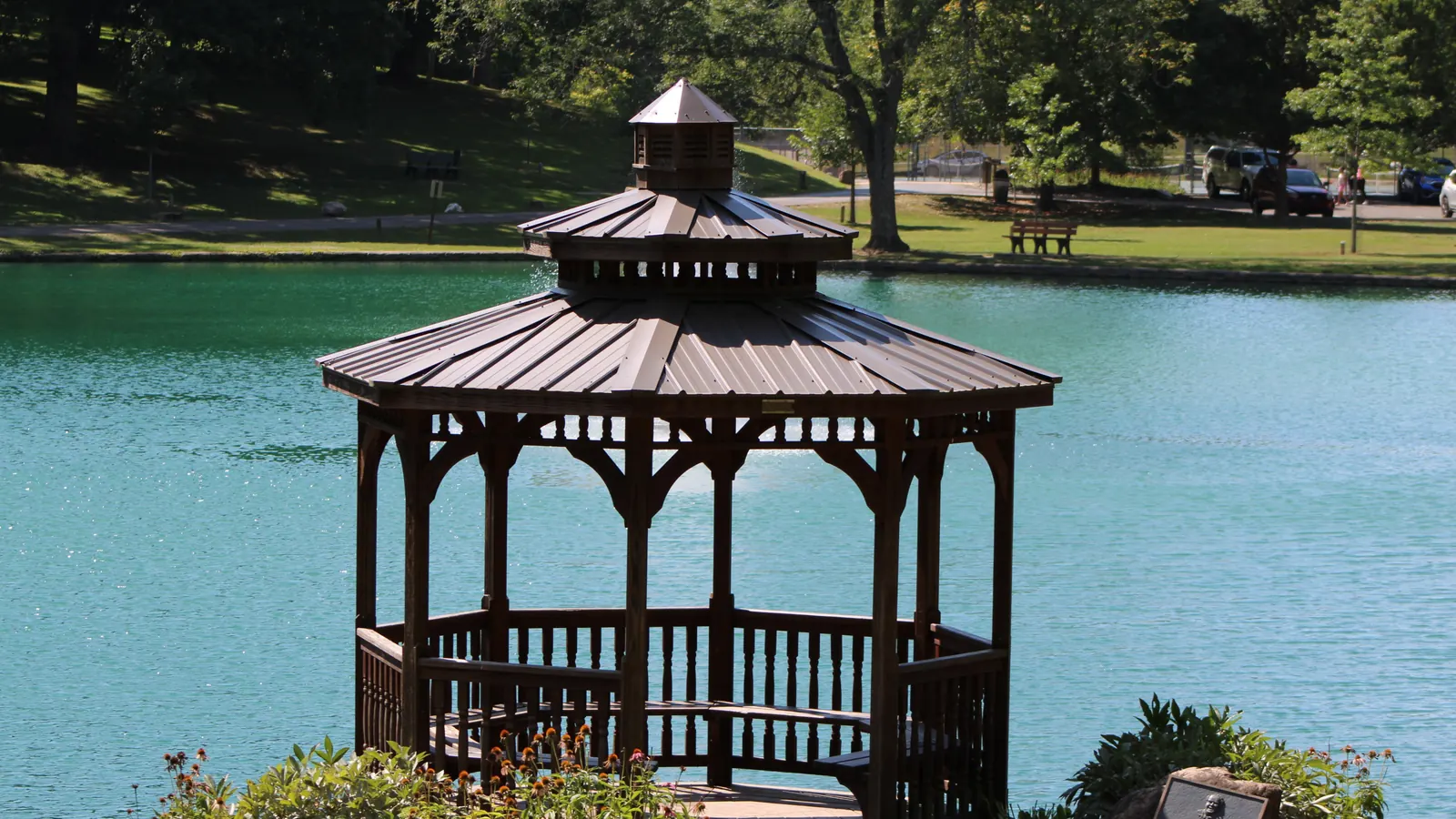
| Wood frame, aluminum roof | A warmer, built-in look that sits well in a planted garden | Refinishing the timber on a schedule and keeping post bases dry |
| Polycarbonate or other rigid panels | More light under the roof | Checking how panels are fastened and whether the maker sells replacements |
Judge each half on its own. A strong roof says nothing about the posts and anchors carrying it, and a sturdy frame says nothing about how the roof panels handle weather. If wind or snow matters where you live, look for the load ratings the manufacturer publishes for that exact model and size, and compare those, not the marketing copy.
Two real examples
Yardistry’s 12-by-14 Meridian gazebo pairs cedar lumber with an aluminum roof and ships as a kit with pre-cut, pre-drilled wood. It is the kind of structure to look at if you want visible timber under a metal roof.
VEIKOUS’s 12-by-12 double-top PG0201-27 uses an aluminum frame and a galvanized-steel roof. Its page lists a smaller interior size than the nominal 12 by 12, a useful reminder that the headline size is the roof, not the floor you get to use. It showed as available on November 4, 2026; stock changes, so check before planning around it.
We have not installed or tested either one. They show how two common construction types are described, not which one performs better.
Lay out the posts with your furniture
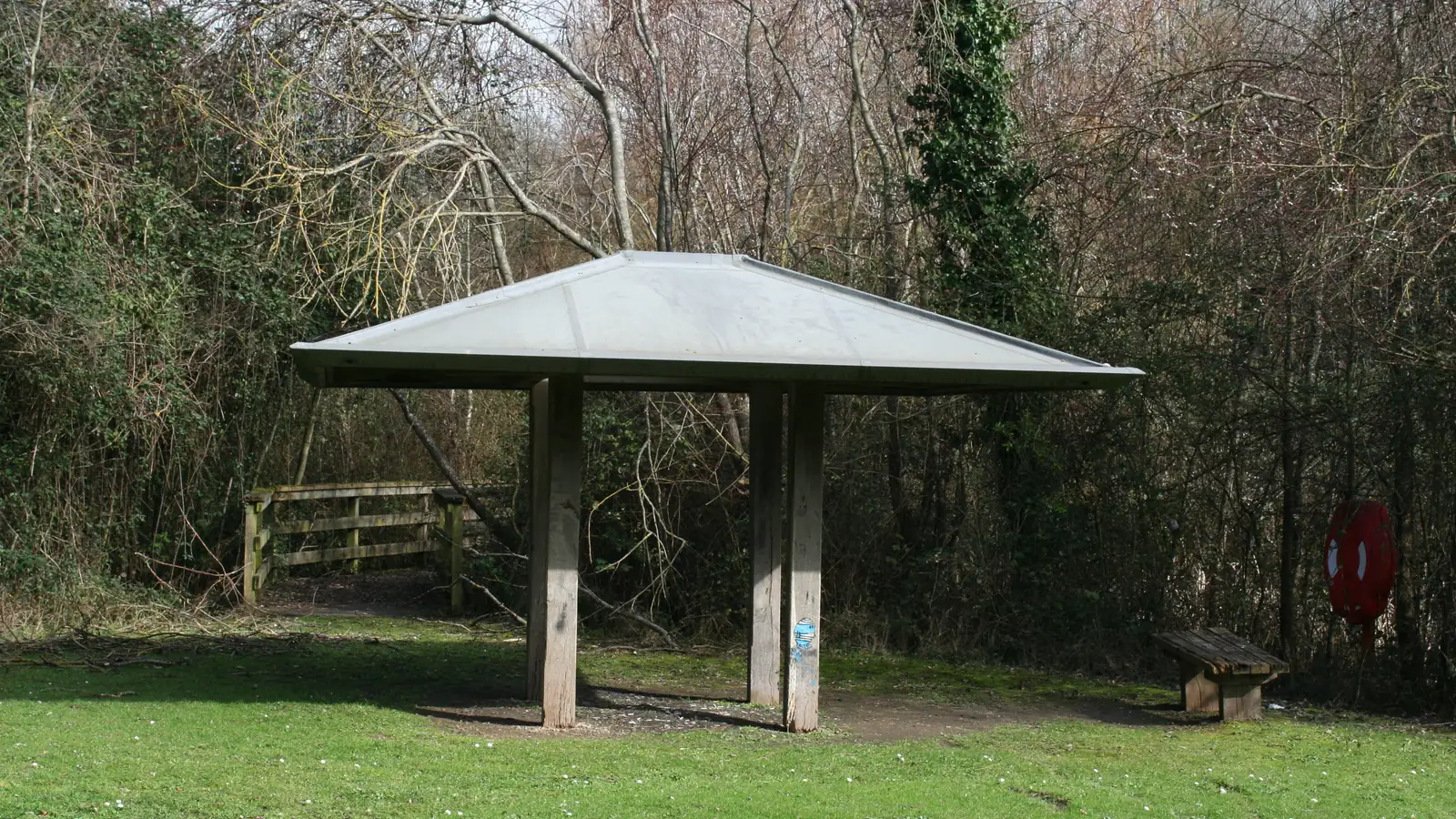
The posts matter more than the roof outline. A roof that covers the patio on paper can still put a post exactly where a chair needs to slide back or a door swings open.
Mark the post positions on the ground with tape or stakes, then set out the real furniture:
- For dining, the table plus every chair pulled out as if people are seated.
- For lounging, the sofa, the ottoman and the side tables, not just the sofa.
- For both, the route people walk through the space.
Listings quote several sizes: roof edge, post centers, outside of posts and interior clearance. Use post centers and interior clearance for the furniture layout, and the maker’s installation drawing for footings. If the furniture fits only with the posts in the way, a bigger or differently shaped gazebo is worth considering; if it fits comfortably, extra size mostly adds cost and shade you may not want.
Follow the rain off the roof
A solid roof collects rain from its whole area and drops it along the edges. Watch where that water will land: on a path, against the house, onto a planting bed or into a low spot that already puddles. If a gutter kit is offered, find out where its downspout empties.
Curtains, screens and solid side panels change how the space feels and how much air moves through it. Use the ones made for that model. A decorative curtain gives shade and privacy, not weather protection.
Who builds what
A hardtop gazebo is heavy, and it needs a solid base and proper anchoring. Get the quote to name who handles each part: the footing or deck reinforcement, the anchors, the kit assembly and any electrical work for lights or a fan. Check with your local building department before you buy, since larger permanent structures can need a permit or setback approval.
Roof panels and beams have to be lifted into place, so ask how many people the instructions call for and whether delivery includes unloading. An advertised assembly time tells you little about your site.
Choosing
Pick the gazebo whose posts suit your furniture, whose construction you are happy to maintain and whose installation you can actually get done. If two finalists tie, choose the one with published load ratings and replacement parts available from the maker. The outdoor structures hub compares gazebos with pergolas and other shade options.
Written from manufacturer and retailer information and general garden practice. GardenHelm has not physically tested the products discussed here. How we choose products