Gazebo vs. Pavilion: Which Roofed Structure Fits Your Backyard?
In many catalogs a gazebo has a hip or pyramid roof and a pavilion a two-slope gable. Compare usable space, entrances, drainage and installation for the way you will use it.
By GardenHelmPublished 6-minute readMore in Outdoor Structures
What this guide compares
- Roof form and drainage direction
- Clear furniture layout
- Openings and views
- Foundation documentation
- Compatible screening and accessories
In this guide
We may earn a commission from links on this page, at no extra cost to you. How this works
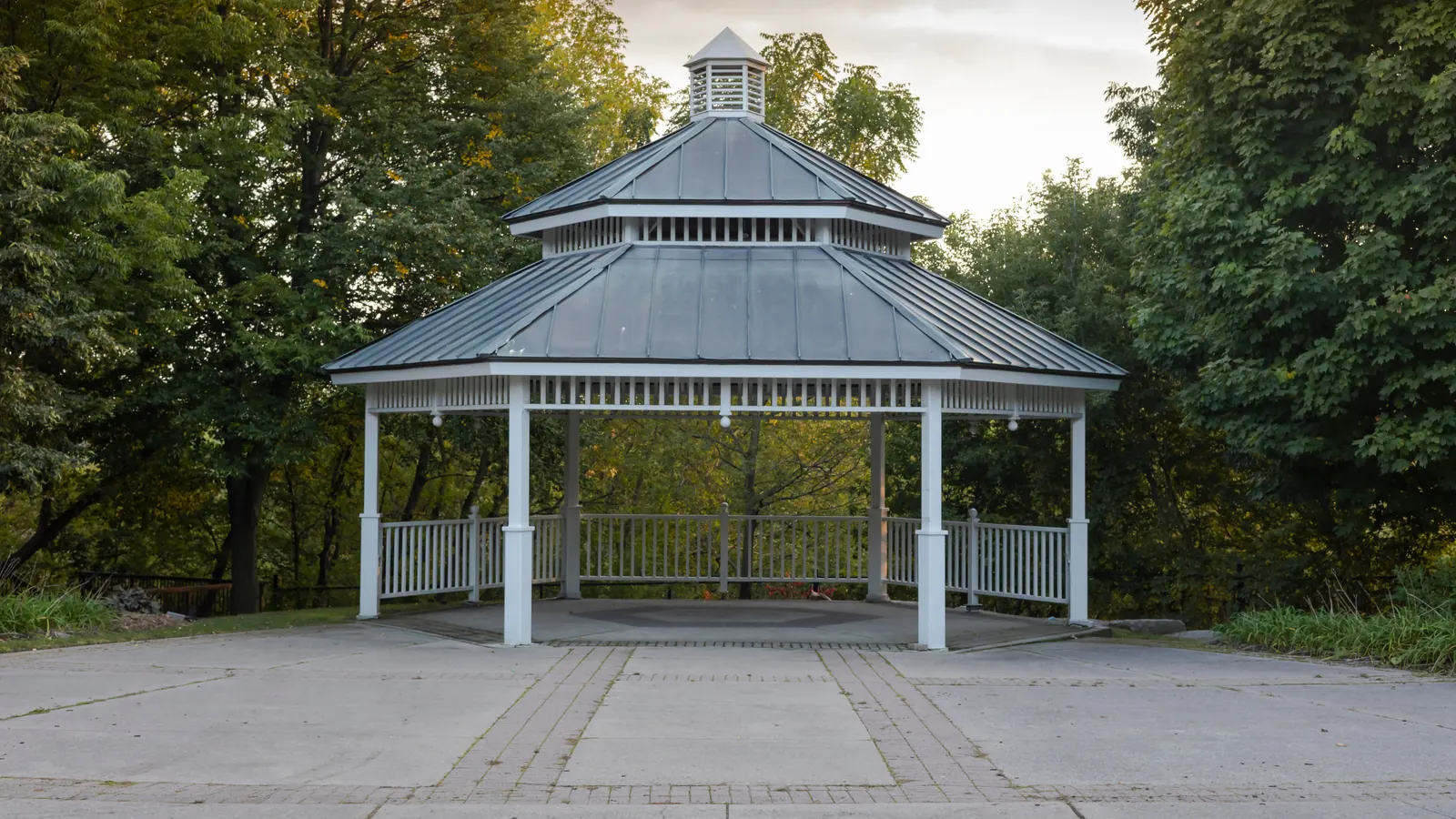
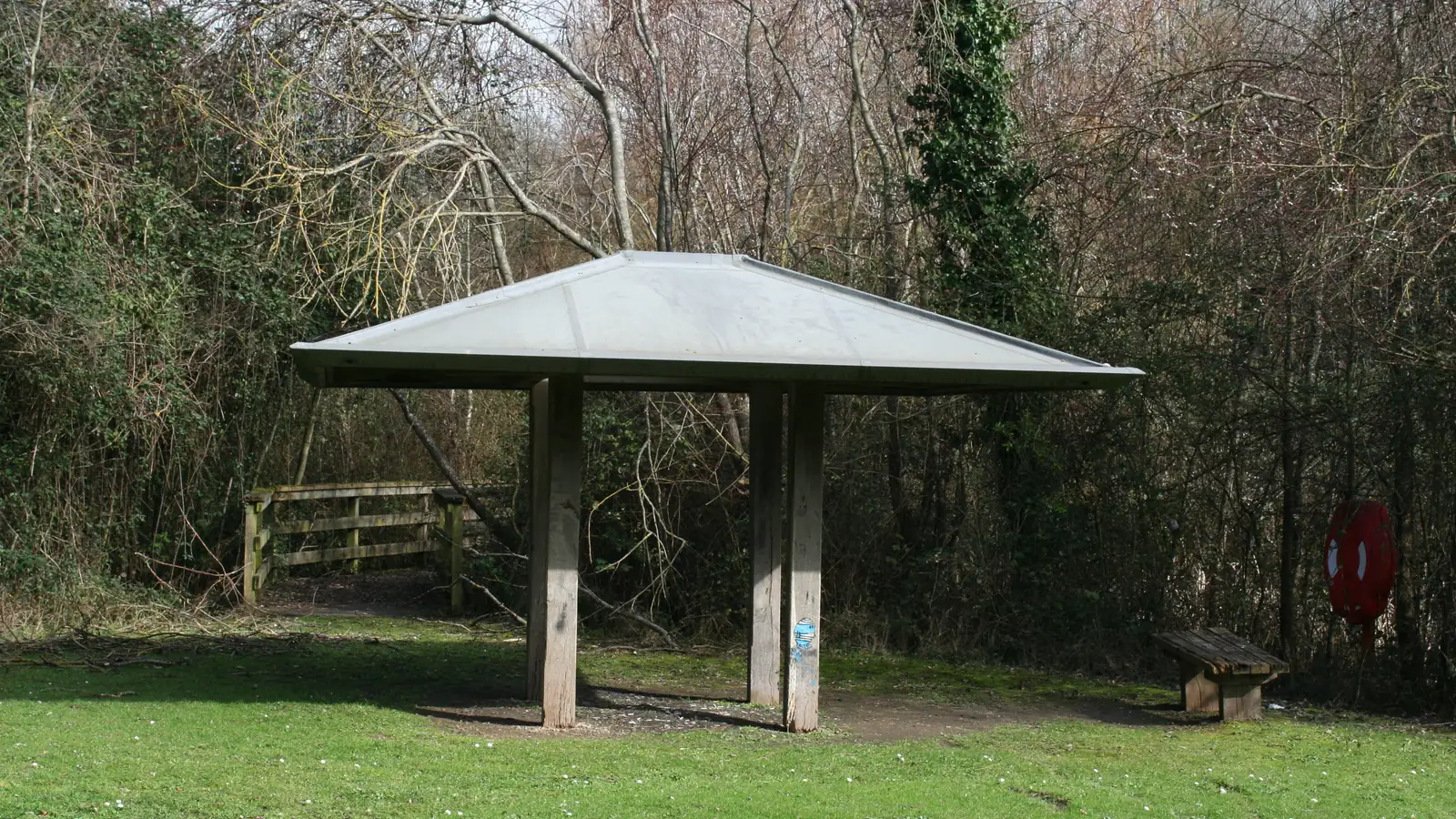
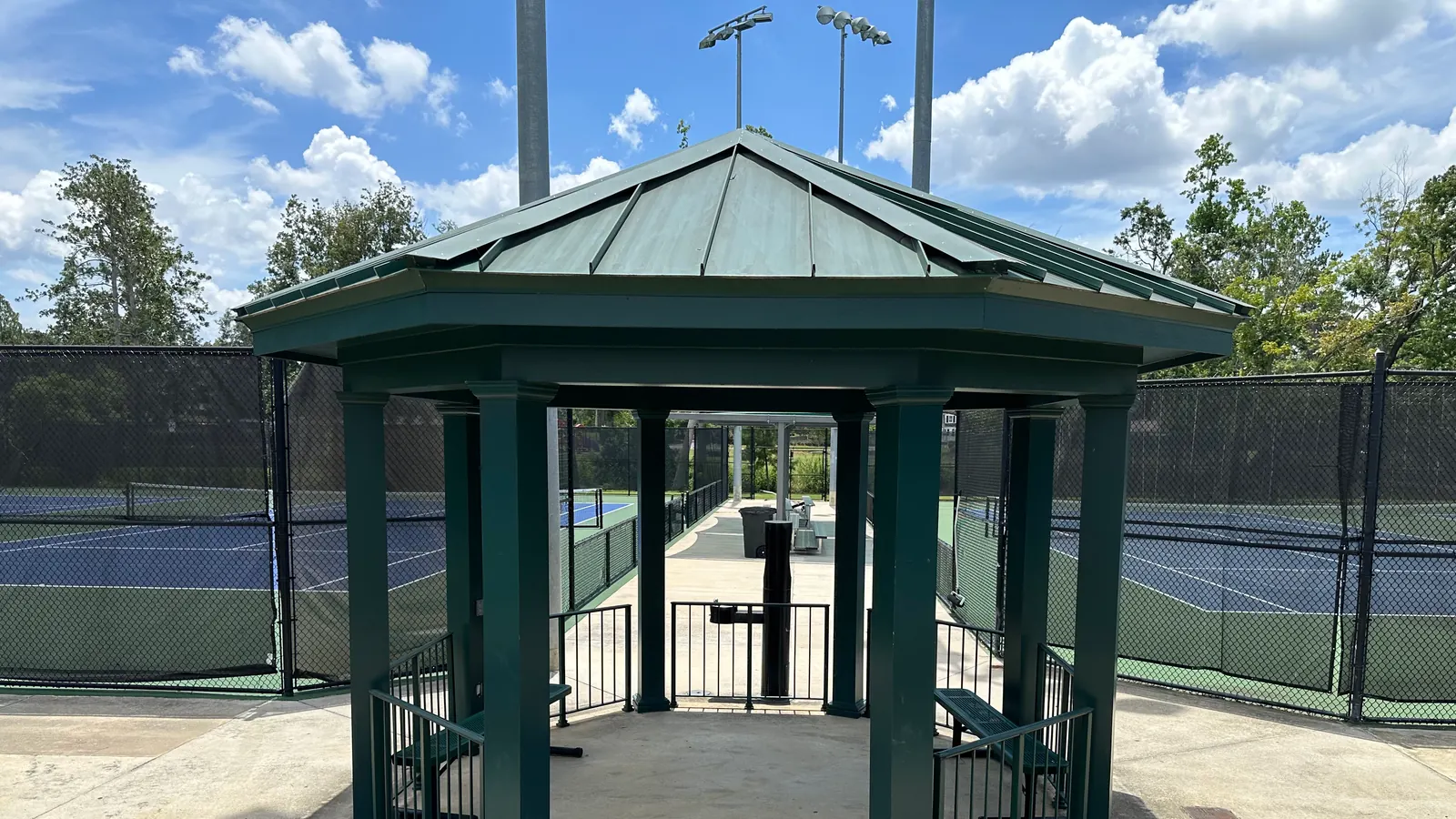
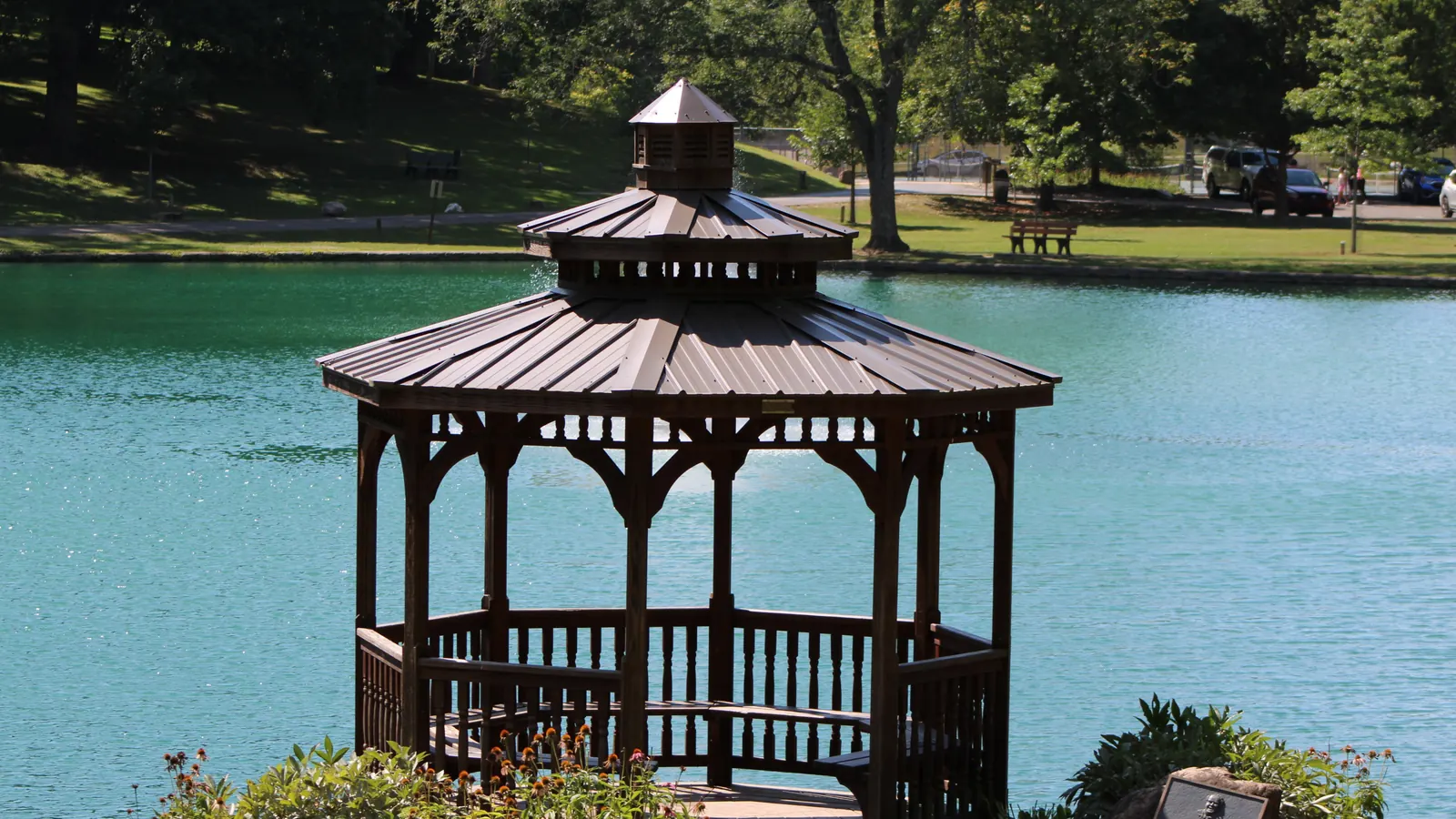
In most backyard catalogs, a gazebo is a roofed structure with a hip, pyramid or polygonal roof that rises to a point, often with railings and defined openings, while a pavilion is an open shelter under a two-slope gable roof. If you want a garden room you walk to and sit inside, look at gazebos. If you want a covered table near the house that people can reach from any side, look at pavilions. The rest of this guide is about the cases where that quick rule breaks down, because sellers use both names loosely.
How the two compare in practice
| Gazebo | Pavilion | |
|---|---|---|
| Typical roof | Hip, pyramid or polygon, peaking in the middle | Gable, two planes meeting at a ridge |
| Where rain lands | Off three or more edges | Mostly off the two long eaves |
| Typical plan | Square, rectangular, hexagonal or octagonal | Square or rectangular |
| Edges | Often railings with one or two entrances | Usually open between posts |
| Feel | An enclosed destination | A shelter you pass through |
The table describes common patterns, not definitions. Yardistry’s own comparison of gazebos, pergolas and pavilions separates its gazebo roofs from its two-sided, A-shaped pavilion roof, which explains that maker’s naming but sets no rule for other sellers. Its pavilion collection includes a 10x10 model, so “pavilion” does not have to mean a big park shelter. A rectangular, open-sided product sold as a gazebo can be functionally the same thing.
Which one suits the way you will use it
Dining for six or more. A rectangular table fits a rectangle. A gable pavilion, or a rectangular open gazebo, puts the long sides of the table parallel to the long sides of the roof, and people can pull chairs out without hitting a railing. In an octagon, a rectangular table leaves awkward wedges in the corners and the posts land where chairs want to go.
Measure that table against the inside of the frame, not the name on the box. Veikous’s 12x16 aluminum hardtop gazebo is the rectangular, open-sided kind this paragraph describes, with netting included, and its listing gives an inner size of 15.03 by 11.09 feet for the 12 by 16 version (ask Veikous where that figure is measured, since it sits close to the outer size). If it holds between the posts, that leaves room for a table for six with chairs pulled out along the long sides; look at the photos to see where the triangular frames that the listing says support the columns sit, so a chair is not pushed back against one. The same listing sells 10x10, 10x12, 10x14 and 12x12 versions; at 10 by 12 the inner size drops to 11.75 by 9.61 feet, which suits a table for four more comfortably than six.
Reading, conversation, a hot tub corner. A gazebo with railings gives a sense of enclosure that a pavilion does not. A round table or a set of curved seats uses a polygon’s corners well. The trade is access: one or two openings means one or two ways in, so the main entrance should face the path you will actually walk, especially if you will be carrying food.
A view. Sit where you plan to sit, at chair height, and look out. Railings and closely spaced posts cut across a view that looks open when you stand. A pavilion’s open sides usually interrupt less, but a big post at the wrong corner can still frame the shed instead of the sunset.
Near the house. Roof shape decides where rain falls. A gable sends most of its water off two eaves, so you can turn the ridge to keep runoff away from the back door and the walking route. A hip or pyramid roof sheds toward every side, including the entrance. Either can take gutters, but plan where the downspouts discharge before you fix the position.
Shade and shelter are closer than the names suggest
Both give you a solid roof overhead and open or partly open sides. Low morning and evening sun still reaches under either, and wind blows rain in sideways. Roof height, overhang depth and orientation make more difference to comfort than the label. Visit the spot at the hour you expect to use it: morning coffee and late dinner want shade on opposite sides.
If you want screens or curtains, buy a structure that lists them as compatible accessories. Some gazebos come with optional mesh or curtain kits; a screened gazebo is still not weather-sealed or suitable for heating and cooling.
Curtains also show how far a name can drift from the room you get. Veikous’s 10x10 double-roof gazebo comes with a curtain and netting, yet its listing puts the inner size at 7.9 by 7.9 feet with 6.66 feet of height. Closed in, that is a space for two chairs and a side table, not a dining room; if the curtains are the reason you are buying, compare inner sizes before outer ones.
Wind and snow capacity cannot be read from the shape or how sturdy a frame looks. Compare published ratings for the exact model and size, and follow its anchoring instructions.
Materials and upkeep
Either name turns up in wood, steel and aluminum, with shingle, metal or polycarbonate roofs, so compare the frame specification, finish, roof panels, connectors and warranty for the actual product. For wood, find out what finish the maker calls for and how often; for metal, how to deal with scratches and how to order a replacement panel or bracket.
Think about reaching the roof. Leaves and twigs collect where roof planes meet, and gutters need clearing. A gazebo tucked under trees looks good and needs more of that work. Leave room around either structure for a ladder.
Permits, foundations and accessories
The name on the box does not decide whether you need a permit; size, height, roof, distance to property lines and attachment to the house do. Ask your building department about the exact plan before you buy. As one example of how specific local rules are, Prosper, Texas publishes a detached arbor/pergola/patio-cover checklist. It applies in Prosper, not everywhere.
Get the maker’s foundation and anchoring requirements before building the base. An existing slab or deck may or may not be strong enough; have it assessed if you are unsure how it was built. Do not add a heavier roof, a hanging swing or enclosing walls unless the structure is documented for them, since those change the loads on the frame and footings. A grill, fire pit or heater underneath needs the appliance maker’s clearances and your local fire rules, whichever roof you choose.
Cost
Neither type is reliably cheaper. Size, material, roof construction, site preparation and labor swamp the naming difference. Compare quotes with identical inclusions: kit, delivery, foundation, assembly, electrical work and accessories listed separately, so a quote with gutters and screens is not compared against one with a bare frame.
The Veikous gazebo collection linked on this page (it opens a collection page, mostly aluminum hardtops with a few cedar designs) and the two Veikous listings above are affiliate links, so GardenHelm may earn a commission if you buy, at no extra cost to you. It is a selection of gazebos to measure against your plan, not a tested winner and not a pavilion range. Stock and specifications change, so read the current listing.
Making the call
Shortlist two or three real designs and draw each footprint, posts included, over your furniture plan. Cross off anything that fails on clearance, access or site rules. Between the survivors, choose by where the rain goes and what you see when seated. If dappled light matters more to you than staying dry, an open pergola from outdoor structures belongs on that shortlist too. Whichever you pick, sit in the spot with a chair and a drink before you pour the base, and look at what the posts frame.
Retailers to browse
Compare sizes, materials and delivery details on each retailer’s current listings.
- Browse wood gazebos at Veikous
Veikous
Opens Veikous’s wood gazebos collection, not a single product.
Written from manufacturer and retailer information and general garden practice. GardenHelm has not physically tested the products discussed here. How we choose products