Greenhouse Ventilation: Vents, Exhaust Fans and Air Circulation
A fan blowing across plants moves air inside; ventilation swaps it with outside air. Know the difference, then plan vents, fan intake, controls and monitoring at plant height.
By GardenHelmPublished 5-minute readMore in Greenhouses
What this guide compares
- Outside-air exchange versus internal circulation
- Openings and equipment suited to the structure
- Site and crop requirements
- Coordinated controls and monitoring
- Maintenance and failure arrangements
In this guide
A greenhouse overheats because warm air has nowhere to go and cool air has no way in. Good ventilation fixes both ends: an opening high up where hot air escapes, and an opening lower down or at the far end where fresh air enters. Get that path right first. A fan only helps if it moves air along that path, and a fan that just stirs the air inside is circulation, not ventilation.
So when a greenhouse is too hot, too humid or patchy from one end to the other, start by tracing where air comes in and where it leaves. Fan size comes after that.
Three different jobs
| Job | What does it | What it cannot do on its own |
|---|---|---|
| Natural ventilation | Roof and side vents, using rising warm air and wind | Keep up on still, very hot days if the openings are small |
| Mechanical ventilation | An exhaust fan pulling air out, with an intake letting fresh air in | Work at all if the intake is closed or too small |
| Circulation | Small fans moving air around inside | Replace hot, humid air with outside air |
Most backyard greenhouses start with natural ventilation and add an exhaust fan or circulation fans only where the vents cannot keep up.
Natural ventilation: high out, low in
Warm air rises, so roof vents let it escape; side or low vents let cooler air replace it. Wind adds to the effect on breezy days. UMass Extension’s guide to natural ventilation explains both forces and why the position of the openings matters as much as their size.
In practice:
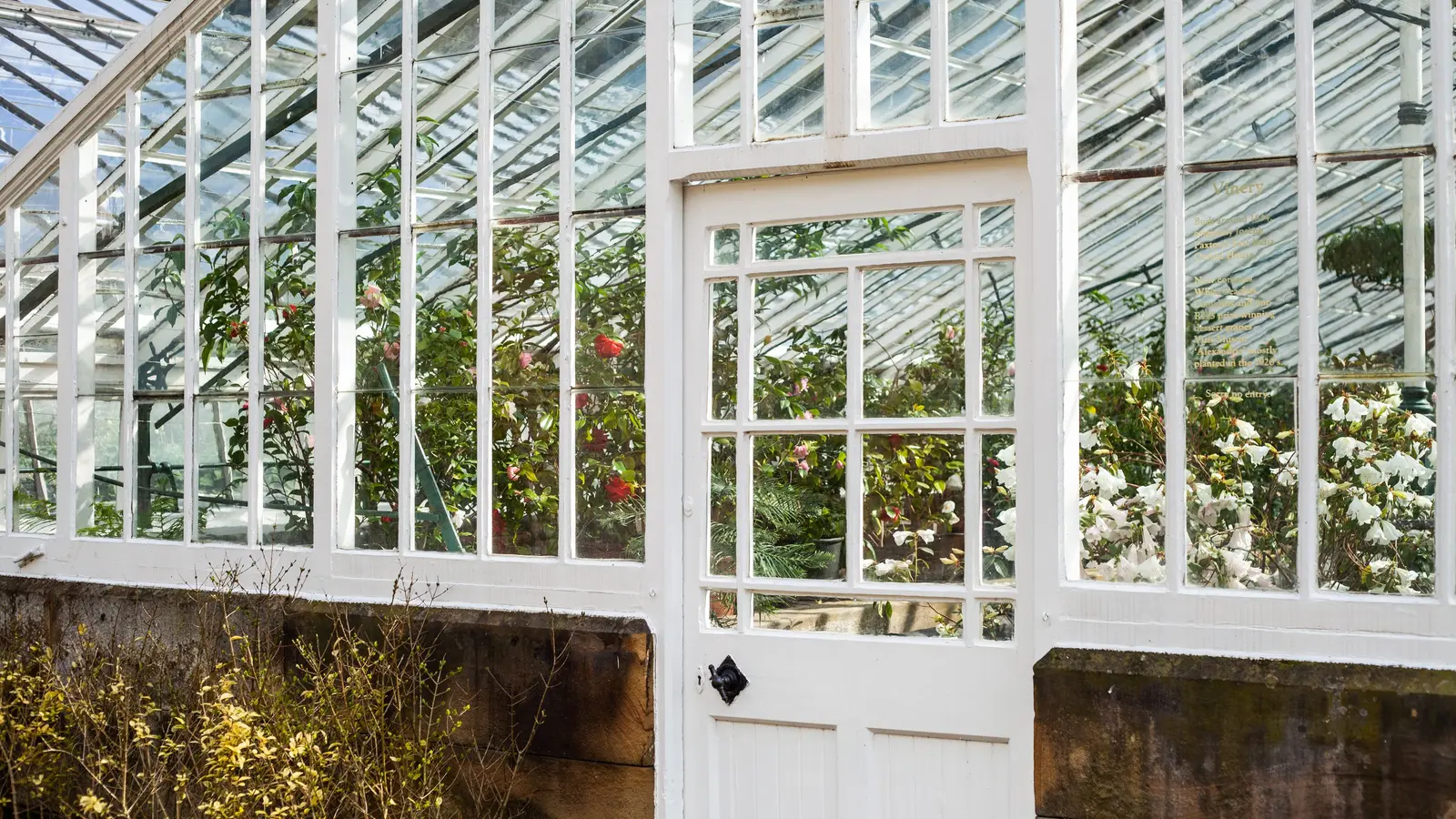
- A roof vent with no low opening works poorly. Hot air can only leave as fast as replacement air gets in. If your kit has roof vents only, a louvered side vent or a door you can prop open makes a big difference.
- Measure the real opening. A vent that only opens partway, or sits behind a shelf of tall tomatoes, moves less air than its frame size suggests.
- Automatic vent openers save you running out at noon. Most are wax-cylinder openers that need no power; check that the opener is rated for the weight of your vent and that you can lock the vent shut on stormy days.
- The door is a backup, not a plan. It will be closed on cold, windy or unattended days, which is exactly when you need the vents to work by themselves.
Exhaust fans need somewhere for air to come in
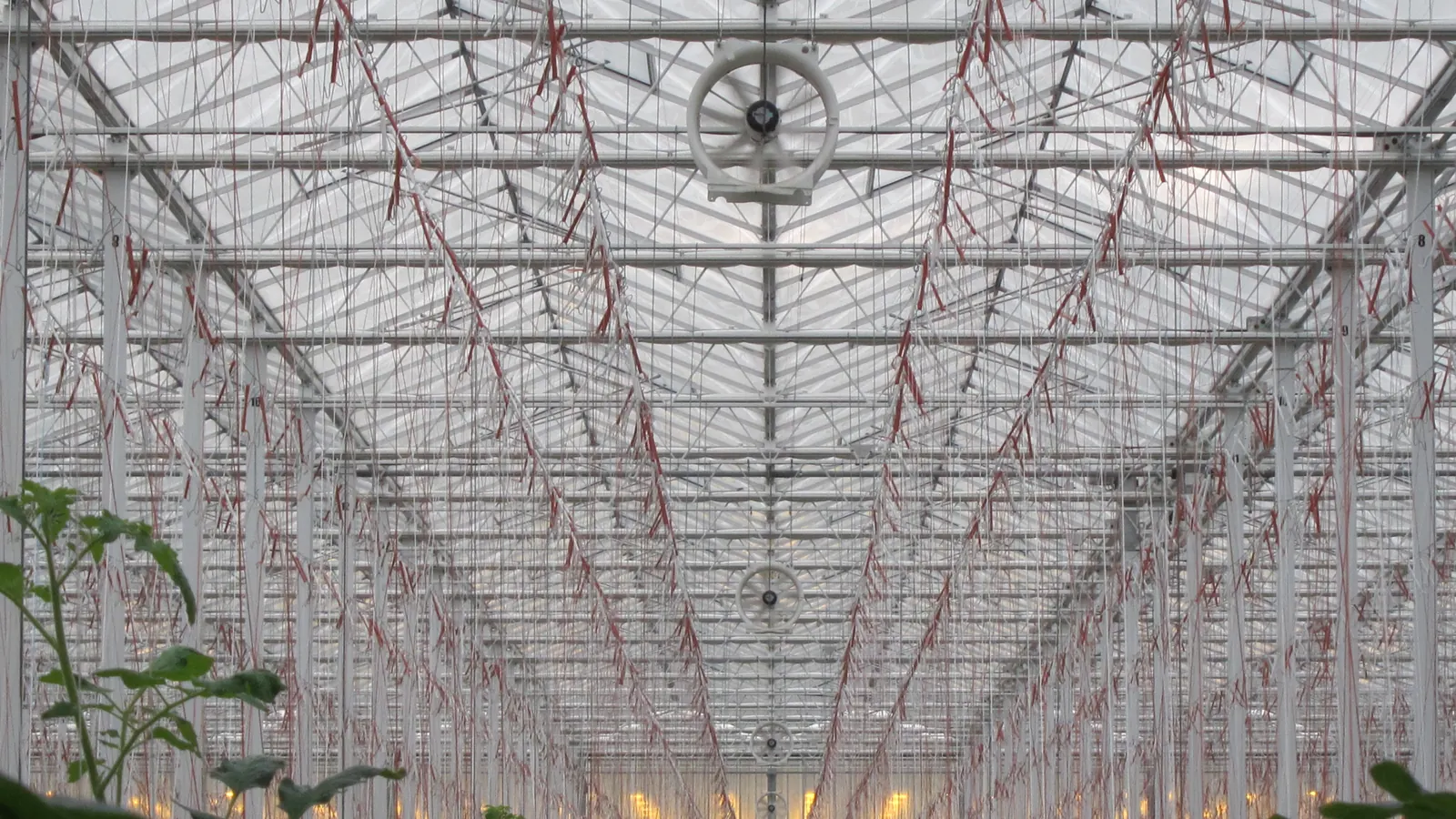
A fan pulls air out; something has to let air in, or the fan just strains. UMass Extension’s ventilation overview names undersized fans and restricted intake shutters as common reasons fan systems underperform.
- Put the intake at the opposite end from the fan, so air sweeps the length of the house instead of short-circuiting past one corner.
- Compare fans by airflow at realistic resistance, not the free-air figure on the box. Shutters, guards and insect screens all reduce what the fan actually moves.
- Use a motorized or gravity louver on the intake that opens whenever the fan runs.
- Choose equipment rated for damp locations, and have an electrician wire anything permanent. An extension cord and a household fan are a short-term fix, not a system.
UMass’s sizing examples are written for commercial houses, so use them to understand the method rather than copying a fan size for a small backyard kit.
Circulation fans for even conditions
Small horizontal fans keep air moving so the corners are not damp and stagnant while the middle is fine. Aim them to create a gentle loop around the house, above the plants, rather than blasting one bench. A strong continuous draft dries out seedlings near the fan.
When you shop, check what a “greenhouse fan” is actually for: circulation fans and exhaust fans look similar in listings and do different jobs.
Measure where the plants are
A thermometer on a sunny post near the door tells you about the post. Hang a shaded sensor at plant height, and if one end of the house feels different, add a second one there. A simple log of outdoor weather, vent positions and inside temperature over a couple of weeks shows quickly whether the system is undersized or just facing an exceptionally hot spell.
If you rely on a phone alert or automatic controller, test what happens when the power or Wi-Fi drops, and make sure the vents can still be opened by hand.
When things go wrong
| What you notice | Likely cause to check first |
|---|---|
| Fan runs, house stays hot | Intake closed, shutter stuck, screen clogged or fan too small |
| One end much hotter | Air short-circuiting; intake and fan too close together, or blocked by crops |
| Auto vent not opening | Opener overloaded, outside its temperature range or worn out |
| Heater and fan fighting | Controller set points overlapping; separate them |
| Performance has slipped | Dust on blades and screens, blocked openings, plants grown into the airflow |
Switch off and isolate any fan before cleaning it, and keep the model numbers of fans, openers and controllers handy for replacement parts.
Heat waves, solar fans and winter vents
Will ventilation cool a greenhouse below the outdoor temperature?
No. Swapping inside air for outside air can bring the house close to outdoor temperature, not below it. On days that are too hot outside for your crop, add shade cloth or evaporative cooling; your local extension service can advise what works in your climate.
Can a solar-powered fan do the job?
For a small house it can help, as long as its rated airflow suits the space. Remember it slows down exactly when clouds roll in, so do not rely on it alone for a heated greenhouse full of seedlings.
Should the vents stay closed all winter?
Not completely. Humidity builds up in a sealed winter greenhouse, which encourages disease. Many growers open the vents briefly on sunny, mild days to let damp air out, then close them well before the evening cools down. Adjust for your plants, your heater and your climate.
If you are still choosing the building, count its roof vents and louvers before anything else; the greenhouse buying guide and the greenhouse hub cover the rest of the structure.
Written from manufacturer and retailer information and general garden practice. GardenHelm has not physically tested the products discussed here. How we choose products