Start a Vegetable Garden: A Practical First In-Ground Season
A first vegetable garden works best close by, small enough to tend often and planted with crops you actually eat. Choose the spot, set local planting windows and keep visits short and regular.
By GardenHelmPublished 6-minute readMore in Growing & Soil
In this guide
We may earn a commission from links on this page, at no extra cost to you. How this works
The two numbers that decide a first vegetable garden are hours of direct sun and your last spring frost date. Iowa State Extension puts the sun threshold at six or more hours a day, and its size advice for beginners is modest: a 10 by 10 foot plot is a manageable start, and many new gardeners do better with something smaller, such as 4 by 8 feet. Iowa State’s planning guide Get those two right and most of the rest is detail.
This page is about an in-ground plot. It follows the order that saves the most trouble: site, crops, soil, timing, then the first season’s routine.
Spend a day tracking the sun
Stand in the proposed spot at several hours and count direct sun, with any nearby trees in full leaf. Iowa State also advises keeping the garden near the house and a water source, away from trees and shrubs whose roots compete for moisture and whose shade blocks light, and on fairly level ground. On a slope it suggests terraces or walls to prevent erosion. It recommends well-drained, fertile soil and warns that heavy clay or waterlogged ground invites root rot, so look at the spot after a hard rain. A puddle that lingers means picking another corner.
Mark the corners with stakes or a hose and walk it. Can you reach the middle without stepping on the bed? Is the hose long enough? A smaller plot you can reach beats a bigger one you avoid. Maryland Extension’s planning guide also encourages beginners to start small.
Pick crops by job, not by packet
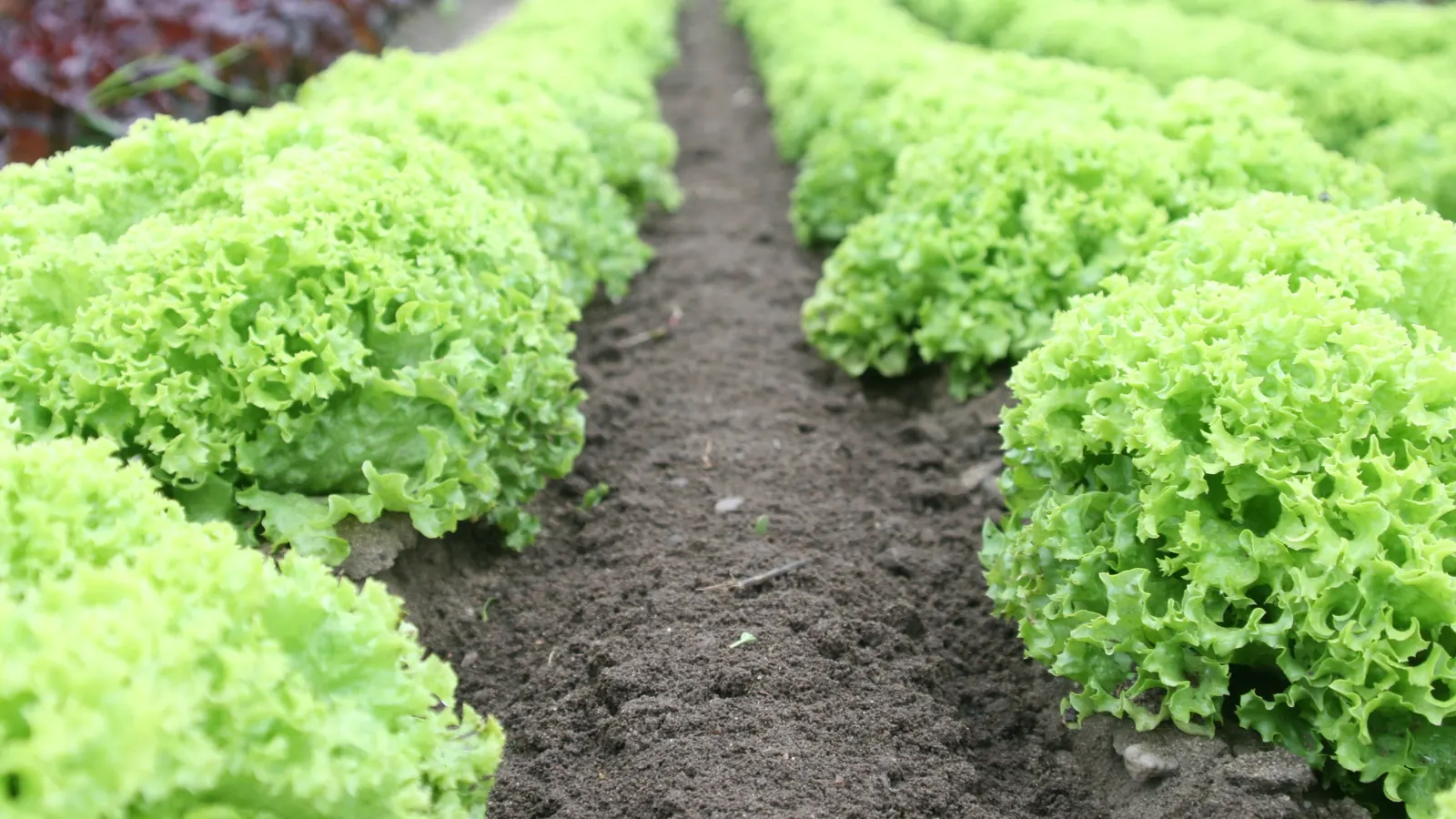
A short list that covers different uses teaches more than a crowded one. A household that eats salads and cooks beans might try leaf lettuce in the cool part of the season, bush beans once the weather warms, and a tomato transplant if the season is long enough. Adapt that to what you cook. Maryland’s beginner guide lists bush beans, tomatoes, peppers and leafy greens as approachable crops and explains grouping by season and maturity.
With beans, the type decides the work more than the variety. Botanical Interests’ bean seed collection separates bush from pole varieties, and the seller notes that bush types produce earlier over a shorter harvest while pole types start later and bear for longer. Pole beans also need the supports described under planting below, so a first plot without a trellis is simpler with a bush variety.
Sow what you will actually pick. Opening a packet is not a reason to plant all of it, and a bumper crop with no plan for it ends up on the compost pile.
Fit the plan to frost dates
Cool-season and warm-season crops start on different dates. Iowa State’s central Iowa example has cool-season crops going in from early or mid-April to early May, with most harvested by early summer, while warm-season crops wait until after the last frost, typically early May, and keep producing until the first frost, often in early October. It moves about a week earlier in southern Iowa and later in northern Iowa. Those dates are Iowa’s, so find your own last-frost date from your county or state Extension office and count from it.
Minnesota’s planting guide likewise separates early cool-season vegetables from tender crops like tomatoes and peppers. Days to maturity on a packet may count from sowing or from transplanting, so read which. A short sheet with crop, planting window, seed or transplant, and expected first harvest keeps it straight. Transplants bought early need a sheltered spot and gradual outdoor exposure until the soil and nights are warm enough.
Layout
Iowa State suggests tall crops on the north side so they do not shade shorter ones, and notes that rows, blocks or several small plots all work. Wider rows of two or three plants waste less space on aisles. It keeps beds no wider than 4 feet so you can reach from both sides, and walkways wide enough for a cart or wheelbarrow. Draw the mature size of each plant, supports included. If the drawing only fits by squeezing out the walkway, plant less.
Test the soil, then amend
A soil test beats guessing. Minnesota Extension’s soil-testing guide says its standard test covers items such as pH, organic matter and nutrients, while lead and some other tests are extra requests, so ask for lead if the plot sits near an older painted building or a busy road. If the site history raises concern, ask your Extension office which contamination tests to request before growing food there; fresh compost will not make contaminated ground safe. Iowa State recommends working compost into the soil in fall after harvest, in spring, or both.
Scale any amendment to the actual plot size on the report rather than buying by the bag. Compost cannot stand in for the test, and ordinary workable soil does not need replacing with bagged potting mix. The growing hub has broader soil guidance.
Preparing and planting
Clear grass and weeds first. Call 811 before you dig, and remember that private lines and irrigation are not marked. Wait if the soil is wet: Minnesota Extension advises against working soil that sticks to tools and shoes, and a workable seedbed is crumbly rather than pulverized. Follow the packet for sowing depth and spacing, since depths vary by crop. Put in bean supports and tomato cages at planting while you can still reach the spot, then label the row with crop and date. Water enough to settle things without washing seed away.
Water, weeding and picking
Iowa State gives about an inch of rain plus irrigation per week as a general reference for vegetable gardens and notes that soil, growth stage and weather change the need. Iowa State’s watering guide A rain gauge shows whether last night’s shower counted. Iowa State says to water slowly enough to wet the soil 6 to 12 inches deep, where most roots are, and that one thorough weekly soaking from a sprinkler beats frequent light ones. Morning or early afternoon watering lets leaves dry quickly. Dig down a few inches and feel the soil where the roots are, because a damp surface can sit over dry ground. Several inches of weed-free mulch such as straw or shredded leaves, laid once the soil has warmed (early June in Iowa), cuts evaporation and weeds. Newly sown rows and young transplants need the closest watching. More on equipment is in the irrigation hub.
Pull weeds while they are small. Identify an insect before spraying, because Minnesota Extension notes pesticides can also hurt beneficial insects. Minnesota on starting a garden and containers When a plant struggles, note which crop, which leaves and when it began, and photograph it for your Extension diagnostic service. Judge harvest by the crop’s description of the right picking stage; the packet date is an estimate.
Seeds
The Botanical Interests vegetable-seed collection linked on this page is one place to compare named varieties and their packet instructions. It is an affiliate link, so GardenHelm may earn a commission if you buy. Read the individual listing for habit, planting method and days to maturity, and buy for the crops you chose.
At season’s end, expand the crop you ate most of. If watering was the chore, fix access before adding rows.
Retailers to browse
Compare sizes, materials and delivery details on each retailer’s current listings.
- Go to Botanical Interests
Botanical Interests
Opens Botanical Interests’s store (garden seeds).
Written from manufacturer and retailer information and general garden practice. GardenHelm has not physically tested the products discussed here. How we choose products