How Long Do Trees Take to Grow? Establishment, Height and First Fruit
Settling in after planting, gaining useful height and bearing fruit are separate milestones, and a tree can be growing well while still years from the shade or harvest you want.
By GardenHelmPublished 4-minute readMore in Growing & Soil
In this guide
We may earn a commission from links on this page, at no extra cost to you. How this works
Most newly planted trees need 1 to 3 years to establish their roots, and a few larger ones up to 10, according to the Arbor Day Foundation. Reaching shade-giving size or a first harvest runs on a separate clock. A tree can be growing steadily and still be a decade from the canopy you pictured, so decide which of those three milestones you are asking about. Arbor Day Foundation, tree-planting questions
Establishment follows the size you buy
The Foundation adds that larger trees take longer to establish. University of Minnesota Extension ties it to trunk caliper: about 1½ years for a 1-inch tree, 3 years for a 2-inch tree and 4½ years for a 3-inch tree. Those are Minnesota’s figures for how long to keep watering a new tree. UMN watering table A bigger nursery tree starts taller but needs a longer establishment period.
The same Foundation page starts from the site: local climate, light, soil and drainage, and mature height and spread, and it points to native and climate-resilient trees as often the best choice. A fast grower that will outgrow its spot is still the wrong tree.
How fast is fast?
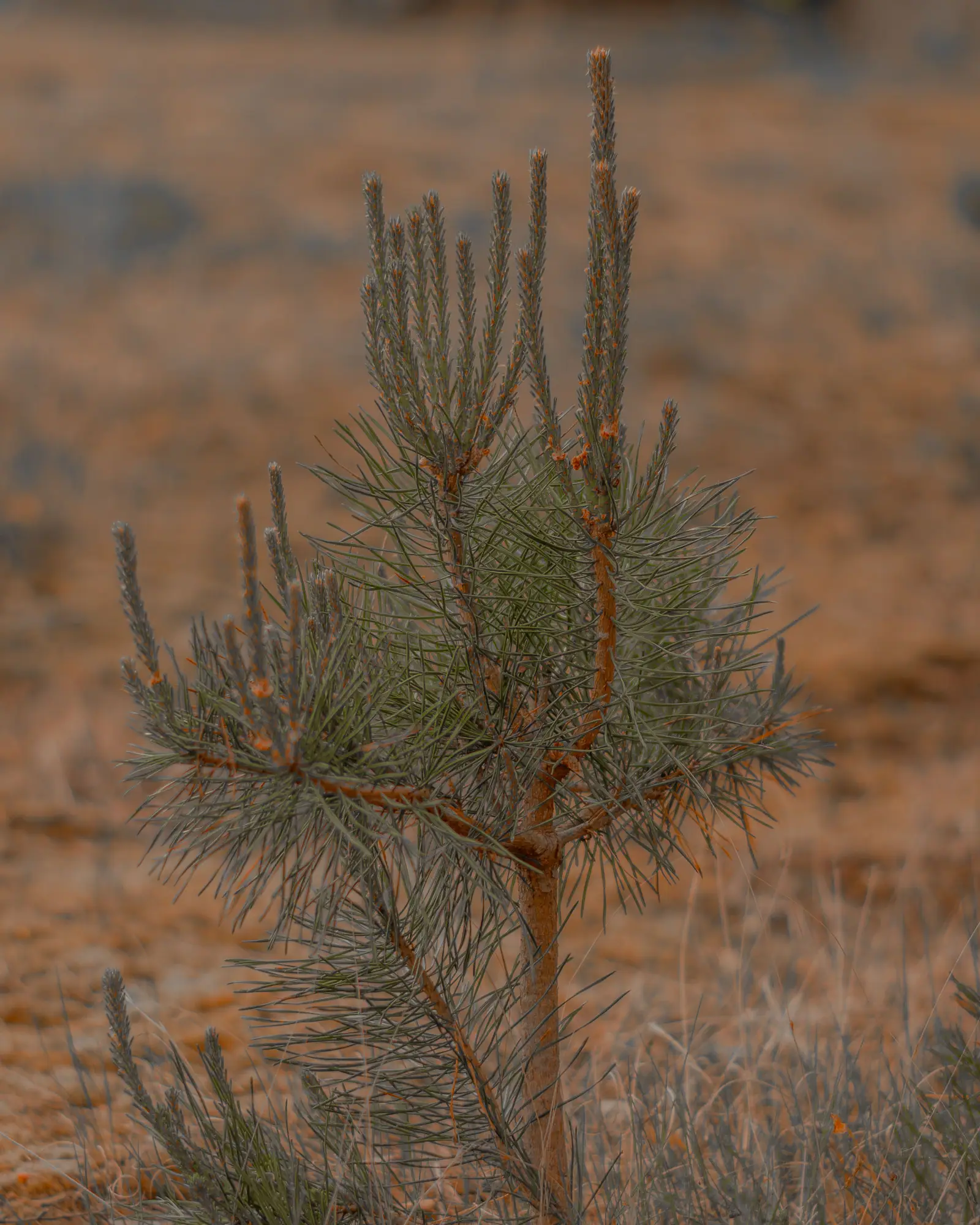
The Missouri Department of Conservation sorts species into three bands: slow means 12 inches of growth or less a year, medium means 12 to 24 inches, and fast means potential for 24 inches or more. These are Missouri’s categories and potential rates, not promises for every site. Some of its listings:
| Band | Species on the Missouri list |
|---|---|
| Slow | White oak, bur oak, black gum, shagbark hickory, pecan, eastern red cedar |
| Medium | Northern red oak, black walnut, eastern redbud, flowering dogwood, tulip tree, red pine |
| Fast | River birch, American sycamore, silver maple, pin oak, eastern white pine, eastern cottonwood |
Missouri tree-growth information
The table shows why “oak” alone cannot give you a timeline: white oak and bur oak sit in the slow band, northern red oak is medium, and pin oak is fast.
The same check applies when you buy one. Plant Addicts lists its White Oak Tree as Quercus alba for zones 3 to 9 at 50 to 80 feet tall and wide, and its description says it grows slowly. The Pin Oak page names Quercus palustris for zones 4 to 8 at 50 to 70 feet tall and 40 to 60 wide, gives its growth rate as fast and asks for full sun. Read the botanical name and mature spread before the growth rate: both need room for a very wide canopy, and the seller advises planting either one at least 15 to 20 feet from buildings.
Turning a band into a height
A tree in the slow band adds 12 inches or less a year, so over ten years it adds at most about 10 feet. A fast-band tree with the potential for 24 inches or more could add 20 feet or more in the same decade if the site supports it. That is arithmetic from the band definitions, and any single year can fall short, particularly the first one or two after planting while roots catch up. Divide the height you still need by the band’s yearly rate for a rough range, then measure your tree each winter and adjust. Dividing a tree’s mature height by its annual rate gives no usable age at maturity, and adding an establishment period on top of a rate that already counts the early years double-counts them.
Years to first fruit
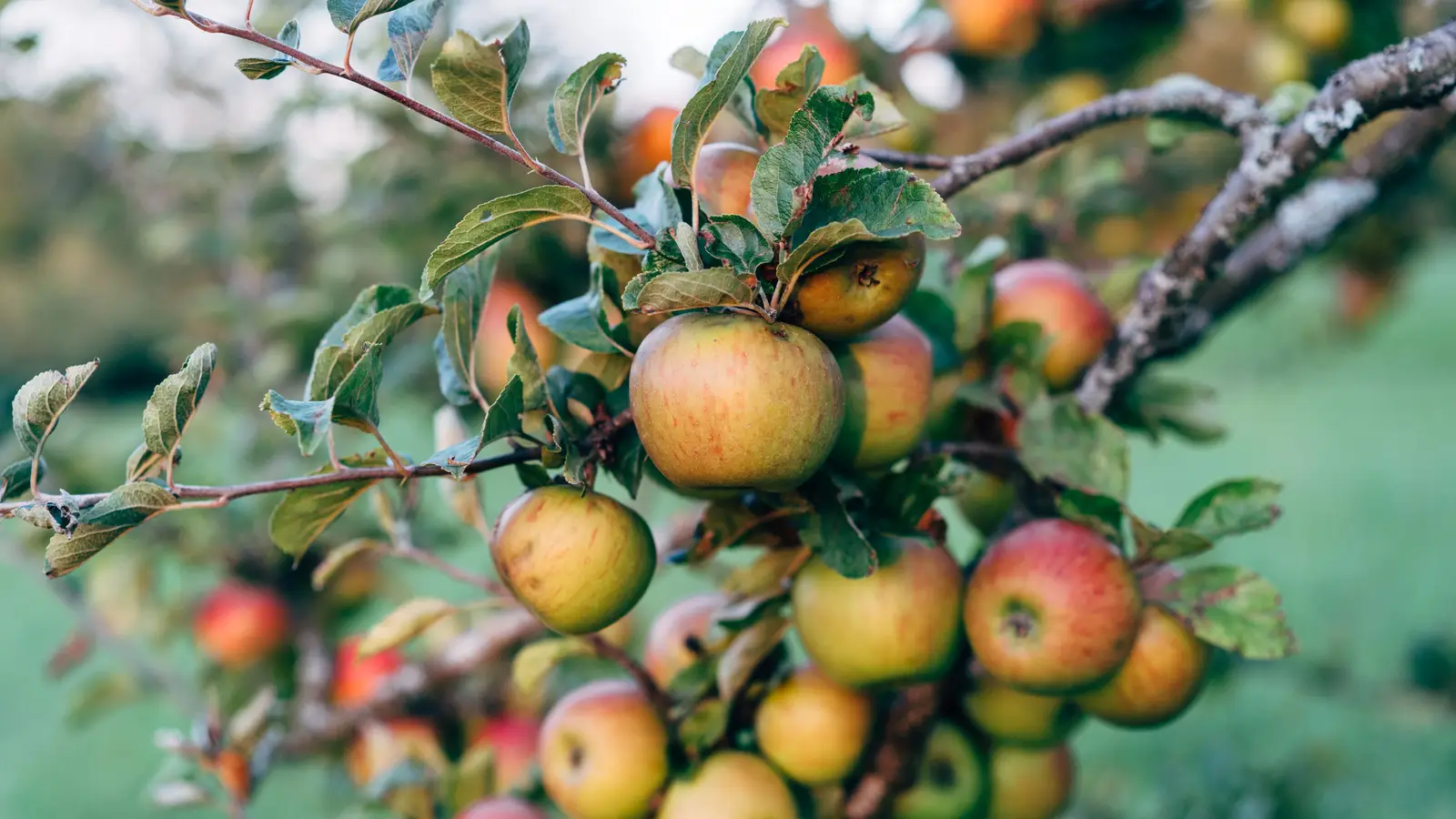
Fruit trees add a third timeline. Minnesota Extension gives 2 to 5 years to first fruit after planting a 1- or 2-year-old stone fruit tree, and notes that frost damage to the early blossoms can cost you that year’s crop. Growing stone fruits It applies to stone fruits in that climate. Apples, citrus and trees grown from seed follow their own schedules, and a quoted bearing age may count from grafting, nursery sale or your planting date, so find out which. Rootstock matters as well, so get the name from the nursery tag.
Tracking the one you planted
Photograph the tree from a marked spot and measure it at the same time each year. For screening, note the gap you still need to fill, and for shade, note where the shadow falls on the window or seat at a set hour. If growth looks poor after the establishment years, take the species, planting date, care history and photos to your local Extension diagnostic service before reaching for fertilizer or a replacement. More plant-care help is in the growing hub.
Written from manufacturer and retailer information and general garden practice. GardenHelm has not physically tested the products discussed here. How we choose products