Deck Box Buying Guide: Fit Cushions, Control Moisture and Save Space
A deck box keeps cushions and games next to the seating. Measure what goes inside, check the lid opens where it stands, and remember water-resistant is not waterproof.
By GardenHelmPublished 4-minute readMore in Deck Boxes
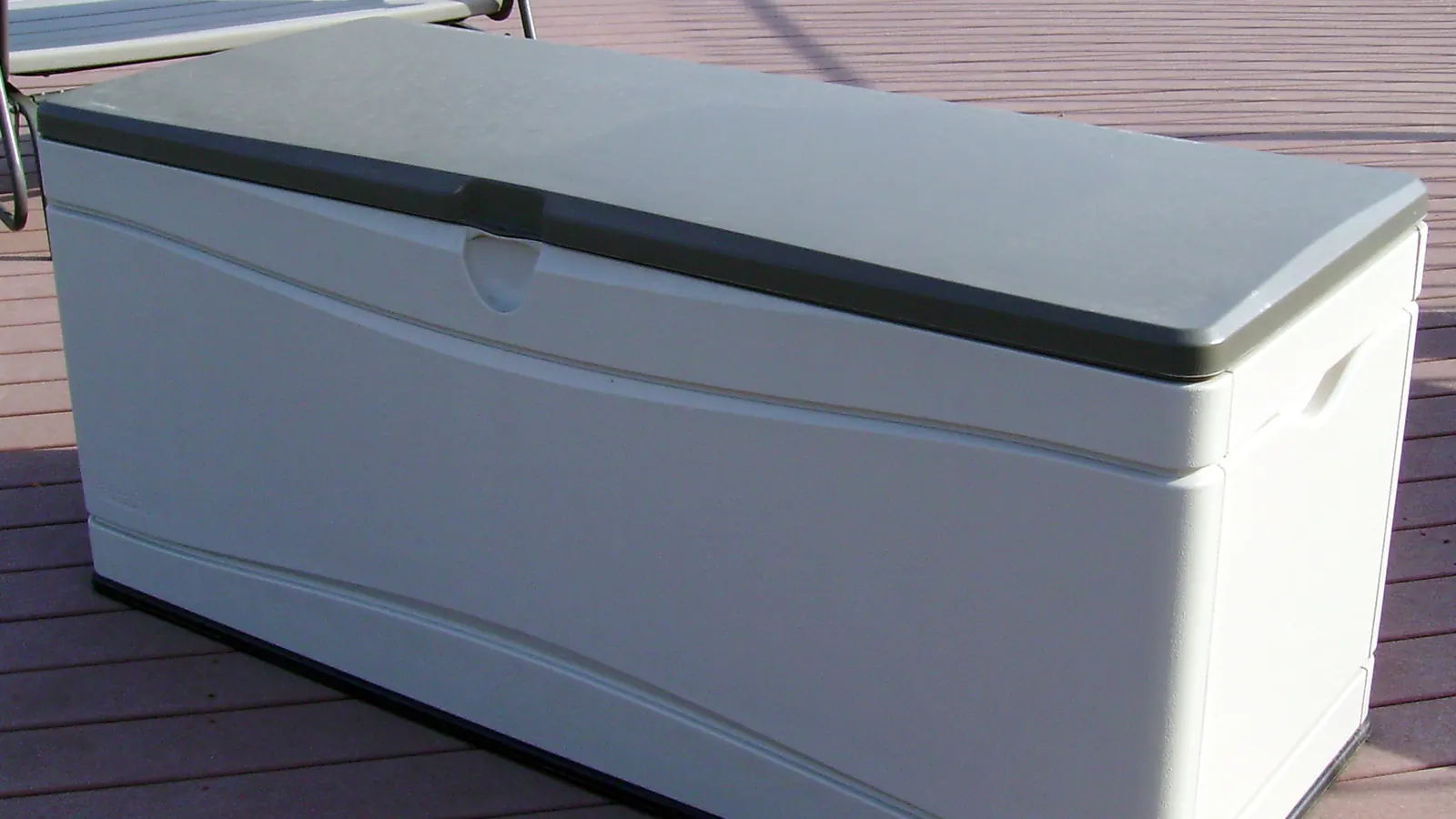
What this guide compares
- Interior dimensions and opening size
- Weather protection and moisture management
- Lid operation and placement clearance
- Material care and replacement parts
In this guide
The most common deck-box regret is buying by gallons and then finding the biggest cushion will not lie flat inside. Top-opening boxes suit things small enough to lift out: seat cushions, garden games, furniture covers, a few hand tools. Size it around your largest item rather than the gallon figure, put it where the lid can open fully without blocking the path, and only store cushions that are completely dry. Many are sold as water-resistant rather than waterproof, so check your model’s wording.
Measure what goes inside
Lay out everything you plan to store together. Measure cushions without squashing them, including piping, ties and any stiff backing. Fold covers the way you will really fold them after an evening outside, not the tight showroom fold.
Compare that pile with the box’s interior length, width and height. Exterior sizes include the walls and lid, and hinges or lid struts can steal space near the top. A gallon figure tells you volume, not whether your longest lounge cushion can lie flat. If the product page gives only capacity, look for a dimension drawing.
A quick floor test helps. Tape out the interior on the floor, stack your things inside the outline and measure the height. Then tape out the opening: if a cushion only fits diagonally, check you can turn it through without folding it harder than its care label allows. Leave some headroom so you can reach the bottom without unloading everything.
Water-resistant, not waterproof
A lid that sheds ordinary rain is a long way from a sealed container that survives standing water or wind-driven rain. Lifetime’s answer for its 165-gallon model 60438U describes that box as water-resistant rather than completely waterproof.
After the first heavy rain, open a new box and check the lid edges, corners and floor, and whether water pools underneath. A covered spot helps but will not make a poorly assembled box watertight.
The bigger risk is what you put in. A closed box cannot dry a damp cushion; it just hides the mildew until spring. Dry cushions fully first, keep muddy tools and wet pool toys away from clean fabric, and for winter, follow the furniture maker’s advice, which often means indoor storage.
Material and upkeep
| Construction | Look at | Upkeep |
|---|---|---|
| Molded resin | How panels lock together, hinge mounting, lid stiffness | Ask whether replacement hinges and panels are sold |
| Wood | Finish, joints, drainage gaps, hardware | Cleaning and refinishing on the maker’s schedule |
| Metal | Coating, edges, fasteners | Treating scratches before they rust |
| Wicker-look | Whether the weave is decorative or the actual wall | Whether a liner is included and what it protects against |
Look past a wood-look finish to the actual material, and expect woven sides to let rain in without a liner. “Heavy duty” and “all weather” tell you less than a clear care sheet. We compare fit and published features here, not durability from testing.
Check the lid where it will stand
The lid needs room above and behind the box. A window ledge, railing or wall light can stop it opening far enough to load cushions. Avoid spots where you would stand in the main walkway while digging through it, or where an open lid blocks a door, gate or the grill.
Check how the lid supports attach and whether you can buy replacements. Keep fingers clear of hinges, and do not let children use the box as a hiding place; read the model’s warnings.
Can it double as a bench?
Only if the maker says that specific model is rated for seating. Lifetime lists model 60251 as usable as a bench; that rating belongs to that model alone, and it covers sitting: never stand on the lid. Check the manual for the weight limit.
There is also a practical catch: if the lid is your regular seat, getting a cushion out means asking someone to stand up. For things you grab often, a separate bench and a smaller box can work better.
Delivery, locks and a four-point check
Check whether assembly, a liner, a lock and lid supports are included, and the size and weight of the shipping box if it must go up stairs or through an apartment. Balconies and shared spaces may have lease or building rules. A lockable lid deters casual access and little more, so keep expensive equipment elsewhere. Do not drill holes or add anchors unless the maker shows how, since that can affect weatherproofing and the warranty. Keep the model number for replacement parts, and clean it the way the maker says before reaching for a pressure washer or strong solvent.
Run through four points before you buy:
- Your largest item fits through the opening and inside.
- The lid opens fully where the box will stand.
- The weather rating suits the spot.
- Seating use, assembly and upkeep are clearly stated.
If long tools or everyday gear would be a pain to dig out of a top-opening box, look at front-opening options in our outdoor storage collection.
Written from manufacturer and retailer information and general garden practice. GardenHelm has not physically tested the products discussed here. How we choose products